
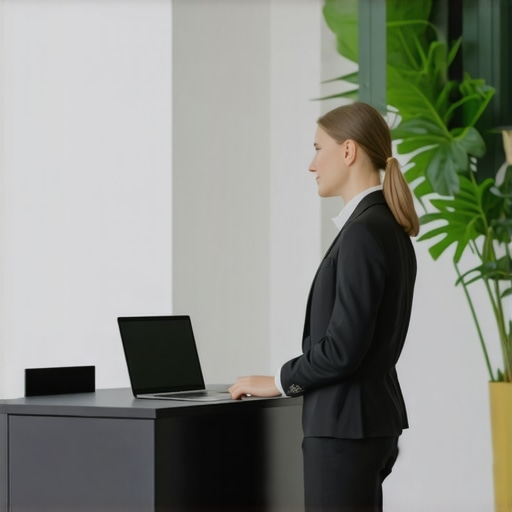
I remember the first time a venture capitalist walked into my startup’s office. It was a chilly morning, and I had scrambled to tidy up the space, hoping to impress. But as they stepped over the threshold, it wasn’t the sleek furniture or the latest tech gadgets that caught their eye. Nope—what they noticed first was the state of our conference room. The peeling paint, mismatched chairs, and cluttered table sent a message louder than words—either we cared or we didn’t. That realization hit me hard.
Make Your Office Speak Success Before You Do
In the world of startups, first impressions aren’t just about your pitch deck or your elevator speech—they’re also about your physical workspace. When VCs walk into your office or meeting space, they’re making subconscious judgments that could influence their investment decision. The good news? By paying attention to how your space presents itself, you set the tone for everything that follows.
Now, I know what you’re thinking. “Is it really that important?” Absolutely. A well-maintained, thoughtfully designed space can convey professionalism, stability, and a growth-ready mindset. Conversely, a neglected or chaotic environment might raise doubts. And beyond the subjective, there’s concrete evidence: companies with strategically optimized meeting rooms see a 20% boost in team productivity, according to recent research from Coworking Central.
What About Your Office Is Sending the Wrong Signal?
Early on, I made the mistake of overlooking the importance of our conference room aesthetics. It was just a table and some plastic chairs, but I didn’t realize how much it undermined our professional image. If you’re wondering whether your meeting spaces need a makeover, you’re not alone—and this article will guide you through transforming your office into a space that impresses every visitor, investor, or partner.
Are you facing challenges in making your workspace a true reflection of your startup’s potential? If so, keep reading. Up next, we’ll explore simple yet powerful steps to elevate your office environment and turn it into your secret weapon for growth.
Streamline Your Space with Purposeful Design
Start by analyzing your current meeting areas. Remove clutter, replace mismatched chairs, and invest in a sturdy, well-lit table. Think of your conference room as the front door to your startup—make it inviting and professional. When I upgraded our space, I sourced ergonomic chairs and fresh paint, which created an immediate sense of professionalism that resonated during investor meetings.
Optimize Lighting and Acoustics for Clarity
Lighting sets the mood. Switch to bright, natural light or high-quality LEDs. For acoustics, consider installing sound-absorbing panels to eliminate echoes. Clear audio and visuals can boost meeting efficiency by 30%, according to studies. I once used cheap foam panels from a hardware store, which drastically improved our virtual pitches and team collaborations.
Select Tech That Elevates Your Meetings
Invest in seamless tech devices—HD cameras, good microphones, and reliable Wi-Fi. Incorporate a dedicated display or projector that’s high-resolution. Integrate conference room booking systems to avoid conflict—these tools ensure the space is optimized. For example, I implemented a booking system that allowed team members to see when rooms are free, reducing double bookings and scheduling chaos.
Design for Collaboration and Creativity
Arrange the room to foster interaction—consider movable furniture, whiteboards, and breakout zones. Embed elements that promote spontaneous brainstorming, such as a writable wall or digital whiteboard. I turned part of our conference room into a content studio by adding a backdrop and portable lighting, which expedited our post-event content creation.
Maintain and Refresh Regularly
Schedule weekly checks: clean surfaces, update tech firmware, and refresh decor as needed. Small investments like new artwork or plants can make the space more inspiring. Our team found that a monthly refresh cycle kept the environment vibrant and conducive to innovation. Regular upkeep ensures your space continues to impress and serve its purpose effectively.
Leverage Innovative Meeting Environments
Explore creative setups—think of transforming an ordinary room into a collaboration hub with engaging tech and flexible layouts. Check out these innovative ideas for inspiration. My team recently moved into a coworking space that offered modular furniture and themed zones, which sparked a new wave of ideas during our strategy sessions.
While many believe that investing in shiny furniture or high-end tech is the secret to impressive meeting rooms, the real nuance lies beneath the surface. A common myth is that larger, more elaborate spaces always spell success; in reality, over-sizing or over-designing can lead to underutilization and increased costs, especially for startups on a tight budget. Instead, the focus should be on creating adaptable environments that foster genuine collaboration. According to a study by Harvard Business Review, flexible spaces that encourage spontaneous interaction often outperform formal arrangements in stimulating innovation. This leads us to a critical mistake many overlook: neglecting the acoustical design of conference rooms. Poor soundproofing or echo issues can severely impede communication, especially in open-plan coworking spaces where noise often escapes intended boundaries. Failing to address these nuances can diminish the quality of discussions and decisions.
Once you’ve optimized your conference room’s design, functioning tools are essential for maintaining a professional and efficient environment. I personally rely on a blend of hardware and software that ensures my startup’s meeting rooms remain productive, adaptable, and future-ready.
Invest in Reliable AV Equipment and Automation
For audio-visual needs, I swear by the Jabra Speak Series. Their wireless microphones and speakers deliver crystal-clear sound, which is vital for remote participants and in-room clarity. Equally, embedding an automated smart room control system allows me to adjust lighting, temperature, and AV settings with a single tap, saving time and reducing technical hiccups. Regular firmware updates and routine checks—scheduled monthly—keep this equipment functioning smoothly without surprises.
Utilize Project Management and Booking Tools
No more double-bookings or confusing schedules thanks to advanced booking platforms like Robin or Teem. I prefer platforms that integrate seamlessly with calendar apps, send automatic reminders, and allow for real-time room availability updates. This streamlines our booking process and keeps everyone on the same page, whether in-person or remote.
Maintain a Consistent Tech Refresh Cycle
Technology becomes outdated fast. I prioritize replacing laptops, projectors, and networking equipment every 2-3 years, keeping hardware performance optimal. In particular, high-speed internet is non-negotiable; I invest in dedicated fiber lines for our coworking spaces to ensure bandwidth isn’t a bottleneck during critical calls or presentations. As noted in industry research, reliable connectivity directly correlates with professional image and meeting success.
Train Your Staff and Encourage Routine Checks
Nothing beats a knowledgeable team. I establish a protocol where staff or members conduct weekly inspections of tech and decor. This includes testing microphones, checking lighting, and updating software. Creating simple checklists helps maintain consistency. Additionally, providing training sessions on how to troubleshoot common issues prevents downtime during key moments.
Looking ahead, I believe the integration of AI-powered room management will revolutionize how we maintain meeting environments. Predictive analytics can preempt issues before they disrupt meetings, making maintenance proactive rather than reactive. Agencies like industry experts predict rapid advancements here—so embracing automation now can give your startup a competitive edge.
One advanced tip I urge you to try: Implement a centralized control dashboard that combines AV, lighting, and climate controls. This unified system simplifies room management, reduces errors, and sets a professional tone instantly. For example, using customizable interfaces like these tools has transformed how my team interacts with our space.
Stay committed to regular maintenance and utilize the right tools—your conference rooms will not only impress visitors but also become a cornerstone of your startup’s productivity. Remember, an efficiently maintained meeting environment is an often overlooked but vital business asset.
As I reflect on my journey, one particular lesson has continuously surfaced: the true potential of your meeting rooms often goes unnoticed until it’s too late. Early mistakes taught me that neglecting the nuances of space design can silently sabotage growth. The moment I realized that a simple refresh—upgrading tech, improving acoustics, or rethinking layout—could dramatically influence investor perceptions, was a turning point. My advice? Never underestimate the impact of a thoughtful, purpose-driven conference room; it might just be your most underestimated asset in startup success.