
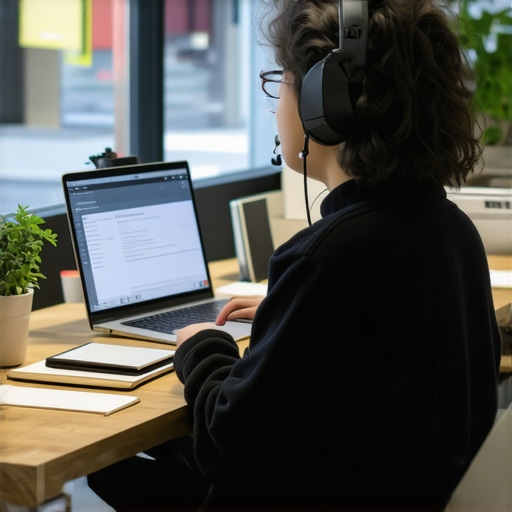
Ever sat down at a coworking table, fired up your laptop with the best intentions, only to find your focus drifting away seconds later? We’ve all been there. The ambient chatter, the scent of freshly brewed coffee, and the endless stream of distractions make it a real challenge to stay on track. I remember my own lightbulb moment—realizing that my biggest hurdle wasn’t a lack of motivation but an environment that wasn’t designed for deep work. That realization prompted me to develop practical strategies to block out the noise and hone in on what truly matters.
Why Staying Focused Is the Bedrock of Startup Success
In the bustling world of startups, every minute counts. As founders, our ability to concentrate directly impacts product launches, investor pitches, and team growth. But coworking spaces, while excellent for networking and inspiration, often come with a gauntlet of distractions that threaten productivity. According to a study published in the Harvard Business Review, environment plays a crucial role in cognitive performance, with noisy or chaotic settings reducing our ability to focus by up to 50%. That’s a staggering statistic that underscores the importance of creating a personal work sanctuary, even within shared spaces.
Is Your Coworking Routine Actually Helping or Hurt Your Progress?
Early on, I made the mistake of assuming that just showing up in a coworking hub meant I was working efficiently. But I often found myself scrolling social media during supposed “deep work” sessions. The worst part? I blamed myself instead of recognizing that the environment was a significant factor. This misstep — not customizing my workspace and ignoring environmental cues — is common among founders. To genuinely thrive, you need a clear plan to guard your focus.
Now, let’s explore how you can craft that focused environment, minimize distractions, and stay on your path toward startup success. Whether you’re in a shared conference room or a cozy corner of your coworking space, these practical steps will help you reclaim your productivity and make every work session count. Want to dive deeper? Check out the latest insights on maximizing productivity in your startup’s conference rooms again and again.
Identify a corner or a specific area in your coworking space that can serve as your personal concentration zone, ideally away from high-traffic spots. I once set up a small desk in the quietest nook, bringing noise-canceling headphones and a physical barrier like a bookshelf. This physical separation created an instant mental cue to switch into work mode, resulting in a noticeable boost in my focus during critical tasks.
Use signs, colored tape, or a small flag to delineate your dedicated area, signaling to others that your space is reserved. In a previous project, I labeled my desk with a simple sign saying “Deep Work Zone,” which discouraged casual interruptions. This visual cue helped in reducing distractions and reinforced your boundary, especially in lively coworking settings, aligning with advice from how to choose the perfect conference room.
Wear noise-canceling headphones or earplugs. I invested in a pair that blocked out ambient sounds, which proved invaluable during back-to-back deep work sessions. Additionally, keep your workspace tidy and avoid clutter; a clear desk reduces visual chaos, helping your mind stay focused. When I tried this, I noticed I could sustain concentration longer, even amidst the buzzing of the open office. For more innovative ideas, explore how creative coworking environments design their spaces for focus.
Block specific time slots in your calendar dedicated solely to focused tasks, treating these periods as non-negotiable meetings. I once reserved three hours in the morning—no emails, no meetings—and communicated this to my team. The result? My productivity skyrocketed, and I completed tasks that normally took days in just a few sessions. Use tools like calendar apps to set ‘Do Not Disturb’ modes during these periods, mirroring strategies from maximizing productivity in conference rooms.
Utilize apps that block distracting sites or notifications during your work blocks. In my experience, extensions like Freedom or Cold Turkey eliminate social media temptations effectively. Pair this with a Pomodoro timer to structure your work into focused sprints with short breaks, helping sustain high energy levels. Implementing these tech tools created a disciplined environment where I maintained sustained concentration, even in bustling coworking areas.
Schedule meetings strictly for specific times to prevent them from infringing on your deep work periods. When I experimented with a policy of no meetings before noon, I found my mornings transformed into prime productivity hours. During breaks, step away from screens and take quick walks or stretching exercises—this refreshes your mental state. Remember, turning your environment into a focus-friendly zone isn’t just about physical space but also about how you structure your time and technology use.
Many entrepreneurs believe that simply securing a coworking space or a conference room guarantees productivity and professional reputation, but this is a misconception that can derail your growth. One prevalent myth is that all coworking environments foster collaboration equally; in reality, many shared spaces lack the intentional design needed to promote genuine focus and innovation, as highlighted in recent analyses of coworking trends. Another trap to avoid is over-relying on high-tech conference rooms without considering the nuances of space acoustics, lighting, and layout, which significantly impact meeting effectiveness, as supported by studies on workspace ergonomics.
A common mistake entrepreneurs make is assuming that bigger, more furnished meeting rooms will automatically impress clients or investors. Instead, the true value lies in how well these spaces support your specific objectives, whether it’s quick stand-ups or detailed strategy sessions. For instance, transforming a standard room into a creative hub can unexpectedly boost team morale and idea flow, a concept explored in creative coworking spaces.
When choosing your dedicated space, don’t fall into the trap of undervaluing natural light or fresh air, elements that many overlook but are crucial for sustained focus. Additionally, many startups underestimate the importance of privacy within open or communal work settings, risking oversharing sensitive ideas or data—more details can be found in our privacy policy.
Advanced entrepreneurs question whether the physical environment alone can truly stimulate innovation or if the real driver is the culture embedded within the space. Creating conditions that promote spontaneous interactions and peer learning can be more impactful than expensive decor or technology. Interestingly, recent studies have shown that coworking spaces designed with flexibility and community in mind outperform static environments in fostering creative breakthroughs, as outlined in future coworking trends.
**Are you aware of the subtle design flaws that might be limiting your startup’s growth?** For instance, ignoring the importance of soundproofing can lead to distractions and decreased productivity, especially during critical client calls or focused work. Moreover, failing to tailor conference room functionalities to your team’s specific needs—like integrated AV equipment or flexible furniture—can hamper collaboration and decision-making. For expert insights on evaluating spaces, see how to select ideal conference rooms.
Ultimately, the invisible nuances within coworking and conference environments often determine whether these spaces serve as catalysts or barriers to your startup’s success. Designing with purpose, understanding the psychology of space, and continuously optimizing for your team’s evolving needs will position you ahead of the curve. Have you ever fallen into this trap? Let me know in the comments.
Maintaining a high level of productivity in coworking and conference room settings requires not just discipline but also the right tools to support your workflow. Over the years, I’ve fine-tuned my toolkit to include software and hardware that genuinely make a difference. One indispensable piece of software I swear by is Clockify, which I personally use to track time spent on various projects. It helps me identify time sinks and optimize my daily schedule. Unlike generic time trackers, Clockify offers detailed reports and integrates seamlessly with other tools I rely on, like Slack and Trello, providing a comprehensive overview of productivity metrics.
On the hardware front, I prioritize a reliable noise-canceling headset like the Sony WH-1000XM5. In noisy coworking environments or bustling conference rooms, these headphones block out distractions effectively, enabling me to concentrate during critical tasks or remote calls. Investing in quality audio equipment reduces mental fatigue and enhances focus, which is crucial for startups aiming for consistency over time.
For collaboration, I highly recommend Miro as a visual brainstorming platform. During remote planning sessions or team workshops in shared spaces, I use Miro to map out ideas rapidly, engage all participants interactively, and keep the momentum alive. Its real-time collaboration features are especially useful for teams that want to maintain cohesion, regardless of location. The intuitive interface and broad toolset make it a staple in my remote and in-person meetings.
Another underappreciated tool is Notion. I leverage it to centralize project documentation, meeting notes, and task management. Notion’s flexibility allows me to craft customized dashboards that keep everyone aligned, which is vital when managing multiple projects across shared spaces. Unlike traditional document storage, Notion consolidates everything into one accessible interface, reducing confusion and ensuring long-term clarity.
Looking ahead, I believe the trend toward integrated, AI-enhanced workspace tools will accelerate. These systems will not only automate routine tasks but also analyze your behaviors to suggest optimal work patterns, making sustained productivity effortless. As an example, AI-driven scheduling assistants like x.ai are already starting to make coordinated calendars smarter and more responsive.
How do I maintain consistency with these tools over time?
The key lies in regular review and adaptation. Schedule weekly check-ins to assess which tools are still serving your evolving needs and be ready to pivot. For instance, I experimented with various project management platforms before settling on Notion. This ongoing refinement ensures your toolkit remains aligned with your goals, not cluttered by unnecessary apps. Start by adopting one new tool at a time—like experimenting with Timer extensions such as timers for focused work sessions—to prevent overwhelm and build sustainable habits.
The Hardest Lesson I Learned About Coworking and Meeting Rooms
One pivotal realization was that no amount of fancy furniture or tech can compensate for a poorly managed environment. I discovered that building habits around environmental cues—like setting up a dedicated corner—transformed my productivity and lowered my frustration levels. Small tweaks, like choosing the right conference room size or adjusting lighting, made a huge difference in how my team collaborated and innovated.
Shelves, Tech, and Time: My Essential Toolkit for Focused Work
To truly thrive in diverse coworking environments, I rely on tools like tech timers and noise-canceling headphones. These give me the power to carve out focus regardless of surroundings. Additionally, platforms like Miro for visual collaboration help keep ideas flowing when spontaneous brainstorming is needed—without the chaos.
The Power of a Space That Grows With You
If you’re like me, identifying a flexible, purpose-built conference room that can adapt as your startup scales is vital. Don’t settle for generic spaces; instead, look for environments designed with natural light, privacy, and acoustics in mind. Resources like this guide can steer you right. When your environment aligns with your goals, both focus and innovation thrive.
Creating a Focus-Friendly Ecosystem: Lessons from the Trenches
- Don’t underestimate lighting and airflow: Natural light boosts mood and alertness, crucial during long meetings or deep work sessions.
- Design for silence and privacy: Invest in soundproofing or private booths to shield your team from endless coworking distractions.
- Align space with culture: Foster spontaneous conversations by designing communal areas that encourage casual dialogue, boosting team cohesion without sacrificing focus.
- Test and adapt regularly: What works today might not tomorrow. Keep refining your space choices and work routines to stay ahead.
These insights came from real experience—embrace them, and your workspace can become your greatest advantage rather than a hurdle to overcome.
Are You Ready to Redefine Your Coworking Experience?
Creating an environment that fuels productivity and innovation isn’t just possible—it’s essential for your startup’s growth. By paying attention to detail and intentionally designing your spaces, you can turn coworking settings into your startup’s secret weapon. Remember, the right environment makes focus effortless and success inevitable.
What’s been your biggest challenge in optimizing coworking or conference rooms for your team? Share below—your insight could help others transform their workspaces too.