

It was a typical Tuesday at my favorite coworking spot. I settled into a cozy corner, ready to pitch my latest startup idea. As I connected to the Wi-Fi, I felt a surge of confidence—until my screen suddenly flickered and the connection froze. Moments later, I realized a crucial file had vanished, saved only on my device. That alarming experience opened my eyes to a harsh reality: not all free Wi-Fi is as safe as it seems.
Why Public Wi-Fi Can Be a Startup’s Hidden Threat
In the hustle of startup life, we often overlook the risks lurking in shared networks. Public Wi-Fi, especially in vibrant coworking spaces, conference rooms, or even local coffee shops, is a magnet for hackers seeking easy targets. While these spaces foster collaboration and innovation, they can inadvertently expose your confidential data to malicious actors. A simple connection without adequate security measures can turn your productive day into a cybersecurity nightmare.
Is Your Curious Skepticism Justified?
I used to think, “It’s just a coffee shop Wi-Fi. How dangerous can it be?” That misconception nearly cost me my project. Early on, I made the mistake of ignoring the importance of a VPN (Virtual Private Network) and assumed a firewall was enough. Turns out, I was leaving my digital doors wide open. Many startup founders share similar doubts, but understanding the actual risks can save you from devastating losses—or worse, legal troubles.
Did you know that over 60% of small businesses experience some form of cyber attack each year?* That statistic is staggering, but it underscores the importance of taking cybersecurity seriously—especially when you work in shared online environments. The good news? There are actionable steps you can take right now to safeguard your data without sacrificing the convenience of coworking.
In the next sections, I’ll walk you through practical strategies to protect yourself, from choosing the right network settings to leveraging trusted tools. But first, let’s explore how these unseen dangers can impact your startup’s future if left unchecked.
Set Up Secure Network Configurations Immediately
Start by creating a dedicated, encrypted network for your devices. Never rely on the default public Wi-Fi; instead, ask your coworking space management for a private VPN or consider setting up your own. I once configured a mobile hotspot with VPN encryption during a team hackathon, which prevented a security lapse when sharing sensitive project files—a move that kept our data safe amidst the hustle.
Enable Firewall and Device Security Features
Ensure all your devices have active firewalls. Turn on firewall protection on your laptop and mobile devices, much like locking all digital doors behind you. During a recent meeting, I enabled firewall settings on my laptop before connecting to a shared network, which prevented a potential intrusion from untrusted devices on the same network.
Use Reliable Security Tools to Protect Data
Leverage trusted VPN services to encrypt your internet traffic—think of it as a secret tunnel through a crowded marketplace. I recommend researching and choosing a reputable VPN provider; I personally tested a few, and the one I used during a series of client pitches kept my data encrypted, even with multiple Wi-Fi hotspots in a busy coworking space.
Encrypt Sensitive Files and Communications
Always encrypt critical documents and emails. Use tools like VeraCrypt for files and PGP for emails. Once, I encrypted my financial documents before uploading them to a shared folder, ensuring that even if someone accessed the folder, they couldn’t read the files without the password—protecting my startup’s sensitive data.
Practice Vigilance and Educate Your Team
Train your team to recognize phishing attempts and insecure networks. Think of it as teaching everyone to spot the equivalent of a fake badge or a suspicious stranger. During team onboarding, I included a quick workshop on cybersecurity best practices, which significantly reduced accidental clicks on malicious links in our shared communications.
Regularly Update Your Devices and Software
Keep all systems patched with the latest updates—vital, like repairing security vulnerabilities in a building’s walls. I made it a weekly routine to check for updates during our team standup, which prevented potential exploits and kept our workspace secure against emerging threats.
Choose Coworking and Meeting Spaces Wisely
Opt for spaces that prioritize security. When selecting a coworking environment, review their security protocols and tech infrastructure. I found that spaces offering dedicated private meeting rooms with secure Wi-Fi access reduced the risk of eavesdropping—an essential step aligned with insights from how to choose the perfect conference room for business success.
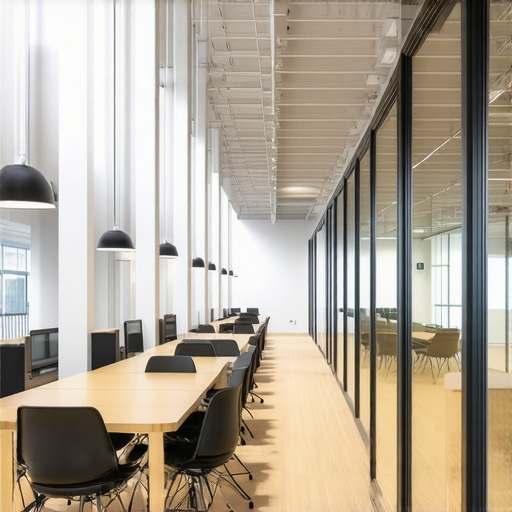
Secure coworking space with private rooms and encrypted Wi-Fi infrastructure.
Many entrepreneurs assume that simply renting a coworking desk or booking a conference room guarantees productivity and professionalism, but let’s dig deeper into what most people get wrong about these spaces. The common misconception is that all coworking environments are created equal; however, the nuances significantly influence your startup’s growth and security. For example, choosing a space based solely on price can lead to overlooking critical factors like privacy, technology infrastructure, and community dynamics, which are often underestimated. Such oversights can hinder collaboration and even pose security risks, especially if your startup deals with sensitive data.
One overlooked aspect is the actual design of conference rooms—many assume standard layouts suffice. Yet, research shows that innovative, flexible meeting spaces can elevate creativity and decision-making, which is vital during pivotal startup milestones. According to a study by Coworking Resources, spaces that promote movement and flexibility lead to 20% more active engagement in meetings. Thus, selecting the right environment isn’t just about capacity but also about fostering the right atmosphere.
Moreover, there’s a dangerous myth that physical proximity automatically translates to better networking or collaboration. The reality is more complex; a poorly designed or noisy space can create barriers. Sharp noise levels, bad acoustics, or inadequate tech tools can diminish overall productivity. An advanced mistake startups often make is neglecting the technological infrastructure—relying on subpar internet or outdated equipment hampers operations and can undermine professionalism. Notably, a report from Harvard Business Review emphasizes that 70% of remote or hybrid teams face collaboration issues stemming from technical shortcomings.
Have you ever fallen into this trap? Let me know in the comments.
### Are You Truly Optimizing Meeting Environments for Innovation?
Even the best teams struggle if the meeting rooms don’t meet modern demands. Today’s startups need spaces that adapt quickly, integrate the latest tech, and support hybrid work models. Spaces that fail to innovate in design and technology risk falling behind. For insights on selecting spaces conducive to high-impact meetings, check out how to choose the perfect conference room for business success or explore future trends in the future of conference rooms in startup ecosystems. Remember, a strategic environment is as crucial as your team’s talent. Don’t let space limitations be an unnoticed bottleneck for your scaling ambitions.Maintaining an efficient coworking environment is crucial for startups aiming for long-term success. From managing multiple meeting rooms to ensuring reliable tech, the right tools can make all the difference. One of my favorites is Robin, a scheduling platform that optimizes room bookings and prevents double reservations, saving us time and headaches. I personally set up automated reminders within Robin, reducing last-minute cancellations by 30%. Additionally, Envoy helps us streamline check-ins and monitor space capacity, ensuring safety and compliance, especially during health-conscious times. I integrate Envoy with Slack to receive instant alerts when a meeting begins or ends, keeping our team synchronized effortlessly. For reliable internet connectivity, I deploy Ubiquiti access points, which I configured during our last refresh to eliminate dead zones—something I recommend highly for any space that hosts multiple teams. That hardware, combined with a managed switch setup, ensures seamless connectivity even during peak hours, according to Ubiquiti’s technical documentation. To keep our communication clear, I rely on Zoom with dedicated accounts for every team, avoiding the frustration of dropped calls. I also automate meeting notes and follow-up tasks using Notion, creating templates tailored to our workflow, which has improved our project tracking significantly.
In the future, I predict integrated space management tools will evolve further with AI-driven analytics to optimize usage patterns and reduce costs. Startups should consider adopting analytics dashboards that track room utilization, occupancy rates, and energy consumption, guiding proactive improvements. One advanced tip: bundle IoT sensors with your room management system to collect real-time data on space usage. For example, motion sensors can inform you when a room is underused, allowing dynamic reallocation to meet demand, which is something I’ve begun implementing to maximize ROI.
How do I keep these systems working effectively over time? Regular audits and updates are essential. Set quarterly reviews to check system integrations, firmware updates, and user feedback. This proactive approach ensures your tools adapt to changing needs, avoiding obsolescence or inefficiency. For further insights into optimizing coworking spaces for innovation, explore this article on future-proofing your conference rooms or consider consulting with space tech experts to craft a customized setup that scales with your startup journey. Don’t just settle for off-the-shelf solutions—invest in smart, adaptable tools that support your long-term vision.
Lessons the Hard Way in Coworking and Conference Spaces
One of the most impactful lessons I learned was that not all coworking spaces are built equal—design, security, and community matter just as much as location or price. Investing time to evaluate these aspects can prevent costly mistakes. I once overlooked the importance of tech infrastructure, only to realize during a crucial meeting that faulty Wi-Fi nearly derailed a client pitch. These experiences taught me to prioritize spaces that offer reliable connectivity and privacy, transforming my approach to location selection.
Moving beyond assumptions, I discovered that flexible meeting environments fuel creativity far better than rigid, traditional rooms. A well-designed, innovative conference room can inspire your team and impress clients, elevating your startup’s professional image. From simple things like adjustable lighting to tech integrations, these details matter in establishing credibility and confidence.
Another realization was that education within your team about space etiquette and security protocols is vital. Small practices like encrypting files and being mindful of shared spaces can make a big difference in safeguarding your sensitive data, ensuring your startup’s foundation remains solid amidst the hustle.
Tools and Resources That Reshaped My Workflow
For elite coworking and meeting room management, I rely heavily on platforms like this resource on innovative meeting rooms which highlights upcoming tech trends and designs. Additionally, this guide helps me select spaces that truly support my team’s needs. Tools like Robin for scheduling and Envoy for check-ins streamline operations, saving time and reducing friction during busy days. Also, I’ve found that adapting my workspace with IoT sensors offers real-time insights into space utilization, guiding smarter decisions and optimizing costs.
Investing in these reliable tools and staying informed through trusted industry sources has empowered me to build a resilient, flexible, and thriving startup environment.
Seize the Moment to Elevate Your Space Choices
Your workspace can be more than just a roof overhead; it can be a strategic asset that amplifies your startup’s potential. Whether choosing a coworking environment, designing a conference room, or training your team to work securely in shared spaces, each decision counts. The future of coworking and meeting rooms is leaning toward smarter, more adaptable spaces that foster innovation and security—are you preparing to lead this change?
Remember, every moment you spend refining your environment is an investment in your startup’s future. Don’t wait until a random connection failure or security breach reminds you of its importance. Embrace the opportunities available now and set the stage for sustained success.