
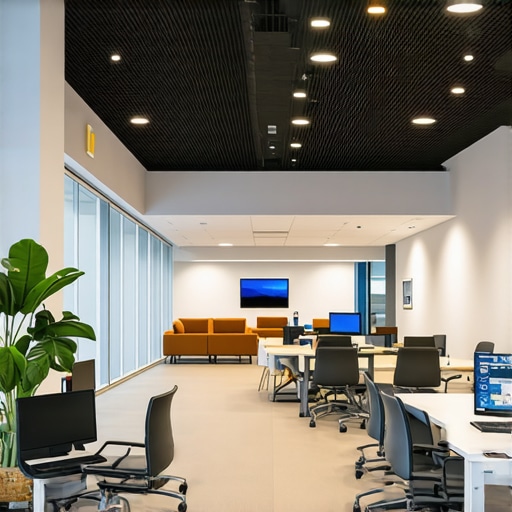
I vividly remember the first time I stepped into a high-end coworking space, expecting to be impressed by sleek furniture and cutting-edge technology. Instead, I was greeted by chaos—an overbooked conference room, a noisy coffee station, and a lack of guidance on how to truly leverage the space I was paying a premium for. It hit me then: I was missing out on the real benefits tucked away in the membership, benefits I had paid for but hadn’t utilized.
Why Are We Often Blinded by the Obvious and Missing the Hidden Perks?
Many entrepreneurs and freelancers make the mistake of focusing only on the obvious features—free coffee, high-speed Wi-Fi, or stylish lounges—without realizing there are subtle advantages that can significantly impact our productivity and network growth. Premium coworking memberships come with a set of perks designed to elevate your business, but only if you know how to tap into them.
In my early days, I overlooked opportunities such as exclusive networking events, dedicated conference rooms, or even booked access to collaboration hubs. I assumed these were extras rather than integral tools for scaling my startup. As a result, I wasted money on a membership that didn’t truly serve my needs.
Interestingly, a study by Deskmag found that 84% of coworking members believe their workspace improves their chances of business success. Yet, many fail to maximize these spaces because they aren’t aware of or comfortable with using all the features available.
Now, I want to help you avoid my mistake. By understanding and utilizing the full spectrum of benefits, you can unlock new growth avenues, foster meaningful connections, and create a professional image that impresses clients and investors alike.
Are you currently making the most of your coworking membership, or are you leaving money—and opportunity—on the table? Stay with me as we explore how to harness these hidden perks effectively.
Book Your Space Strategically
Avoid the mistake of defaulting to the nearest or most convenient room. Instead, evaluate your meeting’s purpose. Is it a deep dive with your team or a quick pitch to a client? Use tools like this guide to select the right room size and features. I recall scheduling a client presentation in a cramped lounge because I ignored the dedicated conference rooms—resulting in a rattling laptop and distracted attendees. Since then, I always plan my meetings based on purpose and capacity, ensuring clear visual and audio quality.
Leverage Exclusive Networking Opportunities
Many overlook scheduled networking events or social hours. Make it a point to attend these sessions regularly. One startup founder I know started by attending weekly mixers, leading to a关键 partnership that accelerated growth. Check the coworking space’s calendar, and don’t hesitate to introduce yourself—sometimes, a simple handshake leads to a deal or mentorship. For more on maximizing these chances, visit this resource.
Utilize Specialized Collaboration Spaces
Identify zones designed for creative brainstorming or deep work. Many coworking areas have innovation hubs or content studios—spaces that foster innovation. When I needed to prototype a new pitch deck, I booked a content studio, transforming it into my mini-svg workshop, which sped up my design process. If your space isn’t clear about these zones, ask the community manager or visit this guide to understand how to tap into them effectively.
Schedule Regularly in High-Value Rooms
Instead of ad-hoc bookings, establish a routine of reserving premium rooms for your critical meetings. Many coworking spaces allow members to book recurring slots—sometimes with special perks. I set a weekly appointment in our top conference room, which gave my team a consistent environment to prepare and brainstorm. Not only does this foster discipline, but it also ensures access during peak times. Remember, frequent use helps you develop familiarity with room features, reducing setup time and technical glitches, as shown in this article.
Harness the Power of Virtual and Physical Signaling
Your online presence and in-office behavior influence your professional image. When booking rooms, customize your profile and invite clients with branded virtual backgrounds or presentation templates. During meetings, position your camera to showcase a clean, well-lit background—think of it as your digital storefront. I learned that a tidy, well-lit room with minimal noise impresses clients more than elaborate pitches. For tips on creating such impressions, check this resource.
Adjust Your Workflow for Optimal Space Utilization
Plan your day around room availability. Block early mornings for important calls in quiet zones, and reserve collaborative rooms for group work during peak hours. Use scheduling tools integrated with the coworking space’s system, if available. This minimizes conflicts and maximizes room usage—much like orchestrating a symphony where timing and placement are everything. Reflecting on my initial chaos, I now coordinate my schedule weeks in advance, which dramatically increases productivity and reduces stress.
Many entrepreneurs assume that booking a conference room or coworking space is mostly about availability and location. However, this oversimplification often leads startups to overlook nuanced pitfalls that can hinder growth and professionalism. Contrary to common belief, the true value of a meeting space isn’t just in its physical features but in how effectively it aligns with your strategic goals.
A prevalent myth is that larger or more expensive rooms automatically impress clients or foster creativity. In reality, choosing a room based solely on size can backfire—larger spaces may induce a false sense of importance, leading to unnecessary formality that stifles open dialogue. Think about it: a cramped, cozy setting can promote intimacy and candid conversations, which are often more valuable than sheer square footage. As highlighted in this article, customizing your environment to match your meeting’s purpose often yields better results.
Another common mistake is neglecting the psychological atmosphere created by color, lighting, and acoustics. Many startups focus on technological setup—like high-speed Wi-Fi or AV equipment—while ignoring how ambient factors affect mood and productivity. For instance, harsh lighting or noisy ventilation can distract participants, reducing engagement and creative output. According to a study by Harvard Business Review, environmental cues significantly influence cognitive performance and interpersonal dynamics.
Beware of the trap of over-customization or over-reliance on booking recurring rooms without reassessment. Your startup’s needs evolve rapidly, and sticking to the same space can lead to stagnation. Regularly evaluating whether your chosen environment still supports your current goals is crucial. Use tools like this guide to make informed decisions about space selection.
What is the impact of space design on startup innovation?
Many believe that a sleek, modern conference room naturally boosts innovation. While aesthetics matter, studies show that functional design—like flexible furniture arrangements and breakout zones—has a more profound effect. Adaptive spaces can accommodate various activities, from team brainstorming to client presentations, fueling creativity and agility. Spaces that fail to facilitate movement or interaction often become underused or sterile, diminishing their value.
One overlooked nuance is the significance of signal-to-noise ratio in shared coworking environments. Background chatter, foot traffic, and open office acoustics can undermine focus during critical meetings. Investing in soundproofing or choosing quieter zones enhances the professional impression and ensures confidentiality. For detailed strategies on this front, check this resource.
Finally, startups often underestimate the importance of accessibility and data security within shared spaces. Public Wi-Fi and informal access points pose risks, so implementing secure connections or dedicated networks is vital. A breach can damage reputation or compromise sensitive information—an avoidable mistake that can derail investor confidence.
Are you maximizing your meetup and conference spaces’ full potential? Or are hidden pitfalls sabotaging your efforts? Share your experiences in the comments and let’s discuss how to turn your meeting environments into growth catalysts.To keep your coworking or startup meeting rooms functioning smoothly and ensure they remain assets rather than liabilities, selecting the right tools and implementing disciplined routines makes all the difference. I personally rely on a combination of hardware and software that guarantees reliability, security, and ease of use, allowing you to focus on what truly matters—your work and relationships.
Invest in Robust Video Conferencing Hardware
High-quality webcams like the Logitech C920 or Brio are non-negotiable for crisp images that foster professionalism in remote meetings. I favor the Logitech Brio because it offers 4K resolution and excellent low-light performance, which significantly enhances clarity and reduces misunderstandings during important discussions. Pairing this with noise-canceling microphones, such as the Blue Yeti or the Jabra Evolve series, ensures audio clarity that minimizes interruptions and distractions.
Leverage Reliable Meeting Management Software
Efficient scheduling and room booking tools like Robin or Teem integrate with your existing calendar systems, enabling easy reservations and reducing double-bookings. Personally, I use Robin combined with Google Calendar, enabling my team to see room availability in real-time, reserve on the go, and receive automatic reminders. This reduces meeting chaos and helps keep your space organized.
Implement Consistent Maintenance Routines
Regularly checking and calibrating equipment prevents unexpected failures. I recommend scheduling bi-weekly audits of your AV gear, ensuring firmware is up-to-date and all devices function correctly. Additionally, assign a dedicated team member or hire a tech support service to handle quick repairs and troubleshoot network issues. Connecting with local technical experts, like those listed on this page, can further streamline maintenance. 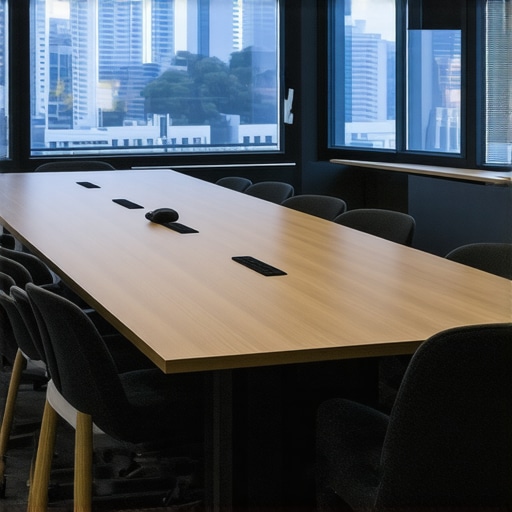
**Prompt for image**: A modern conference room setup with high-end equipment, screens displaying video calls, organized cables, and tidy workspace, emphasizing professional maintenance. Alt: Modern tech-equipped conference room for startups. Title: Maintaining Peak Meeting Room Performance.Stepping into a carefully curated startup conference room can be a game-changer—when you truly understand its potential. Over the years, I’ve learned that the real power lies beneath the surface of what most entrepreneurs see. The key is recognizing that every detail, from acoustics to lighting, contributes to your startup’s professional image and growth trajectory. Embracing these hidden aspects has allowed me to elevate my team’s efficiency and impress investors, emphasizing the importance of strategic space utilization. Implementing minor adjustments, like soundproofing or personalized branding, creates an environment that fosters innovation and confidence, turning ordinary conference rooms into catalysts for success.