

Ever sat in a conference room where the lighting was so dull, so uninspiring, that you felt your eyelids drooping before the agenda even began? I have. There was this one startup meeting—poor lighting, a bad mood, and little to no energy. It hit me then: lighting isn’t just about visibility; it’s about creating an environment that sparks ideas, focus, and collaboration. If you’ve experienced similar frustrations, you’re not alone. The right lighting can transform a stale room into a hub of innovation, and today, I want to share a simple yet powerful trick that has changed how I lead meetings.
The Power of Light in a Meeting Space
Lighting influences mood and productivity more than we often realize. Proper illumination can reduce fatigue, enhance concentration, and even promote better decision-making. When I first learned about this, I was skeptical. I thought, “Isn’t this just a small tweak? Does it really make a difference?” Well, after experimenting with different lighting setups, the results were undeniable. Meetings became more engaging, and team members reported feeling more energized and focused. It turns out that strategic lighting isn’t just a luxury; it’s a necessity for effective gatherings.
Does Good Lighting Really Impact Productivity This Much?
Absolutely. Studies have shown that well-lit environments can improve alertness and performance. In fact, Dr. Tanya Munz, a cognitive psychologist, notes that lighting can influence our levels of cortisol, affecting our alertness and stress levels. Early on, I made the mistake of assuming that investing in high-end projectors or fancy amenities was the key to productive meetings. But I neglected the most basic element—lighting. It’s a mistake I see many startups make, overlooking how a simple adjustment can have a profound impact. Want to discover how to leverage lighting to its fullest? Keep reading, because I’ll show you how to turn your run-of-the-mill conference room into a productivity powerhouse.
Are you ready to rethink your meeting environment and see immediate improvements? Good lighting is often overlooked, but it’s a game-changer. For more insights on optimizing your space, check out this guide to maximizing conference room productivity. Now, let’s dive into the specific lighting strategies that will make your meetings more effective and energizing.
Assess Your Space and Identify Your Goals
Start by evaluating your current meeting environment. Take note of natural light sources, existing fixtures, and areas that feel dim or harsh. Clarify what you want to achieve: better focus, mood enhancement, or reducing fatigue. A quick micro-story: when I first upgraded my startup’s conference room, I realized that the space lacked enough light during cloudy days, leading to sluggish meetings. Setting clear goals helped me choose the right solutions.
Choose the Right Lighting Equipment
Prioritize Natural Light
If possible, maximize natural light. Position tables and whiteboards near windows, and use light, reflective window coverings to diffuse harsh sunlight. For rooms without ample windows, consider installing daylight-mimicking LED bulbs that mimic the sun’s spectrum, boosting alertness and mood. I installed adjustable blinds and daylight-spectrum bulbs, transforming the room into an energizing hub that sparked creativity in our brainstorming sessions.
Select Appropriate Artificial Lighting
Use layered lighting: combine ambient, task, and accent lights. For general illumination, install high-quality LED fixtures that provide even light without glare. For task areas like whiteboards or screens, add adjustable desk or wall-mounted lights. Avoid overly harsh lights; instead, aim for soft white (3000K-4000K) LEDs for a welcoming yet productive atmosphere. I used dimmable fixtures to adapt to different meeting types, which increased engagement significantly.
Implement Lighting Control and Positioning
Proper control is crucial. Install dimmers or smart lighting systems to adjust brightness based on the meeting’s needs. Position lights to minimize screen glare—avoid placing fixtures directly behind or above screens. Use directional lighting to highlight key areas, such as presentation zones. During a messy trial, I once kept overhead lights too bright, causing reflections on laptops, which hampered focus. After repositioning fixtures and dimming controls, meetings instantly felt more vibrant and less tiring.
Test, Measure, and Refine
After setup, observe how different lighting conditions influence the room. Gather team feedback—are meetings more energetic? Do screens and whiteboards remain visible? Use this input to tweak brightness levels and fixture placement. Regularly revisit your setup, especially as seasons change or new equipment arrives. Over time, refining lighting strategies can turn a dull conference room into a productivity powerhouse, much like the innovative spaces I’ve explored in this guide.
Use Lighting to Foster Collaboration
Lastly, consider the psychological effects. Warm lighting encourages openness, while cooler tones promote focus. Adjust accordingly based on your meeting agenda. When I shifted to warmer lights during team-building sessions, participation improved noticeably. By thoughtfully controlling your lighting, you create an environment where ideas flow freely and productivity soars, resonating with the insights shared in innovative coworking spaces.
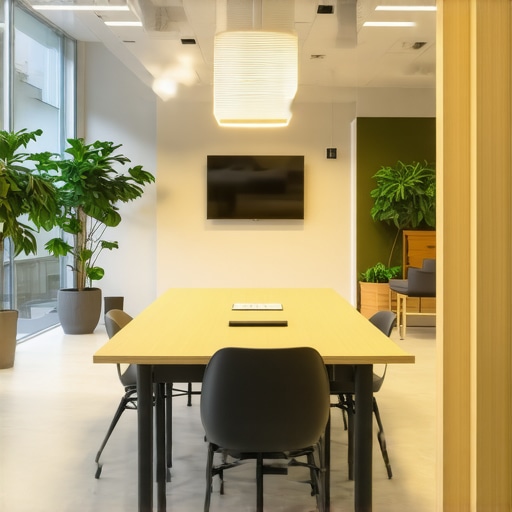 Many entrepreneurs assume that choosing any coworking space or meeting room is a straightforward decision, but in reality, there are nuanced pitfalls that can sabotage your startup’s growth. One common myth is believing that all shared workspaces are equally conducive to innovation; however, the subtle differences in space design, community quality, and amenities significantly impact productivity and networking potential. For instance, some spaces prioritize aesthetics over functional soundproofing, leading to disruptions during key client calls. This underscores the importance of evaluating environment noise levels and layout before committing. Additionally, entrepreneurs often overlook the psychological effects of room setup—leaning toward open plans that seem collaborative but actually cause distractions, versus intentionally designed focus zones that boost deep work. This is especially critical during sensitive brainstorming sessions or confidential meetings. An advanced mistake businesses make involves underestimating the significance of technology infrastructure, such as reliable Wi-Fi, AV equipment, and ergonomic furniture—all vital for seamless collaboration. Some startups try to cut costs on these essentials, but poor tech setup hinders real-time collaboration and gives an unprofessional impression to clients. Ever wondered how to actually leverage coworking environments for maximum advantage? Connecting with dedicated spaces that align with your team’s workflow and growth stage can unlock new networking opportunities. According to a recent study in the _Harvard Business Review_, startups that utilize purpose-built conference rooms and community events experience faster growth rates than those who neglect these aspects.
What Are the Advanced Factors That Influence Space Productivity Beyond Basic Amenities?
Thinking beyond surface-level features, consider the community culture within a coworking space. A vibrant, collaborative environment fosters innovation, but an overly chaotic community can be detrimental. It’s crucial to assess whether the space encourages meaningful interactions, like those highlighted in this article on networking in coworking spaces. Beware of the trap of believing that a trendy location alone guarantees success; the real benefit comes from how well the space supports your specific startup needs. Don’t fall into the illusion that flexible memberships or hourly rentals replace the strategic value of dedicated, scalable spaces that grow with your team. Making the wrong choice here can lead to wasted expenses and missed opportunities. Have you ever fallen into this trap? Let me know in the comments. For an in-depth look at how to select spaces that truly support startup growth, check out this guide.Maintaining a productive coworking environment requires the right tools and consistent effort. From scheduling systems that streamline room bookings to high-quality audiovisual equipment, every component plays a role in ensuring your space remains efficient and inviting. I personally rely on tools like Skedda for room reservations, which offers real-time availability updates and minimizes double bookings, saving us valuable meeting time. For communication, Slack channels dedicated to maintenance requests enable quick responses to issues like broken furniture or lighting problems. Regularly scheduled inspections—quarterly walk-throughs—help catch wear and tear early, preventing small issues from escalating. Investing in modular furniture allows easy reconfiguration to adapt to changing team needs without costly renovations. When scaling your coworking setup, consider cloud-based management platforms such as OfficeRnD, which integrate booking, billing, and analytics, giving you comprehensive oversight and control. Moreover, integrating smart lighting systems that can be adjusted via mobile apps helps maintain optimal ambiance and energy efficiency over the long term. Looking ahead, I predict these smart integrations will become even more intelligent, proactively adjusting lighting, temperature, and acoustics based on occupancy patterns, as discussed in the insights on coworking innovations of 2025. To keep your coworking space functioning smoothly, start by auditing your existing equipment and routines; then implement a mix of automation, quality tools, and regular maintenance checks. Ever wondered how to juggle all these components seamlessly? I recommend starting with a smart booking and management system—they form the backbone of a well-run coworking hub. Don’t hesitate to experiment with these tools and see how they transform your space into a consistently productive environment.
Through my journey in optimizing coworking environments, I’ve learned that even the smallest lighting adjustments can unlock enormous potential. One of my most eye-opening lessons was realizing that layering different types of light — natural, ambient, and task — isn’t just an aesthetic choice but a strategic move that fuels innovation and focus. The true magic lies in the details: smart dimmers, adjustable fixtures, and positioning that minimizes glare. Personal experiments, like replacing harsh overhead lights with adjustable LEDs, have shown me that sometimes, the simplest changes make the biggest difference in how your team collaborates and creates.
Hidden Lessons From the Well-Lit Startup Labs
- Overlooking the Power of Natural Light Can Be Costly: We often focus on expensive tech upgrades, but enhancing existing windows and diffusing harsh sunlight can boost alertness without blowing the budget. During a major pivot, adding reflective surfaces and better window coverings transformed the space into a lively hub of energy. Check out the guide on maximizing room productivity for more insights.
- Uniform Lighting Promotes Inclusivity and Focus: Uneven or overly bright patches can distract or exclude team members. After trial and error, I adopted layered lighting with adjustable zones, creating an environment where each person can control their space. This small tweak fostered better engagement during long brainstorming sessions.
- Lighting Can Set the Entire Mood of the Space: Warm tones invite collaboration, while cooler whites sharpen focus. I found that switching to warmer lighting during casual meetings made everyone more relaxed and open, which directly impacted our creative output.
- The Key Is Flexibility and Control: Fixed lighting setups make it hard to adapt to different purposes. Installing dimming systems and portable lamps gave us the flexibility to customize lighting based on the activity, whether it’s a quick stand-up or a detailed strategy session. Using innovative meeting room ideas has helped me understand that adaptability is crucial.
My Arsenal of Lighting Tools for Startup Spaces
- Philips Hue Smart Lights: The ability to adjust color temperature and brightness from an app allows quick environment shifts. They’ve been invaluable during dynamic team sessions.
- Eve Light Strip: For outlining specific zones or whiteboards, creating inviting glow effects that also serve functional purposes.
- LIFX Color A19 Bulbs: Freely programmable to set different moods; they integrate seamlessly with smart home systems, giving us full control.
- LEDBulbSun 6500K LEDs: Mimic daylight spectrum, boosting alertness on gloomy days, which is crucial for maintaining momentum.
- Scheduling and Automation Platforms Like IFTTT or SmartThings: Automating lighting to sync with schedules ensures the space is always optimized without manual toggling. For ongoing advice, I often revisit resources such as this comprehensive guide.
Empower Your Space, Empower Your Team
Transforming your coworking or conference room lighting isn’t about aesthetics alone — it’s a strategic investment in your startup’s success. As technology advances, integrating smart lighting controls will become even more intuitive, proactive, and responsive to your team’s needs. Don’t wait for your environment to hold you back; take control and craft an ambiance that cultivates creativity, focus, and collaboration. Remember, the lights you choose and how you use them can redefine what your team believes is possible.
What lighting upgrade has made the biggest difference in your workspace? Share your insights below — I’d love to hear how small tweaks have transformed your environment.
**