
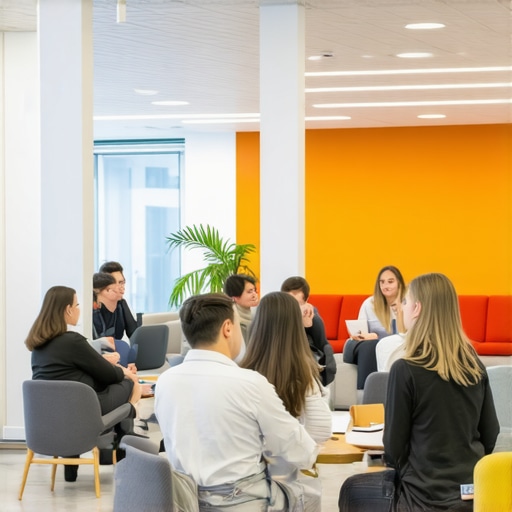
I vividly remember the time I nearly lost a potential client simply because I chose a noisy, crowded corner of a coworking space for our call. The background chatter, footsteps, and clattering coffee cups turned our conversation into a frustrating game of shout and listen. That moment was a lightbulb for me: the setting of your sales call can make or break your success. And surprisingly, the best spot is often not what you’d expect—it’s the common areas.
The Problem with Conference Rooms and Why I Started Looking Elsewhere
Traditional meeting rooms are seen as the go-to for professional calls, right? But in my experience, they can feel sterile and intimidating. Plus, they’re often booked up or in various states of setup, causing delays and added stress. Moreover, they can sometimes evoke a sense of formality that stifles genuine conversation. I realized I was missing opportunities to connect authentically because I was stuck in these fixed spaces. That’s when I started testing the zones of the coworking spaces — the open, lively common areas.
Boosting sales isn’t just about having a polished pitch; it’s about creating an environment conducive to trust and engagement. Common areas, once overlooked, turned out to be a game-changer. They’re naturally conversational, relaxed, and sometimes even buzzing with energy — perfect for making a real connection. According to a study by Deskmag, informal settings can increase trust and rapport, which are crucial for closing deals.
Are you still fighting for minutes in a locked conference room? Or are you ready to explore how the vibrant energy of your coworking space’s common areas can work for you?
Is Your Skepticism About Casual Spaces Valid?
I used to think that casual areas would undermine my professionalism. I feared that the noise and clutter would distract my clients or prospects. My early mistake was assuming that a quiet, traditional office environment was always better — only to realize I was missing the chance to showcase a dynamic, innovative side of my business. Don’t make that same mistake. Instead, check out how creative coworking environments are transforming the way startups approach sales calls and meetings (read more here). This shift has helped me foster more genuine conversations, reduce stress, and often land deals faster.
So, if you’ve ever hesitated to stray from the traditional meeting room habit, this post will show you how to leverage common areas for your advantage — turning the everyday into an opportunity for authentic connection. Up next, I’ll share specific strategies to make your casual calls as effective, if not more so, than formal meetings.
Pick the Right Spot—Avoid the Conference Room Trap
Think of your meeting location as the foundation of a house. A shaky foundation—like a sterile, echoing conference room—can undermine your entire effort. Instead, seek out vibrant, accessible common areas within coworking spaces. Once I chose a cozy lounge corner during a recent client call—initially messy with chairs misaligned—I quickly realized that a slightly informal setup encouraged openness. To do this effectively, identify spaces that are quiet enough for your call but still lively enough to foster engagement. Check online or visit in person to find areas with natural light and minimal noise, like the best conference room tips—but apply them to open areas. Making the right choice is crucial for small startup negotiations that thrive on authenticity and trust.Many entrepreneurs and startup founders believe that reserving a traditional conference room is the secret to professional meetings. However, this conventional wisdom overlooks nuanced pitfalls that can undermine your credibility and efficiency. For example, relying solely on formal, soundproof spaces may seem advantageous, but in reality, they often stifle authentic connection and adaptability. According to a study published in the Harvard Business Review, informal and flexible meeting environments foster greater creativity and trust among team members and clients.
A common misconception is that bigger, enclosed spaces imply higher professionalism. Yet, these rooms can also evoke feelings of hierarchy and rigidity, which counteract the collaborative spirit crucial for startups. Additionally, many underestimate the risks of overlooking the natural acoustics and lighting of chosen spaces, leading to poorly executed calls and diminished engagement. Instead, understanding the subtle dynamics of coworking common areas can unlock new levels of authenticity and spontaneity beneficial for startup growth. Explore how the future of conference spaces embraces flexibility and innovation.
A critical mistake often made is neglecting the importance of environment scaling. Multiple startups assume a one-size-fits-all approach, ignoring the adaptability of open spaces as they evolve. For instance, during early stages, a cozy corner in a coworking space might encourage open dialogue without the intimidating atmosphere of a formal conference room. But as the team grows, spaces must accommodate diverse activities—from brainstorming sessions to investor pitches—requiring a strategic reassessment.
Are you aware of how certain advanced nuances can elevate your meetings? For example, integrating technology and spatial design tailored to your startup’s unique workflow can significantly boost productivity. Think about investing in innovative meeting rooms that adapt as your team scales.
Finally, the ‘oops’ factor involves a tendency to follow industry norms without critical evaluation. Many startups fall into the trap of renting large, expensive conference rooms for every meeting, neglecting the subtle benefits of informal, co-created spaces. This approach can lead to wasted resources and missed opportunities for genuine interactions. Instead, embrace the potential of coworking environments as versatile hubs that mirror the agile mindset of startups. This strategic choice not only saves costs but also fosters a culture of openness and innovation.
In sum, the most overlooked aspect is that the environment directly influences your startup’s success—not just in closing deals but in building a resilient, adaptable team. Are you guilty of overlooking these nuances? Let me know in the comments! For personalized advice on selecting optimal spaces, visit our contact page.Managing a startup’s meeting spaces and ensuring smooth operations requires the right tools and practices. Personally, I swear by **Robin** for booking conference rooms—its real-time availability and seamless integrations save me hours weekly. I use **Otter.ai** for transcribing calls; it helps my team stay aligned without sifting through lengthy voice recordings. For project collaboration, **Notion** remains my go-to platform to track agendas, action items, and follow-ups, ensuring nothing slips through the cracks.
A game-changer in long-term maintenance is establishing a routine audit process. I review space usage weekly, analyzing which areas are underutilized using occupancy data—think of it as regular checkups for your workspace. This practice prevents space clutter and keeps the environment aligned with evolving team needs.
When scaling, early investment in smart tools pays off. For example, integrating **yliv**’s AI-powered space management system helps predict booking trends, optimizing resource allocation proactively—a tip I learned from industry leaders in an article on [coworking space innovation](https://coworkingcentral.com/coworking-spaces-unlock-innovation-top-meeting-rooms-of-2025-at-1123-am). Implementing such predictive tools minimizes disruptions and enhances team productivity.
**How do I maintain my workspace setup over time?** Consistent review and adaptation are key. Schedule quarterly assessments of your meeting environments—not just physically but digitally. Keep your software updated, check for new features like automated scheduling, and gather team feedback to refine your toolkit. This iterative approach ensures your operations stay aligned with your growth.
Looking ahead, the future points towards more AI-driven workspace analytics, simplifying space optimization and freeing your team to focus on core tasks. Consider exploring innovative tools like **Yliv** to stay ahead—these systems not only streamline logistics but also provide actionable insights that fuel strategic decisions. Start by integrating one recommended software today, and watch your operational efficiency improve. Want personalized recommendations? Reach out through [our contact page](https://coworkingcentral.com/contact-us).
One of the most valuable lessons I’ve learned is that the environment where you conduct your meetings can dramatically influence your startup’s trajectory. The secret isn’t just in the words you say but in the spaces you choose to foster genuine connections. I’ve realized that embracing the lively, informal atmosphere of coworking spaces’ common areas can propel trust and collaboration in ways traditional conference rooms often can’t. If you haven’t experimented with these settings yet, you’re missing out on authentic engagement opportunities that can accelerate your growth.
Another profound insight is that the perception of professionalism is fluid. Early on, I thought formal, enclosed conference rooms were the only way to impress investors or clients. But over time, I saw how dynamic, open spaces—when used thoughtfully—communicate adaptability and innovation. It’s about aligning your environment with your startup’s culture. This shift not only saves costs but also embeds your brand’s personality into every interaction, making every meeting a chance to showcase your startup’s unique identity.
Lastly, I’ve learned that technology and space management tools are game-changers. From real-time booking apps like software that simplifies space management to AI-powered predictive systems such as tools that anticipate your needs, leveraging these innovations keeps your operations lean and agile. Embracing them means your team can focus on what truly matters: building and scaling your startup, rather than being bogged down by logistical hurdles.