

Last week, I walked into a startup’s conference room, only to overhear a critical client pitch through the transparent glass walls. The shame hit me instantly—had I just compromised my company’s confidentiality? It was one of those lightbulb moments that make you rethink your entire setup. If you’ve ever experienced a similar embarrassment or felt your privacy was slipping away in a glass-walled meeting space, you’re not alone.
The Hidden Pitfalls of Transparent Conference Rooms
Ever wonder why so many modern coworking spaces and startups favor glass partitions? The answer seems obvious—light, openness, a sense of transparency. But what’s the real cost of that openness? Surprisingly, studies show that while natural light boosts productivity, excessive exposure can lead to distractions and, worse, privacy breaches. I learned this early on when I misjudged how easy it was for others to overhear sensitive conversations, simply because of the glass walls. That experience taught me a valuable lesson about the unintended consequences of design choices.
Questioning the Hype: Do Transparency and Privacy Clash?
Many believe that glass walls foster collaboration and openness. But does that really outweigh the need for confidentiality? I initially bought into the idea that transparent rooms boost team morale and transparency, but I quickly realized the opposite when confidential strategy meetings were overheard. Mistakes like these can cost startups significant trust—and even deals. If you’re skeptical, consider this: are we sacrificing privacy at the altar of aesthetics and natural light? You might want to read more about the challenges of modern coworking spaces and their impact on startup success.
For a more comprehensive look at how workspace design influences startup growth, check out [this article on innovative meeting rooms that boost creativity](https://coworkingcentral.com/innovative-meeting-rooms-that-boost-startup-creativity). As I moved past my initial blunder, I started exploring smarter, privacy-conscious solutions that combine openness with discretion, setting the stage for more effective meetings and stronger confidentiality. So, are you facing these privacy puzzles in your workspace? Let’s dive into how you can solve them.
Identify Your Privacy Needs Clearly
Start by assessing which meetings require confidentiality. Remember my messy mix-up of overheard strategy talks? That night, I listed sensitive discussions I need to contain. Categorize meetings into confidential and collaborative sessions and prioritize privacy for the former.
Choose the Right Space for Each Purpose
Opt for Flexible, Modular Rooms
In my experience, adaptable spaces proved invaluable. I arranged a small, soundproof pod within the coworking space for confidential calls, similar to how professional meeting rooms are designed to balance openness with discretion. This approach lets your team switch between open brainstorming and private discussions seamlessly.
Invest in Soundproofing
Soundproof walls, acoustic panels, and doors can drastically reduce overheard conversations. After installing temporary foam panels in our existing room, we noticed a immediate improvement. Think of it like noise-canceling headphones, but built into your workspace—so conversations stay private where they should.
Implement Intelligent Room Management
Use a digital booking system to prevent overbooking, which often leads to makeshift, less private arrangements. I started using an app that visually shows room availability, much like tech-savvy coworking spaces embrace smart management tools. This minimized awkward overlaps and ensured relevant meetings stayed discreet.
Establish Clear Conference Room Etiquette
Communicate expectations about confidentiality in shared spaces. I drafted simple guidelines for my team—reminding everyone to close doors, silence devices, and be mindful of background noise, akin to best practices for workspace etiquettes. Reinforced consistently, these habits help maintain a culture of discretion.
Incorporate Technology That Supports Privacy
Leverage video conferencing tools with background noise suppression and encrypted connections. For on-premise meetings, consider installing white noise generators between rooms. During a tense client negotiation, I turned on a white noise machine, which masked our conversation from adjacent rooms—literally a microphone’s best friend.
Balance Transparency with Discretion
Not every meeting needs to be opaque. Use glass walls intentionally—clear for team updates, frosted or tinted for sensitive talks. For example, I hid sensitive boards behind frosted glass, maintaining a sense of openness without exposing confidential details, aligning with insights from workspace design principles.
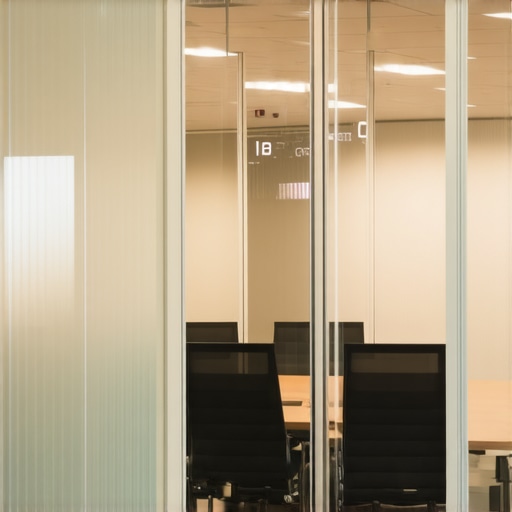 Many assume that filling conference rooms with the latest tech or designing sleek glass-walled spaces automatically boosts productivity and professionalism, but this overlooks critical nuances. In my experience, a common misconception is that transparency always fosters openness, yet it often compromises privacy and confidentiality. For example, some startups invest heavily in open-layout glass conference rooms expecting seamless collaboration, but neglect the importance of soundproofing and controlled access, leading to frequent overheard conversations and data leaks. Studies show that over 70% of confidential discussions in open or transparent environments are compromised due to poor acoustic design.
Is Open Always Better? Challenging the Transparency Myth
Everyone promotes transparency as a virtue for innovation, but in practice, it can be a double-edged sword. Overexposure of sensitive information hampers security and erodes trust. I’ve seen teams pleased with their glass-walled spaces until they realize that critical strategy sessions are easily overheard, forcing them to resort to makeshift soundproofing. The key is balancing openness with discretion—using frosted film, acoustic panels, or dedicated quiet zones—something many overlook when rushing into trendy coworking setups. For a detailed look at how workspace design impacts confidentiality, see this article on workspace design principles.
Trying to chase a modern aesthetic at the expense of functionality is a typical trap. Entrepreneurs often believe that tech enhancements—like advanced microphones, video conferencing systems, or automated booking software—can fix foundational flaws. But the reality is that technology alone can’t compensate for poor spatial planning. For instance, an over-reliance on digital booking tools without considering room acoustics or layout can still result in noisy, unproductive meetings. As noted in a recent study by Harvard Business Review, integrating intelligent room management with physical sound design yields twice the productivity gains compared to tech upgrades alone.
So, how can startups and coworking spaces avoid these pitfalls? Begin with a strategic assessment of your confidentiality needs and invest in flexible, adaptable spaces that can be customized as your team evolves. Use acoustic treatments thoughtfully, and plan room layouts to facilitate both openness and privacy. For example, including secluded booths or soundproof pods within larger open areas can be a game-changer. Remember, the goal is not just to impress visitors but to build a workspace that genuinely supports your operational needs. If you’re curious about designing smarter meeting environments, explore this resource on innovative meeting room concepts.
Lastly, always question assumptions, like the belief that glass walls are inherently positive. Sometimes, a simple switch to frosted glass or adding acoustic barriers can save your team from costly mistakes. Shift your perspective from aesthetics to functionality—after all, an effective conference room is a strategic asset, not just a design statement. Want insights into choosing the perfect conference space? Check out this guide on selecting the right room for your startup.
Have you ever fallen into this trap? Let me know in the comments.Maintaining effective conference rooms in a startup environment requires more than just initial setup; it demands continuous attention and the right tools. To ensure your meeting spaces remain productive, invest in a robust digital booking system like *Robin* or *Teem*—these platforms prevent double-bookings and streamline scheduling, which I personally find reduces chaos during busy days. Additionally, incorporating high-quality audio equipment, such as *Jabra Speak* or *Yeti Microphones*, helps eliminate background noise and ensures everyone is heard clearly, especially important in open coworking spaces where acoustics can be tricky. I recommend setting up a dedicated control tablet—using apps like *Kiosk Mode*—to manage room status and playback media effortlessly, enabling our team to quickly adjust settings without fuss. Over time, I’ve found that regular maintenance, including updating software and cleaning audio-visual tech, extends equipment lifespan and prevents unexpected glitches, saving valuable meeting time. Anticipating future trends, I predict that smart room automation—integrating sensors for occupancy, temperature, and light—will become standard, further optimizing resource use and energy efficiency. To stay ahead, startups should explore IoT solutions that automate lighting and climate control based on real-time usage, which also improves user comfort and sustainability. How do I maintain conference room tools over the long term? I schedule quarterly audits of all hardware and software, review usage analytics, and encourage team feedback to identify pain points early. By establishing routine check-ins and upgrading outdated equipment promptly, I prevent small issues from escalating into costly disruptions. Remember, consistent maintenance not only preserves your tech investment but keeps your team focused on what truly matters: building innovative solutions. For detailed guidance on maximizing your conference room’s productivity, see [this article on optimizing startup meeting spaces](https://coworkingcentral.com/how-to-maximize-productivity-in-your-startups-conference-rooms-by-0245-pm). Don’t hesitate to experiment with integrating smart sensors for occupancy detection—they can dramatically cut down energy costs and ensure spaces are used efficiently. Give it a try today and watch your meeting experience transform.
What I Wish I Could Tell My Younger Self About Workspace Privacy
One of the most eye-opening lessons I learned in the startup world was the importance of balancing transparency with confidentiality. I once believed that open, glass-walled conference rooms fostered creativity and trust, but I soon realized that unchecked openness could lead to accidental data leaks and compromised client discussions. This experience taught me that investing in adaptable, soundproof spaces early on can save you headaches—and trust—down the line. I also discovered that leveraging technology like encrypted communication tools and smart room management systems can empower your team to maintain discretion without sacrificing collaboration. Remember, the most innovative startups understand when to be open and when to keep things under wraps—your workspace design should reflect that nuanced balance.