

I remember the moment vividly. We had just moved into a cozy basement office, thinking that remote work was the future—the cost savings, the flexibility, the modern vibe. But within a few weeks, our team’s energy flagged. Ideas felt stifled, and coffee break conversations, the spontaneous sparks of innovation, started to disappear. I realized we were missing more than just a dedicated workspace; we were missing the tangible glue that holds a startup’s culture together.
The Missing Piece in Startup Growth
Despite all the hype around digital nomads and remote-first companies, there’s a compelling reason why physical offices continue to play a crucial role in seed-stage growth. It’s about **culture, collaboration, and serendipity**—elements that are hard to replicate through screens alone. When I initially dismissed the importance of a shared physical space, I fell into common traps, like over-relying on technology to substitute for face-to-face interactions, which often led to miscommunications and a diluted team spirit.
Interestingly, a study by Harvard Business Review highlights that in-person teams are 34% more likely to resolve issues faster and innovate more effectively. That’s not just anecdotal; it’s backed by evidence. The key takeaway? Physical presence fosters **trust** and **quickly overcomes the friction** that remote setups sometimes introduce.
But I get it—many founders worry about costs, logistics, or whether their team truly benefits enough to justify the investment. That’s what I want to explore today. We’ll look at why that traditional conference room—often dismissed as boring or unnecessary—can be a strategic asset if used thoughtfully. I’ll share the lessons I learned, including the mistakes I made early on, and how embracing the right kind of physical space can unlock your startup’s potential.
And if you’ve ever hesitated as I did, wondering if the hassle is worth it—trust me, you’re not alone. Let’s dive into what makes physical offices, especially dedicated conference and meeting rooms, an indispensable part of your startup toolkit.
Is Putting Money into an Office Actually Worth the Hype?
Honestly, I’ve faced this question more times than I can count. Early on, I thought cutting costs meant avoiding dedicated spaces altogether. But I soon realized that the **small investment in quality meeting rooms or coworking spaces** can pay massive dividends. These spaces aren’t just about having a roof; they’re about creating an environment conducive to **collision, collaboration, and culture-building**.
One mistake I continually see early founders make is underestimating the importance of the environment where creative ideas happen. A poorly designed room or an awkward seating arrangement can dissuade open dialogue and dampen enthusiasm. Instead, consider locations that are adaptable, inspiring, and equipped with the right tools—like those featured in innovative meeting rooms that boost startup creativity. Investing in such spaces is an investment in your company’s future.
So, have you faced the challenge of balancing costs with the undeniable benefits of a physical presence? If so, know that you’re not alone, and the next steps can help you harness the true power of well-chosen meeting environments. Ready to explore how to make your office a magnet for innovation? Let’s get started.
Choose Your Space Wisely
Start by identifying the purpose of each meeting. Reserve your most inspiring and equipped rooms for strategic sessions or client pitches. For regular team huddles, a smaller, cozy space fosters intimacy and open dialogue. When I first allocated our largest conference room for daily standups, I noticed a drop in participation. Later, switching to a more casual, well-lit room increased engagement significantly. Remember, the environment sets the tone, so select spaces that match your meeting goals. Learn how to choose the perfect conference room.
Design for Collaboration
Use flexible furniture arrangements that promote face-to-face interaction. Avoid rows when brainstorming; opt for clusters or circular setups. We once converted a dull, fixed table into modular stations that allowed teams to remix layouts on the fly. That experiment led to more spontaneous exchanges, boosting our sprint planning sessions. Incorporate whiteboards or flip charts—digital or physical—to capture ideas instantaneously. Transform meeting rooms into collaboration hubs.
Leverage Technology Smartly
Invest in high-quality audio and video equipment to eliminate technical frustrations. Test your setup before each critical meeting. We faced repeated Wi-Fi dropouts during investor calls until we installed dedicated bandwidth and portable soundproof booths. These small tech upgrades drastically improved our professionalism and confidence. For remote participants, shared screens should be clear, and microphones must pick up voices crisply. Maximize productivity in your conference rooms.
Create an Atmosphere that Inspires
Lighting, acoustics, and decor influence mood. Bright, natural light energizes teams, while poor acoustics cause misunderstandings. I added sound-absorbing panels and adjustable lighting, which transformed our space into a lively yet focused environment. When done right, these elements motivate teams and impress visitors. Consider using warm tones and personal touches to make the space feel welcoming, not sterile. Whiteboard sessions boost startup culture.
Consistently Refine Your Approach
After each meeting, gather feedback. What worked or didn’t? Use surveys or informal chats to tweak your setup. In one instance, shifting our seating arrangement based on team input increased participation during brainstorming. Keep your spaces adaptable. The key is to treat your conference rooms as evolving tools that serve your growth, not static assets. Regularly update furnishings, tech, and layout to stay aligned with your team’s needs. Meet potential co-founders at local events.
Many entrepreneurs believe that investing heavily in state-of-the-art conference rooms guarantees innovation and team cohesion. However, in my experience, most misunderstand the nuanced role these spaces play in startup dynamics. A common myth is that larger, more expensive rooms automatically lead to better outcomes. In reality, the strategic placement and thoughtful design of meeting areas matter far more than their size or cost. Overfocusing on grandeur can lead to overlooked details that significantly impact productivity, such as acoustics, lighting, and furniture arrangement.
Are High-Tech Meeting Rooms Truly Game-Changers or Just Fancy Decor?
While cutting-edge technology is often touted as essential, studies suggest that tech alone doesn’t enhance meeting effectiveness. According to a study by McKinsey, only 24% of meetings are considered productive, highlighting that tools are supplementary rather than primary drivers of success. Relying solely on high-end gadgets can be a trap, diverting attention from fostering genuine engagement and collaborative culture. As I learned early on, the true value lies in customizing spaces to support specific team activities—be it quick standups or deep strategic discussions—rather than chasing the latest tech trends. Moreover, many startup founders underestimate the importance of privacy and acoustics, which are often neglected in even premium rooms. Poor soundproofing or distracting background noise can derail important pitches or sensitive negotiations. Avoid this mistake by prioritizing spaces that minimize disruptions, which can be achieved through simple but effective modifications, like adding sound-absorbing panels or choosing quieter locations. Additionally, there’s a misconception that coworking spaces lack the professionalism needed for serious meetings. On the contrary, as this article points out, innovative coworking environments are transforming into hubs of creativity, offering flexible yet fully equipped meeting rooms that project credibility. Remember, the goal isn’t just a fancy space but one that aligns with your startup’s culture and growth stage. Investing in adaptable, well-designed meeting areas can unlock spontaneous collaboration and reinforce your team’s identity. Don’t fall into the trap of equating splurge with success. Instead, focus on optimizing what you have or selecting spaces that serve your specific needs. This approach ensures that every meeting, whether quick check-in or critical investor pitch, drives tangible progress. Have you ever fallen into this trap? Let me know in the comments.Maintaining a smooth, productive meeting environment over time requires more than just good intentions; it demands reliable tools and a strategic approach. From high-quality audio equipment to intuitive scheduling software, each component plays a vital role in ensuring your meetings stay effective and your team remains engaged. Personally, I swear by the Shure MV7 microphone for its clarity and ease of use, which has significantly reduced misunderstandings during remote and hybrid meetings. Additionally, I always recommend using digital whiteboards like Miro, as they enable real-time collaboration that mimics physical brainstorming sessions, making remote participants feel just as involved. Regularly updating your hardware—such as replacing worn-out microphones or upgrading your conference room AV system—prevents technical disruptions that can derail important discussions. Predicting the future, I believe integrating AI-driven scheduling assistants, like x.ai, will become the norm to optimize meeting times and reduce no-shows. How do I maintain tools over time? I schedule quarterly audits to review equipment functionality and software integrations, ensuring everything remains aligned with evolving team needs.&htmlBody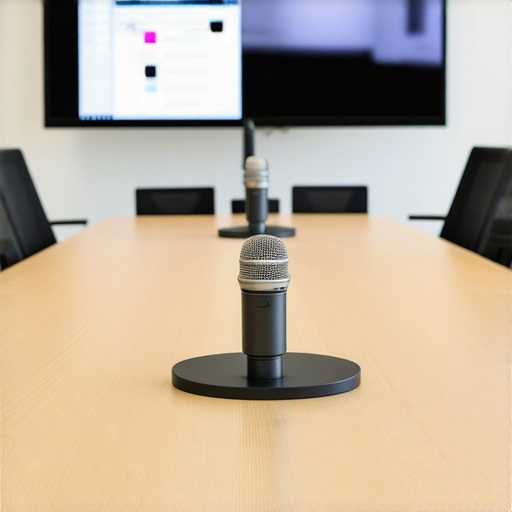 Reflecting on my journey, I’ve learned that even the most well-designed meeting space can fall short if overlooked aspects aren’t addressed. The real revelation? The strategic environment you craft in your conference rooms can either accelerate your startup’s growth or subtly hold it back. Investing time in customizing these spaces—focusing on acoustics, lighting, and flexible layouts—can transform routine meetings into catalysts for innovation. Remember, a well-thought-out room isn’t just a backdrop; it’s a silent partner that fosters trust, sparks collaboration, and signals your startup’s professionalism. Go beyond the gadgets and think about how every element, from furniture arrangement to ambiance, aligns with your team’s goals. That’s where genuine impact begins. As you refine your conference rooms, you’ll notice a palpable shift in team energy and output, proving that sometimes, the smallest adjustments make the biggest difference. Embrace this perspective, and watch your startup thrive by turning these spaces into fertile ground for breakthroughs.