
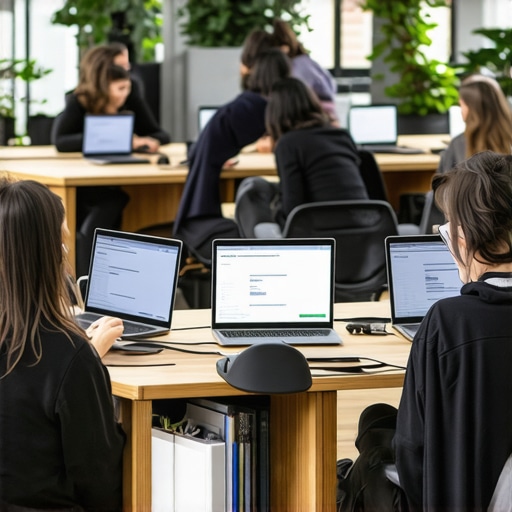
I remember walking into a bustling coworking space early in my startup journey, eager to make connections and grow my network. The energy was palpable, coffee flowed endlessly, and I was convinced that this vibrant environment would naturally lead to new partnerships and opportunities. But as days turned into weeks, I noticed something strange—despite the crowd and the buzz, genuine connections often felt elusive. Instead of collaboration, I found myself surrounded by acquaintances, not allies, and the networking buzz turned into background noise.
The Hidden Pitfalls of Coworking Spaces for Networking
Are We Overestimating The Power of Buzz?
It’s tempting to believe that a lively coworking environment automatically translates to better networking. However, my early mistake was assuming that volume equaled value. I overlooked the importance of intentional space design and community culture, which are crucial for fostering meaningful relationships. Studies show that without deliberate social structures, shared workspaces can actually hinder authentic networking, as people feel overwhelmed or distracted by the constant hustle. Want to avoid this trap? Let’s explore what really makes a coworking environment conducive to true connection.
Set Clear Intentions for Your Interactions
Start by approaching each day with a purpose beyond just occupying space. For example, I once committed to having three meaningful conversations every morning. During one session, I intentionally moved away from my desk and approached a fellow founder who seemed open. I introduced myself and shared a quick elevator pitch—this small step led to a potential partnership. Be deliberate: identify your goals for each interaction, whether it’s finding a collaborator or getting feedback, and communicate them openly.
Design Space for Engagement and Privacy
Create Zones That Invite Conversation
Think of your coworking environment like a coffee shop versus a library. Coffee shops encourage casual chats; quiet zones suppress them. Strategically arrange furniture to foster interaction—like dedicated lounge areas or standing tables named for their purpose. Allocate private corners for sensitive discussions. When I wanted to host a quick pitch practice, I used a dedicated meeting nook, ensuring confidentiality and focus. Innovative meeting rooms are key to this setup.
Leverage High-Impact Meeting Rooms
Choose meeting spaces that not only impress but also stimulate creativity. For instance, I once booked a room featuring writable walls and adjustable lighting, turning a routine meeting into a brainstorming session. Use these rooms thoughtfully to encourage spontaneous collaboration or critical discussions. Remember, the environment shapes the conversation.
Adopt Precise Meeting Strategies
Introduce structured agendas and specific time frames to keep meetings productive. I implemented a 30-minute rule, which kept us focused and prevented drift. During a startup pitch, I prepared a clear outline and shared it beforehand. This approach maximized our time and improved engagement. Also, consider using visual aids—like large screens or whiteboards—to facilitate understanding. Proper tech setup minimizes disruptions.
Build Rituals for Connection
Establish routines that encourage informal bonding, such as daily stand-ups or weekly lunch talks. Once, I hosted a casual coffee hour every Friday, opening space for spontaneous discussions that often turned into project collaborations. These rituals humanize the workspace and help break down silos. Be flexible: adapt these routines to fit your team’s rhythm, making sure they foster authentic relationships rather than mere check-ins.
Harness the Power of Community Events
Organize or participate in niche industry events within your coworking space—like hackathons, panels, or startup showcases. Such events position your space as a hub of innovation and attract like-minded individuals. I co-hosted a demo day, inviting local investors, which not only secured funding but also strengthened community ties. Use these gatherings strategically to increase visibility and forge meaningful partnerships.
Encourage Genuine Engagement Over Surface-Level Interactions
Finally, shift your mindset from passive presence to active relationship-building. Invite colleagues for coffee, offer to review each other’s pitches, or simply ask about their projects. Authentic connections are the backbone of a thriving startup community. Remember, the goal isn’t just to fill the space but to turn it into a fertile ground for collaboration and growth.
Many entrepreneurs believe that merely leasing a coworking space guarantees organic networking and innovation. But the truth is, most startups fall into a common trap by overestimating the value of physical proximity without implementing strategic behaviors. This oversight often leads to underwhelming collaboration, despite the buzz surrounding shared environments.
Are We Overlooking the Power of Intentional Design in Meeting Rooms?
It’s a widespread belief that any meeting room will suffice for startup needs. However, advanced founders understand that innovative meeting spaces are vital in sparking creativity and fostering meaningful discussions. A poorly designed room can inadvertently hinder communication, leading to missed opportunities and unproductive sessions. Recognizing this nuance is crucial for those serious about leveraging physical spaces for strategic advantage. Studies indicate that the environment significantly impacts cognitive performance and collaboration quality, underscoring the importance of purposeful space design.
Why Does Your Business Address Matter More Than You Think?
Many startups assume that a prestigious address is a mere marketing tool. In reality, it influences investor perceptions, partner trust, and even customer confidence. The professional environment you cultivate can make or break crucial relationships. Don’t make the mistake of undervaluing it; your chosen location communicates your startup’s credibility and ambition. Expert advice suggests that strategic location choices can accelerate growth and open doors previously thought inaccessible.
Furthermore, understanding the subtleties of conference room selection can be a game-changer. Selecting a space with the right size, technology, and atmosphere ensures your meetings reinforce professionalism and foster collaboration. Remember, every detail, from lighting to acoustics, plays a part in setting the tone for your startup’s success.
In conclusion, debunking these myths requires a nuanced perspective that goes beyond the surface. Strategic design, location choice, and understanding environmental impact are often the differentiators that turn a simple coworking space into an engine for growth. Have you ever fallen into this trap? Let me know in the comments.
Maintain Your Environment for Long-Term Success
To ensure your coworking space continues to foster productivity and collaboration, investing in the right tools is paramount. I personally rely on a combination of project management software like Asana and Trello to track tasks and deadlines. These platforms help keep team members aligned and accountable, especially in hybrid setups where remote and in-person work intersects. Regular maintenance sessions, either weekly or bi-weekly, involving space checks and equipment updates, prevent minor issues from becoming major disruptions. Remember, a clean, organized environment is directly linked to enhanced focus and morale.
Equip Yourself for Seamless Collaboration
High-quality audio-visual equipment can make or break meetings. I recommend investing in a reliable wireless microphone system like Shure’s MV88+ for clarity during presentations and discussions. For visual aids, a 4K portable projector paired with a smart device enables quick setup for impromptu workshops. Don’t overlook the importance of having a consistent tech support plan—being prepared for software glitches can save precious meeting time. For instance, a dedicated troubleshooting app or service like tech support contacts help maintain momentum during critical discussions.
Focus on Long-Term Results and Scalability
Scaling a coworking environment isn’t just about adding more desks; it’s about evolving your tools and workflows. Cloud-based platforms such as Google Workspace or Microsoft 365 facilitate seamless document sharing and real-time collaboration across teams, regardless of location. As your startup grows, consider implementing a membership model that adapts to your needs, ensuring flexibility without sacrificing quality. Invest in analytics tools to monitor space utilization and member engagement, enabling data-driven decisions about future expansions.
How Do I Keep My Coworking Setup Effective Over Time?
Consistency is key. Regularly reviewing and updating your equipment, software licenses, and maintenance protocols helps prevent stagnation. Establishing a feedback loop with members ensures you’re aware of evolving needs, allowing you to tailor services accordingly. In addition, staying informed about emerging tech—like AI-driven scheduling assistants or IoT-enabled environment controls—can push your space ahead of the curve. As industry experts suggest, embracing innovation now positions you for sustainable growth tomorrow.
One advanced tip I highly recommend is integrating a smart environment system that adjusts lighting, temperature, and noise levels based on occupancy and time of day. This not only improves member comfort but also reduces energy costs. Try implementing a system like Nest Learning Thermostat combined with motion sensors—it’s a game-changer for maintaining an optimal workspace environment with minimal effort.
The Hardest Lesson I Learned About Coworking, Meeting Rooms, and Startup Growth
One of my biggest realizations was that physical proximity alone doesn’t guarantee collaboration. I once thought that simply sharing a space with other startups would naturally foster innovation, but I overlooked the importance of strategic environment design and intentional interactions. This lightbulb moment taught me that creating designated zones for different activities and setting clear social norms can transform a coworking space into a true hub of creativity.
Essential Tools That Elevate Your Coworking Experience
Over time, I found that investing in high-quality meeting technology, like wireless microphones and smart projectors, dramatically improved the quality of collaboration. Platforms such as these tools empower startups to conduct seamless, professional meetings, whether in-person or virtual. Remember, choosing the right tools isn’t just about tech specs; it’s about enabling your team to communicate their best ideas without technical distractions.
Authentic Engagement—A Game Changer for Growth
Engaging genuinely with your coworking community led to unexpected opportunities. Small routines like weekly under-the-radar brainstorming sessions or casual coffee chats can develop into lasting partnerships. Building these habits humanizes your workspace, fostering a sense of belonging and shared purpose. I encourage you to think beyond surface interactions—authentic connections can accelerate your startup’s journey in ways no marketing campaign can.
Insider Wisdom About Scaling Your Startup Environment
One lesson I wish I embraced earlier is that space adjustments should match your growth trajectory. Moving from a small shared desk to a dedicated office isn’t just about size; it’s about maintaining a culture of intentionality and community. Utilizing scalable memberships and regularly re-evaluating your workspace ensures that your environment evolves with your team, not against it. For more on optimizing your coworking setup as you grow, check out these strategies.
My Personal Takeaway From This Journey
Through trial and error, I discovered that the most crucial factor isn’t the space itself but how you choose to utilize it. Every detail—from meeting room design to community rituals—impacts your startup’s ability to innovate and scale. Dedicate time to intentionally craft your environment, and don’t shy away from experimenting with new formats or tools that can enhance collaboration. Your workspace should be as adaptable and ambitious as your startup.
Where to Go from Here
If you’re ready to leverage coworking spaces for real growth, start by analyzing your current environment and identify strategic improvements. Whether it’s upgrading your meeting rooms with cutting-edge setups or fostering authentic relationships, every step counts. Remember, a thoughtfully designed workspace is more than a lease; it’s a catalyst for your startup’s next big leap.