
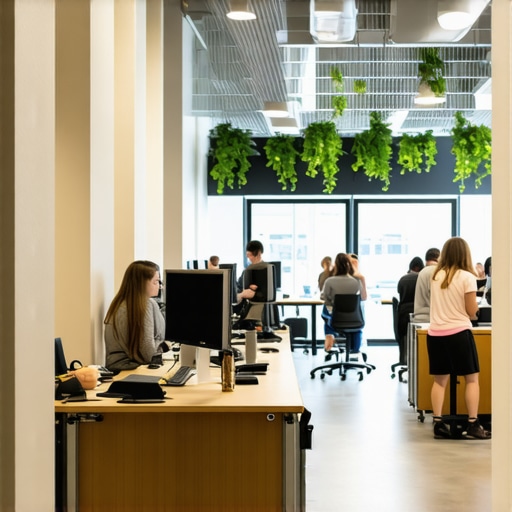
I remember the exact moment it hit me—standing in my cramped apartment, trying to squeeze in a workout between back-to-back meetings, realizing that my environment was stifling my productivity and well-being. That feeling of being stuck, overwhelmed, and disconnected isn’t unique; many startup founders and remote workers find themselves caught in the same frustrating cycle. The breakthrough came when I finally understood that the space we work and how we take care of ourselves inside it aren’t just amenities—they’re essential to success.
Transforming the Routine: Why a Coworking Space with a Gym Changed Everything
Choosing the right workspace can feel like navigating a maze. Initially, I thought having a dedicated office was enough—until I hit a wall. The constant mental fatigue from juggling work and fitness routines in different locations was draining. That’s when I discovered the concept of integrating work and wellness by opting for a coworking environment that offers a gym. This isn’t just about convenience; it’s about creating a sustainable, motivating, and healthier work lifestyle.
A recent study from the Global Wellness Institute reveals that employees who engage in physical activity during work are 21% more productive and have 41% fewer days absent due to illness. Achieving that level of well-being in my daily routine seemed ambitious at first, but it proved transformative.
But here’s the real kicker: Early on, I made a mistake. I thought I could just add short workouts during lunch breaks, but I often found myself skipping them because of workload or lack of motivation. It wasn’t until I realized that having a dedicated, readily accessible gym within my workspace made a difference. It became a non-negotiable part of my day, seamlessly blending fitness with work, and boosting my energy and focus.
If you’re contemplating whether to make a similar switch, you’re probably facing questions like, “Is a coworking space with a gym really worth it?” or “Will I really stick to my fitness goals in this environment?” Well, I was skeptical too—and honestly, I still have my doubts sometimes—but the benefits I’ve reaped make the experiment worthwhile.
Ready to explore how this setup could work for you? Let’s dive into some practical reasons why integrating a gym into your coworking space could be the game-changer you’ve been searching for.
Pinpoint Your Needs and Arrange Your Space Strategically
Start by listing your startup’s core activities—whether it’s product development, client presentations, or team brainstorming. For each, identify the type of meeting room or space that suits the purpose—small huddle rooms for quick syncs, larger conference rooms for presentations. When you book a space, consider its layout; a rectangular table fosters better engagement than a cluster of desks. Remember, a well-organized space isn’t just about aesthetics—it’s about streamlining workflows and encouraging spontaneous collaboration, much like how a well-designed workshop setup sparks innovation. I once reserved a conference room that was too far from the main working area, making it inconvenient to gather my team quickly, which hampered spontaneous discussions. Afterward, I prioritized rooms closer to core teams, significantly boosting response times and idea flow.
Leverage Technology to Enhance Meeting Productivity
Equip your meeting rooms with reliable audiovisual tools, high-speed Wi-Fi, and smart boards. Use conference room booking systems that prevent overlaps, similar to how airline gates are managed to ensure smooth flow. Set up your tech to enable seamless remote participation—this is crucial in hybrid setups. During a frantic planning session, the Wi-Fi connection faltered, causing delays. Later, I switched to a dedicated router for our meeting room, which instantly improved connectivity and kept our momentum going. Don’t forget to include a display for real-time notes and key metrics; this keeps everyone engaged and aligned. Check out how to maximize meeting room productivity.
Create a Culture of Effective Meeting Design
Encourage your team to adopt clear agendas and time limits before scheduling a room. Think of a meeting like a mini-project with specific deliverables—this mindset prevents talks from drifting aimlessly. Incorporate visual aids, such as slides or sketches, to clarify points and maintain energy. During a series of workshops, I realized that poorly structured meetings wasted time and demotivated participants. To fix this, I introduced a standard agenda template and enforced strict time boxes, which kept sessions energetic and productive. Avoid meeting fatigue by reserving a comfortable, quiet corner within your coworking space for deep work and reflections. This fosters focus and reduces burnout. For inspiration, explore transforming meeting rooms into collaboration hubs.
Optimize Room Setup to Boost Creativity and Collaboration
Arrange furniture to facilitate interaction—think flexible seating that allows groups or individuals to adapt quickly. Use movable partitions and whiteboards for dynamic sessions. Setting the right atmosphere can dramatically influence thinking—add plants, natural light, or even playful decor to spark inspiration. I experimented with different layouts during client demos, and found that a circular arrangement encouraged dialogue more than traditional conference setups. Also, designate a dedicated space for quick brainstorming, equipped with sticky notes and markers—this encourages spontaneous idea generation. Remember, an environment that supports serendipitous encounters can accelerate your startup’s momentum. To understand how top spaces are evolving, review the future of innovative meeting environments.
Implement Feedback Loops and Flexibility
After each meeting, gather quick feedback on room comfort, technology usability, and overall productivity. Use this data to adjust your setup regularly—think of it as tuning a musical instrument. Encourage team members to suggest improvements; their insights can uncover unnoticed issues or new opportunities. During a quarterly review, I realized that the lack of private breakout areas caused disruptions. Moving to a coworking environment with designated quiet zones improved focus and collaboration. Flexibility is key—sometimes, swapping a traditional setup for a more informal lounge area can invigorate your team’s creativity. Discover scalable options by checking why flex memberships are crucial.
While many assume that simply leasing a coworking space or booking a conference room guarantees productivity and success, this perspective overlooks critical nuances that can make or break your startup’s trajectory. Let’s dig deeper into common misconceptions and advanced pitfalls that entrepreneurs often miss.
One widespread myth is that all coworking spaces offer the same level of professionalism and network opportunities. In reality, the quality of these environments varies significantly. According to expert insights on networking opportunities in top coworking environments, selecting a space aligned with your startup’s growth stage and culture is paramount.
A prevalent oversight is mistaking availability for suitability. Many founders rush to secure the nearest or cheapest conference room without assessing its infrastructure or vibe. This mistake can lead to unproductive meetings and missed impressions. For example, a cramped, noisy room might seem convenient but hampers focus and professionalism. To avoid this, consider the space’s design and amenities carefully, and consult guides like how to choose the perfect conference room.
Moreover, there’s a tendency to underestimate the importance of setting a strategic environment that fosters innovation. Innovative meeting rooms are often underestimated but play a crucial role—they not only enable collaboration but also inspire creativity. Check out innovative meeting rooms boosting startup creativity for ideas.
A common mistake is neglecting to anticipate future scaling needs. Many startups underinvest in adaptable spaces, which leads to costly migrations or makes the environment feel stagnant. An advanced approach involves designing flexible spaces that can evolve with your team, maximizing your investment.
Finally, beware of overestimating the convenience of hybrid or virtual meeting options. While remote meetings offer flexibility, they often lack the immediacy and subtle cues of in-person interactions—especially vital during critical negotiations or brainstorming sessions. A recent study indicates that in-person interactions boost trust-building, which has a direct impact on startup success.
In conclusion, avoiding these nuanced pitfalls requires a thoughtful assessment of your startup’s unique needs and future plans. Spend time vetting potential spaces, focusing not just on price but on environment quality, adaptability, and support infrastructure. Don’t fall into the trap of superficial decisions that can hamper your growth. You can find more insights and recommendations by exploring how to select the best conference room for your startup. Have you ever fallen into this trap? Let me know in the comments.Maintaining a productive and seamless coworking environment requires more than just booking rooms and hoping everything works out. It’s about leveraging the right tools, establishing solid routines, and preparing for scalability. Over the years, I’ve tested various software and hardware solutions to ensure my startup’s spaces are efficient, secure, and adaptable. Let me share some concrete tools and methods I recommend for a smooth, long-term operational flow.
Prioritize Communication with Robust Collaboration Platforms
Slack was my go-to for real-time messaging, but I’ve shifted towards Microsoft Teams for its tighter integration with our document management and calendar apps. The advantage? It consolidates chats, files, and meetings into a single interface, reducing the chaos during busy days. I personally set up dedicated channels for different projects and use pinned messages to keep critical updates front and center. This habit fosters clear communication and accountability, especially when coordinating across multiple coworking locations.
Automate Booking and Space Management
To avoid double-bookings and maximize room utilization, I rely on conference room booking systems like Robin or Teem. These platforms sync with team calendars, allowing members to reserve spaces easily and see real-time availability. Automating this process prevents scheduling conflicts and reduces admin overhead—something that becomes crucial as you scale from a handful to dozens of team members.
Secure Your Network and Data
Long-term success hinges on robust cybersecurity. I personally installed Ubiquiti networking equipment for its enterprise-grade security and manageability. Regular firmware updates and network segmentation keep sensitive startup data protected, especially when hosting virtual meetings or community events. For data backup, I favor cloud services with automatic syncs like Backblaze, which provide peace of mind knowing that vital files are safely stored off-site.
Invest in Good Hardware for Video and Audio
Nothing disrupts productivity more than poor audio or video quality during critical meetings. I recommend Logitech’s C920 camera and Jabra’s Elite 75t headphones—they deliver reliable clarity and comfort. In a startup, minor technical glitches can cost hours in lost focus or miscommunication. Regular maintenance and equipment upgrades ensure your teams stay connected, especially as your number of remote and hybrid participants grows. Consider creating an equipment checklist to routinely verify all tech remains in top shape.
Use Feedback Loops to Improve Over Time
Implement quarterly reviews with your team to assess the effectiveness of your tools and environment. I send out anonymous surveys to gauge satisfaction with conference room setups, tech usability, and overall workspace vibe. The insights gathered help inform future upgrades and prevent complacency. Remember, tools evolve, so staying adaptable is key to sustained productivity.
Looking Ahead: Where the Trend Is Going
In future, I believe AI-powered space management and predictive maintenance will become industry standard—helping startups proactively detect issues before they impact operations. Learning from smart building tech, the ability to analyze usage patterns and optimize resource allocation will save both time and money.
Ready to Level Up Your Workspace Tools?
One effective tip I urge you to try: set up automated booking and feedback routines for your meeting rooms. This simple but powerful step can drastically enhance efficiency and user satisfaction over time. To explore how to implement such systems smoothly, check out this detailed guide. Keeping your space running smoothly isn’t just about today—it’s about preparing for future growth with the right tools and habits. Start small, stay consistent, and watch your startup thrive in a well-oiled coworking environment.
Benching My Illusions: What I Didn’t Expect About Coworking Benefits
My biggest misconception was thinking that any coworking space would serve my startup’s needs. I underestimated how crucial environment design and community vibe are—not just for productivity, but for morale and growth. The moment I realized that a well-crafted space could ignite collaboration and creativity, my approach transformed from transactional to intentional. That insight alone hastened my company’s evolution more than any marketing campaign or funding round.
Another lesson was recognizing that technology alone doesn’t guarantee efficiency. I used to believe that state-of-the-art equipment was the magic wand, but proper space management and establishing routines proved far more impactful. Integrating tools like flexible memberships and automated booking systems helped us stay agile, especially as our team expanded. Sometimes, simple adjustments in space utilization sparked the biggest leaps forward.
Finally, I learned that community presence matters more than I thought. Building authentic relationships within the coworking environment created a support network that fueled innovation and resilience. Attending events and engaging with fellow founders opened doors I hadn’t anticipated—success often hinges on who you connect with, not just what resources you have. Embracing this human element was a game-changer I wish I knew earlier.
My Compass for Smarter Coworking Choices
For those seeking to optimize their coworking experience, I highly recommend exploring tools like top innovative meeting rooms that inspire creativity, or referencing guides such as how to select the perfect conference room. These resources have helped me ensure that each space aligns with my startup’s vision and workflow. Additionally, investing in reliable connectivity and ergonomic furniture creates an environment where teams can truly thrive, not just work.
Remember, intentionality in choosing and designing your coworking environment can accelerate your startup’s trajectory more than many realize. The right space is an active partner in your journey—foster it with care, curiosity, and community.
This Is Your Moment to Make the Change
The future of coworking is dynamic and personalized. You don’t need to wait for perfect conditions—start with small, strategic adjustments today. Whether it’s upgrading your meeting room tech, rearranging furniture for better flow, or connecting with a new community, each step brings you closer to a workspace that works for you and your startup. Your environment shapes your outcomes—so craft it intentionally and watch your business flourish.
What’s one change you’re excited to implement in your coworking space? Share your thoughts below—I’d love to hear your story!