
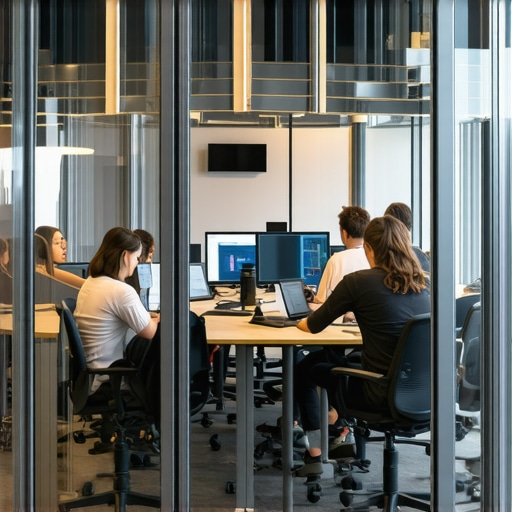
It was a typical Monday morning, but I remember the sinking feeling I had as I sat in a crowded coworking space, desperately trying to focus on a product demo. The ambient hum of chatter, the constant interruptions, and the endless stream of colleagues popping in for small talk—honestly, it felt like trying to read a book in the middle of a bustling marketplace. Have you ever felt that frustration in your own workspace, where the environment just isn’t conducive to deep work? If so, you’re not alone. I had a lightbulb moment when I realized that our team’s productivity was suffering because our environment was a distraction nightmare. That’s when we decided to move our engineering team into a private pod within our coworking space, a decision that profoundly transformed how we operate.
The Turnaround: Creating a Focused, Private Environment for Innovation
Before making the switch, I made a classic mistake: I underestimated how much our physical environment impacts our team’s output. I believed that a vibrant coworking space with shared amenities would foster collaboration and spark creativity. But I soon discovered that these open environments often lead to constant disruptions, noise, and an overall lack of privacy. According to a study by Harvard Business Review, interruptions can cost knowledge workers as much as 23 minutes of lost productivity each time they happen, which adds up quickly over a day.
Switching to a private pod was like flipping a switch. Suddenly, my team had a dedicated, quiet space to dive into complex problems without incessant background noise. We found that even the smallest change—moving from a shared desk to a self-contained pod—led to a significant boost in focus and efficiency. Plus, it offered the privacy needed for confidential meetings, sensitive discussions, and deep concentration, which are crucial in a startup environment.
Interested in how this can work for your team? I’ll walk you through the key benefits and practical steps you can take to replicate this success. But first, let’s address the common skepticism many founders and managers have: is investing in private spaces really worth it? Here’s my take, based on firsthand experience and key research.
Identify Your Team’s Core Needs
Start by evaluating what your team genuinely requires for productive work. Do they need uninterrupted focus, privacy for sensitive discussions, or high-quality video conferencing? Conduct a quick survey or hold a one-on-one to pinpoint these essentials, ensuring that the space you create aligns precisely with their daily tasks. I once asked my developers during a team lunch about their biggest workspace pain points, which revealed a need for soundproofing and better lighting—simple adjustments that yielded immediate improvements.
Scout the Right Location and Space
Next, find a workspace that matches your criteria. Think of it like choosing a venue for a crucial product launch—location matters. Visit multiple coworking spots, focusing on noise levels, lighting, and accessibility. Look for a dedicated, enclosed area that can be customized to your startup’s needs, rather than shared open-plan zones that might be noisy. For example, when we moved into a private pod, we prioritized a quiet corner with natural light, which instantly uplifted the team’s energy and focus. If you’re unsure how to evaluate potential spaces, check out this guide for detailed criteria.
Design for Functionality and Comfort
Create a workspace that balances ergonomic comfort with practical features. Invest in adjustable chairs, ample desk space, and good lighting—think of your space as a toolset, not just an aesthetic backdrop. I once experimented by swapping out dull office chairs for ergonomic ones, which drastically reduced fatigue during long coding sessions. Consider adding soundproof panels or white noise machines to keep distractions at bay. The goal is to craft an environment where focus is natural, and the team feels comfortable and energized. Check out this resource for innovative design ideas that promote collaboration and concentration.
Set Up Tech for Seamless Connectivity
Ensure your workspace is equipped with reliable, high-speed internet and quality AV equipment. Think of this as laying a solid foundation—without it, even the best-designed office struggles. Test the Wi-Fi speed early and consider backup options like Ethernet cables or mobile hotspots. Install conference tools that facilitate remote participation, such as video conferencing hardware and collaborative software. During our transition, I arranged a trial run of our internet setup and discovered a weak signal in certain corners, leading us to install additional access points. For tips on selecting the right tech, refer to this comprehensive guide.
Implement Soundproofing and Privacy Measures
Minimize noise leakage and ensure confidentiality with strategic soundproofing. Use acoustic panels, heavy curtains, or even foam inserts to absorb sound. Think of it like building a fortress for your ideas—every layer counts. I personally installed foam tiles in our conference nook after noticing chatter spilling into nearby areas, which remarkably improved meeting confidentiality. Also, establish protocols for maintaining privacy during sensitive calls or discussions. If you’re unsure about effective soundproofing solutions, explore these strategies.
Maintain and Iterate
Finally, treat your workspace as a living environment. Regularly solicit feedback from your team about what’s working and what’s not. Small tweaks—like adjusting desk layouts or upgrading furniture—can sustain productivity gains. My team’s workspace evolved over months, adding plants for a calming atmosphere and changing lighting colors to suit different work modes. Remember, continuous improvement is key to a space that genuinely accelerates innovation and focus. For ongoing tips, revisit this resource.Many entrepreneurs believe that simply reserving a conference room or choosing a trendy coworking space guarantees productivity and innovation. However, this mindset often misses a critical nuance: the way spaces influence team dynamics and creative flow goes far beyond aesthetics or location. One common myth is that larger or more luxurious rooms inherently foster better collaboration, but in reality, overcrowded or overly formal environments can stifle spontaneous ideas and honest communication. According to Harvard Business Review, the physical environment impacts not only focus but also interpersonal trust within teams, especially in high-stakes startup settings.
Let’s dig deeper into what most founders get wrong when designing their meeting and coworking spaces. The mistake isn’t just about poor selection but about overlooking the subtle psychological cues these spaces convey to your team. For instance, a rigid, corporate-style conference room might communicate formality but can suppress open dialogue, whereas flexible, inviting spaces encourage candid interactions. It’s also a myth that technology alone can resolve spatial issues; the emotional and cultural cues encoded in space design matter just as much. As shown by experts from the [Future of Conference Rooms](https://coworkingcentral.com/the-future-of-conference-rooms-in-startup-ecosystems), innovative environments integrate ergonomic layouts with thoughtful ambiance to inspire creativity.
A common pitfall many startups fall into is neglecting the importance of privacy and acoustic design in their spaces. Open-plan coworking areas might be trendy, but they often trap noise and distractions, which hinder deep work and confidential discussions. Without intentional soundproofing, your team could be unknowingly sabotaging their own productivity. This is a subtle trap—fans of open offices think they foster transparency, but in practice, they frequently breed stress and errors. To avoid this, craft zones within your spaces that balance shared energy with secluded corners for concentration. If you want to learn how to optimize your environment, check out [how to maximize productivity in coworking spaces](https://coworkingcentral.com/how-to-maximize-productivity-in-your-startups-conference-rooms-by-0245-pm).
What advanced factors should you consider when selecting or designing your startup’s meeting environment? The answer lies in understanding spatial psychology. Elements such as natural light, greenery, and color schemes aren’t just decor—they influence mood, decision-making, and creativity. For example, natural light can reduce stress and improve focus, a finding supported by a 2011 study published in the Journal of Clinical Sleep Medicine. Similarly, incorporating biophilic design—like plants or nature-inspired textures—can decrease anxiety and foster innovation. Therefore, do more than just choose a space; curate an environment that subconsciously energizes your team.
Finally, be cautious of the trap of short-term appearances masking long-term issues. A beautiful but poorly configured space can create an illusion of professionalism without delivering results. Equally risky is investing heavily in high-tech gadgets without aligning them with your team’s actual workflows. This mismatch can lead to underutilized resources and frustration. Instead, focus on iterative adjustments: solicit ongoing feedback, test new setups, and remain flexible. Remember, the goal isn’t just a fancy space but one that cultivates a thriving, innovative culture.
Have you ever fallen into this trap? Let me know in the comments. And if you’re ready to rethink your workspace strategy, don’t hesitate to reach out through our [contact page](https://coworkingcentral.com/contact-us). Creating the right environment is an ongoing journey—embrace the nuances, and your startup will thank you for it.Maintaining a vibrant and productive workspace for your startup requires more than just initial setup; it demands ongoing attention to tools, routines, and environment tuning. One crucial aspect is leveraging the right hardware and software to ensure seamless operations. Personally, I swear by using a combination of high-quality conference hardware like Logitech Rally webcams and microphones, paired with tools such as Zoom and Miro, which allow real-time collaboration without glitches. Investing in reliable equipment minimizes downtime during critical meetings, especially when remote stakeholders are involved. Additionally, implementing a maintenance routine—like quarterly hardware audits and software updates—serves to prevent glitches before they snowball into bigger disruptions. For instance, scheduling bi-monthly checks on AV equipment ensures your tech is always conference-ready, avoiding embarrassing lag during investor pitches. Predicting the future of workspace tech, I believe AI-driven management tools will soon offer predictive maintenance, automatically alerting you to potential issues before they impact your team. When it comes to scaling, modular hardware that can be expanded or upgraded easily supports growth without costly overhauls. To sustain long-term results, I recommend establishing clear protocols for equipment upkeep and user training, so your team remains comfortable and competent with your tools. How do I maintain my conference infrastructure over time? I set up a simple, checklist-based maintenance schedule, incorporating routine cleaning, firmware updates, and user feedback sessions, which revealed common pain points that we addressed promptly. If you’re interested, this method can save your startup from unexpected tech failures and keep your workspace—be it a meeting room or coworking hub—running at peak performance. Remember, a well-maintained environment not only supports your current operations but also adapts smoothly as you scale. For further insights on optimizing your workspace, check out [this comprehensive guide](https://coworkingcentral.com/how-to-maintain-your-conference-equipment-for-long-term-success). Don’t wait for a tech failure to disrupt your momentum—try implementing a routine maintenance plan today and experience the difference in your team’s productivity.
The Hidden Gems of Workspace Wisdom
One key lesson I learned is that the physical setup of your startup’s workspace isn’t just about aesthetics or cost—it’s a strategic tool that shapes your team’s mindset. For example, creating dedicated zones for focus versus collaboration can influence daily productivity profoundly. I once found that simple tweaks like adding white noise machines in open areas transformed distraction levels, leading to clearer thinking and more innovative ideas.
Another insight is that investing in technology that seamlessly integrates into your environment pays dividends over time. High-quality audio-visual gear doesn’t just improve meetings; it sets a standard of professionalism and encourages remote participants to engage more fully. Ensuring reliable internet and smart room controls means less time troubleshooting and more time building your vision.
Lastly, the most overlooked lesson is the importance of cultivating a culture that values these environments. Spaces are only as effective as the people who inhabit them. Encouraging your team to treat the space as an extension of your startup’s identity—clean, functional, inspiring—can unlock a level of engagement that no perfectly designed room could achieve alone.
My Toolkit for Future-Proof Spaces
I rely heavily on tools like SmartSpace Management Software for optimizing room usage and maintaining equipment, which has saved countless hours. Additionally, books like The Innovator’s Dilemma by Clayton Christensen have reshaped my perspective on designing adaptive work environments that evolve with your startup. Connecting with industry insiders through these curated networks provides ongoing inspiration and practical insights.
Fuel Your Vision and Ignite Change
Remember, your workspace isn’t just a backdrop—it’s an active catalyst for your startup’s growth. Embrace innovative design, invest in reliable tech, and foster a culture that celebrates the environment as much as the vision. Small, deliberate changes today can lead to a more focused, dynamic, and resilient team tomorrow.
What has been your biggest revelation about designing a startup space? Share your experience below, and let’s learn together!