
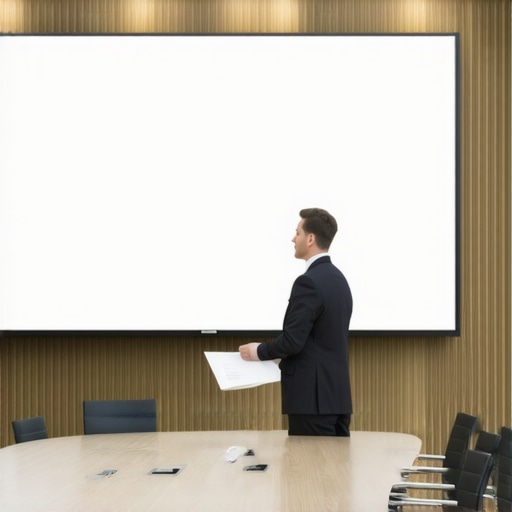
I vividly remember the moment I realized my pitch deck was falling flat. It was during a crucial investor meeting, and as I stood in front of their sleek conference room, I noticed their eyes glaze over—not because of the content, but because my backdrop was a cluttered, mismatched mess of posters and personal clutter. That visual chaos was silently undermining my entire presentation. It hit me then—your environment and presentation setup can make or break your pitch.
First Impressions Start Before You Say a Word
In the competitive world of startups and entrepreneurship, making a stellar first impression isn’t just about a compelling story or innovative idea. It’s also about the visual cues that set the tone for your professionalism. A polished, consistent backdrop communicates seriousness, builds trust, and subtly signals that you value quality—qualities investors and partners take seriously.
Is a Fancy Background Really Worth the Hype?
Many skeptics wonder, “Does investing time and resources into a professional backdrop truly impact my success?” From my early missteps, I can tell you a big mistake was neglecting this detail. Initially, I thought a neutral wall was enough. But, over time, I learned that an intentional, branded backdrop boosts confidence—both yours and theirs—in your ability to deliver. If you’re curious about how professional spaces influence perceptions, check out [this article](https://coworkingcentral.com/why-your-conference-room-is-the-most-important-room-in-the-office). It highlights how the right environment can elevate your entire brand.
As we move forward, I’ll share practical tips on creating a backdrop that commands attention and sets you apart from the crowd. Because, frankly, in the startup arena, it’s often the little details that seal the deal. Are you ready to ditch the clutter and craft a visual statement that opens doors? Let’s dive into how you can do just that.
Choose the Right Location First
Start by selecting a space that’s free from distractions and clutter. Think of your environment as the canvas for your message; a clean, organized space sets a professional tone. Visit local coworking hubs or conference centers to find a versatile meeting room that can be tailored to your brand. Use resources like this guide to evaluate locations based on lighting, acoustics, and available tech. Once you find the perfect spot, reserve it well in advance to avoid last-minute surprises.
Design Your Visual Brand Strategically
Create a backdrop that communicates your startup’s identity succinctly. Invest in a branded banner or a sleek, minimalist background that aligns with your logo, colors, and mission. Remember, you’re not decorating a living room—think of your backdrop as the new splash page of your brand. When I did this during a recent investor demo, I used a custom fabric banner with my logo, and it immediately elevated the perceived professionalism. For inspiration, explore innovative coworking spaces that excel at creating brand-appropriate environments.
Prioritize Lighting and Audio Quality
Nothing kills a presentation faster than poor lighting or muffled audio. Use natural light when possible, but supplement with soft, diffuse LED lighting to eliminate shadows. Position your light source at eye level or slightly above to mimic daylight. For audio, invest in a good microphone or arrange the room to minimize echo, like placing plush rugs and soft furnishings. I learned this the hard way during a pitch; after setting up proper lighting and a lapel mic, my clarity improved dramatically, earning positive investor feedback. Visit productivity tips for conference rooms for detailed tech setup advice.
Master the Art of Physical Layout
Arrange your space thoughtfully; think of it as a stage for your startup story. Position your camera at eye level, and ensure your background isn’t cluttered. Keep essential materials—like pitch decks or notes—within arm’s reach. Consider seating arrangements that promote engagement and confidence, similar to strategic table placements during formal meetings. I once experimented with different setups, and a simple move—placing myself slightly off-center—made my gestures appear more natural. Use tools like psychology of seating arrangements to subtly influence perceptions.
Test Your Setup Before the Big Day
Run a dry session with a colleague or friend to identify glitches in lighting, sound, or visuals. Record yourself to review video and ensure your presence feels natural. During my first attempt, I noticed my reflection appeared in the window behind me, a distracting element I hadn’t seen before. Making quick adjustments—like repositioning the camera—improved the focus on my message. Always allocate time for a complete technical run-through, similar to rehearsing on stage before opening night.
Keep It Consistent and Adjustable
Once established, maintain your backdrop and setup for all presentations, but stay flexible to adapt to different scenarios. Have portable elements, like a foldable banner or adjustable lighting, to customize your environment rapidly. This consistency builds familiarity and reinforces your brand identity, turning every appearance into a recognizable showcase of professionalism. Remember, your environment is an extension of your pitch—invest in it, refine it, and watch your confidence and credibility soar.Many entrepreneurs and startups fall prey to misconceptions about coworking environments and conference rooms, which can sabotage their growth and professionalism. Contrary to popular belief, choosing the most popular or most affordable space isn’t always the smartest move. Instead, understanding nuanced factors like spatial design, technology integration, and community culture can make a significant difference in leveraging these environments effectively.
Are You Falling for the Surface-Level Assumptions?
One common myth is that all coworking spaces are created equal, and that any space with a ping-pong table or modern decor will foster innovation. However, studies, such as those highlighted by industry experts, show that the true driver of productivity and collaboration is the quality of interaction and the suitability of the environment to your specific needs here. It’s essential to evaluate whether a space’s community, amenities, and layout align with your startup’s culture and objectives.
Another misconception revolves around the perceived necessity of high-end conference rooms. Many think that a fancy, tech-rich room automatically boosts impression and outcomes. In reality, advanced technology without proper training or thoughtful space design can lead to distractions or technical issues, undermining your meeting’s purpose. Advanced startups focus on ergonomics, acoustics, and seamless tech integration—details that are often overlooked but can be the difference between a successful deal and missed opportunity. This nuance is detailed in this guide.
What Are the Hidden Dangers in Common Workspace Strategies?
A frequent trap is overestimating the flexibility of coworking memberships and underestimating the importance of environment consistency. Relying solely on flexible hot-desking without considering acoustic privacy, branding alignment, or technological compatibility can result in a fragmented experience that dilutes your startup’s professional image. Moreover, ignoring the psychology of space arrangement, such as seating placement and visual cues, can subtly influence stakeholder perceptions and team dynamics—details explored in this article.
Another nuance is neglecting environment personalization. Startups often adopt generic setups, but tailored spaces that reflect your brand and mission foster stronger team cohesion and client confidence. Investing in strategic design—not just furniture, but lighting, branding elements, and layout—can dramatically impact your success. Remember, spaces are silent ambassadors of your startup’s values. Have you ever fallen into this trap? Let me know in the comments.Keeping your coworking environments and conference rooms in top shape is essential for long-term success and productivity. Regularly updating your tools ensures seamless meetings and boosts overall efficiency. I personally swear by the Logitech Rally series for video conferencing—its ultra-HD quality and built-in AI framing keep me looking sharp even during lengthy sessions. Additionally, investing in wireless presentation remotes, like the Logitech Spotlight, makes sharing slides effortless and keeps the focus on your message. Using a dedicated laptop or tablet for managing room controls minimizes interruptions and keeps your workflow smooth. In terms of software, I rely on tools like Miro and Notion for collaborative planning—both have proven indispensable for remote and hybrid teams. As coworking and conference spaces evolve, integrating automation through platforms like Barco ClickShare simplifies connection issues, reducing setup time and technical glitches. To stay ahead, I regularly update firmware and software, monitoring industry updates such as Barco’s latest collaboration in [their technical documentation](https://barco.com). Predicting where this trend heads, I believe AI-driven room management and personalized workspace experiences will become standard, enhancing user comfort and operational efficiency. How do I maintain these setups over time? Scheduling bi-annual audits to assess hardware performance and software compatibility helps prevent unexpected failures. I also subscribe to professional tech newsletters to stay informed of new releases and trends. Implementing routine checks and leveraging automation tools will ensure your workspace remains efficient without constant manual intervention. Ready to elevate your meeting environments? Start by trying out automated lighting and sound adjustments using smart devices—they can significantly reduce setup time and create the perfect ambiance. Regular maintenance and strategic upgrades aren’t just about avoiding disruptions; they’re about creating an environment that fosters innovation and professionalism at every turn.
Over the years, I’ve realized that the most overlooked aspect of startup success often lies in the environment where you hold your crucial conversations. From personal experience, I learned that investing in a thoughtfully designed meeting space isn’t just about aesthetics; it’s a strategic move that can unlock new levels of credibility and influence. Taking the time to craft a space that communicates professionalism and purpose has consistently paid dividends—helping startups close deals, attract talent, and build confidence among stakeholders.
Lessons from the Trenches That Changed My Approach
- First Impressions Are Built Before You Speak: I used to think my pitch was the star of the show, but I learned that the environment sets the perception. A cluttered or uninspired setting silently signals disorganization—something investors intuitively notice. I’ve found that even small upgrades, like a branded backdrop or strategic lighting, can dramatically shift perceptions.
- It’s All About Consistency and Authenticity: Once I standardized my setup—adopting a sleek, minimalist background and consistent tech resources—it became easier to focus on delivering value without distractions. This consistency also reinforces my brand identity, making every meeting more impactful.
- Tools Make the Difference—But Only When Used Well: Equipping myself with quality microphones, reliable internet, and intuitive tech simplified the logistics. But I also learned that rehearsing with these tools beforehand prevents embarrassing glitches, making me appear more polished and confident.
- Personal Touches Matter More Than You Think: Small details, like arranging seating to foster engagement or adding a plant for a welcoming vibe, subtly influence the tone of your meetings. These touches convey care and professionalism, fostering trust naturally.
My Favorite Resources for Creating Impactful Meeting Environments
- Top Meeting Rooms of 2025: Staying ahead means knowing what the cutting edge looks like. This guide offers insights into innovative spaces designed to spark creativity and professionalism.
- Choosing the Perfect Conference Room: From lighting to acoustics, this resource helps tailor your environment to your specific needs, ensuring every detail supports your objectives.
- Creative Coworking Spaces: Inspiration is contagious. Discover how design elements can foster innovation and collaboration, making your meetings not just productive but memorable.
- Maximize Conference Room Productivity: Tips from pros on how to streamline tech, optimize layout, and set the tone for success—ensuring your meetings drive real results.
Your Next Move: Elevate Every Encounter
Creating a professional and inviting coworking or meeting space isn’t merely a logistical step—it’s a strategic advantage. When you invest thoughtfully in your environment, you radiate confidence and competence, traits that open doors and foster lasting relationships. Remember, the influence of your space extends far beyond its walls—it shapes perceptions, fuels trust, and ultimately, fuels your startup journey.
Are you ready to transform your meeting environments into powerful tools for growth? Start small, think strategically, and watch how your interactions evolve.
What’s the biggest challenge you’ve faced in setting up a professional meeting space? Share below—I’d love to hear your stories and help you overcome them!
,