

It was a morning like any other, until I found myself trapped in a conference room with peeling walls, clinging to a fragile Wi-Fi connection, feeling the weight of a long-term commitment I hadn’t fully understood. That moment of realization hit me hard: signing a five-year lease for our startup’s first office was the biggest mistake I hadn’t even seen coming.
The Hidden Trap of Long-Term Office Leases
Many entrepreneurs jump into multi-year office commitments without considering the unpredictable nature of startups. I did the same, convinced it was the foundation for stability. But reality proved otherwise. The rigid lease terms limited our flexibility, drained resources that could have gone into growth, and kept us tethered to a space that no longer suited our needs. That first mistake taught me a crucial lesson: long-term leases can weigh down startups when agility is paramount.
Will a 5-Year Lease Lock You Out of Opportunities?
A common concern I hear is: “But what if our business thrives in this space?” It’s a valid point, yet is locking into such an extensive commitment really necessary? Early on, I overlooked how quickly our needs could change, and it cost us dearly. According to a survey by Coworking Central, companies utilizing flexible workspaces experienced 30% faster growth than those stuck in traditional leases. Flexibility, as it turns out, is a strategic advantage.
Have you ever felt the sting of being tied down by a lease that no longer serves your goals? If so, you’re not alone. My experience is a testament to why it’s vital to question long-term commitments and explore more adaptable options. In the upcoming sections, we’ll dive into practical strategies to avoid this costly mistake and keep your startup agile and ready for whatever comes next.
Negotiate Shorter or Flexible Leases
Start by reaching out to local coworking spaces or landlords open to shorter commitments. When I first explored this, I scheduled visits to three coworking centers and asked about their lease terms. One space, unaware of my startup’s needs, insisted on a three-year commitment but was willing to offer a month-to-month plan as a trial. This initial inquiry saved us from a rigid five-year contract and gave us room to grow. Negotiate for options like month-to-month or six-month renewals, which allow you to adapt quickly as your team scales or pivots.
Choose the Right Meeting Rooms to Boost Collaboration
Invest in versatile meeting rooms that can be reconfigured for different needs. I once rented a coworking space where the meeting rooms had moveable walls, transforming from small huddle spots into larger collaboration hubs. We used the space for quick stand-ups and deep dive sessions without needing extra bookings. Incorporate modern tech like smart whiteboards and high-speed Wi-Fi to facilitate seamless brainstorming sessions. These adaptable environments enhance creativity and productivity, helping your team stay agile.
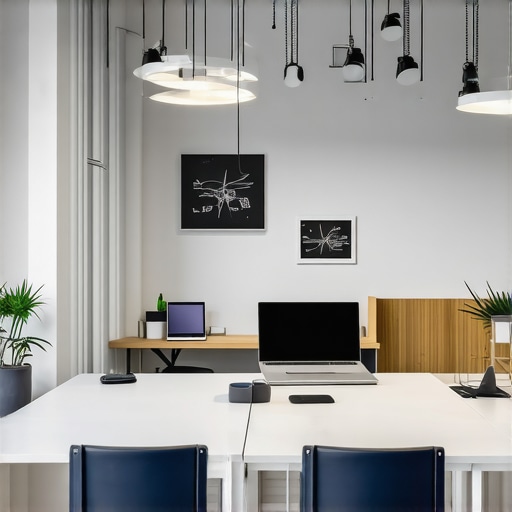
Use dynamic meeting rooms equipped with modern tech to inspire innovation and streamline collaboration.
Leverage Community Networks for Cost Savings and Support
Engage actively with coworking communities to discover shared resources and networking opportunities. I joined a local startup meetup hosted at a coworking hub, which led to a partnership with a design firm, saving us from costly in-house creative work. Participating in events and forums not only broadened our network but also unlocked access to mentorship and potential clients. Regularly check platforms like https://coworkingcentral.com/innovative-meeting-rooms-that-boost-startup-creativity to identify spaces with top-tier amenities that align with your evolving needs.
Assess Space Flexibility Before Signing
Prior to signing any agreement, evaluate the space’s adaptability for future growth. During my last office hunt, I toured several spaces and noted their expansion options. One coworking space allowed for easy desk additions and had modular breakout areas, making it a smart choice for scaling teams. Make sure to review the lease terms carefully, avoiding hidden fees and clauses that restrict modifications. For comprehensive guidance on vetting spaces, visit https://coworkingcentral.com/how-to-vet-a-space-before-signing-a-long-term-deal.
Utilize Short-Term Projects to Test Spaces
Before committing long-term, run small projects in potential spaces. I scheduled a weekly workshop series in a new coworking environment for a month, which provided firsthand experience of the space’s ambiance, internet stability, and community vibe. This practical test highlighted unforeseen issues, like noisy common areas, that influenced our final decision. Short-term engagements serve as invaluable tests to ensure the space truly supports your startup’s dynamic needs.
When it comes to designing or selecting meeting spaces in startups, there’s a common misconception that bigger, more high-tech rooms automatically foster better collaboration. However, in my experience, many entrepreneurs overlook the subtle nuances that truly influence effective meetings. For instance, there’s often an overemphasis on having the latest video conferencing equipment, but neglecting acoustic treatment can significantly hinder communication, especially in open or shared spaces. According to a study by the Harvard Business Review, poor acoustics reduce meeting productivity by up to 20%, underscoring the importance of sound management in collaborative environments. Additionally, many assume that a visually impressive room will inspire creativity, yet the true driver is psychological comfort—consider factors like lighting, seating arrangements, and privacy levels. A space overwhelmed with glass walls and stark decor might look modern, but it can lead to distractions and stress among team members. Avoid falling for the myth that technology alone creates a productive meeting; instead, focus on the meeting room’s purpose and how its design supports different interaction styles. Have you ever fallen into this trap? Let me know in the comments. Consider exploring innovative options like transforming existing spaces into dynamic hubs—spaces that adapt to your needs rather than forcing you into a one-size-fits-all layout. For example, modular furniture and movable partition walls can reconfigure a room for quick stand-ups, deep dives, or informal brainstorms, enhancing versatility and engagement. It’s also critical to assess whether your space encourages spontaneous interactions or creates barriers—physical or psychological—that inhibit openness. Embracing a holistic approach to meeting room design, including acoustic optimization and flexible layouts, can elevate your startup’s collaboration game. To dive deeper into creating impactful environments, check out resources like [transforming meeting rooms into collaboration hubs](https://coworkingcentral.com/creative-coworking-transforming-meeting-rooms-into-collaboration-hubs-at-0455-pm) and [innovative features that boost creativity](https://coworkingcentral.com/innovative-meeting-rooms-that-boost-startup-creativity). Remember, the goal isn’t just to impress visitors but to cultivate an atmosphere where ideas flow freely and teams thrive.Managing a successful coworking environment requires more than just a good location and appealing decor. It involves deploying the right tools and methods to ensure that your space remains productive, secure, and adaptable over the long term. One essential tool I personally rely on is Slack for real-time communication. It streamlines conversations among team members and tenants, reducing the chaos of endless email threads. I especially recommend integrating Slack channels for different teams or groups, ensuring clear, organized dialogue tailored to specific needs, including maintenance requests or booking inquiries. Another indispensable resource is Google Workspace. I use it to manage shared documents, calendars, and email, which keeps everything synchronized and accessible. It’s vital for scheduling conference rooms or planning community events, and the real-time collaboration features prevent version conflicts that can hamper your operations. To maintain high-quality, reliable internet—a cornerstone of coworking—I recommend investing in enterprise-grade routers like Ubiquiti UniFi. These provide enterprise-level stability and coverage, minimizing downtime, which I experienced firsthand during a critical client presentation. For space management, I advocate for tools like OfficeSpace. Its desk and room booking system keeps your space organized and visible, reducing double-bookings and last-minute conflicts. I’ve found that integrating these reservation systems with your calendar makes managing a dynamic environment much smoother. Security is often overlooked but crucial. I suggest installing smart security cameras with cloud storage for remote monitoring, along with access control systems like key cards or mobile credentials, ensuring that only authorized members enter sensitive areas. These tools, when used effectively, not only facilitate daily operations but also prepare your coworking space for scalability. As coworking continues to evolve, I predict that AI-driven management platforms will play a larger role, analyzing usage patterns and automating routine tasks—like energy management or maintenance scheduling. Implementing these technologies now positions your space ahead of the curve. Want to test a powerful tip? Try integrating a reservation system like OfficeSpace with your existing calendar to streamline space utilization and eliminate conflicts. It’s a game-changer for managing lively, growing environments. For more insights into optimizing your coworking setup, visit this resource and see how top meeting rooms are evolving through innovative software and hardware.
Throughout my journey with startups, I’ve learned that the key to sustainable growth isn’t just about having a trendy office space—it’s about fostering an environment that adapts to your evolving needs. One of the most overlooked aspects is designing and choosing meeting rooms that truly empower your team to innovate and stay agile. My own experiences have shown that embracing flexible, thoughtfully designed meeting environments can make the difference between stagnation and breakthrough moments.
Lessons Hidden in the Hustle of Meeting Room Design
- The Real Cost of Overly Tech-Heavy Rooms: I once invested heavily in the latest video conferencing gear, expecting it to spark creativity. Instead, poor acoustics and complicated setups caused frustration. The game-changer was focusing on sound management and simple layouts, which fostered better communication.
- Flexibility Over Flash: Trying to maintain a single, large conference room seemed ideal at first. But my lightbulb moment was realizing how small breakout nooks or reconfigurable spaces encouraged spontaneous collaboration, significantly boosting team energy.
- Privacy Is Non-Negotiable: Early in my journey, I overlooked the importance of private spaces for sensitive discussions. Today, I understand that even a hot-desking setup benefits from dedicated quiet zones where intense ideas can be refined without distractions.
- Community Vibes Matter: Engaging with coworking communities has taught me that spaces designed for organic interaction—like open lounges or informal seating—can lead to unexpected partnerships and fresh ideas.
- Test Before You Invest: My biggest mistake was signing long-term leases without a trial run. Running short-term projects in potential spaces revealed hidden flaws, saving us from costly commitments and ensuring we picked environments that truly foster our culture.
Tools That Keep Our Meeting Rooms Agile
- Flexible Lease Resources: They opened my eyes to options beyond traditional long-term commitments, reminding me that flexibility fuels innovation.
- Innovative Meeting Room Ideas: These showcase how technology and design can transform even small spaces into creative powerhouses.
- Community Platforms: Connecting with other entrepreneurs through these channels has provided practical insights and shared resources that keep our meeting environments dynamic.
- Booking Tools: Managing spontaneous meetings and last-minute needs is now effortlessly streamlined, maintaining our startup’s fast pace.
Seize Your Next Meeting Moment
Designing and selecting meeting spaces isn’t just a logistical task—it’s a strategic move that can propel your startup forward. The secret lies in creating versatile environments that adapt seamlessly as your team grows and changes. Remember, the best space isn’t necessarily the most expensive or high-tech; it’s the one that empowers your team to collaborate, innovate, and thrive. Take action today: evaluate your current meeting environments and explore how flexible, well-designed spaces can unlock your startup’s full potential.
What’s been your biggest challenge with meeting room design or management? Share your experiences below—I’d love to hear how you’re making your spaces work for you.
}#}# }#}#}#}#}#}#}#}#}#}#}#}#}#}#}#}#}#}#}#}#}#}#}#}#}#}#}#}#}#}#}#}#}#}#}#}#}#}#}#}#}#}#}#}#}#}#}#}#}#}#}#}#}#}#}#}#}#}#}#}#}#}#}#}#}#}#}#}#}#}#}#}#}#}#}#}#}#}#}#}#}#}#}#}#}#}#}#}#}#}#}#}#}#}#}#}#}#}#}#}#}#}#}#}#}#}#}#}#}#}#}#}#}#}#}#}#}#}#}#}#}#}#}#}#}#}#}#}#}#}#}#}#}#}#}#}#}#}#}#}#}#}#}#}#}#}#}#}#}#}#}#}#}#}#}#}#}#}#}#}#}#}#}#}#}#}#}#}#}#}#}#}#}#}#}#}#}#}#}#}#}#}#}#}#}#}#}#}#}#}#}#}#}#}#}#}#}#}#}#}#}#}#}#}#}#}#}#}#}#}#}#}#}#}#}#}#}#}#}#}#}#}#}#}#}#}#}#}#}#}#}#}#}#}#}#}#}#}#}#}#}#}#}#}#}#}#}#}#}#}#}#}#}#}#}#}#}#}#}#}#}#}#}#}#}#}#}#}#}#}#}#}#}#}#}#}#}#}#}#}#}#}#}#}#}#}#}#}#}#}#}#}#}#}#}#}#}#}#}#}#}#}#}#}#}#}#}#}#}#}#}#}#}#}#}#}#}#}#}#}#}#}#}#}#}#}#}#}#}#}#}#}#}#}#}#}#}#}#}#}#}#}#}#}#}#}#}#}#}#}#}#}#}#}#}#}#}#}#}#}#}#}#}#}#}#}#}#}#}#}#}#}#}#}#}#}#}#}#}#}#}#}#}#}#}#}#}#}#}#}#}#}#}#}#}#}#}#}#}#}#}#}#}#}#}#}#}#}#}#}#}#}#}#}#}#}#}#}#}#}#}#}#}#}#}#}#}#}#}#}#}#}#}#}#}#}#}#}#}#}#}#}#}#}#}#}#}#}#}#}#}#}#}#}#}#}#}#}#}#}#}#}#}#}#}#}#}#}#}#}#}#}#}#}#}#}#}#}#}#}#}#}#}#}#}#}#}#}#}#}#}#}#}#}#}#}#}#}#}#}#}#}#}#}#}#}#}#}#}#}#}#}#}#}#}#}#}#}#}#}#}#}#}#}#}#}#}#}#}#}#}#}#}#}#}#}#}#}#}#}#}#}#}#}#}#}#}#}#}#}#}#}#}#}#}#}#}#}#}#}#}#}#}#}#}#}#}#}#}#}#}#}#}#}#}#}#}#}#}#}#}#}#}#}#}#}#}#}#}#}#}#}#}#}#}#}#}#}#}#}#}#}#}#}#}#}#}#}#}#}#}#}#}#}#}#}#}#}#}#}#}#}#}#}#}#}#}#}#}#}#}#}#}#}#}#}#}#}#}#}#}#}#}#}#}#}#}#}#}#}#}#}#}#}#}#}#}#}#}#}#}#}#}#}#}#}#}#}#}#}#}#}#}#}#}#}#}#}#}#}#}#}#}#}#}#}#}#}#}#}#}#}#}#}#}#}#}#}#}#}#}#}#}#}#}#}#}#}#}#}#}#}#}#}#}#}#}#}#}#}#}#}#}#}#}#}#}#}#}#}#}#}#}#}#}#}#}#}#}#}#}#}#}#}#}#}#}#}#}#}#}#}#}#}#}#}#}#}#}#}#}#}#}#}#}#}#}#}#}#}#}#}#}#}#}#}#}#}#}#}#}#}#}#}#}#}#}#}#}#}#}#}#}#}#}#}#}#}#}#}#}#}#}#}#}#}#}#}#}#}#}#}#}#}#}#}#}#}#}#}#}#}#}#}#}#}#}#}#}#}#}#}#}#}#}#}#}#}#}#}#}#}#}#}#}#}#}#}#}#}#}#}#}#}#}#}#}#}#}#}#}#}#}#}#}#}#}#}#}#}#}#}#}#}#}#}#}#}#}#}#}#}#}#}#}#}#}#}#}#}#}#}#}#}#}#}#}#}#}#}#}#}#}#}#}#}#}#}#}#}#}#}#}#}#}#}#}#}#}#}#}#}#}#}#}#}#}#}#}#}#}#}#}#}#}#}#}#}#}#}#}#}#}#}#}#}#}#}#}#}#}#}#}#}#}#}#}#}#}#}#}#}#}#}#}#}#}#}#}#}#}#}#}#}#}#}#}#}#}#}#}#}#}#}#}#}#}#}#}#}#}#}#}#}#}#}#}#}#}#}#}#}#}#}#}#}#}#}#}#}#}#}#}#}#}#}#}#}#}#}#}#}#}#}#}#}#}#}#}#}#}#}#}#}#}#}#}#}#}#}#}#}#}#}#}#}#}#}#}#}#}#}#}#}#}#}#}#}#}#}#}#}#}#}#}#}#}#}#}#}#}#}#}#}#}#}#}#}#}#}#}#}#}#}#}#}#}#}#}#}#}#}#}#}#}#}#}#}#}#}#}#}#}#}#}#}#}#}#}#}#}#}#}#}#}#}#}#}#}#}#}#}#}#}#}#}#}#}#}#}#}#}#}#}#}#}#}#}#}#}#}#}#}#}#}#}#}#}#}#}#}#}#}#}#}#}#}#}#}#}#}#}#}#}#}#}#}#}#}#}#}#}#}#}#}#}#}#}#}#}#}#}#}#}#}#}#}#}#}#}#}#}#}#}#}#}#}#}#}#}#}#}#}#}#}#}#}#}#}#}#}#}#}#}#}#}#}#}#}#}#}#}#}#}#}#}#}#}#}#}#}#}#}#}#}#}#}#}#}#}#}#}#}#}#}#}#}#}#}#}#}#}#}#}#}#}#}#}#}#}#}#}#}#}#}#}#}#}#}#}#}#}#}#}#}#}#}#}#}#}#}#}#}#}#}#}#}#}#}#}#}#}#}#}#}#}#}#}#}#}#}#}#}#}#}#}#}#}#}#}#}#}#}#}#}#}#}#}#}#}#}#}#}#}#}#}#}#}#}#}#}#}#}#}#}#}#}#}#}#}#}#}#}#}#}#}#}#}#}#}#}#}#}#}#}#}#}#}#}#}#}#}#}#}#}#}#}#}#}#}#}#}#}#}#}#}#}#}#}#}#}#}#}#}#}#}#}#}#}#}#}#}#}#}#}#}#}#}#}#}#}#}#}#}#}#}#}#}#}#}#}#}#}#}#}#}#}#}#}#}#}#}#}#}#}#}#}#}#}#}#}#}#}#}#}#}#}#}#}#}#}#}#}#}#}#}#}#}#}#}#}#}#}#}#}#}#}#}#}#}/*