
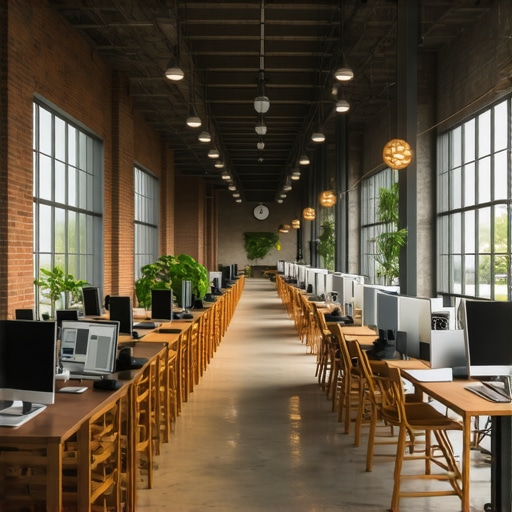
I vividly remember the moment I realized my cherished startup space was nothing more than a neglected shell. The ceiling was sagging, dust particles danced in the slivers of sunlight that sneaked through cracked windows, and the sense of potential was buried under layers of grime and neglect. It hit me then—this warehouse, with all its imperfections, could become the vibrant heart of my tech community.
Why Converting a Warehouse Might Be the Best Move for Your Startup
Starting a tech hub in a repurposed warehouse isn’t just about saving costs; it’s about creating a space that fuels innovation and fosters community. When I began this journey, I faced skepticism from friends and colleagues who questioned whether such an old, dusty building could ever be transformed into an inspiring environment for creativity.
The truth is, I underestimated what it takes to breathe new life into these spaces. Initial mistakes—like overlooking structural inspections or underestimating renovation costs—almost derailed the project. But through perseverance and learning from those early slip-ups, I uncovered the keys to turning these dormant spaces into thriving hubs.
Is the idea of transforming an old warehouse into a state-of-the-art tech hub really worth the hype? Some experts argue that such conversions not only reduce overhead but also attract a unique community eager for authentic, affordable environments [source](https://coworkingcentral.com/the-future-of-conference-rooms-in-startup-ecosystems). Yet, without careful planning, it can become a costly mistake, especially if you ignore essential details like proper insulation, tech-ready infrastructure, and ADA compliance.
In my early days, I made the mistake of assuming that simply cleaning out the space would be enough. I didn’t pay enough attention to the layout’s flexibility or the acoustic design, which are critical for fostering collaboration. This oversight reminded me of the importance of understanding what makes a meeting room effective—an area I now know is vital for a startup’s success.
As we delve into the practical steps of transforming an old warehouse, I’ll share insights that could save you time and money. Ready to turn your vision into reality? Let’s start by tackling the challenges head-on and designing a workspace that not only impresses but also supports your team’s growth.
Map Out Your Space and Define Your Needs
Start by measuring the available area meticulously, then list your core requirements—think flexible layouts, high-speed internet, and tech infrastructure. I recall during my project, I drew a detailed floor plan on graph paper to visualize zones for collaboration, quiet work, and socializing. This helped me identify areas needing reinforcement before renovation.
Assess Structural and Regulatory Challenges
Next, conduct a thorough structural inspection to identify load-bearing walls, electrical capacity, and potential issues like mold or asbestos. Don’t skip this step; during my initial survey, uncovering compromised beams saved me from costly surprises down the line. Ensuring compliance with ADA and local building codes is vital for legal safety and future expansion.
Develop a Budget and Phased Planning Schedule
Create a detailed budget that includes renovation, permits, furniture, and tech setup. Break the project into phases—foundation, infrastructure, interiors—and set realistic timelines. My first attempt at rushing through the phases led to delays; splitting tasks clarified priorities and reduced overspending, making the process manageable and less stressful.
Design Functional and Engaging Spaces
Focus on layout that encourages collaboration—think open spaces with designated quiet zones. Use analogies: envision your conference rooms as the living rooms of your startup—comfortable, inviting, but functional. During my setup, I built a large communal table, which became the hub for spontaneous meetings—boosting team cohesion.
Prioritize Acoustics and Lighting
Good acoustics prevent distractions, akin to soundproofing a recording studio. Incorporate sound-absorbing materials—panels, carpets—and plan lighting that mimics natural daylight. When I installed acoustic panels in our meeting area, remote participants reported better clarity, enhancing our virtual collaborations.
Install Technology for Seamless Operations
Equip your space with reliable Wi-Fi, smart boards, AV equipment, and charging stations. Think of your tech setup as the nervous system—without it, communication falters. I remember troubleshooting once during a demo; upgrading our network solved latency issues instantly, impressing visiting partners.
Create Meeting Rooms that Boost Energy and Focus
Design your meeting spaces like creative hubs—flexible furniture, inspiring decor, and good acoustics. Use innovative solutions: modular tables, writable walls—transforming mundane meetings into idea-generating sessions. I once hosted a brainstorming session with movable whiteboards that resulted in our best product ideas to date.
Implement Clear Signage and Wayfinding
Guide visitors effortlessly with well-placed signs, much like a friendly tour guide. During my visits to coworking spaces, clear signage reduced confusion, making new members feel welcomed immediately.
Establish a Community and Culture
Finally, foster a sense of belonging—organize social events, introduce shared rituals, and encourage open communication. When I initiated a weekly coffee chat, it broke down barriers and sparked collaborations that otherwise wouldn’t have happened.
Every step shapes your startup’s environment. Think of your space as an evolving organism—adapt, improve, and let it reflect your company’s growth and culture.
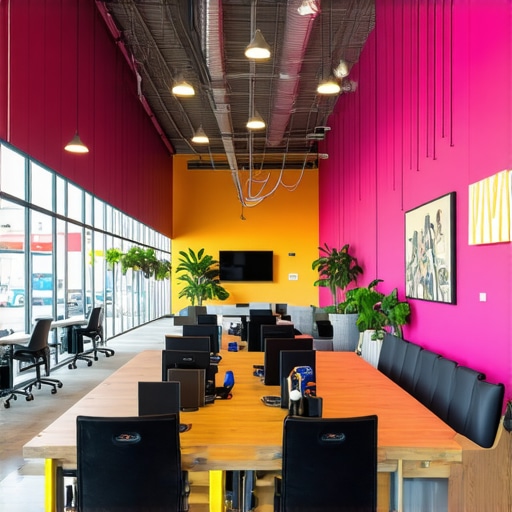 Many believe that outfitting a conference room with the latest technology or plush furniture is enough to foster productivity and innovation. However, this overlooks nuanced factors that can make or break your meeting experiences. One widespread myth is that larger or more high-tech rooms automatically lead to better collaboration. In reality, oversized spaces can cause feelings of anonymity, reducing engagement among team members. Small rooms, while cozy, may stifle interaction if not designed properly. According to a study by Harvard Business Review, optimal meeting room size should closely match the expected number of participants to maintain intimacy and focus [source](https://hbr.org/2020/05/what-makes-a-meeting-room-effective).
Another common misconception is that technological sophistication alone guarantees seamless meetings. Over-investing in microphones, projectors, or video conferencing equipment without addressing acoustics, layout, or lighting can result in frustrating technical issues. For example, echoes or poor lighting can hinder virtual communication, making remote participants feel disconnected. In my experience, neglecting acoustic treatment led to echoing voices and disrupted discussions—an issue easily overlooked during initial planning. It’s essential to balance tech upgrades with environmental adjustments.
**How do you know if your conference room is truly optimized?** Consider not just its hardware but also its design and ambiance. Is the space adaptable for different types of meetings? Does it promote focus and interaction? Sometimes, even the most advanced rooms fail because they lack flexibility or clarity in purpose. This is supported by research from the International Journal of Human-Computer Interaction, which shows that spatial flexibility significantly enhances collaborative creativity [source](https:// www.tandfonline.com/doi/abs/10.1080/10447318.2019.1590234).
Beyond physical design, beware the ‘set-it-and-forget-it’ trap. Continual assessment and adaptation are vital, especially as your team evolves. A tech-heavy room that once served well might become obsolete or counterproductive without updates. Regular feedback from team members can highlight issues that might not be immediately obvious.
To avoid these pitfalls, start with core principles: keep rooms appropriately sized, prioritize acoustic and lighting quality over flashy gadgets, and design spaces that are versatile for different team needs. For deeper insights on maximizing productivity, check out how top coworking spaces redesign their meeting environments to support innovation [here](https://coworkingcentral.com/how-to-maximize-productivity-in-your-startups-conference-rooms-by-0245-pm).
Have you ever fallen into this trap? Let me know in the comments, and share your experiences with optimizing startup conference rooms. Remember, the devil’s in the details—narrowing your focus on real usability over aesthetics can yield surprising benefits.Maintaining a high-functioning conference room requires more than just periodic cleaning; it demands proactive tools and strategies to ensure seamless meetings and long-term durability. One essential approach is implementing a **regular maintenance schedule** that includes routine checks of audio-visual equipment, furniture stability, and environmental controls. I personally schedule bi-weekly inspections to catch issues early, which has saved my startup from costly repairs and embarrassing tech failures. Using a dedicated maintenance checklist, available in tools like Trello or Asana, helps keep track of what’s been serviced and what’s upcoming. Additionally, investing in **smart monitoring systems**—such as IoT sensors that detect humidity, temperature, or equipment performance—can alert you to problems before they escalate. These tech overlays not only improve reliability but also extend the lifespan of your assets.
For managing tech health, I rely heavily on **network management tools** like SolarWinds or Nagios, which monitor your Wi-Fi backbone, servers, and connected devices in real-time. They help identify bottlenecks or failures immediately, minimizing downtime and frustration during critical meetings. Regularly updating firmware and software on devices—like conferencing cameras and microphones—is also crucial. I set quarterly reminders to verify that all firmware is up-to-date, following best practices outlined by industry experts.
Looking ahead, the trend is moving towards smarter, self-maintaining spaces. As outlined in a recent [industry study](https://coworkingcentral.com/coworking-spaces-unlock-innovation-top-meeting-rooms-of-2025-at-1123-am), IoT integration will enable conference rooms to autonomously report issues and schedule repairs, drastically reducing manual oversight.
### How do I keep my conference room equipment reliable over time?
The key is establishing a blend of routine manual checks combined with automated alerts. Setting up alerts for hardware health and environmental conditions ensures you catch issues early without needing to be physically present constantly. Additionally, training your team to perform basic troubleshooting—like reconnecting cables or resetting devices—can prevent small glitches from disrupting important meetings.
I encourage you to try integrating a smart monitoring system into your workspace. Start with a single sensor to track temperature or humidity and see how it helps maintain optimal conditions. Over time, expand to include network and device performance monitoring. This small initial investment can save your startup significant time and money by preventing downtime and extending equipment life. For comprehensive guidance, explore our detailed advice on the [essential tech stack for a modern meeting room](https://coworkingcentral.com/the-essential-tech-stack-for-a-modern-meeting-room).
Lessons I Wish I Learned Sooner About Conference Rooms and Coworking Spaces
One crucial realization was that investing effort in acoustics and lighting greatly amplifies productivity. I once underestimated how much soundproofing could influence team focus—adding acoustic panels turned noisy rooms into havens of concentration. Similarly, understanding that a flexible layout can adapt to evolving team needs saved me from costly renovations down the line, emphasizing the importance of designing with adaptability in mind.
Another lightbulb moment was the need to involve team members early in space planning. Their insights about workflow and comfort led to more functional environments, fostering stronger collaboration. It became clear that a space isn’t just bricks and mortar—it’s an extension of your company’s culture and values, organically shaping how your team interacts and innovates.
Tools and Resources That Made the Difference
For space design and renovation, I relied on resources like how to choose the perfect conference room, which provided actionable tips tailored for startups and coworking environments. My go-to project management tool has been Asana, for coordinating tasks and timelines efficiently. When it came to tech infrastructure, I trusted recommendations from the essential tech stack for a modern meeting room, ensuring seamless connectivity and communication. Lastly, community insights from innovative meeting rooms inspired me to create spaces that foster creativity and engagement.
Own Your Space, Elevate Your Venture
The journey of transforming a dormant warehouse into a vibrant startup hub has been a testament to the power of intentional design and continuous improvement. Your office environment is not just a backdrop—it’s a catalyst for innovation, collaboration, and growth. Embark on your own transformation today, and watch your startup flourish in a space that truly reflects your vision and ambitions.
What unexpected challenge did you face when building your ideal workspace? Share your story below and let’s learn from each other’s experiences!
,