
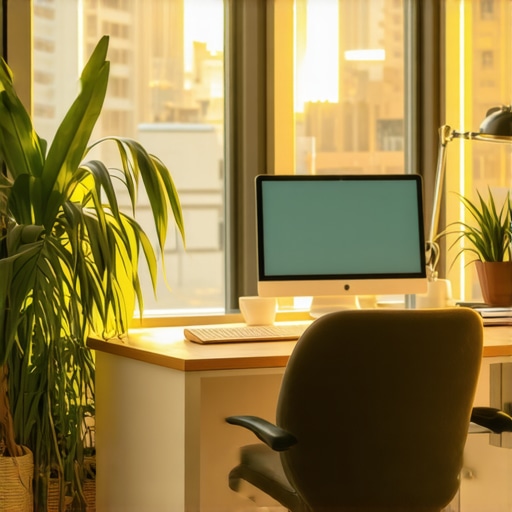
There was a morning when I nearly gave up on my workspace altogether. It was a gray, gloomy Tuesday, and I sat staring at my computer, feeling sluggish and uninspired. The blinds were half-closed, casting dull shadows across my desk. That moment was my lightbulb moment—literally. I realized my environment was draining my energy rather than fueling my creativity.
The Power of Sunlight in Your Workspace
Since then, I’ve made it a priority to harness natural light. And let me tell you, the difference has been astonishing. Bright, sunlit spaces boost mood, increase productivity, and even improve mental health. Yet, many of us overlook how critical this element is when setting up our work environments. Instead, we get caught up in furniture, tech gadgets, or endless decor, neglecting the simple yet powerful impact of daylight.
Research supports this personal experience. A study published in Environment and Behavior found that workers with optimal daylight exposure reported higher productivity and well-being. No surprise, right? But how often do we truly consider window placement or the orientation of our desks? My early mistake was placing my desk in a dark corner, thinking it didn’t matter. Turns out, it mattered a lot.
Today, I want to help you avoid the same oversight. We’ll explore the why behind natural light’s importance and how you can make your workspace more sun-friendly, even in less-than-ideal settings. If you’ve ever felt sluggish during those overcast mornings or noticed how your mood dips on cloudy days, keep reading. We’re about to change that.
Is Your Workspace Light Enough to Keep You Sharp?
Fear of investing in brighter bulbs or window treatments holding you back? Honestly, I used to think that only big renovations could improve light. But I learned that small adjustments often make the biggest difference—like repositioning your desk or adding mirrors to reflect sunlight. Early on, I overlooked these simple tactics, thinking they wouldn’t make much impact. Big mistake. Trust me, sometimes a minor change provides a major boost.
So, are you facing this same struggle? Do dull spaces sap your energy? If so, you’re not alone, and better lighting could be your secret weapon. Want to dive deeper into creating a workspace that truly energizes you? Check out how innovative coworking spaces are transforming meeting rooms for inspiration. Now, let’s get practical and start turning your workspace into a bastion of daylight and productivity.
Position Your Desk for Maximum Sunlight Exposure
Start by analyzing your current desk placement. I once committed a rookie mistake by placing mine in a dark corner, thinking it didn’t matter. One morning, I repositioned my desk to face the window, much like aligning a telescope to get the best view. The result? A surge of natural light that kept me energized through long hours. To do this effectively, measure window angles and evaluate how sunlight filters throughout the day. Even a slight shift can drastically improve your workspace’s brightness. If your space is limited or faces away from natural light, consider adding a mirror to reflect sunlight into your area. This simple tactic amplifies daylight without costing a dime and is especially useful if you’re working in a dense urban environment.
Use Mirrors to Boost Natural Light
Mirrors are the unsung heroes of workspace lighting. I bought a large, frameless mirror and positioned it opposite my window. The effect was immediate—light bounced around, brightening even the dullest corners. Think of mirrors as light amplifiers; they extend the reach of daylight and make your space feel larger. Place them strategically near windows or light sources to maximize this effect. For added impact, choose reflective surfaces that match your decor style, turning functionality into aesthetic enhancement. This approach is especially effective in enclosed rooms where expanding physical windows isn’t an option.
Enhance Lighting Without Major Renovations
If improving natural light isn’t enough, turn to artificial solutions that mimic daylight. Bright, full-spectrum LED bulbs are cost-effective and can be installed easily. I experimented with different bulb temperatures; daylight (5000K-6500K) bulbs made my workspace feel like an outdoor afternoon. When choosing bulbs, look for those labeled “full spectrum” or “daylight” to match natural conditions. Additionally, use adjustable desk lamps to target specific areas, like your keyboard or notepad. This focused lighting prevents eye strain and maintains alertness during those late-night work sessions. For shared spaces or co-working hubs, consider fixtures with dimming features so multiple users can customize brightness levels.
Reflect Light with Strategic Decor
Beyond mirrors, other decor elements can help bounce light around. Light-colored walls and desks reflect more illumination than dark surfaces. I painted a single accent wall in a subtle off-white, which instantly brightened my room. Similarly, installing light-colored or reflective accessories, such as filing trays or desk organizers, can subtly distribute light further. It’s a micro-adjustment that makes a tangible difference—think of it as adding more sails to catch the wind of natural light.
Select the Right Meeting Space for Creativity and Productivity
When it comes to collaborative work, the conference room or meeting area can either stifle or spark innovation. I once booked a traditional, dimly lit conference room for a brainstorming session. The lack of energy was palpable until I moved our meeting to a vibrant, well-lit coworking space. The change ignited a flurry of ideas. To replicate this effect, prioritize spaces with ample natural light and flexible layouts. Check how to choose the perfect conference room to ensure your meetings are set up for success. For startups, innovative meeting rooms with writable walls or modular furniture encourage spontaneous collaboration, as highlighted in these creative spaces.
Limit Distractions and Optimize Acoustics
A distraction-free environment sharpens focus. Use materials like cork panels or fabric-covered walls to absorb noise and prevent echo, especially in open layouts. I experimented by adding a fabric curtain at the back of our meeting room, which reduced ambient noise and improved communication clarity. Consider repositioning seating to avoid high-traffic zones or sources of noise, and use soft furnishing to create a cozy, focused atmosphere. Good acoustics don’t just improve sound; they influence mood and engagement, which are crucial for innovative thinking.
Leverage Technology for Better Lighting and Sound
Technology can enhance even the most basic workspace. Smart lighting systems that adapt to the time of day or occupancy sensors ensure spaces are always optimally lit. I integrated a system that dims lights when sunlight is abundant, maintaining a consistent brightness level without wasting energy. For meetings, quality microphones and speakers prevent miscommunication. In my startup, we invested in high-quality audio gear and lighting setups for virtual events, which increased participant engagement and professionalism. Explore options through tech solutions for modern meeting spaces to upgrade your environment effectively.
Coordinate With Your Team to Maintain Improvements
Maintaining an optimal workspace isn’t a one-and-done task. Regular team check-ins help identify what’s working or needs adjustment. Implement simple routines, like monthly lighting audits or furniture rearrangements, to keep the space energizing. My team schedules quarterly assessments, rotating responsibilities among members for setups or decor. This collective effort keeps the environment fresh and functional. Remember, a well-maintained space fosters continuous creativity and productivity, turning your workspace into a vital asset rather than a static backdrop.
Many entrepreneurs and teams assume that choosing a coworking space or a meeting room is simply about finding a fair price or a convenient location. However, there’s a lesser-known nuance that can make or break your productivity and growth—something that many overlook until it’s too late. One prominent myth is that bigger or trendier spaces automatically lead to better collaboration. In reality, the environment’s design, acoustics, and layout influence engagement more than you might expect. For example, a study published in the Journal of Environmental Psychology reveals that open layouts can inhibit deep focus and increase cognitive load, contrary to popular belief that openness always fosters creativity. This is why some startups that rushed into sprawling, communal areas without considering acoustics or privacy often faced decreased productivity and internal friction. The trap here is assuming that aesthetics or buzzwords like ‘collaborative’ always equal effective work spaces—yet, these designs sometimes sacrifice quiet zones or soundproofing, reducing overall efficiency. An advanced consideration involves understanding how your team’s specific needs and communication patterns should influence space selection. For instance, remote work is often promoted as the ideal, but research from Buffer’s State of Remote Work report emphasizes that a hybrid model, with designated in-office collaboration zones that prioritize face-to-face interaction, often yields better innovation outcomes than complete remote setups. This nuance suggests that startups need to be strategic about their physical space—not just to impress investors or clients but to genuinely optimize collaboration and creativity. The biggest oops occurs when teams rely on generic coworking arrangements without considering the specific acoustic and spatial configurations that support their workflows. Do you think your workspace aligns with your team’s dynamics? If you want to explore spaces that foster true innovation, check out how creative coworking environments turn meeting rooms into collaboration hubs. Remember, effective space planning isn’t just about trendy designs but about understanding the intricate nuances that influence work behavior. Have you ever fallen into this trap? Let me know in the comments.Maintaining an optimized coworking environment requires more than just initial setup; it necessitates deliberate tools and methods to ensure sustained productivity and growth. One essential tool I personally rely on is Notion. I use it as a centralized knowledge base for tracking project workflows, meeting notes, and resource libraries. Its customizable templates and collaborative features keep my team aligned and able to adapt quickly to changing needs. For real-time communication, Slack remains indispensable. I’ve configured specific channels for different project streams, which reduces email overload and fosters informal, quick exchanges that often spark creativity. Additionally, integrating Slack with tools like audio enhancement solutions helps ensure smooth virtual interactions, crucial in a hybrid setup.
For scheduling and resource planning, I prefer Trello combined with Calendar integrations. It visualizes task progress while syncing with my Google Calendar, preventing overlaps and missed deadlines. These platforms, when set up properly, act as the backbone of a well-maintained workspace ecosystem.
On the hardware front, investing in ergonomic peripherals like adjustable standing desks and high-quality monitors significantly impacts health and focus over time. I personally swear by the Ergotron standing desk and Dell UltraSharp monitors for their reliability and comfort.
Looking ahead, I predict that AI-powered workspace management tools will become mainstream, enabling predictive maintenance, resource optimization, and personalized environment adjustments. Embracing these emerging trends now can give your startup a competitive edge.
How do I maintain these tools over time? Regularly reviewing and updating your software integrations ensures compatibility and new feature benefits. Scheduling quarterly check-ins to assess hardware condition helps avoid unexpected breakdowns, saving costs and downtime. For example, scheduling a biannual audit of your tech stack can reveal obsolete software or hardware that needs upgrading.
Finally, I recommend trying out automation workflows via tools like Zapier. Automate routine tasks such as onboarding new team members, updating meeting agendas, or informing team members about upcoming deadlines. This simplifies management and keeps everyone aligned.
To deepen your workspace management, consider reaching out to experts through our contact page for personalized guidance. Remember, a well-maintained environment isn’t built overnight but through consistent application of reliable tools and proactive checks. Start by implementing at least one new automation workflow today—your future self will thank you.
Lessons That Took Me Longer Than I Expected
- For the longest time, I believed that investing in trendy furniture or high-end tech was the key to a productive coworking environment. Turns out, strategic lighting played a bigger role than I realized—something less flashy but profoundly impactful.
- I used to think that natural light was a luxury rather than a necessity. An eye-opening experience made me see that even small adjustments, like desk placement near windows or reflective surfaces, could transform the energy of a space.
- My biggest misstep was overlooking acoustics and sound management in open-plan coworking areas. I didn’t realize how much sound could drain focus and dampen innovation, especially during collaborative sessions.
- I was skeptical about technology mimicking sunlight—full-spectrum bulbs seemed unnecessary. But after experiencing the effect, I see that the right artificial lighting can keep the workspace vibrant, regardless of weather or time of day.
- Lastly, I underestimated the importance of ongoing workspace maintenance. Regularly assessing lighting, acoustics, and layout is essential to sustain an environment that fuels creativity and productivity.
Tools and Resources That Make a Difference- Full-spectrum LED bulbs—I trust these because they replicate natural daylight, reducing eye strain and boosting mood, especially in darker seasons.
- Creative coworking spaces—Their innovative layouts and lighting solutions have inspired me to think beyond conventional setups.
- Mirrors—Using strategically placed mirrors has shown me how simple reflection can amplify natural light, creating a more open and energetic environment.
- Productivity-focused strategies—These guides help me optimize meeting rooms for creative and efficient collaboration, especially through lighting and acoustics.
Your Move Toward a Brighter Work Future
Embracing smarter lighting and environment design is more than a trend; it’s a catalyst for genuine innovation and well-being in coworking spaces. With thoughtful adjustments, you can turn any workspace into a vibrant hub of ideas and energy. Don’t wait for the perfect setup—start small, stay consistent, and watch your environment transform into a competitive advantage. Have you ever had an ‘aha’ moment about your workspace environment? Share your story below, and let’s inspire each other to create workspaces that truly energize.