
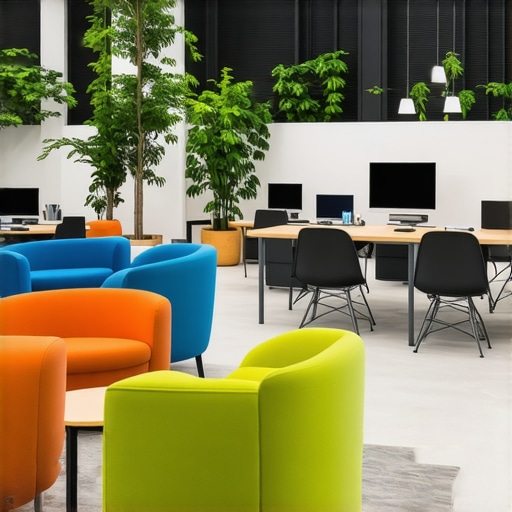
I remember walking into a startup’s conference room a few months ago, expecting a standard setup—plain tables, basic tech. But what hit me was the plush sofas, high-end coffee machine, and walls filled with inspiring artwork. It was like stepping into a boutique hotel, not an office. That moment made me realize something: modern startups are obsessed with creating amenities that make their workspace feel more like a lifestyle than just a place to work. And honestly, I’ve struggled to understand why—until I experienced the impact firsthand.
The Hidden Power of Amenities in Startup Culture
In the early days of my own startup, I focused heavily on product development and acquiring customers. Office amenities? Honestly, I thought they were just fluff—nice to have but not essential. But I can tell you, that mindset was a mistake. When I finally invested in some thoughtful perks—like cozy lounge areas and quality refreshments—I noticed a real boost in team morale and productivity. It’s not just about comfort; amenities foster a sense of community and make spaces inviting, encouraging spontaneous collaboration.
A survey by Harvard Business Review points out that comfortable and aesthetically pleasing offices lead to a 15% increase in employee satisfaction. That’s pretty compelling. So, what’s truly driving this trend? And more importantly, how can startups leverage it without blowing their budgets?
Is All This Amenities Hype Actually Worth It?
Initially, I worried that investing in amenities was a distraction, maybe even a waste of resources. I thought, “Is it really necessary when we should be funneling every dollar into growth?” I made the mistake of undervaluing how these perks can act as an extension of your brand and culture. In fact, ignoring this trend can backfire, making your space forgettable and less appealing compared to beanbag-filled co-working hubs and tech-savvy lounges.
If you’ve ever wondered whether all the fuss about amenities is justified, let me assure you—it is. You don’t need to go overboard, but strategic investments can inspire your team, attract top talent, and even unlock new networking opportunities. Want to see how some startups are transforming their spaces? Check out the latest innovations in coworking environments, where amenities are becoming essential for success [here](https://coworkingcentral.com/unlock-networking-opportunities-in-top-coworking-environments).
What’s next? We’ll explore specific amenities that deliver real value and how to implement them without breaking the bank. But first, ask yourself—have you ever faced a problem because your workspace didn’t inspire or motivate your team? If so, you’re not alone, and that’s exactly what we’ll address next.
Choose the Right Furniture to Foster Collaboration
Picking furniture isn’t just about style—think of it as setting the stage for sparks to fly. I once bought a batch of mismatched chairs and a massive conference table without much thought. The result? Meetings felt disconnected, and my team hesitated to share ideas. Instead, opt for modular seating that encourages group discussions. Consider adjustable-height desks to accommodate different working styles.
Test the Layout in Real Conditions
Set up a prototype layout and spend a few days working there with your team. Observe how people naturally use the space, and be prepared to reconfigure. For example, I moved a few lounge chairs closer to the main work area after noticing people preferred informal chats over formal meetings—much like creating a cozy corner for spontaneous brainstorming.
Integrate Tech That Enhances Productivity
Equip your meeting spaces with high-quality audio-visual tools. I recall struggling during a pitch session due to poor lighting and sound. Swapping out basic projectors for 4K screens and installing soundproof panels made a world of difference. Use software like [conference room booking systems](https://coworkingcentral.com/how-to-choose-the-perfect-conference-room-for-business-success) to streamline scheduling and avoid conflicts.
Set Up Technology Stations for Quick Access
Create dedicated stations pre-loaded with essentials—charging docks, note-taking apps, and Wi-Fi hotspots. I once added a mini-server with collaborative tools at my coworking space, which cut down setup time for meetings by half. This minimizes disruptions and keeps the focus on the session itself.
Create Ambiance to Boost Creativity and Comfort
Lighting can make or break a workspace. During one renovation, I installed adjustable LEDs that mimicked natural light, which helped reduce fatigue. Incorporate elements like plants, artwork, and even subtle background music. I experimented with a playlist of ambient sounds during team workshops, resulting in enhanced focus and collaboration.  Implement lighting controls that allow customization throughout the day. This simple adjustment encourages your team to stay energized and engaged.
Use Visual Cues to Guide Engagement
Strategically place visual cues—like motivational quotes or diagrams—that can inspire spontaneous interactions. I once painted a mural in our coworking lounge that sparked a weekly storytelling session, transforming it into a lively hub of creativity. Consider leveraging [innovative meeting room designs](https://coworkingcentral.com/innovative-meeting-rooms-that-boost-startup-creativity) to foster an environment that naturally promotes conversations.
Standardize Booking and Maintenance for Seamless Operation
Adopt a booking system to prevent double reservations and ensure availability. I faced chaos when multiple teams tried to book the same conference room manually; implementing an online scheduler eliminated this issue overnight. Regular maintenance, like cleaning tech equipment and checking furniture, keeps the space inviting. Use tools like [room management software](https://coworkingcentral.com/the-best-software-for-managing-room-bookings) to track usage and plan upgrades.
Solicit Feedback to Refine Offerings
Regularly ask your team for input on amenities. I created a simple online form that revealed which features were underutilized or needed improvement. Acting on this feedback—like adding a coffee station—significantly increased overall satisfaction. Tailor amenities based on actual needs rather than assumptions, ensuring every investment delivers value. The key is continuous adjustment, making your space a dynamic environment that aligns with your team’s evolving requirements. Remember, strategic investments in workspace amenities aren’t about splurging—they’re about creating a functional, inspiring environment that propels your startup forward.Many believe that simply having a dedicated conference room or well-designed meeting space guarantees productive discussions. However, the reality is far more nuanced. A common misconception is that larger or more sophisticated rooms automatically lead to better outcomes, but in my experience, the key lies in how these spaces are integrated into daily workflows and cultures. Overestimating the impact of physical features without considering usability and context can result in wasted resources and underwhelming results. For instance, a high-end room with all the latest tech may be underutilized if it lacks flexibility or isn’t aligned with the team’s collaborative style.
One critical nuance often overlooked is that meeting spaces should adapt to the startup’s evolving needs. A space optimized for formal presentations can stifle spontaneous conversations and cross-department collaborations, which are vital in a fast-paced startup environment. It’s tempting to invest in multiple specialized rooms, but this can lead to fragmented workflows and an underused real estate footprint. Instead, flexible and multipurpose spaces encourage organic interactions and foster innovation.
A notable trap to avoid is equating conference room size with productivity. Bigger rooms aren’t necessarily more effective; they can sometimes inhibit participation or make discussions less intimate. According to a study published in Harvard Business Review, smaller, more informal meeting areas promote greater engagement and idea sharing. This insight suggests that startups should prioritize creating cozy, inviting environments over sprawling conference halls.
For the advanced startup leader, there’s a strategic question worth considering: how can meeting rooms be designed to unlock top-tier networking and collaborative opportunities beyond routine meetings? The future of coworking spaces points toward integrating communal zones that facilitate serendipitous interactions, which can lead to partnerships and innovative projects. As highlighted in the article about the future of conference rooms, adaptable environments that foster spontaneous networking are increasingly crucial for startup ecosystems[here](https://coworkingcentral.com/unlock-networking-opportunities-in-top-coworking-environments).
Be aware of the oops factor—a common mistake is neglecting acoustics and privacy, which directly impacts the effectiveness of meetings. Poor soundproofing or distracting background noise can derail even the best agenda. Investing in sound-absorbing materials and ensuring confidential spaces are essential, especially when discussing sensitive startup strategies. Companies often overlook these areas, leading to compromised discussions and potential leaks.
Finally, remember that technology, while vital, isn’t the silver bullet. Overreliance on gadgets without fostering a culture of openness can create barriers rather than bridges. Wired meetings should complement a space that encourages face-to-face connection. For a deeper dive into designing innovative meeting environments, check out the latest trends in transforming meeting rooms into collaboration hubs[here](https://coworkingcentral.com/creative-coworking-transforming-meeting-rooms-into-collaboration-hubs-at-0455-pm).
In summary, the real secret lies in understanding that effective meeting rooms are less about gadgets and grandeur, and more about strategic design, flexibility, acoustic comfort, and fostering a collaborative culture. Have you ever fallen into this trap? Let me know in the comments.Managing meeting spaces effectively over the long term requires a blend of reliable technology, consistent maintenance, and strategic planning. My go-to tools are designed to streamline operations, enhance collaboration, and ensure your workspace evolves with your startup’s needs. One essential system I rely on is Robin, a smart room scheduling software that integrates seamlessly with calendar tools like Google Calendar and Office 365. It automates bookings, prevents double reservations, and provides real-time occupancy data, which is crucial for optimizing limited space in a growing startup. Regularly reviewing usage analytics helps me identify underutilized rooms and adjust layouts or amenities accordingly, maximizing ROI. Additionally, incorporating maintenance management platforms such as UpKeep assists in tracking maintenance requests, scheduling routine upkeep, and avoiding unexpected downtimes—ensuring that meeting environments remain inviting and functional. For hardware, I personally advocate for investing in high-quality AV equipment—like 4K projectors and soundproofing panels—which significantly improve the quality of virtual and in-person meetings. Looking ahead, the trend points toward integrated IoT systems that automate climate control, lighting, and even booking management through centralized platforms, further reducing manual oversight and increasing sustainability.
How do I maintain this system over time?
Consistency is key. I schedule quarterly reviews of booking data to identify patterns, adjust layouts, and upgrade equipment as needed. Regularly soliciting feedback from team members ensures the environment continues to meet their evolving needs. Implementing a culture of proactive maintenance—like setting up routine checks with platforms such as UpKeep—prevents minor issues from becoming major, costly problems. I also recommend establishing clear protocols for room use and tech support, empowering everyone to troubleshoot basic problems without delay. As startup environments grow more dynamic, I believe these tools and practices will become even more vital. Embracing automation and data-driven decision-making ensures your meeting spaces remain assets rather than liabilities. To strengthen your management approach, try leveraging a comprehensive scheduling platform like Robin—my personal favorite for its ease of use and integration capabilities—and set up routine maintenance check-ins. This combination will save you time, reduce unexpected disruptions, and keep your workspace agile and inviting.
The Hidden Lessons I Wish I Learned About Meeting Rooms in Startups
- Never underestimate the power of small tweaks—changing a single chair or adjusting lighting can spark more creativity than massive renovations. Your environment molds your team’s mindset, often in subtle ways.
- I’ve realized that flexibility beats luxury every time. Spaces that can serve multiple purposes—whether brainstorming, quiet work, or casual chats—keep your startup agile and innovative.
- Sometimes, simplicity outperforms high-tech solutions. Investing in intuitive booking systems or soundproofing often yields better results than flashy gadgets that get ignored or underused.
- Listening to your team’s feedback is gold. Early on, I overlooked their preferences, which led to unused rooms and frustration. Regular check-ins ensure your space evolves with your needs.
- Creating a culture around shared spaces fosters belonging. When team members see their input reflected in the environment, engagement naturally increases—a vital lesson for any startup.
My Go-To Resources for Smarter Meeting Spaces
- Top coworking environment insights: Great for understanding how amenities influence collaboration and networking, inspiring space design.
- Future trends in conference spaces: Keeps me ahead of the curve on innovative design and technology integration.
- Creative coworking transformations: Practical ideas for turning mundane rooms into hubs of creativity and spontaneous interaction.
Build the Workspace That Inspires Change
Remember, your meeting room environment isn’t just about furniture or tech—it’s the heartbeat of your startup’s culture. Small adjustments can motivate your team, attract talent, and foster the kind of serendipitous encounters that lead to breakthroughs. Don’t wait for perfect conditions; start transforming your spaces today, and watch your startup thrive amidst inspired collaboration. What’s one change you’re excited to implement in your workspace next? Share your plan in the comments below.