

Why local startups are winning against the giants

I remember the moment clearly. It was a foggy Tuesday morning at my local coworking space when I overheard a startup founder passionately pitching her idea. The room was buzzing, yet it wasn’t the big corporate conference room I’d seen countless times—this was intimate, energetic, and genuinely inspired. That realization hit me hard: small, local startups are quietly winning against the corporate giants.

While big companies pour hundreds of millions into marketing and branding campaigns, they often overlook the genuine, personal touch that local startups thrive on. These smaller players are agile, deeply connected to their communities, and incredibly quick to adapt. It’s a classic David versus Goliath story, but increasingly, David has better skills—and a sharper understanding of what their audience truly needs.

So, why does this matter to you, whether you’re starting out or trying to scale? Because understanding this shift can unlock strategies that place your startup on the fast track to success. Think of it like this: it’s not about copying what the giants do, but about creating your own space and leveraging your local advantage.

Let me ask—have you ever felt discouraged because starting small seemed like an uphill battle? I’ve been there. Early on, I threw myself into building an online presence, trying to compete with those massive brands. My mistake? Focusing on broad reach rather than authentic local engagement. That was a wake-up call. Instead of fighting fire with fire, I realized the true power lay in fostering real relationships within my community.

This is where the secret lies—local startups succeed by emphasizing their unique position, personalized experiences, and community-driven approaches. And a big part of this puzzle involves leveraging innovative meeting and workspace strategies that foster creativity and collaboration.

Take, for example, how startups are transforming conventional conference rooms into hubs of innovation. In fact, the future of conference rooms in startup ecosystems is shifting towards spaces that promote spontaneous interactions and creative thinking. You can learn more about this emerging trend [here](https://coworkingcentral.com/the-future-of-conference-rooms-in-startup-ecosystems).

In the following sections, I’ll guide you through practical steps and insider tips—drawing from my own journey—that will help you harness the local advantage and scale your startup beyond expectations. Ready to turn your little corner into a mighty force? Let’s dive in.

Identify Your Space Needs Quickly

Before choosing a conference room, assess your startup’s specific requirements. Consider the team size, meeting frequency, and activities planned. Do you need a space for brainstorming sessions, client presentations, or remote collaboration? Clarifying these needs saves time and directs you toward suitable options.

Opt for Flexibility and Adaptability

Seek conference rooms that can adapt to evolving team sizes and meeting styles. Spaces with movable furniture, modular layouts, or convertible configurations mirror the same agility that fuels startups. For instance, swapping a static table for a dynamic, open setup encourages spontaneous idea exchanges, multiplying creative output. I remember once transforming a traditional boardroom into an interactive workshop zone on a whim, which sparked a breakthrough for our project.

Prioritize Natural Light and Tech Readiness

Natural light boosts productivity and well-being—choose spaces with large windows or skylights. Confirm the availability of high-speed internet, multiple power outlets, and integrated AV equipment to avoid disruptions. I’ve personally experienced meeting delays solely because the room lacked proper connectivity, so ensuring these features upfront smooths the process.

Leverage Innovative Meeting Room Designs

Stand out by selecting rooms designed to inspire collaboration. Innovative features like writable walls, interactive displays, or acoustic zones help focus discussions and foster creativity. This aligns with what experts mention in innovative meeting room trends that enhance startup productivity. During a recent visit, I used a space with a whiteboard wall, leading to a spontaneous flash of ideas that directly influenced our pitch deck.

Book with Tech and Comfort in Mind

Ensure the conference room is equipped with high-quality audio and video tools for seamless virtual communication. Comfortable seating and temperature control also keep attendees engaged. I once booked a room that had state-of-the-art microphones and a big screen, making it effortless to include remote team members; the session’s energy skyrocketed.

Establish a Routine for Booking and Usage

Create a system to manage room reservations efficiently, avoiding overlaps and last-minute rushes. Use scheduling software if possible, as discussed in this article. During one hectic week, implementing a shared calendar reduced conflicts and maximized room utilization, saving us hours of frustration.

Create a Culture of Cleanliness and Respect

Promote clear etiquette among team members to keep spaces tidy and functional. Assign responsibility and set expectations, which supports professionalism and prevents disruptions. Once, I noticed clutter lingering after meetings, which prompted team-wide reminders and a more efficient workflow.
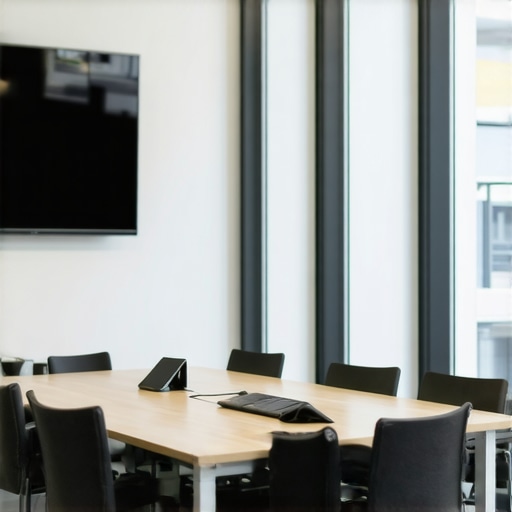
A well-designed modern conference room with flexible furniture, whiteboards, and tech equipment.,While it’s common to assume that larger conference rooms or high-end amenities guarantee startup success, in my experience, the real nuance lies elsewhere. A prevalent myth is that newer, trendier spaces naturally foster greater innovation. However, research from organizational psychology suggests that environment alone doesn’t spark creativity—culture and purpose do. Focusing solely on flashy design or cutting-edge tech can distract startups from crucial factors like team dynamics and clarity of objectives, which are far more impactful. Additionally, many overlook the importance of intentional spatial design—such as breakout zones or flexible furniture—that encourages spontaneous collaboration. These overlooked details can make or break the effectiveness of a startup’s meeting culture. I’ve seen startups with the most impressive spaces struggle with internal communication, while those in modest, well-thought-out environments thrive. Moreover, there’s a trap in assuming that sharing spaces or open-plan layouts always enhance productivity; in reality, they may increase distractions if not managed carefully. According to a study by Harvard Business School, startups that customize their environments to support specific workflows—rather than adopting generic office trends—see higher engagement and faster growth. So, instead of chasing the latest office trends, focus on aligning your physical space with your team’s unique needs. Want to learn more about designing effective coworking environments that truly boost innovation? Check out this resource. Have you ever fallen into this trap? Let me know in the comments.Maintaining an efficient and productive startup environment requires more than just a good idea; it hinges on the tools and systems you put in place. Personally, I swear by a combination of project management, communication, and scheduling tools that streamline my team’s daily operations and ensure no detail slips through the cracks. For instance, I use Trello for task organization because its visual boards make tracking progress easy and engaging, critical for keeping everyone aligned. Additionally, Slack keeps my remote team connected in real-time, fostering collaboration without the overhead of endless emails. To synchronize meetings and avoid double-bookings, I rely on tools like Calendly, which automatically handles scheduling and reschedules when conflicts arise—saving time and reducing frustration. When it comes to long-term results, integrating these systems has helped my startup scale efficiently. Systems like Zapier connect different apps, automating repetitive tasks, like updating a CRM when a new client signs up, allowing my team to focus on creative and strategic work. Looking ahead, I predict that AI-powered assistants will become essential in managing workflow, providing proactive suggestions, and automating complex processes, further boosting productivity. To see this in action, explore how modern coworking spaces are incorporating AI tools to optimize space utilization and collaboration, as discussed in this article. How do I maintain these tools over time? Consistency and regular updates are key. Schedule bi-weekly reviews to assess if your tools continue to meet your needs, and stay informed about new features or alternative solutions that could enhance your workflow. For example, dedicating 15 minutes every couple of weeks to explore updates in your project management app can reveal automation features that save hours each month. Don’t underestimate the power of training your team to maximize tool usage; a short workshop on new features can significantly improve adoption rates. Finally, make sure security remains tight by periodically auditing permissions and working with providers who prioritize data privacy, as outlined in their privacy policy. Try adopting an integrated tool like Notion to unify documentation, task tracking, and knowledge sharing—this convergence helps reduce the chaos often faced in startup environments. Implementing these strategies will embed resilience into your operations, preparing your startup for sustainable growth.

The Surprising Power of Environment Over Equipment

After years of experimenting with various office setups, I realized that environment influence often outweighs the latest gadgets. It’s a lightbulb moment: designing meeting spaces that reflect your startup’s culture and values can ignite creativity more than flashy tech. For example, incorporating casual lounge areas or inspiring wall art creates a sense of belonging and sparks spontaneous collaboration, far beyond what a high-end projector can achieve.

Leveraging Personal Stories for Lasting Impact

Sharing personal experiences during meetings—like initial hurdles or big wins—builds authenticity and trust within your team. I learned early that storytelling can turn an ordinary session into a motivational powerhouse, fostering deeper connections. When you bring genuine narratives into your conference rooms, your team feels more engaged and aligned around common goals.

How Small Tweaks Lead to Big Gains in Meeting Culture

Adjusting minor details—like choosing furniture that encourages movement or setting up natural lighting—can significantly boost productivity. During a recent office refresh, swapping rigid chairs for those that promote slight movement increased energy levels and reduced fatigue. These subtle shifts show that paying attention to the little things cultivates an environment where ideas flourish naturally.

Curated Gems for Startup Space Mastery

  • Notion: I rely on Notion for seamless documentation and task tracking, which centralizes our knowledge base. Its versatility keeps my team aligned and reduces chaos.
  • Workshop Resources: Exploring innovative meeting room trends has opened my eyes to creative layouts that inspire innovation, making every meeting a catalyst for new ideas.
  • Networking Boosters: Connecting through top coworking spaces has enriched my perspective and opened doors I hadn’t considered.

Your Next Step Toward Dynamic Conference Spaces

Remember, transforming your startup’s conference room isn’t about following trends but about nurturing an environment that aligns with your team’s unique rhythm. Think creatively, act intentionally, and continuously iterate. The right space can become your startup’s secret weapon.

If you’ve faced challenges setting up your meeting spaces or have innovative ideas to share, I’d love to hear your story. What small change made a big difference in your startup environment? Drop a comment below!