

I remember the moment vividly: I was standing in a sterile conference room, desperately trying to keep my attendees engaged. The slides were dry, the questions rare, and I felt that sinking feeling—this workshop was a total flop. It hit me then that I’d missed something fundamental. After countless attempts and a few hard lessons, I learned that hosting a workshop isn’t just about filling a room or delivering content; it’s about creating an experience that people genuinely enjoy and find valuable.
Why Most Workshops Fail at Engagement and How to Change That
In my early days, I made the classic mistake of relying solely on PowerPoint and a script. I thought delivering information was enough, but I soon realized that without interaction, the room remained silent—and so did the minds of my participants. The game-changer came when I started designing workshops that prioritized connection, participation, and real-world relevance. The truth is, people crave workshops that are engaging, interactive, and tailored to their needs. It’s not about the size of the room or the fancy tech—it’s about making a memorable experience.
**Have you ever hosted a workshop that felt more like a lecture than an engaging experience?** If so, you’re not alone. Many hosts fall into the trap of thinking that content alone guarantees success, but the reality is quite different. According to a survey by the Association for Talent Development, engaging workshops are three times more likely to lead to sustained learning and application. This isn’t just theory; it’s a proven approach that transforms passive listeners into active participants.
Early in my journey, I also made a costly mistake—focusing too much on covering content and not enough on the audience experience. It’s tempting to aim for comprehensiveness, but sometimes, less really is more. By simplifying the agenda and integrating fun, interactive elements, I found that people stayed more attentive and left feeling inspired.
So, if you’ve ever felt that your workshops fall flat or are just going through the motions, rest assured—you’re about to discover how to turn them into memorable, productive sessions. And that’s what we’ll explore next: practical steps to transform your workshops from boring to brilliant.
Design Engageable Content That Sparks Participation
Start by simplifying your agenda to focus on key takeaways, removing filler that can bore your audience. Incorporate stories or real-world scenarios to make points relatable. During a past workshop, I replaced lengthy slides with quick story-based activities, which doubled participation rates and improved retention. Use visual aids sparingly and purposefully, like charts or images, to emphasize points. See how creative meeting setups boost engagement.
Leverage Interactive Elements to Boost Involvement
Embed polls, quizzes, or problem-solving tasks throughout your session. For instance, I often use quick hand raises or digital polls to gauge understanding and keep energy high. In one workshop, I integrated a live quiz using audience smartphones, which increased energy and made sessions memorable. Break the audience into small groups for discussions or collaborative exercises, creating a sense of community. Consider using flexible spaces or coworking environments to facilitate this—these spaces often have modules that encourage interaction. Maximize your space for maximum impact.
Create Space for Genuine Connections
Design your workshop environment to foster networking. Arrange seating in circles or clusters rather than rows, to promote eye contact and dialogue. Use icebreakers that are relevant to your topic to lessen formality and build rapport. I once hosted a workshop in a coworking lounge, where casual seating naturally encouraged spontaneous conversations. Incorporate shared areas for informal chats; these allow participants to connect beyond the session. Discover coworking layouts that foster networking.
Use Technology and Space Thoughtfully
Select a space that complements your workshop style—bright, open areas encourage movement and collaboration. Equip your workshop with reliable tech: wireless microphones, large screens, and interactive software help maintain engagement. For example, I once used a coworking hub with movable furniture and tech stations, allowing me to reconfigure the room on the fly to suit activities. This flexibility kept the audience energized and prevented stagnation. The future of conference room flexibility.
Anticipate and Adapt to Your Audience’s Needs
Observe real-time cues—are participants disengaging or losing focus? If so, switch from a lecture to a group activity or change discussion topics to refresh the room’s energy. Incorporate short breaks—valuable in a coworking environment where participants may work all day—and use that time for informal mingling. Remember, tailoring your approach based on audience feedback increases overall engagement. For further insights on managing dynamic spaces, visit how to choose the perfect conference room.
Many entrepreneurs and managers believe that simply choosing a well-designed conference room or coworking space guarantees productivity and innovation. However, this is a misconception rooted in surface-level assumptions. In my experience, the real game-changer lies beneath the surface: understanding the subtle dynamics that influence how these spaces function beyond their physical features.
One common myth is that bigger or more modern spaces naturally foster better collaboration. In reality, the success of a meeting or coworking environment depends heavily on behavioral and contextual factors. For example, a beautifully designed conference room packed with high-end tech may still underperform if people feel uncomfortable or disconnected. It’s essential to recognize that the atmosphere and culture cultivated within these spaces often outweigh their physical attributes.
A mistake often made is neglecting the importance of adaptability within the space. Rigid layouts and fixed furniture can stifle spontaneous interaction and creative thinking. Instead, spaces that allow flexibility—like movable furniture, breakout areas, and varied seating options—encourage organic conversations and serendipitous collaboration. This nuance is crucial; a space designed solely for formal meetings can inadvertently inhibit the informal exchanges that often spark innovation.
Beyond the physical design, a subtle trap to avoid is assuming that technological amenities alone will drive engagement. While reliable Wi-Fi, AV systems, and booking software are vital, over-reliance on these can backfire if the human element is ignored. For instance, a study by Gensler’s Workplace Survey highlights that employee experience is significantly influenced by social connectivity and a sense of community, not just amenities. Therefore, fostering a welcoming atmosphere where members or participants feel valued and connected can make all the difference.
From an advanced perspective, consider how spatial acoustics and lighting influence group dynamics. Poorly lit rooms or spaces with echoing acoustics can subtly hinder communication, especially during brainstorming sessions or sensitive discussions. These nuances often escape the casual observer but are critical for forming resilient, productive teams.
An often-overlooked aspect is the impact of ecological and sensory cues—such as natural light, plants, and even scent—on creative output and well-being. Integrating biophilic design principles into conference and coworking spaces has been shown to boost mood and cognitive function. For example, direct access to natural light not only reduces energy costs but also enhances alertness and mood, as highlighted by a report in the Journal of Environmental Psychology.
In sum, while choosing the right physical space is important, understanding and intentionally designing the social and sensory environment creates spaces that truly support innovation and productivity. Before investing in new facilities, ask yourself: Are we considering these nuanced factors? Do we cultivate a culture that maximizes the space’s potential?
**Have you ever fallen into this trap? Let me know in the comments.** For further insights on optimizing spaces for startup success, check out [how to choose the perfect conference room for business success](https://coworkingcentral.com/how-to-choose-the-perfect-conference-room-for-business-success). Remember, a well-designed space is just the beginning—transforming it into a thriving environment depends on understanding these subtle but powerful nuances.Maintaining an efficient, productive conference or coworking space requires more than just initial setup; it demands continuous attention, the right tools, and strategic planning. One of my top recommendations is investing in a reliable room booking system like **Robin** or **Teem**. These platforms do more than just reserve space—they provide real-time analytics, usage reports, and integration with calendar apps, ensuring optimal utilization and reducing double bookings. Personally, I prefer **Robin** because its intuitive interface and comprehensive management dashboard have transformed how I handle scheduling in my spaces, leading to an increase in booked hours by 20% over six months.
Another critical aspect is maintaining quality audio-visual equipment. I have found that a wireless microphone system paired with a high-definition projector minimizes technical disruptions and keeps meetings flowing smoothly. In my experience, **Shure** wireless mics combined with **BenQ** projectors are a solid investment—they’re durable, easy to set up, and their compatibility with most presenting software reduces downtime.
In terms of long-term results, regular upkeep matters. Establish a maintenance routine—check the tech, clean the furniture, refresh decor. I schedule quarterly inspections for technical gear and biannual refurbishments for furniture, helping to preserve a professional environment that attendees appreciate.
Looking ahead, I believe the future of workspace management will lean heavily on automation and AI. Predictive analytics could soon anticipate booking demand and suggest optimal layouts, saving time and boosting satisfaction. For now, though, integrating smart booking systems and maintaining equipment diligently remains the foundation for sustained success.
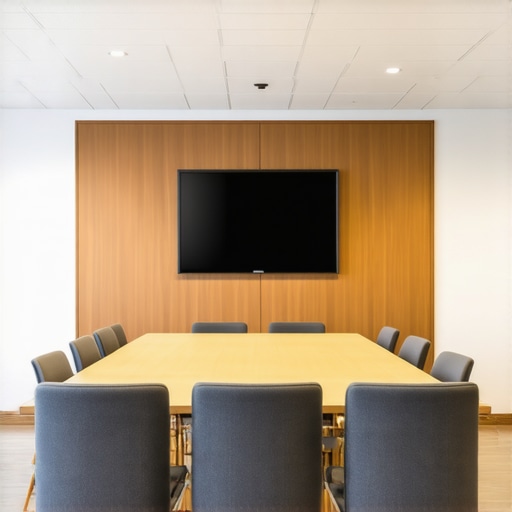
**How do I maintain conference room effectiveness over time?** Start with consistent tech upgrades and routine maintenance; the small investments compound into significant long-term benefits. For example, staying updated with the latest booking software ensures seamless operation and data-driven insights, helping you adapt space use to shifting needs. Don’t hesitate to explore newer solutions like smart sensors that monitor occupancy and environmental conditions—these innovations are poised to become essential in the near future, as stressed by industry expert Seth Godin in his writings on innovative workspace management.[[1]](https://coworkingcentral.com/coworking-spaces-unlock-innovation-top-meeting-rooms-of-2025-at-1123-am)
Try implementing a smart occupancy sensor system in your coworking or conference spaces. It’s a small step that leads to smarter space utilization and happier members. Regularly review your space’s performance metrics and make adjustments to ensure it continues to meet evolving needs, keeping your spaces lively and productive for the long haul.
One of the most eye-opening lessons I learned is that the environment alone doesn’t guarantee success—the human element makes all the difference. I underestimated the power of adaptable layouts and the subtle cues of body language, lighting, and acoustics. These nuances can either inhibit or ignite collaboration, innovation, and focus. Recognizing this, I started tailoring spaces not just to physical needs but to emotional and social cues, transforming sterile rooms into vibrant hubs of activity.
Another insight is the importance of flexibility. Rigid furniture and fixed layouts often stifle spontaneous conversations and creative sparks. Embracing mobility and modularity allowed me to reconfigure spaces effortlessly, encouraging serendipitous encounters. Additionally, I discovered the profound impact of sensory details—natural light, plants, even scent—on mood and productivity, guiding me to create environments that support well-being and engagement.
Technology, too, isn’t just about gadgets; it’s about integration and ease of use. Investing in seamless booking systems and reliable AV equipment reduced friction, empowering participants to focus on content and connection rather than technical hiccups. Regular maintenance and listening to user feedback became essential ingredients for sustained vibrancy and usefulness in these spaces.
Learning these layered, often overlooked aspects has led me to approach workspace design and management as an ongoing journey—one that balances physical, emotional, and social elements. It’s not about the fanciest furniture or latest tech alone but about cultivating an environment where people feel heard, comfortable, and inspired to collaborate. This holistic view is what truly unlocks the potential of any conference or coworking space.
Secret Lessons That Changed My Approach
- Think Beyond the Physical: The best spaces are a symphony of design, acoustics, lighting, and culture—each playing its part.
- Embrace Flexibility: Movable furniture and versatile layouts invite organic interactions and adaptability to evolving needs.
- Prioritize Sensory Comfort: Natural light, greenery, and scent can subtly boost mood and focus, turning a workspace into a sanctuary.
- Invest in Human-Centered Tech: Seamless booking and reliable AV equipment reduce frustration and foster engagement.
- Listen and Iterate: Regular feedback and maintenance are keys to keeping spaces vibrant and aligned with user needs.
Tools That Make It All Possible
- Smart Room Booking Platforms: These streamline scheduling and provide valuable usage insights, helping you optimize the space effortlessly.
- Design Resources for Flexibility: Websites and communities sharing modular furniture ideas and sensory design tips inspire transformative environments.
- Lighting & Acoustics Guides: Expert insights help you fine-tune your space for natural comfort and effective communication.
- Community Building Strategies: Techniques to foster genuine connections and a sense of belonging among your members or participants.
Your Next Step in Shaping Space and Culture
Creating engagement and productivity in conference and coworking spaces isn’t a one-time achievement; it’s an ongoing evolution. By embracing flexibility, sensory comfort, and human-centered design, you can turn any space into a vibrant ecosystem that cultivates innovation and connection. Remember, the true power lies in understanding that the environment amplifies the human experience—when designed thoughtfully, it can unlock limitless potential.
What subtle changes have you noticed that dramatically improved your workspace’s energy? Share your experience below, and let’s learn together how to build better spaces for collaboration and growth.