

It was a Friday afternoon, and I was frantically trying to organize an impromptu pitch meeting in a conference room that clearly wasn’t prepared for the spotlight. The flickering projector, awkward lighting, and creaky chairs turned what should’ve been a sparkling presentation into an experience I’d rather forget. That moment hit me hard: the space I chose didn’t just hold our meeting; it subtly shaped our brand’s perception. Have you ever faced a similar situation where the environment behind a crucial meeting sabotaged your message?
Why Your Meeting Environment Could Make or Break Your Brand
What I learned early on is simple yet often overlooked. The setting of your meetings, events, or simply the space where your team gathers, directly influences how clients and partners perceive your startup. A well-curated event space reflects professionalism, innovation, and attention to detail—traits every startup strives to showcase. Conversely, a mediocre or poorly chosen environment can inadvertently communicate a lack of polish or seriousness.
Research shows that visual cues in meeting spaces impact decision-making processes significantly. In fact, a study from Harvard Business School highlights that the physical environment can boost perceptions of a company’s credibility and trustworthiness (see here for practical tips on creating impactful environments). This underscores the importance of selecting spaces that align with your brand’s identity.
But it’s not just about aesthetics. The functionality of your event space also plays a crucial role. Are the rooms equipped with the necessary tech? Is the lighting conducive to both focus and collaboration? Do these spaces promote openness and engagement?
Ask yourself: Have I ever compromised on my meeting environment and paid the price? Was there a moment when a better space could have changed the outcome?
In this post, I’ll walk you through how to identify, select, and utilize the right event spaces that will not only serve your needs but also elevate your startup’s brand presence. Ready to turn your meetings from mundane to memorable? Let’s dive into actionable strategies that make your environment work *for* you, not against you.
Identify Your Core Needs and Set Clear Priorities
Begin by assessing the fundamental requirements of your meetings. Is high-quality tech essential? Do you need a space that fosters collaboration or maintains privacy? For example, I once organized a pitch for potential investors in a cramped, noisy café, which immediately diminished our credibility. To avoid similar pitfalls, list your must-haves—such as reliable Wi-Fi, AV equipment, seating capacity—and rank them by importance.
Explore Innovative Coworking Spaces and Identify What Fits Your Culture
Next, research coworking hubs known for their startup-friendly environments. Look for spaces that promote innovation, like these creative meeting rooms. Unlike traditional conference rooms, modern coworking environments often come with flexible configurations, inspiring murals, and communal areas that energize your team. Visit several options to see which resonates with your startup’s vibe and values.
Evaluate Location and Accessibility for All Participants
Site selection impacts attendance and punctuality. Choose a location central to your team and clients, with good transport links. I learned this firsthand when I booked a space on the outskirts of town, which everyone found inconvenient, leading to last-minute reschedules. Use online maps and ask team members for feedback to pick an accessible spot. Remember, a strategic location can be a silent sales pitch, signaling professionalism and commitment.
Assess Technical Infrastructure and Functionality
Ensure the space is equipped with necessary technology—HD screens, conferencing tools, charging stations—and that it functions seamlessly. Don’t overlook lighting—good lighting can boost focus. During a recent meeting, I moved to a coworking space because the previous room’s dim fluorescent lights made everyone lethargic, reducing productivity. Testing the setup beforehand prevents technical glitches during the actual meeting.
Optimize Ambiance and Maintain Flexibility
Ambient factors influence mood and engagement. Light, acoustics, and decor should align with your brand image. Consider adding plants or art to create a welcoming atmosphere. Flexibility is vital—select spaces that allow easy reconfiguration for workshops, breakout sessions, or formal presentations. I once booked a space that seamlessly transformed from a quiet think-tank to an energetic workshop area, enabling us to maximize its use regardless of the agenda.
Negotiate and Establish Clear Terms
Finally, clarify rental agreements, cancellation policies, and amenities included. Negotiating better rates or additional services, like dedicated support staff, can save costs and hassle. Check negotiation tips here. During a startup phase, I negotiated a package that included free coffee and printing—small perks that made a big difference in meeting efficiency. Building good relations with space providers often results in more tailored solutions for your needs.
Many assume that selecting a meeting room is as simple as finding a space with enough capacity and decent amenities. However, this overlooks a critical nuance: the psychological and subtle environmental cues that influence decision-making and team performance. Contrary to popular belief, bigger or more high-end spaces don’t always translate into better outcomes. In fact, in my experience, startups often get tripped up by focusing solely on surface features, ignoring the deeper, less obvious factors that can make or break a meeting’s success.
One common myth is that all coworking spaces or conference rooms are created equal. Innovative meeting rooms are often promoted for their creative potential, but the real game-changers are those that subtly shape participant behavior and engagement. For example, a room’s layout, lighting, and even the color scheme can influence an attendee’s mood and openness. Bright, warm lighting can boost alertness, whereas overly sterile or cold environments might hinder genuine collaboration. Many startups neglect to consider these subtle factors, opting for the cheapest or most convenient option, which can inadvertently undermine their goals.
Why Does the Environment Matter More Than You Think?
Studies show that physical surroundings have a tangible impact on cognitive function, mood, and interpersonal dynamics. Dr. Susan Fowler, an organizational psychologist, explains that ambient factors like soundscapes and spatial arrangement influence trust and creativity (source). Therefore, selecting a space that aligns with desired outcomes—whether fostering innovation or streamlining decision-making—requires a nuanced understanding beyond just capacity and tech specs. Overlooking these elements often results in wasted time, miscommunication, or disengagement.
Additionally, the popular concept of open-plan coworking spaces isn’t always ideal. While they promote transparency and networking, they can also lead to distractions and information overload, which negatively impact focus. Creative spaces that integrate quiet zones or privacy pods can be more effective, depending on your startup’s needs. Recognizing this subtlety and tailoring your space accordingly can enhance productivity and foster better team cohesion.
Beware of the trap where startups equate high price tags with quality. The value lies not in the expense but in how well the environment supports your specific goals. For instance, a sleek, minimalist setup might seem impressive but could lack the necessary acoustic privacy for sensitive discussions. Conversely, a cozy, acoustically treated room might boost confidentiality and focus, leading to more effective meetings.
Have you ever fallen into this trap? Let me know in the comments. Remember, digging deeper into the environmental psychology of your meeting spaces can be your secret weapon for startup success.
**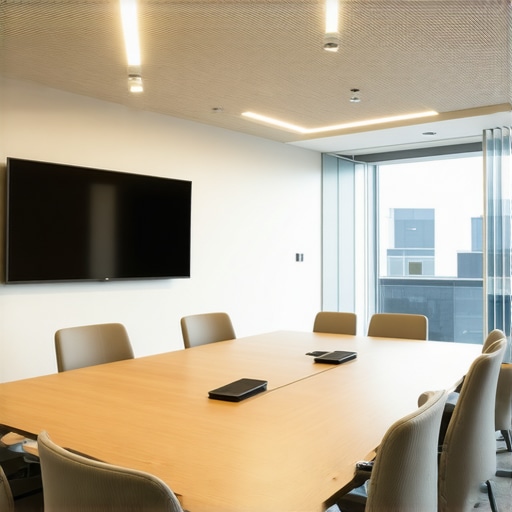 **Maintaining a high-functioning meeting environment is an ongoing process that directly impacts your startup’s efficiency and professionalism. My personal go-to is a combination of reliable hardware, sophisticated scheduling tools, and strategic room management—each playing a vital role. For instance, I swear by the Logitech Spotlight Presentation Remote, which offers precise control during pitches and team meetings, reducing technical hiccups that can derail a session. Coupled with software like Calendly or Doodle, I streamline booking processes to prevent double-assignments and ensure rooms are optimized for planned activities. These tools, combined with a proactive routine of periodic checks and updates, keep our spaces ready for action.
To ensure long-term success, regular maintenance of your tech setup is crucial. This includes updating firmware, testing audio-visual equipment, and soliciting team feedback on room functionality. Scheduling quarterly reviews, perhaps aligned with team retrospectives, helps identify recurring issues before they escalate. Additionally, keeping an up-to-date inventory of equipment allows for quick replacements or upgrades, which is vital as your startup scales.
Investing in training sessions for staff on the latest conferencing technology significantly reduces the learning curve and user errors. When team members understand how to operate devices efficiently, meetings run smoother, and time isn’t lost troubleshooting tech problems.
Looking ahead, the trend points toward smarter, integrated meeting solutions—like IoT-enabled room occupancy sensors that automatically adjust lighting and climate, or AI-driven scheduling assistants that optimize room utilization based on analytics. According to a recent report from Coworking Central, the evolution of intelligent spaces will significantly reduce costs and improve productivity by making environments adapt seamlessly to your needs.
How do I maintain a sustainable and scalable conference space? By establishing standard operating procedures for equipment maintenance, investing in versatile furniture that adapts to different meeting formats, and incorporating feedback loops with your team. This approach ensures that your environment grows with your startup—staying effective without requiring complete overhauls.
One advanced tip worth trying is integrating a digital signage system within your spaces. It displays schedules, tech tips, or even motivational messages, enhancing communication and engagement. Implementing such solutions now prepares your environment for the future of intelligent workspaces, ensuring your meeting rooms remain a strategic asset rather than a liability.Throughout my startup journey, I learned that selecting the right meeting environment isn’t just about aesthetics; it’s a strategic move that can elevate your brand and boost team performance. One lightbulb moment was realizing how a simple adjustment, like improving lighting, transformed our team’s energy and engagement during crucial sessions. Another insight was discovering that flexible spaces often foster more creativity than traditional conference rooms, especially when tailored to your startup’s unique culture. Trust me, paying attention to these subtle factors has saved us countless hours and helped secure key partnerships. Lastly, I found that investing in reliable tech and maintaining it regularly ensures your meetings stay seamless, projecting professionalism that investors and clients notice. These lessons highlight that your environment can be a silent yet powerful player in your startup’s success—so choose it wisely.