
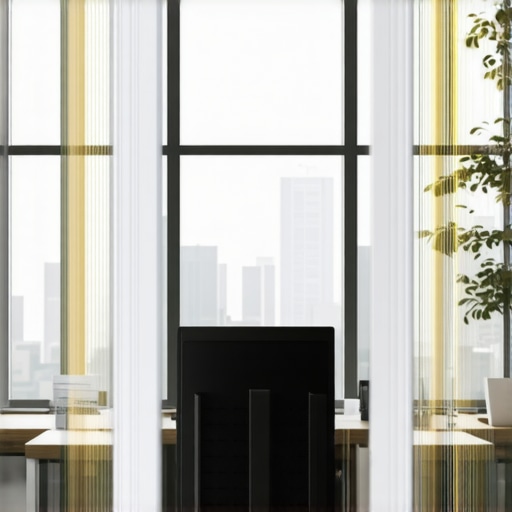
It was a typical Wednesday morning in my coworking space when I noticed something strange. A startup founder, eager to impress a potential investor, had meticulously curated a sleek desk, stylish chairs, and minimalist decor—yet, something was off. The room felt dull, uninspired. Despite the trendy furniture, the atmosphere lacked vitality. That’s when I had my lightbulb moment: lighting makes or breaks your office vibe.
The Hidden Power of Good Lighting in Your Workspace
After years of observing startups and shared offices, I’ve come to realize that lighting holds far more sway than furniture choices. A well-lit room can energize your team, boost creativity, and enhance focus. Conversely, poor lighting leads to fatigue, dulls your mood, and hampers productivity. Early in my journey, I made the mistake of investing heavily in trendy furniture without paying attention to the illumination. The result? An uninspiring environment that sapped motivation and made my team less engaged. This mistake taught me a vital lesson: prioritizing lighting can transform your workspace without breaking your budget.
Is Lighting Actually Worth the Hype?
Many entrepreneurs worry that focusing on lighting might be overblown, but research shows that natural and artificial light significantly affect our mental well-being and performance. A study published in the Journal of Clinical Sleep Medicine highlights how proper light exposure improves mood and alertness. So, before splurging on high-end furniture, ask yourself: am I doing everything I can to optimize the lighting in my office? If not, you’re potentially missing out on a simple yet powerful tool to enhance your startup’s environment.
Are you facing a workspace that feels lackluster, no matter how stylish your furniture is? If so, you’re not alone. The good news? Addressing your lighting can lead to immediate improvements. Next up, I’ll share practical tips on how to make lighting Work for your office, turning it from uninspiring to invigorating.
Maximize Natural Light for Energy and Focus
Start by evaluating your office’s windows and light sources during peak daylight hours. Open blinds fully and reposition desks to face windows, allowing sunlight to energize your space. For example, I once moved a shared desk closer to a window, which immediately improved mood and productivity for the team. Remember, natural light is free and highly effective, making it a prime starting point.
Use Layered Artificial Lighting to Reduce Fatigue
Implement a combination of ambient, task, and accent lighting. Install overhead LED fixtures for consistent general illumination. Add adjustable desk lamps for individual tasks, and incorporate accent lights to highlight focal areas or decor. During a project push, I introduced adjustable task lamps in our meeting rooms. The team appreciated the control, reducing eye strain during long sessions. Aim for bright, non-glare lighting to maintain alertness without causing discomfort.
Choose Bright, Color-Corrected Bulbs
Select bulbs with a high Color Rendering Index (CRI) and a color temperature around 4000-5000K. This mimics natural daylight, boosting alertness and mood. I replaced our old bulbs with daylight LEDs in the conference room, which visibly improved the vibe and engagement during video calls. Consistent, true-to-life lighting helps minimize visual fatigue and keeps your workspace vibrant.
Implement Smart Lighting Controls
Use dimmers, timers, or motion sensors to adjust lighting intensity based on time of day or activity. Automated systems can save energy and adapt to your team’s rhythms. One time, I set schedules for our workspace lighting, ensuring the environment was brighter during peak hours but dimmer later, creating a natural circadian cycle. This approach prevents burnout and maintains energy levels.
Create Dedicated Zones with Practical Lighting
Segment your office into different zones—quiet areas, collaborative spaces, and social spots—and tailor lighting accordingly. For instance, brighter lighting in collaborative areas encourages activity, while softer lighting in lounges promotes relaxation. When redesigning an open-plan coworking space, I installed focused lighting in brainstorming zones, which boosted creativity and minimized distractions.
Ensure Consistent Maintenance and Upgrades
Regularly check bulbs and fixtures, replacing flickering or dimming lights promptly. Keep lighting fixtures clean to prevent dust buildup that diminishes brightness. During a cleanup, I noticed our conference room lighting was significantly dimmer due to accumulated dust, which affected video clarity. Routine upkeep keeps your lighting system reliable and effective.
Leverage Lighting to Enhance Virtual Interactions
Good lighting is crucial for video calls. Position lights to illuminate your face evenly, avoiding backlighting. Use ring lights or bright LEDs for a professional appearance. I once improvised with a desk lamp in my coworking cubicle before a pitch, which dramatically improved my video clarity and confidence. Proper lighting transforms your virtual presence, making interactions more impactful.
Many entrepreneurs assume that simply renting a coworking space or a meeting room automatically guarantees productivity and professionalism. However, this common belief often overlooks nuanced pitfalls that can sabotage your startup’s growth. Let’s dig deeper into what most people get wrong and how to avoid these sneaky traps.
One pervasive myth is that all coworking spaces are created equally. In reality, not every space supports collaborative innovation or aligns with your specific startup needs. For example, some spaces lack **dedicated zones for deep work**, leading to noise and constant interruptions. According to studies by Coworking Central, the environment’s design critically impacts focus and productivity.
A common oops is neglecting the importance of meeting room acoustics. Poor soundproofing can make remote pitches or investor calls embarrassing, potentially costing you deals and credibility. It’s a mistake to think all conference rooms are equal; some are echo chambers that amplify background noise—bad news during sensitive conversations. To prevent this, ensure your meeting rooms are equipped with sound-absorbing panels or noise-canceling tech. An insightful post details how space hierarchy and layout influence communication.
Beyond physical space issues, many startups overlook the significance of **adaptive room management**. Booking a meeting room without considering its capacity or technological features can lead to discomfort or technical failures during crucial talks. For instance, a 10-person video conference requires more than just seats—adequate lighting, reliable internet, and audio-visual equipment are essential. According to Coworking Central, optimizing these details directly impacts your startup’s professional image and operational efficiency.
Some entrepreneurs believe that the aesthetics of the space—trendy furniture and stylish decor—are the key to impressing clients or investors. While looks matter, what often flies under the radar is **the functionality of meeting areas**. Are they flexible enough to accommodate different team sizes or spontaneous brainstorming sessions? Are they equipped with writable surfaces or technology integrations? These nuanced features foster innovation and seamless collaboration, which are the lifeblood of startups.
To avoid falling into these traps, startups should carefully audit their coworking environment. Think beyond surface appearances and consider the space’s practical alignment with your workflow. Want to learn more about choosing the right space? Check out this guide.
Have you ever fallen into this trap? Let me know in the comments! Remember, a strategic approach to coworking and meeting room management can make or break your startup’s success.Maintaining an efficient coworking or conference environment requires more than just initial setup; it involves consistent upkeep and the right selection of tools. Personally, I swear by certain software and hardware solutions that keep our space operational and scalable. For instance, implementing a centralized booking system like Skedda has revolutionized how we manage meeting room reservations, reducing conflicts and administrative overhead. Additionally, investing in high-quality audio-visual equipment such as Logitech’s Rally series ensures seamless virtual meetings, which are now critical for startups engaging with remote investors or teams.
Regular maintenance is equally vital. Schedule weekly checks of lighting, HVAC, and tech peripherals to prevent unexpected breakdowns. For lighting, I recommend using smart control systems like Lutron Caséta, which allow you to automate and adjust lighting based on usage patterns—this not only saves energy but also prolongs bulb life. For long-term results, tracking utilization data via management software helps identify underused spaces and optimize your layout for maximum productivity.
How do I maintain my coworking space over time?
Consistency is your best friend. Establish routine checklists for cleaning, equipment calibration, and supply refills. When it comes to digital tools, keep your software updated and review user feedback periodically, ensuring compatibility and security. Moreover, fostering communication channels like Slack or MS Teams facilitates quick resolution of issues and keeps everyone aligned on maintenance schedules. As the trend towards automation grows, integrating IoT sensors to monitor environmental factors can preemptively detect issues before they escalate, according to Arduino’s technical documentation. I urge you to try deploying a basic IoT system in your meeting rooms—you’d be surprised how much it simplifies maintenance and enhances the user experience.
Lessons Leaned in the Trenches of coworking and Meeting Spaces
One glaring realization I had was that investing in trendy furniture without prioritizing lighting is like building a house on shaky foundations—initially impressive but ultimately unsustainable. I once thought a sleek desk setup would boost productivity, but it was the combination of natural and well-placed artificial light that truly transformed the atmosphere. My earlier mistake was underestimating how much lighting can influence team energy and focus—it’s a game-changer I wish I had grasped sooner.
Another lesson came from our effort to equip the space with tech gadgets. I noticed that even with the best equipment, poor lighting during virtual meetings made us appear unprofessional. It became clear that startups need to see lighting as part of their operational backbone, not just an aesthetic afterthought. It’s a subtle detail, yet it carries immense weight in how clients and investors perceive your professionalism.
Finally, I learned the hard way that regular maintenance isn’t optional. Overloaded circuits, flickering bulbs, or dust-covered fixtures diminish sustainability and morale. Simple checks, upgrades to smart lighting controls, and routine cleaning have saved us headaches and kept our environment vibrant. The insight? Lighting is a continuous investment that pays dividends in startup vitality and cohesion.
Tools and Resources That Changed My Perspective on Workspace Illumination
For crafting the perfect lighting strategy, I rely heavily on the smart lighting systems like Lutron Caséta. Their automation features allow seamless adjustments tied to our schedules, ensuring optimal light levels at all times. I also recommend high-CRI LED bulbs—especially around 4000K—mimicking natural daylight, which is invaluable during long work sessions. My secret weapon has been smart controls for conference rooms; they save us time and energy while making our virtual and physical meetings feel more professional.
Books like “The Power of Light”
by J. Michael Straczynski have deepened my understanding of how lighting impacts cognitive function. Additionally, online resources from Coworking Central keep me updated on cutting-edge tech and design trends that promote focus and comfort. These tools and insights continue to influence how I shape our workspace into a hub of innovation.
Chasing Better Light Will Keep Your Startup Thriving
It’s tempting to think that your startup’s success depends solely on product and market fit, but the truth is that the environment you cultivate can elevate or hinder these efforts. Don’t wait until your space feels dull or uninspiring—start by optimizing your lighting today. Simple adjustments like opening curtains, switching to daylight bulbs, or adding adjustable task lighting can yield immediate and impressive results. If you’re curious about how to implement these changes seamlessly, check out innovative meeting spaces designed to foster creativity and focus. Remember, in the competitive world of startups, every detail counts—so make your workspace a reflection of your vision and energy. Are you ready to shed some light on your space’s potential? And what’s one lighting upgrade you’re excited to try? Share below!”}