
It was a Monday morning, and I was pacing around my cramped startup office, feeling the weight of yet another failed interview. The candidate seemed enthusiastic on paper, but as soon as they stepped into our space, their eyes flicked around nervously. Something was off, but I couldn’t quite put my finger on it. That moment was a lightbulb—my workspace vibe was unintentionally turning away top talent.
Why the Atmosphere of Your Workspace Matters More Than You Think
Creating an environment that attracts the right people isn’t just about having cool furniture or trendy decor. The energy, layout, and overall vibe of your workspace send powerful signals to potential hires. People want to feel inspired, valued, and comfortable from the moment they walk in. If your office feels cluttered, gloomy, or uninviting, it could be quietly discouraging the best candidates who walk through the door.
I’ve learned this lesson the hard way—early in my startup journey, I focused solely on polishing my pitch and perfecting my product, neglecting the environment where real work happened. That overlooked detail—our workspace’s mood—cost us by turning away talented applicants. Recognizing this, I started paying attention to nuanced details like lighting, acoustics, and even the decor that subtly influences mood and behavior.
In fact, studies show that a well-designed workspace can boost productivity by up to 20% and improve employee satisfaction significantly. (You can check more on this at Why Lighting Matters More Than Furniture in Your Workspace.) And when your workspace exudes positivity and professionalism, it naturally becomes a magnet for the right kind of talent.
Is Your Office Vibe Actually Deterring Top Talent?
My biggest mistake was assuming that a functional space was enough. I overlooked how much atmosphere affects perceptions and decisions. If you’ve ever felt that potential hires or clients seemed visibly disinterested upon visiting your space, it’s worth examining whether your environment is working for you—or against you. Addressing this subtle yet powerful aspect of your brand can make all the difference in attracting high-quality team members.
Now, are you facing a similar challenge? Or perhaps you’re curious whether a quick refresh could revitalize your recruitment process? Whatever your situation, understanding and optimizing your workspace vibe can unlock new levels of success—and I’ll show you how. Let’s dive into practical steps you can take to turn your workspace into a magnet for talent.
Design for Inspiration: Create an Inviting Environment
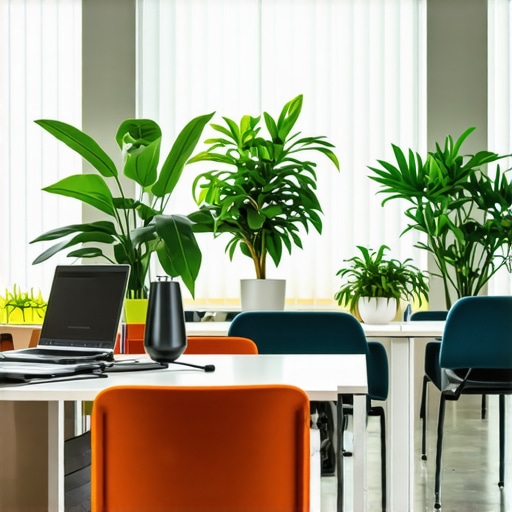
Start by decluttering your space and introducing elements that foster creativity. Replace stacks of papers with sleek storage solutions, add inspiring artwork, and ensure each area has a purpose. I once converted a dull conference room by removing outdated furniture and installing plants; the difference was night and day. This simple change made team members feel more energized and open to collaboration.
Improve Lighting to Boost Mood and Focus
Natural light has a profound effect on mood. If possible, maximize daylight by repositioning desks near windows. Supplement with high-quality, adjustable LED lighting to eliminate harsh glares—especially in meeting rooms where focus is key. I experimented with different bulbs during a workspace refresh and found that warm, adjustable lighting reduced fatigue during long planning sessions. See why lighting matters more than furniture.
Optimize Meeting Rooms for Creativity and Privacy
Meeting spaces should foster open dialogue without sacrificing privacy. Choose rooms with good acoustics and soundproofing. Incorporate writable walls or whiteboards to encourage brainstorming. I once booked a small, glass-walled meeting room expecting it to impress clients; however, the lack of soundproofing caused distractions. After switching to rooms equipped with better acoustics, client satisfaction and team productivity improved noticeably. For insights, check transforming meeting rooms into collaboration hubs.
Foster a Sense of Community with Thoughtful Decor
Personal touches like photos, team awards, and communal spaces foster connections. Regularly rotate decor to keep the environment lively. I added a communal whiteboard for idea sharing, which became a daily staple for team members. This small addition increased engagement and spontaneous collaboration. Remember, a welcoming space communicates that your organization values its people.
Leverage Technology to Enhance Vibe
Invest in high-quality Wi-Fi, smart boards, and seamless AV setups. Effective tech reduces frustrations and keeps meetings flowing smoothly. During a recent upgrade, I replaced outdated routers, leading to fewer disruptions and more energetic meetings—testimonies from team members confirmed the boost in morale. For tech specifics, see vetting a meeting room for connectivity.
When it comes to startups and coworking environments, there’s a pervasive myth that simply providing trendy furniture, high-tech gadgets, or even aesthetically pleasing décor will automatically attract top talent and foster innovation. In reality, this oversimplification ignores the subtle yet critical nuances that dictate how space influences behavior and perception. One common misconception is that tech-heavy or visually impressive environments compensate for a lack of intentional design. However, research indicates that the psychological impact of spatial layout and atmosphere can significantly outweigh superficial aesthetics, with studies showing up to a 20% productivity boost when environments align with organizational goals. An advanced mistake many entrepreneurs make is neglecting the importance of acoustic design. Poor acoustics can cause distraction and stress, undermining even the best layout. For example, glass-walled meeting rooms may look sleek but often create irritating echoes and reduce privacy, which can stifle candid conversations—an issue highlighted in experts’ discussions. This brings us to an often-ignored aspect: how environment shapes subconscious cues and user experience. Are you obsessing over the right details? Or falling into the trap of prioritizing superficial upgrades over meaningful environmental improvements? The key is to align physical space with the company’s cultural DNA. For instance, integrating informal zones for spontaneous collaboration, equipped with comfortable seating and open-access resources, can significantly enhance team cohesion, as shown in latest case studies. Also, in the quest for innovation, many overlook the importance of flexible design. Modular furniture and adaptable layouts accommodate evolving team sizes and project needs, preventing the space from becoming obsolete quickly. Don’t forget that a well-considered environment communicates professionalism and care, which subtly influences both internal morale and external perceptions. Are you leveraging your space to its full potential? Or are you unknowingly creating barriers to collaboration and innovation? Remember, the right environment acts as an invisible yet powerful catalyst for growth. For a deeper dive into top-tier solutions, check out innovative meeting room ideas. Have you ever fallen into this trap? Let me know in the comments.
Invest in Reliable Equipment for Seamless Operations
Nothing hampers productivity more than technical failures during critical meetings or bursts of creative work. I personally rely on the Dell UltraSharp U2723QE monitor for its crisp resolution and color accuracy, which helps me spot details during design sprints. My team also uses Logitech Rally cameras for clear video conferencing, ensuring everyone feels connected, even when remote. Investing in quality hardware minimizes downtime and boosts morale, making daily operations smoother.
Streamline Communication with Focused Software
Effective communication is vital in coworking or conference room settings. I recommend Slack for instant messaging and Zoom for video calls, but with specific integrations. For example, integrating Trello into Slack channels allows tracking of project progress without switching apps. This consolidation reduces confusion, keeps everyone aligned, and saves time during busy days.
Prioritize Maintenance for Long-Term Success
Regular upkeep of your conference rooms and coworking spaces prevents minor issues from escalating. Schedule bi-weekly checks of AV equipment, replace worn-out furniture, and monitor Wi-Fi stability. I personally use Netgear Wi-Fi extenders to ensure consistent internet coverage across larger spaces, avoiding dead zones that frustrate users. Establishing a routine maintenance schedule helps maintain a professional environment that employees and clients trust.
Predicting Growth: The Future of Workspace Tools
As technology evolves, we’re heading toward more integrated, AI-powered solutions. Expect smart rooms that automatically adjust lighting and climate based on occupancy, or AI assistants that schedule meetings and troubleshoot issues proactively. Embracing these innovations now positions your workspace ahead of the curve, allowing for scalable growth and improved efficiency.
How do I maintain my workspace tools over time?
Establish clear protocols for regular updates and inspections. For software, enable automatic updates wherever possible to patch vulnerabilities and improve features. For hardware, track lifespan and replace components before failures occur. Building relationships with reliable vendors ensures quick support when issues arise. Over time, proactive maintenance reduces unexpected disruptions and extends equipment life, safeguarding your investment. For insights into optimizing space management and tech upgrades, visit this detailed guide. Consider testing one new piece of equipment or software this month—small adjustments can lead to significant gains in efficiency and user satisfaction.
By focusing on these targeted tools and maintenance strategies, you’ll ensure your workspace remains a hub of productivity and inspiration. Remember, a well-maintained environment not only impresses visitors but also keeps your team energized and committed to your mission.
Over my years of shaping startup spaces, I’ve encountered moments where overlooked nuances in environment design made or broke our hiring and collaboration efforts. One of my key lessons was realizing how subtle elements—like lighting, acoustics, and decor—can profoundly influence perceptions and behaviors, often without anyone realizing it. By thoughtfully tuning these details, I transformed our workspace from merely functional to irresistibly inviting, directly impacting our ability to attract and retain top talent.
Implementing intentional design choices isn’t just about aesthetics; it’s about cultivating an atmosphere of innovation, professionalism, and comfort. When you understand these under-the-radar influences, you gain an unfair advantage, turning your workspace into a thriving hub of creativity and collaboration.