
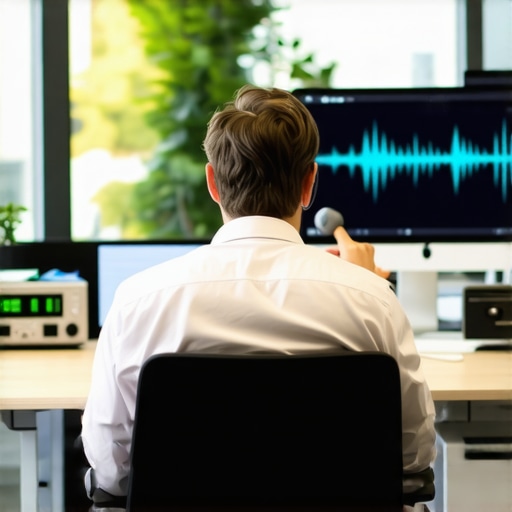
I remember the first time I hosted a crucial client presentation in my startup’s conference room. Everything seemed perfect—good lighting, sleek projector, a chalkboard for brainstorming. But minutes into the call, I realized our words were bouncing around like a bad echo, turning clear communication into a muffled mess. That moment felt like an amateur mistake, and honestly, it was a lightbulb moment for me. Why was something so simple becoming such a distraction? Since then, I’ve dedicated countless hours to understanding how to fix echo issues that plague many coworking and startup spaces.
Why Fixing Conference Room Echo Should Be a Top Priority
In today’s fast-paced, remote-friendly world, the quality of your virtual meetings can make or break your credibility. A room with poor acoustics isn’t just an annoyance; it hampers productivity, causes misunderstandings, and can even damage your professional image. Studies show that over 50% of remote teams struggle with communication because of audio issues, and echo is among the top culprits. Think about it—how many times have you had to ask someone to repeat themselves, or missed key details because of confusing sound? If you’re nodding yes, you’re not alone. Addressing these problems isn’t just about comfort—it’s about ensuring your team stays connected and your clients stay confident.
One early mistake I made was thinking that connecting a decent microphone or using a high-quality speaker would solve the echo problem—it doesn’t. In fact, the arrangement of your room and its acoustic treatment are just as vital. Wrong placement of furniture or hard, reflective surfaces can amplify echo instead of dampening it. It’s a common oversight that many startups and coworking spaces make, but the good news is—it’s entirely fixable. Want to learn how I turned my echo-ridden conference room into a sound sanctuary? Keep reading, and I’ll walk you through the proven strategies that transformed my meetings.
Is Echo Fixable or Just an Annoyance? Thinking It’s Not Worth the Effort
Early on, I believed echo was just a minor irritation—something to live with or maybe ignore until it went away. But neglecting sound issues can lead to costly miscommunications or even lost deals. The first mistake I made was underestimating the importance of soundproofing and acoustic treatment, thinking focus should be on equipment alone. As I later discovered, practical solutions like adding soft furnishings, installing acoustic panels, and rethinking furniture placement made all the difference. Trust me, tackling echo isn’t about expensive upgrades—it’s about making smart, targeted adjustments. Want to see how small tweaks can lead to big improvements? Visit this guide on boosting meeting room efficiency for more insights. With a bit of effort, you can finally enjoy clear, professional-sounding meetings that reflect your startup’s true potential.
Start with Room Layout Changes
Think of your conference room as a musical instrument; its shape and furniture placement determine the sound quality. In my own experience, I began by rearranging furniture to prevent sound waves from bouncing directly between hard surfaces. For example, I moved the table away from the walls and positioned comfortable, soft chairs in strategic spots. This simple tweak significantly reduced reverberation and improved clarity. To avoid echoes, place large, soft furnishings like rugs, curtains, and cushioned chairs, which absorb sound instead of bouncing it around.
Identify and Remove Reflective Surfaces
Hard surfaces like glass partitions, polished tables, and bare walls act as mirrors for sound waves. In my case, I noticed that the glass wall facing the conference table reflected sound, amplifying echo. Covering glass with acoustic treatments or decals broke up reflections. If replacing surfaces isn’t feasible, use removable acoustic panels—these are like the sound-absorbing Many entrepreneurs believe that having a high-end, fully equipped meeting room guarantees smooth and professional meetings. However, this is a misconception. In my experience, ***the biggest pitfalls are often hidden in plain sight***—like overlooking room acoustics or the importance of flexible layouts. For instance, some assume that installing expensive acoustic panels alone will eliminate echo issues, but if the room’s furniture placement isn’t optimized, the problem persists. Additionally, there’s a widespread myth that glass walls offer transparency without consequences; yet, they can reflect sound if not treated properly, impacting audio clarity. It’s crucial to understand that ***effective conference rooms are less about expensive equipment and more about smart design***. According to acoustics expert Ethan Winers, the real challenge is managing sound reflections and reverberation, which many startups unknowingly ignore—leading to drone-like echo and miscommunication. Rather than focusing solely on tech gadgets, prioritize your room’s physical environment. For example, soft furnishings, strategic furniture placement, and acoustic treatments can drastically enhance sound quality without breaking the budget. **Be cautious of the trap where startups believe that technology can fix fundamental acoustic problems**—it’s a costly misconception. Instead, invest in room layout and natural sound absorption features, which often deliver the best results. Want to avoid these common pitfalls? Check out insights on choosing the right conference space that supports your business goals.
Invest in Reliable Equipment
Maintaining a high-functioning conference room begins with reliable hardware. I personally rely on the Sennheiser TeamConnect Ceiling 2 microphone system because it offers automatic beamforming, ensuring everyone’s voice is captured clearly without tedious adjustments. This system’s smart technology minimizes background noise and echoes, which I found to be a game-changer in my space. Think about it—using professional-grade microphones keeps audio crisp, making remote participants feel present. For video, the Logitech MeetUp webcam provides wide-angle HD footage, crucial for showing the room and participants clearly. Investing in trusted peripherals reduces maintenance headaches and improves meeting quality over time.
Implement Consistent Software Routines
Hardware alone isn’t enough; software tools streamline maintenance routines. I recommend adopting a platform like a dedicated scheduling and troubleshooting system that integrates calendar management with device diagnostics. Regularly updating firmware on your audio-visual equipment ensures compatibility and bug fixes, preventing unexpected glitches before crucial calls. Additionally, digital signage or simple checklists via shared platforms help team members report issues promptly, enabling faster resolution. This proactive approach means fewer surprises and less downtime, sustaining long-term performance.
Prioritize Acoustic Maintenance
Consistent acoustic treatment is vital for ongoing clarity. I personally schedule quarterly reviews where I inspect and refresh acoustic panels or add soft furnishings as needed. Using acoustic absorption materials, I ensure reverberation remains minimal, even as furniture shifts or wear occurs. A simple habit like cleaning and rearranging soft textiles can prevent echo buildup, preserving sound quality without costly overhauls. Over time, these small touches maintain an environment conducive to professional, distraction-free meetings.
Automate Maintenance Tasks
Embracing automation helps keep conference rooms in top shape. I utilize tools like If This Then That (IFTTT) to set reminders for firmware updates, cable checks, or cleaning schedules. For example, I’ve set IFTTT to alert me every three months to verify microphone calibration or test the Wi-Fi connectivity, preventing technical hiccups. Automation reduces manual oversight, freeing your team to focus on strategic tasks. As startups grow, these systems become invaluable for scaling maintenance without exponentially increasing effort.
Plan for Future Upgrades
Long-term planning is essential. I foresee more AI-driven tools emerging that can automatically detect issues and suggest repairs, much like predictive maintenance in manufacturing. Staying ahead means investing in flexible, upgradable hardware and constantly educating your team on best practices. Regular audits and training sessions ensure everyone is aware of the latest features and protocols, extending your system’s lifespan and keeping your conference space sharp. Looking ahead, integrating IoT devices for real-time acoustic monitoring could redefine how we maintain meeting environments—something I recommend experimenting with now to stay ahead of the curve. Want to simplify your maintenance routine? Try setting up automated alerts for firmware updates and hardware checks today. For more about scalable conference environments, visit this comprehensive guide.
Lessons from the Front Lines of Sound Management
One of my most profound realizations was that tackling room echo isn’t just about adding panels or rearranging furniture—it’s about understanding the *essence* of your space and how people use it. I learned that even small changes, like positioning a soft rug under the table, can dramatically improve audio clarity. Additionally, I discovered that educating team members about proper microphone placement fosters cleaner audio without expensive upgrades. These insights came from trial, error, and a willingness to see the space differently—reminding me that real mastery is often found in the details no one notices.
My Go-To Resources for Acoustic Excellence
Having experimented extensively with room fixes, I rely on a few trusted sources for guidance. The book acoustics in small spaces by Ethan Winers opened my eyes to practical treatments that work without breaking the bank. I also follow this guide for strategic room selection, ensuring my space supports clear communication. For ongoing hardware enhancements, I trust innovative tech insights to optimize equipment choices, keeping my meetings crisp and professional. These resources have become my acoustic bible, guiding me through complex decisions with confidence.
Embrace the Power of Small Wins
Finally, the most enduring lesson I’ve learned is that improvements don’t need to be grandiose. Sometimes, a simple tip—like placing a fabric-covered whiteboard on a reflective wall—can reduce reverberation significantly. These small, consistent efforts build up, transforming your conference room from a reflection-filled chaos to a sanctuary of clarity. I encourage fellow founders to celebrate these victories, understanding that mastery in acoustic management is a journey—one that rewards patience, experimentation, and an unwavering focus on communication quality. Your startup’s voice deserves to be heard clearly; start today, and let your conference room become the foundation of your success.