

It was a typical Monday morning, but I felt a headache brewing even before coffee. As I sat at my dining table, laptop open, the kids’ off-tune singing wafted in from the living room, and the endless notifications from my phone pulled focus like a silver magnet. That moment of frustration hit me—what am I doing working in this cluttered corner of my home? I realized my productivity was shrinking, and my stress levels were climbing. It was a lightbulb moment: maybe it’s time to consider a dedicated, private workspace outside my home.
Why Staying Stuck at Home Could Be Harming Your Progress
The struggle of balancing work and home life is real. Many entrepreneurs and freelancers start with a home office, swearing it’ll be the perfect solution. But over time, it often becomes a source of distraction, clutter, and even guilt—especially when work blends seamlessly into personal space. I made the mistake early on of neglecting the importance of having a separation. I thought that creating boundaries wasn’t essential, but a study from Harvard Business School confirms that physical separation boosts productivity and mental clarity. So, if you’ve been feeling the grind wearing you down or noticing a dip in your work quality, maybe it’s time to consider transitioning out of your home setup.
Is a Private Suite Really Worth the Cost and Effort?
Before you start comparing leases or memberships, let’s look into what truly makes this move advantageous. My initial hesitation was the expense, coupled with the hassle of moving. But I discovered that an effective workspace outside my home didn’t have to be a fancy corporate office. It could be a coworking space, a dedicated private office, or a shared suite designed for startups and small teams. The key is finding a space that fosters focus and professionalism. And yes, the investment pays off—both in saved time and in the quality of your work. For tips on choosing the right environment, check out our guide on selecting the ideal conference room.
Find the Perfect Location Fast
Start by identifying neighborhoods that align with your brand and offer good accessibility for your team and clients. Use tools like online maps or visit potential areas in person to gauge convenience. When I did this for my team, I visited three coworking spaces in different districts, noting noise levels, amenities, and commute times. I settled on a spot that was a 15-minute walk from the subway and had ample natural light, which boosted morale.
Assess Spaces for Productivity and Privacy
Visit Multiple Options
Schedule tours to see the spaces firsthand. Pay attention to noise levels, privacy zones, and how well the space accommodates your team size. Don’t hesitate to ask about policies on calls or talks. During my visit, I asked to sit in a conference room for a quick test call, which revealed poor acoustics—so I moved on.
Check Connectivity and Amenities
Ensure high-speed Wi-Fi and reliable power outlets are available. For video conferencing, look for spaces with soundproofed rooms and adjustable lighting. I once booked a space, only to discover a significant echo during my first call, affecting professionalism. Later, I chose spaces with dedicated quiet zones, which improved my meeting quality.
Book Strategically to Maximize Focus
Reserve rooms during off-peak hours to avoid distractions. Consider using online booking tools linked with space management systems for efficiency. When I started scheduling meetings in early mornings or late afternoons, I experienced fewer interruptions and improved concentration, setting a productive rhythm for my team.
Leverage Community for Growth
Engage with space managers or attend networking events hosted within the space to forge connections. Many coworking spaces facilitate collaborations, enhancing your startup’s visibility and resources. I attended a monthly mixer, which led to a partnership that accelerated my company’s development. To unlock more opportunities, explore what top coworking environments offer at this guide.
Customize Your Setup for Efficiency
Bring ergonomic furniture and organize your workspace to fit your workflow. Use dividers or soundproof panels if necessary. I personally outfitted my cubicle with a standing desk and plants, which made long work sessions more comfortable. Consider the amenities you need, such as whiteboards or AV equipment, by reviewing our checklist at this resource.
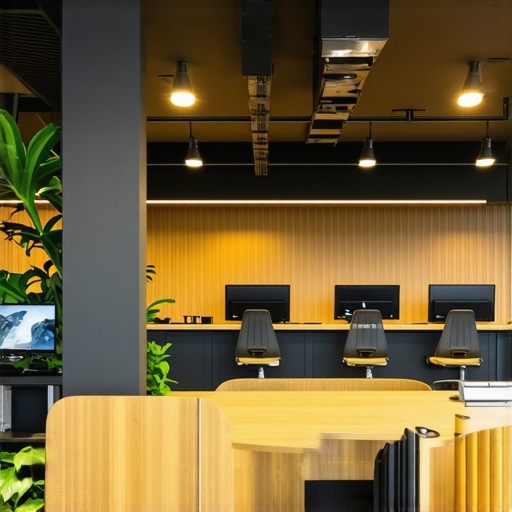 Many entrepreneurs assume that choosing a coworking space or conference room is simply about rental costs and location; however, this overlooks nuanced factors that can make or break your productivity. One common myth is that bigger, more equipped spaces always mean better collaboration. In reality, larger rooms can lead to increased distractions and a loss of intimacy needed for meaningful discussions, as highlighted in recent workplace studies. Additionally, new founders often assume that all coworking environments foster innovation equally, but spaces vary significantly in culture and community engagement, which directly impacts startup growth.
A frequent mistake is neglecting acoustics and privacy. Advanced noise-control features and dedicated quiet zones are often underestimated, yet they are essential for confidential meetings or focus work. Ignoring these can cause stress and reduce work quality, especially during critical investor pitches or strategic sessions. For example, some spaces have poor soundproofing, resulting in echoing or background noise that diminishes professionalism—learn how to fix acoustics issues effectively.
Have you ever fallen into this trap? Let me know in the comments.
What advanced pitfalls should startups avoid when selecting meeting rooms?
One overlooked aspect is the hidden cost of technology and connectivity. Reliable high-speed internet and advanced conferencing tools are crucial but often overlooked until meetings are disrupted. Space providers may advertise advanced amenities, yet in practice, connectivity issues can severely hamper productivity, particularly during high-stakes video calls. A 2022 study from TechAdvantage underscores this, showing that connectivity problems are responsible for nearly 30% of meeting disruptions in coworking spaces. To prevent this, always verify the technical infrastructure during site visits or through reviews.
Furthermore, many startups underestimate the importance of adaptability in spaces. As your team grows or projects evolve, flexible meeting arrangements and scalable room bookings become essential. Investing time to understand a space’s booking policies or checking if they offer scalable solutions can prevent costly relocations later. Check out our guide on optimizing your conference room use for actionable tips.
In conclusion, the success of your startup’s collaborative efforts hinges on much more than the superficial features of coworking spaces and meeting rooms. Paying attention to soundproofing, technological robustness, and flexibility can save you time, money, and stress down the line. Don’t let common myths or overlooked details hold you back from creating an environment that truly supports your vision.Maintaining a productive coworking environment requires more than just choosing the right space; it involves implementing the right tools and practices that adapt to your evolving needs. One of my go-to solutions is investing in a robust booking management system like Skedda, which I personally use to streamline room reservations and prevent double-bookings. This platform’s real-time availability updates and customizable access controls allow my team to focus on work rather than administrative hassles, significantly boosting our overall efficiency. Additionally, I rely on high-quality noise-canceling headphones, such as the Bose 700 series, to create personal zones of focus during deep work sessions, especially in open-plan spaces. These headphones have proven invaluable in maintaining concentration amidst ambient coworking noise and are a must-have for anyone serious about productivity. To keep long-term results consistent, I schedule regular maintenance checks for our internet connectivity and AV equipment, ensuring there are no surprises during critical meetings or presentations. It’s also wise to stay informed about latest developments in coworking technology; for example, advancements in AI-driven booking and smart space management are shaping the future of shared offices. I predict that integrating IoT sensors and automation will soon become standard, making spaces smarter and more adaptive.
What strategies can help me sustain a high-performance coworking environment over time?
Establishing routine audits of your tools and workflows is essential. Regularly collecting feedback from your team about the usability of your booking systems, communication tools, and the overall environment allows you to identify bottlenecks early. For example, I conduct quarterly reviews using a simple survey linked to our workflow management app, which helps in adjusting our setup before issues escalate. Moreover, fostering a culture of continuous improvement by encouraging team members to suggest new tools or practices can keep your workspace innovative and responsive to change. For instance, experimenting with virtual whiteboards like Miro or MURAL has recently enhanced our remote collaboration sessions, leading to more creative outcomes. If you’re interested in upgrading your conference room setup for better collaboration, check out our detailed guide on maximizing your conference room efficiency. Finally, don’t forget to integrate security protocols, such as a dedicated VPN and secured Wi-Fi, to protect your data and ensure smooth operation over time. Consistent evaluation and embracing new technology trends, like AI assistants for scheduling, will ensure your coworking environment remains productive and scalable as your team grows.As I reflect on my journey, one thing stands out—the day I realized that a dedicated coworking space transformed not just my productivity but my mindset. Moving beyond makeshift home offices unlocked new levels of collaboration, focus, and growth. This lesson isn’t just personal; it’s a universal truth for startups eager to thrive in dynamic environments.
Lessons That Changed How I Approach Coworking and Meeting Rooms
- Myth Busting Shared Spaces: I once believed that larger, fully-equipped meeting rooms guaranteed better collaboration. Turns out, cozy, well-designed private areas often foster more meaningful conversations and less distraction.
- The Power of Community: Engaging with fellow entrepreneurs in coworking hubs opened doors I never expected—partnerships, mentorships, and fresh ideas became part of my daily routine.
- Tech Isn’t Enough Without Proper Setup: Investing in reliable internet and soundproofing made all the difference. A seamless tech environment keeps your focus sharp and your professionalism intact during critical pitches.
- Flexibility Matters Most: Scalable booking options and adaptable spaces allowed my team to grow and pivot without uprooting the entire setup. It created a resilience that I cherish now.
- Designing for Purpose: Outfitting our space with ergonomic furniture and organized zones boosted wellbeing and efficiency—small changes that yield big results.
Tools and Resources That Keep Me Moving Forward
- Skedda: A booking system that simplifies space management and prevents conflicts, saving time and headaches.
- Bose 700 Headphones: Noise-canceling gear that transforms any busy coworking hub into your personal focus zone.
- Virtual Whiteboards: Miro and MURAL for seamless remote collaboration, fueling creative sessions beyond physical boundaries.
- Smart Infrastructure Guides: Staying updated with resources like how to maximize productivity in your conference rooms ensures your workspace evolves with your startup.
Seize the Moment and Shape Your Workspace Future
Remember, creating an environment that sparks innovation, focus, and community isn’t a one-time task. It’s an ongoing journey—embrace the process, experiment with what works, and never underestimate the power of a thoughtfully chosen coworking or meeting space. Your startup’s next big breakthrough could be just a room away. If you’re curious about maximizing your efforts or need tailored advice, reach out to us. Your workspace should be as ambitious as your vision.