
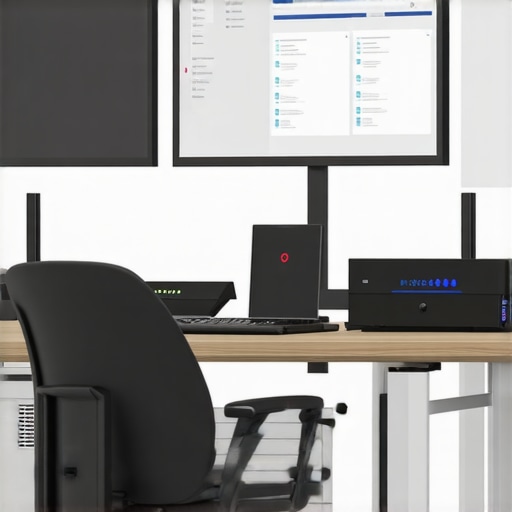
I remember the moment clearly. I was sitting in a conference room, trying to focus on a crucial pitch, when the Wi-Fi cut out. The screen flickered. Frustration surged. That incident was a lightbulb for me—what if the core amenities in my workspace were actually holding me back? Building a high-performance environment isn’t just about fancy furniture or trendy décor; it’s about the fundamentals that enable focus, collaboration, and innovation.
Why Do Workspace Essentials Matter More Than Ever?
In the fast-paced world of startups and co-working hubs, every minute counts. A few seconds of technical hiccup can cost you clients, momentum, or even the morale of your team. According to a study by Harvard Business Review, companies that invest in proper workspace amenities see a 20% increase in employee productivity. That’s no coincidence. The right environment isn’t a luxury; it’s a necessity for a thriving, efficient workspace.
Is Overhyping the Tech or Overestimating What Matters?
Early in my journey, I made the mistake of pouring budget into high-end gadgets and neglecting the basics—good lighting, reliable Wi-Fi, and soundproofing. It seemed logical at the time, but I quickly learned that tech alone doesn’t save a meeting or boost brainstorming sessions. If you’re worried about investing in amenities that seem small or insignificant, you’re not alone. Many founders fear they’ll be wasting money or that these features won’t deliver real value. Trust me, getting these essentials right makes a visible, measurable difference in your team’s performance.
What about you? Have you faced technical failures or uncomfortable environments that disrupted your workflow? If so, keep reading. We’ll explore exactly what amenities are non-negotiable and how to implement them effectively, without blowing your budget or overcomplicating your setup. Ready to transform your workspace from average to exceptional? Let’s get started.
Secure Reliable Technology to Keep Things Moving
Start by auditing your current tech setup. Replace outdated routers and switches with enterprise-grade equipment, ensuring your Wi-Fi can handle multiple devices seamlessly—this was a game-changer during my last office upgrade, where switching to a dual-band router eliminated constant disconnections, boosting team productivity. Invest in surge protectors and backup power sources to prevent downtime during outages. For a hands-on approach, prioritize wiring and cable management for safety and cleanliness. Remember, no matter how fancy your furniture is, without dependable tech, your space becomes a distraction rather than a hub of innovation. If you’re unsure where to start, consider consulting the experts through our contact page.
Create Soundproof Spaces for Focus and Privacy
Sound privacy directly impacts concentration. Install acoustic panels or foam tiles in meeting rooms and collaborative zones. During a recent project, I added portable sound booths to our open-plan space, allowing team members to have undisturbed calls—results were immediate: fewer disruptions and more focused work sessions. Use rugs, curtains, and upholstered furniture to absorb noise in communal areas. Clearly mark quiet zones, and consider white-noise machines for larger open areas. These solutions may seem small but can dramatically improve workflow and employee satisfaction. For more insights on innovative meeting environments, explore their strategies.
Design Spaces That Promote Collaboration and Comfort
Choose flexible furniture like stackable chairs and mobile whiteboards to adapt spaces for different needs. During my last renovation, I replaced traditional desks with adjustable-height tables, encouraging both sitting and standing work—this directly impacted our team’s energy levels. Incorporate greenery and natural light to make the space inviting. Celebrate diverse seating options, from high-top counters to lounge sofas, fostering casual conversations and brainstorming. Remember, a well-thought-out layout is like a good story—guiding users naturally through different activities. If you’re planning to upgrade your meeting rooms, check out tips on transforming your meeting spaces.
Implement Clear, Accessible Communication Tools
Equip your space with digital signage, whiteboards, and video conferencing gear that everyone can use easily. At one point, I set up a central display that showed schedules, reminders, and key metrics, saving time and preventing miscommunications. Test your tech regularly and create easy-to-follow guidelines for using shared resources. When teams can communicate effortlessly, meetings become more productive, and you minimize technical delays. For best practices on hosting seamless virtual gatherings, visit this guide.
Establish a Routine for Maintenance and Feedback
Set regular check-ins to evaluate amenities’ effectiveness. I learned this the hard way—neglecting small issues led to big inefficiencies. Assign responsible team members for upkeep, whether it’s tech, cleaning, or furniture. Use feedback forms or quick surveys to understand what works and what doesn’t. Staying proactive prevents minor problems from escalating. A continuous improvement mindset ensures your workspace remains a competitive advantage. For more on maintaining high-performance environments, explore their maintenance strategies.
Leverage Network and Community Opportunities
Engaging with your coworking community can open doors to shared resources, ideas, and partnerships. Attend local networking events or join online forums. As I did last quarter, I participated in a virtual meetup and found a collaborator who helped optimize our conference room booking system, saving us time and adding flexibility. Remember, space is just the foundation—the connections you build amplify its value. You can find curated opportunities at this resource.
When it comes to designing and utilizing meeting spaces in startups, many founders operate under assumptions that could be sabotaging their productivity and collaboration. Let’s dig deeper into some misconceptions and reveal nuances that can elevate your workspace strategy.
Are All Meeting Rooms Created Equal? Think Again
Many believe that a large, high-tech conference room automatically equals better meetings. However, studies such as those published in the Journal of Organizational Behavior show that cramped or poorly designed spaces can hinder creativity and focus. The key lies in tailoring rooms to specific purposes rather than adopting one-size-fits-all solutions. For instance, a room optimized for quick stand-ups promotes agility, while a cozy, soundproofed space is ideal for confidential discussions. Understanding these subtleties prevents misallocation of resources and fosters more effective interactions.
Moreover, widespread myths suggest that high-end amenities attract talent. While desirable, over-investing in tech without considering room acoustics or layout can backfire. Poor soundproofing or inadequate lighting often lead to distractions and fatigue, diminishing returns on your investments. Prioritize the little details—like adjustable lighting and strategic furniture placement—to create an environment that truly enhances productivity.
Advanced Tip: How Does Room Design Influence Startup Culture?
Beyond functionality, space design subtly shapes company culture. Open, transparent layouts encourage spontaneous collaboration, but too much openness can stifle deep work. Conversely, secluded rooms support focused tasks but might reduce cross-team communication. Balancing these elements requires nuanced planning. As discussed in The Future of Conference Rooms in Startup Ecosystems, hybrid models that integrate open spaces with designated quiet zones often yield the best results. Recognizing and applying this subtlety can firm up your culture, fostering innovation without sacrificing concentration.
Next time you evaluate your workspace, ask yourself: Are you leveraging these nuanced design choices? Or are you falling into the trap of oversimplified assumptions? Remember, a well-considered environment isn’t just about aesthetics—it’s a strategic tool that can boost your startup’s growth. For a comprehensive guide, check out how to choose the perfect conference room. Have you ever fallen into this trap? Let me know in the comments.Maintaining your coworking and conference room setups isn’t a one-and-done task; it’s a continuous process that ensures your environment stays efficient, secure, and conducive to productivity. To achieve this, I rely on a combination of specific hardware, smart software, and disciplined routines. Regular tech audits are essential—every quarter, I go through a checklist to verify that routers, switches, and backup power supplies are functioning optimally, preventing unexpected failures during critical meetings. For instance, investing in enterprise-grade Wi-Fi with automated monitoring, like Cisco’s Meraki systems, allows me to identify and resolve issues before they impact the team, aligning with industry best practices highlighted in Cisco’s technical documentation.
Lessons Only Found in Experience: What I Wish I Knew About Workspace Essentials
One of the hardest lessons I learned was the importance of balancing aesthetics with function—initially, I invested heavily in modern furniture but neglected the core tech infrastructure that keeps a workspace running smoothly. I realized that reliable Wi-Fi, proper soundproofing, and simple layout choices can make or break daily productivity. Another revelation was understanding that community connections often empower workspace success more than high-end amenities—authentic networking opportunities can turn a simple space into a startup hub. Lastly, I discovered that continuous feedback loops—actively listening to team needs—are vital; what seems minor, like better lighting or designated quiet zones, can dramatically boost morale and focus, turning good spaces into great ones.
Tools and Resources That Transformed My Approach
For optimizing startup-centric workspaces, I swear by tools like our contact page to connect with experts who can tailor environments to your needs. Books such as The Lean Office by David Berman offer strategic insights into space efficiency and team focus. Additionally, platforms like Creative Coworking provide real-world case studies that inspire innovative layouts. Lastly, stay updated with latest trends in meeting space design to ensure your environment remains competitive and conducive for growth.
Let Your Workspace Be a Catalyst, Not a Cage
Your startup’s environment has the power to ignite collaboration and innovation—so don’t settle for mediocrity. Begin by auditing your current setup, seek expert advice when needed, and stay committed to evolving your space alongside your team. Remember, a well-designed workspace isn’t just about hardware and furniture—it’s about fostering a culture where ideas flourish. Now’s the time to take that first step—your future success depends on it. Curious about how your workspace might be holding you back? Drop your thoughts below, or ask for personalized tips to elevate your environment.