
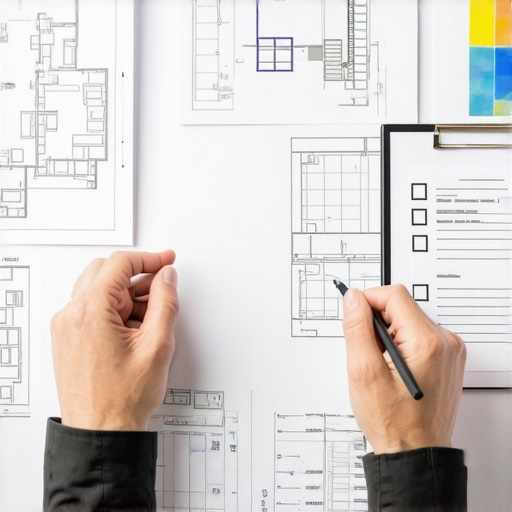
I remember the moment vividly: I had just left a noisy coffee shop after a frustrating hour of trying to pitch my startup to an investor over terrible Wi-Fi and intrusive chatter. It hit me — my environment was sabotaging my professionalism and focus. That lightbulb moment made me realize how crucial the right office space can be, especially when you’re just starting out and trying to make a strong impression.
Choosing your first office isn’t just about finding a desk and a chair. It’s about crafting an environment that fuels productivity, inspires creativity, and projects credibility. But let’s be honest: the task can feel overwhelming. How do you even begin? Should you go for a traditional lease or test the waters with coworking spaces? And what pitfalls should you watch out for?
Today, I promise to guide you through the essential checklist that can save you time, money, and stress in your search. We’ll uncover the most common mistakes early founders make and how to avoid them—so you can focus on what matters most: building your business.
Why Your First Office Search Can Feel Like Walking a Tightrope
Finding the right space isn’t just logistical; it’s strategic. An office that’s too expensive, poorly located, or unknowingly noisy can derail your team’s momentum before they even settle in. Conversely, scoring a space that fits your startup’s vibe can energize your team, impress clients, and even open doors to valuable networking opportunities. As coworking expert insights reveal, the right environment can be a game-changer in your startup’s growth trajectory.
One common mistake I made early on was overlooking natural light. I assumed any decent space would do, but I quickly learned that spaces bathed in sunlight significantly boost morale and productivity. Don’t underestimate your environment’s impact on your daily performance.
Are you struggling to find an office environment that genuinely supports your startup’s goals? If so, don’t worry—we’re just getting started. The upcoming sections will break down exactly how to prioritize what matters most, from location to amenities, ensuring your first office is not just a place to work but a strategic asset. Ready to dive into the practical steps to make your search both efficient and effective? Let’s go.
Define Your Essential Needs Immediately
Start by listing your startup’s core requirements: size, location, budget, and access to amenities. For example, in my early days, I prioritized a central location with fast Wi-Fi and a quiet zone for investor calls. Write down non-negotiables and nice-to-haves to streamline your search, avoiding the mistake I made by falling for a stylish space that lacked reliable internet.
Compare Coworking Spaces Versus Traditional Leasing
Think of coworking environments as dynamic marketplaces where shared resources boost innovation. Unlike signing a long-term lease, coworking allows flexibility, perfect for startups testing growth paths. I once chose a coworking hub with innovative meeting rooms that sparked my team’s creativity, which you can see more about in this article. This approach prevented me from overcommitting and gave us space to adapt rapidly.
Prioritize Location with a Strategic Eye
Location impacts daily commute, client impressions, and networking. Use mapping tools to analyze proximity to public transport and complementary businesses. I remember visiting a space near a busy transit hub, which made it easier for out-of-town visitors—saving us hours and aggravation. Always consider your team’s routine and your client base.
Assess Conference and Meeting Rooms Carefully
Meeting spaces should be more than a backdrop; they are your stage. Select rooms that support natural light, soundproofing, and tech needs—like high-quality projection and reliable Wi-Fi. An investiture I made was booking a conference room with excellent acoustics that enhanced our virtual investor pitches, highlighting the importance of a good environment. Learn more about selecting effective conference rooms here.
Visit Spaces in Person Before Committing
Don’t rely solely on virtual tours. Schedule on-site visits, preferably during working hours, to observe team dynamics and space usability. I once skipped this step and found myself in a noisy, cluttered environment that hampered productivity. Be vigilant about noise levels, natural light, and overall vibe. Use your senses to gauge whether a space fosters focus and collaboration.
Test Drive the Space with a Trial Day Pass
Many providers offer day passes—use them to simulate a typical workday. This allows for testing amenities, internet stability, and overall comfort. I once spent a day in a coworking space with frequent Wi-Fi drops, which would have derailed client meetings. Remember, experiencing the environment firsthand helps you avoid costly mistakes.
Negotiate Terms and Understand Hidden Costs
Lease negotiations are essential—don’t accept the first offer. Clarify costs for utilities, amenities, security, and exclusivity. For instance, I negotiated a trial period allowing us to extend or relocate, which provided invaluable flexibility. Review the privacy policy here to ensure privacy standards meet your needs.
Align Your Space with Your Startup’s Brand and Culture
The ambiance should reflect your company’s identity—be it innovative, professional, or relaxed. Use decor, signage, and layout to communicate your culture. I personalized my space with startup-themed artwork, which inspired team pride and impressively conveyed professionalism during client visits.
Secure a Long-Term Vision, Not Just a Quick Fix
While flexibility is tempting, consider your growth trajectory. Will this space support a team expansion or a pivot? I once moved into a space that’s now too cramped, forcing a costly relocation. Investing time in this planning step can save you headaches down the road.
Leverage Community and Networking Opportunities
Choose environments with active communities—they often host events that can accelerate your startup’s growth. For example, joining a coworking space with curated networking events led me to my first notable investor connection, which you can learn more about in this article.
Many entrepreneurs operate under misconceptions when it comes to choosing conference rooms, coworking environments, and meeting spaces. Let’s dig deeper into what most people get wrong and uncover some hidden nuances. One prevalent myth is that larger, glass-walled meeting rooms automatically foster better collaboration. While transparency can promote openness, it often leads to acoustic issues and distractions, reducing productivity. Experts like the Harvard Business Review highlight that noisy,echo-prone spaces can impair focus and decision-making. Instead, prioritize soundproofing and privacy to ensure productive discussions.
Another common mistake is underestimating the importance of room layout and technology. Some believe that simply having a big screen and a whiteboard suffices. However, innovative furniture arrangements and integrated tech solutions significantly enhance engagement. For instance, innovative meeting rooms designed for startups often include movable furniture, modular setups, and smart tech to adapt to varied team needs. These nuances can turn a mediocre space into a hub of creativity.
Now, when selecting coworking spaces, many focus solely on location and price, neglecting community dynamics. A space that lacks an active, engaged community can be a missed opportunity for networking and growth. As highlighted in recent articles on coworking networks, vibrant communities spark collaborations that drive startup success.
But here’s the hidden trap: assuming all shared spaces are equally conducive to deep work. Open-plan layouts, while fostering camaraderie, may introduce distractions. To avoid this, evaluate the availability of quiet zones or soundproof booths. Soundproof booths can be game-changers, enabling focused work sessions without leaving the collaborative environment.
Lastly, many overlook the importance of assessing privacy policies and security measures in coworking spaces or conference environments. Sensitive discussions require assurance that confidentiality is maintained. It’s advisable to review the privacy policies carefully before signing up.
In summary, dismantling these myths and paying attention to subtle nuances can dramatically improve your startup’s workspace efficiency. Do you think you’ve fallen into these traps? Let me know in the comments. Remember, the right environment can be a catalyst for growth—so choose wisely.
How do I maintain conference room efficiency over time?
Maintaining smooth operations in your meeting spaces involves strategic planning and the right equipment. Personally, I rely on a combination of high-quality microphones, smart booking systems, and regular space audits to ensure everything runs flawlessly. Equipping your conference rooms with advanced audio-visual technology ensures clear communication, especially important for remote participants or high-stakes pitches. Regularly updating software and hardware prevents glitches that can disrupt critical meetings.
Invest in a robust reservation system that integrates with your team’s calendars. This minimizes double bookings and last-minute surprises. I’ve found that tools like Robin or OfficeRnD streamline this process, saving valuable time. Moreover, scheduling routine maintenance—like checking microphones, projectors, and Wi-Fi routers—keeps the environment dependable and minimizes downtime.
Streamlining long-term results through consistent upkeep
Over time, small upgrades can yield significant benefits. For example, replacing aging audio equipment with soundproofing solutions can drastically improve acoustic quality, making meetings more effective. Implementing a feedback loop with your team allows continual improvement. Encourage team members to report issues and suggest enhancements—this creates a culture of proactive maintenance.
Looking ahead, the future of conference rooms points toward automation and AI integration. Predictive maintenance systems can alert you before equipment fails, ensuring your space is always primed. Staying updated with tech trends will help you adapt quickly and avoid being left behind.
What tech will define the future of conference room maintenance?
Experts predict that IoT devices and smart sensors will become standard, enabling real-time monitoring of environment conditions and equipment performance. This proactive approach minimizes disruptions and ensures a consistently professional impression. For instance, smart lighting & climate control systems can adjust automatically based on occupancy and weather patterns, enhancing comfort and efficiency.
One actionable tip is to implement a scheduled check using integrated management software, which logs usage and detects anomalies. Combine this with periodic staff training on equipment care and troubleshooting. This layered approach not only preserves your investment but also boosts long-term productivity.
Don’t wait for problems to arise. Jump-start your maintenance regimen today by deploying a comprehensive software solution that offers predictive analytics. It’s a small step that can yield big results in reliability and professionalism. For detailed insights into selecting the right tech tools, explore this guide on maximizing conference room productivity.
Keep your spaces ready and your team focused—regular upkeep isn’t just maintenance; it’s the foundation of your startup’s professionalism and growth.
What I Wish Someone Told Me About Finding the Perfect Workspace
- One lesson I keep revisiting is that it’s not just about square footage but about environmental compatibility—lighting, noise levels, and vibe matter more than I initially understood.
- I underestimated how crucial community engagement is; a vibrant environment can open doors to unexpected collaborations and mentorships that propel your startup forward.
- My biggest mistake? Moving into a space without reflecting on future growth—scaling can become a logistical nightmare if your initial choice isn’t flexible enough.
A Roadmap to Smart Workspace Decisions
I’ve relied on tools like this resource for insights on designing meeting rooms that spark creativity, and it’s been a game-changer. For assessing the technical side, this guide helped me streamline conference room tech, saving hours every week. And when it comes to expanding my network, this article provided valuable tips on leveraging coworking communities to unlock new opportunities.
Keep Your Dream Space Close – It’s a Journey
Your choice of workspace isn’t just a static decision; it’s a strategic move that impacts growth, culture, and your ability to adapt. Trust yourself, stay curious, and remember that the right environment often appears when you least expect it. Every step you take towards optimizing your startup space is a step toward greater success. Keep experimenting and learning—your ideal workspace is out there, ready to transform your company’s story.