

I remember sitting in a tiny conference room, desperately trying to squeeze in one more team member, when it hit me—our office was bursting at the seams, and I hadn’t truly planned for growth. It wasn’t just about fitting desks; it was about creating a space that would nurture development, accommodate new hires, and reflect our evolving vision. That lightbulb moment made me realize how crucial it is to find an office that scales with your hiring ambitions, not just a place to work today but a foundation for tomorrow.
Why Your Office Choice Can Make or Break Growth
Choosing the right office space isn’t just logistics; it’s a strategic decision that impacts your company’s culture, productivity, and ability to attract top talent. The challenge lies in predicting your growth; startups often underestimate how quickly they’ll need more room—and more importantly, how to choose a space that adapts to those changes without crippling costs or operational disruptions. From my personal experience, the biggest mistake early on was settling for a space that was comfortable for now but would become a sandbox of limitations within months.
Is Flexibility Overhyped, or Does It Save Your Startup?
Early in my journey, I made the rookie error of signing a long-term lease for a space that felt perfect at the time. Looking back, I should have prioritized flexibility—whether through coworking memberships, short-term leases, or scalable private offices. According to a recent survey, over 60% of startups that prioritized flexible office solutions experienced smoother scaling processes. If you’re questioning whether flexibility is worth the hype, I can tell you from experience that it’s often the key to surviving rapid growth without hemorrhaging resources. Curious about how to identify truly adaptable spaces? Check out this comprehensive guide on [how to choose the perfect conference room for your evolving needs](https://coworkingcentral.com/how-to-choose-the-perfect-conference-room-for-business-success).
Have you faced the stress of an inflexible office that couldn’t keep up? If so, you’re not alone. The next step is understanding what features and arrangements will support your growth and save you from costly relocations down the line. Let’s dive into how to assess an office space not just for today but for the many steps ahead.
Prioritize Flexibility in Your Search
When I first looked for office space, I rushed into a long-term lease because it seemed like a safe bet. But within months, our team quadrupled, and we outgrew the space like a shoe that no longer fits. Instead, I recommend exploring flexible options such as coworking memberships or short-term leases. These can be scaled up or down swiftly, preventing costly relocations and operational disruptions.
Assess Future Growth Needs with Precision
To avoid buying a suit that doesn’t fit your future, sketch out your growth projections over the next 12-24 months. Consider not just headcount but also space for collaboration zones, quiet areas, and expansion rooms. Use this plan as your filter—if a space can’t accommodate your projected growth comfortably, it’s not the right fit. During my own search, I analyzed our hiring plans alongside available spaces and found that a modular setup allowed us to reconfigure rapidly, saving thousands in moving costs.
Choose Adaptive Conference Rooms
Conference rooms are the heart of collaboration; they must adapt as your team evolves. Think of them as Swiss Army knives—versatile and multi-functional. Opt for spaces that support different configurations: isolated areas for deep work, open layouts for brainstorming, and tech-friendly setups for virtual meetings. I once booked a conference room that was outdated and noisy; switching to a modern, soundproof room from a coworking space improved our team’s focus and professionalism during investor calls. For insights on selecting spaces that boost productivity, see this guide.
Invest in Soundproof and Tech-Ready Rooms
One mistake to avoid is choosing rooms without proper acoustics or tech infrastructure. Think of conference rooms as the cockpit of your startup’s communication plane. If noise seeps in or the Wi-Fi drops, your entire operations suffer. At a crucial stage, we upgraded to rooms with advanced acoustic treatments (see here) and high-speed internet, which saved us from embarrassing technical mishaps during critical client pitches.
Design with Scalability in Mind
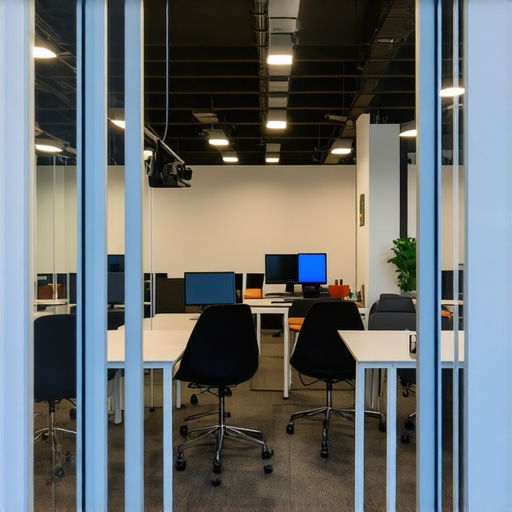
Office layouts should facilitate growth—not hamper it. Modular furniture, sliding walls, and flexible layouts allow rapid reorganization. Picture your office as a living organism that can stretch and adapt without needing a complete overhaul. During our expansion, we reconfigured meeting zones weekly, effortlessly accommodating new teams and projects. This approach kept morale high and minimized downtime, proving that thoughtful design pays dividends.
For tailored advice, consult resources like this guide on selecting ideal conference rooms that grow with your startup.
Many assume that choosing a conference room or coworking space is just about finding a location with enough seats and decent Wi-Fi. But in my experience, there’s a hidden nuance that can make or break your startup’s growth—something even seasoned entrepreneurs often overlook. One common misconception is that bigger or more luxurious spaces automatically translate into better productivity and collaboration. While that might seem logical, the reality is more complex. Overemphasizing aesthetics can lead to neglecting crucial features like acoustic privacy, technological infrastructure, and flexibility, which are vital for high-stakes meetings and daily operations.
Another myth is that the most expensive or centrally located spaces are always the best choice. In fact, I’ve seen startups thrive in modest, well-designed coworking environments because of their focus on adaptability and community engagement. This misconception can lead founders to overspend on office space without optimizing for the actual needs of their team.
### Are All Meeting Rooms Created Equal for Serious Negotiations?
Not at all. Many assume that any conference room with a projector and a table will suffice for investor pitches or critical client meetings. However, the environment’s quality—soundproofing, lighting, tech readiness—can drastically influence perceptions and outcomes. A study published in the Journal of Business and Psychology highlights that environmental comfort and acoustic privacy significantly impact negotiation success rates. Poorly equipped or noisy spaces can distract participants and undermine professionalism, regardless of your pitch’s content.
Beyond the physical setup, I emphasize that integrating technology thoughtfully—such as high-quality microphones, reliable Wi-Fi, and smart presentation tools—can elevate a simple meeting into a memorable, impactful experience. For advanced entrepreneurs, the real trick is to view conference rooms as assets that mirror your company’s professionalism and readiness. To master this aspect, explore [how to choose the perfect conference room for your startup](https://coworkingcentral.com/how-to-choose-the-perfect-conference-room-for-business-success), ensuring you’re not falling prey to superficial choices.
### The Oversight That Can Derail Your Collaboration Efforts
Many startups focus on selecting spaces that fit their current headcount, but neglect future expansion. This shortsightedness often results in costly relocations or duplicated costs down the line. Designing conference rooms and coworking zones with scalability in mind—like modular furniture or adaptable layouts—can future-proof your collaboration efforts. I recommend reviewing [this guide](https://coworkingcentral.com/how-to-maximize-productivity-in-your-startups-conference-rooms-by-0245-pm) to avoid the trap of static spaces that hinder growth.
Furthermore, the myth that all coworking environments foster innovation is misleading. Active community management and curated spaces with targeted amenities make a notable difference. It’s about more than shared desks—it’s about the design of those spaces to promote spontaneous ideas and cross-pollination. Studies from the Harvard Business Review suggest that well-organized, community-oriented coworking spaces significantly boost creativity and networking—a vital component for startups aiming to disrupt markets.
Have you ever fallen into this trap? Let me know in the comments. Recognizing these subtle pitfalls can transform your approach to selecting and utilizing conference rooms and coworking spaces, giving your startup a strategic advantage in a competitive landscape.Running an efficient conference room or coworking space requires more than just a good location; it hinges on the right tools and maintenance routines. From hardware setups to software management, I personally rely on a suite of equipment that ensures seamless meetings and day-to-day operations. One critical device I use is the Logitech Rally Plus video conferencing camera system, which offers crystal-clear visuals and smart framing—vital for remote participants to feel integrated. Pairing it with Zoom Rooms software allows me to effortlessly schedule, start, and control meetings across multiple rooms, reducing logistical headaches.
Another indispensable component is a high-fidelity audio system with acoustic treatment. For quiet, productive meetings, I invested in soundproofing and acoustic panels; this prevents noise bleed and maintains confidentiality. Additionally, I recommend using smart touch control panels like the Crestron TSS-7 for intuitive room management, which minimizes technical glitches during busy schedules.
On the software side, I swear by Space Management platforms that facilitate booking, usage tracking, and analytics. These tools help identify patterns, optimize room utilization, and schedule maintenance proactively.
As the trend shifts toward more adaptive environments, I predict a substantial move toward AI-driven room management systems that can automatically detect occupancy, adjust lighting and temperature, and even analyze meeting quality. Investing early in these technologies can give your startup an edge.
### How do I maintain conference room tools over time?
Regular maintenance is key, including firmware updates, hardware inspections, and user training sessions. It’s also wise to keep an emergency kit—spare cables, adapters, and backup devices—to troubleshoot unexpected issues swiftly. Setting a calendar reminder for quarterly checks ensures your tools remain in top shape, reducing downtime and frustrations.
Try integrating an AI-powered occupancy sensor system into your conference rooms. It’s a game-changer for dynamically adjusting environmental settings and ensuring every meeting runs without technical hiccups. For detailed guidance, check out this resource.”}#IMAGE_PLACEHOLDER_D#{
The Hardest Lesson I Learned About conference room,startup,coworking,meeting rooms
Initial enthusiasm often led me to rush into spaces that seemed perfect but lacked adaptability. Over time, I realized that making hasty decisions about office space can stall growth and innovation, emphasizing the importance of patience and deep assessment.
3 Myths About conference room,startup,coworking,meeting rooms That Held Me Back
Believing that bigger equals better, that luxury signifies professionalism, and that all spaces are equally versatile cost me valuable opportunities. Debunking these myths was pivotal in refining my approach towards selecting environments that truly fuel productivity.
What Experts Won’t Tell You About conference room,startup,coworking,meeting rooms
While many focus on location or aesthetics, the true secret is in the space’s capacity to evolve with your team’s needs. Flexibility, acoustic quality, and technological infrastructure are the unseen heroes that empower sustained growth.
My Essential Toolkit for creating adaptable workspaces
Investing in modular furniture, soundproofing solutions, and smart AV equipment has transformed the way my team collaborates and scales. These tools aren’t just gadgets; they’re enablers of agility and professionalism.
Where to Go from Here
Building on these lessons, I encourage you to assess your current office environment critically. Engage with resources like this comprehensive guide to identify gaps and opportunities for optimization.
Your Next Bold Step
No matter where your startup stands today, selecting or redesigning your space with foresight can be a game-changer. Embrace the lessons learned, and let your office be a catalyst for the growth you envision. What’s the one aspect of your office setup you’re eager to reimagine? Share your thoughts below—I’d love to hear your journey and insights.