

I sat there for three months, a ghost in a $400-a-month chair, nursing a lukewarm latte and staring at my laptop screen until my eyes burned. I was a member of one of the city’s trendiest spots, sure. I had the keycard, the high-speed fiber, and access to the fancy sparkling water tap. But my client list was as stagnant as that forgotten cold brew in the communal fridge. I was making the classic mistake: I treated my desk like a fortress rather than a bridge. My breakthrough didn’t happen during a formal pitch; it happened when I finally took my headphones off and realized the person sitting across from me was struggling with the exact problem my business solves. Today, I’m going to show you how to stop paying for a ‘library’ and start leveraging your workspace to actually grow your revenue.
Stop Being the Invisible Professional in the Corner
My early failure was rooted in a very common fear. I thought that by simply existing in a room full of entrepreneurs, clients would magically manifest through osmosis. They don’t. You have to be intentional. If you are still trying to pitch your services in a noisy coffee shop, you are already behind. Your membership gives you a professional stage, but you have to actually step onto it. I wasted so much time being the ‘focused’ worker who never looked up, only to realize that according to the Harvard Business Review, the true value of these spaces is the social capital and the sense of community they provide, which directly correlates to professional thriving.
Is networking in a shared office actually worth the hype?
I know what you’re thinking because I thought it too: ‘I don’t have time to chat; I have work to do.’ You might even feel that networking when you hate small talk is a special kind of torture. But here is the reality: your next big contract isn’t hiding in an email; it is likely sitting three desks away from you. The ‘hype’ is real only if you know how to get the most value out of your coworking membership by being a neighbor first and a vendor second. Have you ever spent an entire day in your space without uttering a single word to another human being? I’ve been there, and it’s the fastest way to stay broke. We need to shift your strategy from ‘working near people’ to ‘working with people.’ To do that, we have to look at how you present yourself and your business within these four walls. For many of us, that starts with creating a professional image that makes people want to approach you in the first place. Let’s dive into the tactical moves that changed my business from a solo struggle to a collaborative success.
Transform Your Membership into a Revenue Machine
Moving from a passive observer to an active participant in your workspace requires a tactical shift. You have to treat your membership like a tool, not just a utility bill. The first step is realizing that your physical presence is a form of branding. I spent months hiding behind a laptop lid, thinking my ‘grind’ was visible to everyone. It wasn’t. To the people around me, I was just another freelancer. To fix this, I started treating my workspace as a client-facing asset rather than just a place to store my bag. I realized that how to get the most value out of your coworking membership isn’t about the free beer; it is about the professional gravity you create in the room.
Why a Dedicated Meeting Room Beats the Local Coffee Shop
I remember trying to close my first five-figure deal over a wobbly table at a nearby Starbucks. Between the screaming espresso machine and the guy next to us trying to borrow a napkin, the gravity of my pitch was lost. It felt amateur. That was the last time I skipped booking a proper space. When I finally shifted to using professional environments, I learned how to choose the perfect conference room for business success, and the results were immediate. A closed door and a screen that actually works tell your client that you are a serious operator with a stable base. You should definitely stop taking clients to hotel lobbies or noisy cafes where you can’t control the environment. The psychology of a private room shifts the power dynamic in your favor every single time.

Make Your Presence Felt Without Being a Nuisance
The shared kitchen is the most underrated networking tool in your arsenal, but you have to use it correctly. Most people either avoid it entirely or become the ‘office pest’ who talks too much. I developed a ‘three-minute rule.’ If I am getting coffee, I engage for three minutes—no more. This builds familiarity without the exhaustion. If you want to dive deeper, the founders guide to networking without the awkwardness is your blueprint for these interactions. I also started leaning on the staff. I found that the truth about community managers is that they are essentially the matchmakers of the business world; they know who needs what you’re selling. One quick chat with mine led to an introduction with a SaaS founder who became my biggest client that year. But remember, professionalism is key. Always avoid taking a private call in an open lounge, as it signals a lack of respect for the shared environment and damages your reputation with your peers. You need to focus on why your startup needs a better first impression, starting with how you handle the basics of office etiquette.
But even with perfect etiquette, I see founders make a fatal mistake: they prioritize aesthetics over functionality when booking space. Let’s dig deeper into what actually moves the needle during a high-stakes meeting. Most beginners believe that the most expensive room with the biggest screen is the ‘best’ choice. In my experience, high-tech often equals high-friction. I have seen more deals fall apart because a founder spent fifteen minutes struggling with a proprietary dongle than because of a lack of features. Understanding the problem with tech-heavy meeting rooms that nobody knows how to use is the first step toward genuine professionalism. You need a setup that allows you to focus on your client, not the AV equipment. I always recommend following the checklist for a glitch-free hybrid board meeting before you ever invite a guest into the building.
Stop Chasing the Most Expensive Technology in the Building
There is a common myth that a flashy environment equals a successful startup. In reality, a hyper-modern, sterile room can actually intimidate clients or make them feel like you are overcharging them to pay for your fancy rent. The ‘Oops’ factor here is the ‘Empty Room Syndrome.’ I once booked a twenty-person boardroom for a three-person pitch, thinking it would make me look successful. Instead, the vast empty space made my tiny team look insignificant and the conversation felt cold and echoing. Learning startup success secrets for choosing the perfect conference room means matching the room’s scale to your team’s size to create an atmosphere of intimacy and focus.
How does the physical shape of a room change the outcome of your deal?
This is the hidden nuance most founders miss. A study by the University of British Columbia found that the physical environment, specifically seating arrangements, significantly impacts persuasion and cooperation. Circular seating encourages a collective mindset, while rectangular tables often trigger an ‘us versus them’ competitive vibe. This is why the hidden psychology of circular meeting tables is so powerful for collaborative sessions. If you are looking for a breakthrough, you might find that why a neutral meeting space leads to more honest feedback has more to do with the furniture layout than the agenda itself. 
Why a Huge Boardroom Might Actually Tank Your Pitch
Beyond the furniture, you have to consider the sensory experience. Beginners focus on the screen; experts focus on the air and the light. I’ve seen million-dollar pitches fail because the ‘premium’ room had no windows and the CO2 levels spiked after thirty minutes, making everyone groggy. Always prioritize how to find a meeting room that actually has natural light. It keeps the energy high and the decision-makers awake. Have you ever fallen into the trap of booking a room that looked great on the website but felt like a dungeon in person? Let me know in the comments.
Pack a toolkit that never fails
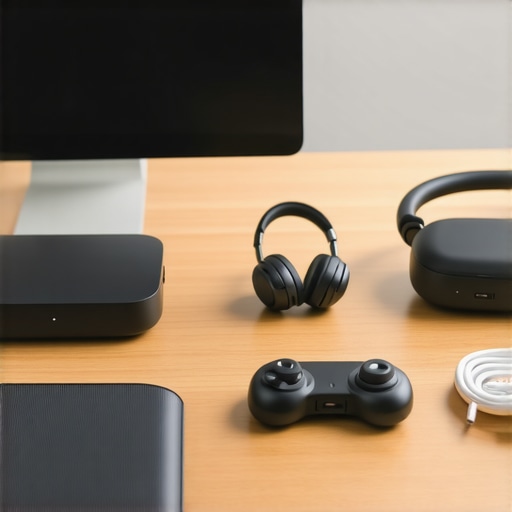
After three years of living in shared spaces, I’ve learned that relying solely on the house equipment is a gamble I’m no longer willing to take. You need a ‘Go-Bag’ that makes you platform-independent. For me, that meant investing in a Jabra Speak 710. Why? Because the built-in microphones in most laptops are garbage at filtering out the hum of a ventilation system. If you want to know how to maximize productivity in your startups conference rooms by 0245 pm, it starts with bringing your own high-fidelity audio. I also carry a dedicated LTE hotspot as a fail-safe. If you have ever been in the middle of a demo and felt that cold sweat when the communal network lags, you know what to do when the office wi-fi goes down mid-pitch—you switch to your own private line before the client even notices a stutter.
The standard that saves your reputation
Consistency is the hallmark of a professional. I follow the standards set by AVIXA (the Audiovisual and Integrated Experience Association), specifically their recommendations on ‘System Technical Performance.’ They emphasize that a user should be able to operate a room’s technology within 30 seconds of entering. If it takes longer, the tech is a liability. This is why I always prioritize innovative meeting rooms that boost startup creativity over those with overly complex, proprietary hardware. I have found that the problem with tech-heavy meeting rooms that nobody knows how to use is usually a lack of standardized connectors. My rule? If the room doesn’t have a visible HDMI cable and a clear ‘Source’ button, I’m not booking it for a high-stakes deal. You need a checklist for a glitch-free hybrid board meeting that includes a five-minute tech dry run every single time.
How do I keep my meeting room standards high as we scale?
Scaling is where things usually get messy. When it was just me, I could manage my schedule on a napkin. Now, as our team grows, we have to be more intentional about space. We eventually hit a ceiling with hot-desking and had to look at why we moved our engineering team to a private suite. It wasn’t about status; it was about protecting their ‘deep work’ time from the noise of the lobby. If you are at that crossroads, how to find an office space that grows with your hiring plan becomes your most important strategy. I predict that by 2026, we will see ‘AI-driven spatial balancing’ in coworking hubs, where sensors automatically adjust lighting and sound masking based on the real-time density of the room. This will be a core part of the future of conference rooms in startup ecosystems. For now, maintenance means doing a weekly audit of your gear and your bookings. How to handle the noise problem in open plan offices isn’t a one-time fix; it’s a constant adjustment of where you choose to sit and which rooms you lock down for your team’s most sensitive work. Don’t wait for a technical failure to audit your workflow. This week, I want you to test your pitch deck on a secondary screen you’ve never used before to find the weak points in your connection kit.
Hard Truths from Three Years in the Trenches
Looking back at my journey from that $400-a-month “ghost” to running a scaled agency, the most valuable lessons weren’t found in a handbook. I realized that the physical environment is an extension of your company’s culture. For instance, I ignored the real impact of office design on your teams mental health for far too long, thinking a desk was just a desk. It wasn’t until I saw productivity soar in spaces with better light and air that I understood the ROI of a premium environment. I also learned that you should never judge a space by its lobby; the real work happens in the corners nobody sees. My most successful collaborations didn’t come from the flashy networking events, but from how to use local events to find your first ten customers by simply being helpful and present in the shared lounge. Always remember that reliability beats features; a simple room that works is worth ten high-tech rooms that glitch during a pitch.
#IMAGE_PLACEHOLDER_E#
My Non-Negotiable Gear for High-Stakes Meetings
Consistency is your greatest asset when you don’t own the building. I have developed a “Zero-Failure” routine that I take into every session. I always bring a dedicated adapter kit and a high-quality external webcam, because choosing the right lighting for your next video pitch can be the difference between looking like a pro and looking like a total amateur. I also keep a digital copy of the checklist for a glitch-free hybrid board meeting on my phone to run through every morning before my guests arrive. I trust these tools because they eliminate the variables I can’t control in a shared space. If you are serious about your growth, you need to understand exactly how to prep for a high-stakes board meeting so that the environment supports your message rather than distracting from it.
Take the Leap and Claim Your Space
Your business deserves to exist in a space that matches its ambition. Whether you are currently hot-desking or looking at how to scale your office space without breaking the lease, remember that your environment is a tool you must actively manage. The transition from a solo flyer to a leader often happens the moment you start treating your coworking membership as a strategic asset rather than a monthly bill. You have the stage; now it is time to perform and build the connections that will define your next chapter. What was the one thing that made you realize your home office or local coffee shop was no longer enough for your growing business? Let me know your turning point in the comments below!