

I remember sitting in a cramped corner of a local café, sweat pricking my neck as the steam wand shrieked right when I reached the most critical part of my pitch. My potential partner—a woman I’d spent months trying to recruit—kept glancing at her watch while the person at the next table loudly argued about their grocery list. The vibe was all wrong. I looked like a hobbyist, not a founder. I realized right then that why your startup pitch is falling flat in a coffee shop isn’t just about the noise; it’s about the lack of intentionality. You aren’t just selling an idea; you are selling a future. If you can’t control your environment, how can they trust you to control a company?
Step Out of the Coffee Shop Shadow
Early in my career, I made the classic mistake of thinking that ‘scrappy’ meant being cheap. I assumed that if my idea was good enough, it wouldn’t matter if we were shouting over a blender. I was wrong. I’ve learned the hard way that why your startup needs a better first impression starts with the physical space you occupy. When I finally swapped the local cafe for a professional environment, my closing rate for partnerships skyrocketed. Today, we’re going to look at the psychological shift that happens when you move from a public space to a curated one. Whether it’s a co-founder or a major investor, the setting dictates the status of the conversation.
Is a professional meeting room actually worth the expense?
Many of you are probably thinking that your budget is too tight for ‘extras.’ I felt the same way until I realized that why you should stop taking clients to hotel lobbies or garages is a matter of ROI, not vanity. According to research from Princeton psychologists Janine Willis and Alexander Todorov, it takes only a tenth of a second to form an impression of a person—and the environment you choose acts as a powerful non-verbal cue that reinforces that split-second judgment. If you are asking someone to tether their career to yours, showing up in a professional perfect conference room for business success tells them you are serious. Have you ever felt like a potential partner was checked out before you even finished your introduction?
The Psychology of Controlled Environments
When you invite someone into a dedicated space, you aren’t just getting a table and chairs. You are gaining control over the narrative. In those early days, I struggled because I was always reacting to my surroundings—the Wi-Fi cutting out, the lack of a plug, or the person hovering for my seat. You can’t lead a high-level discussion when you’re worried about the etiquette of taking a private call in a crowded room. Moving to a space with the secret to a pitch deck that gets past the first meeting mindset means choosing a venue that breathes professional confidence. It’s about eliminating distractions so the only thing they can focus on is your vision. We’re going to dive into exactly how to pick the right spot that says ‘industry leader’ rather than ‘struggling amateur.’
Stop Treating Your Booking Like a Quick Coffee Run
When I first started, I thought the “where” was secondary to the “what.” I was wrong. Success in a professional environment requires a tactical approach to logistics. It’s about how to prep for a high stakes board meeting even if it’s just your first hire. You need to verify the room’s capacity and layout long before your guest arrives. A room that is too large makes your startup look small; a room that is too small makes your operation look suffocated. Finding that “Goldilocks” zone is one of the startup success secrets choosing the perfect conference room at 0817 am that separates the pros from the amateurs.
Test Every Cable Until You Can Do It Blindfolded
I once walked into a sleek downtown suite feeling like a million bucks, only to realize the HDMI port was proprietary and my laptop was effectively a brick. I spent twenty minutes of a thirty-minute window frantically searching for an adapter while my potential client sat in awkward silence. It was humiliating. This is why the problem with tech-heavy meeting rooms that nobody knows how to use is a genuine threat to your credibility. Now, I arrive at least fifteen minutes early to run a full diagnostic. Does the screen mirror? Is the audio crisp? Do you know what to do when the office wi-fi goes down mid-pitch? Having a local backup of your deck on a thumb drive isn’t being paranoid; it’s being prepared.
Select a Space That Actually Fits the Vibe
Not all professional rooms are created equal. Some are designed for creative brainstorming, while others are built for intense negotiations. If you’re pitching a high-tech solution, you want a space with the acoustic secrets of high-end conference rooms—where every word is heard without echo or outside interference. I’ve found that why we prefer hourly rentals for client meetings is that it allows us to match the venue to the client’s personality.  If they are corporate and buttoned-up, we book the executive boardroom. If they are a creative agency, we choose a glass-walled hub with whiteboards. This level of environmental tailoring shows you understand their world and respect their time.
Master the Subtle Art of Space Etiquette
When you’re in a shared workspace, you are a guest in a larger ecosystem. Your guest will notice how you interact with the staff and the space. If you’re fumbling with the coffee machine or looking lost, you lose that “home-field advantage.” I always take a few minutes to introduce myself to the community manager. It ensures that if a technical glitch happens, I have an ally ready to jump in. This familiarity turns a rented room into your temporary headquarters, giving you the psychological edge needed to lead the conversation.Most people assume that the more gadgets a room has, the more impressive their startup will appear. I’ve found the opposite to be true. One of the biggest mistakes founders make is choosing the most ‘futuristic’ room available without considering the friction it introduces. We often think that a voice-controlled lighting system or a 90-inch touchscreen will close the deal, but in reality, the problem with tech-heavy meeting rooms that nobody knows how to use is that they create a barrier between you and your audience. Every second you spend troubleshooting a ‘smart’ remote is a second you aren’t selling your vision. In my experience, a reliable, low-tech environment with high-quality analog tools—like a well-maintained whiteboard—is often far more effective at building trust than a glitchy digital suite.
How does room geometry change the power dynamic of your pitch?
Many founders focus on the ‘what’ and ‘who,’ but they ignore the ‘where’ in terms of cognitive load. According to research on environmental psychology from the University of Minnesota, even something as subtle as ceiling height can fundamentally shift a person’s mindset. High ceilings tend to promote relational and abstract thinking, which is ideal when you need a partner to see the ‘big picture’ of your 10-year roadmap. Conversely, lower ceilings favor detail-oriented, analytical work. If you are diving into a complex cap table or technical specifications, choosing a room with a lower ceiling can actually help your audience focus on the granular details. This is why learning how to maximize productivity in your startups conference rooms by 0245 pm requires matching the physical architecture to the cognitive task at hand. Beyond height, consider the table itself. I’ve noticed that the psychology of circular meeting tables fosters a sense of equality and collaboration, whereas a long rectangular boardroom table immediately establishes a hierarchy that might make a new hire or a sensitive partner feel defensive. 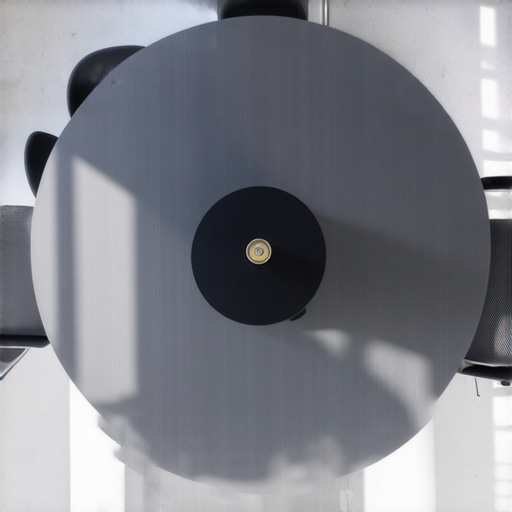
The Fishbowl Trap Can Kill Your Negotiation Before It Starts
Here is the ‘oops’ factor most founders overlook: the transparency trap. In the modern coworking world, glass walls are the gold standard for aesthetic appeal. They look sleek and professional, but for high-stakes negotiations, they are a disaster. When you are in a glass-walled ‘fishbowl,’ your subconscious is constantly scanning for movement in the peripheral—people walking by, a ping-pong game in the lounge, or someone looking for their lost lunch. This external stimulus triggers a subtle ‘threat’ response in the brain, making it harder to establish deep rapport. This is exactly why privacy is the new luxury in coworking and why you should opt for frosted glass or solid walls when the stakes are high. It’s not just about keeping your secrets safe; it’s about protecting the mental health and focus of everyone in the room. We often forget the real impact of office design on your teams mental health and their ability to process stressful information. Have you ever fallen into this trap of choosing style over psychological substance? Let me know in the comments.I’ve realized that the ‘set it and forget it’ mentality is the death of a professional reputation. You can’t just book a room once and expect the magic to repeat itself without a bit of intentional maintenance. I now treat my meeting environments like a high-performance engine. One of my non-negotiable tools is a shared ‘Room Specs’ doc in Notion. It’s where my team logs everything from the specific dongle needed in a particular coworking branch to whether the room gets too hot by mid-afternoon. This isn’t just busy work; it’s how to prep for a high stakes board meeting without the last-minute panic. If you aren’t documenting the quirks of your space, you’re doomed to repeat the same technical failures.
How do I keep my meeting space standards high?
Maintaining a professional edge requires a recurring audit of your physical habits. Every quarter, I review our most frequented spots to see if they still align with our brand. For my hybrid calls, I’ve become obsessed with the Meeting Owl 3. It’s an all-in-one 360-degree camera, mic, and speaker that actually shifts focus to whoever is speaking. When I’m in a collaboration hub, having gear that makes my remote engineers feel like they are sitting at the table is vital. It avoids that ‘second-class citizen’ feeling that kills morale. But gear is only half the battle; you need a protocol. I use a checklist for a glitch-free hybrid board meeting every single time—no exceptions. 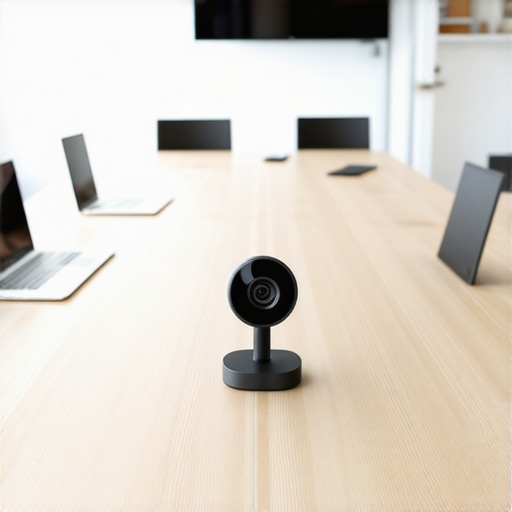
The Gear That Actually Matters
Don’t fall for the trap of buying every gadget on the market. I focus on ‘portable reliability.’ This means I always carry my own high-gain USB microphone and a dedicated travel router. These tools allow me to setup a temporary headquarters for a product launch in virtually any office without worrying about the building’s infrastructure. According to a 2023 study by Steelcase, employees with high control over their physical environment reported 20% higher engagement levels. By bringing your own ‘environment’ in a bag, you reclaim that control.
Look Into the Future of Physical Collaboration
As we move toward 2025, I predict we will see the rise of ‘AI-tuned’ rooms that automatically adjust lighting and acoustics based on the meeting’s agenda. We are already seeing the future of conference rooms in startup ecosystems shifting toward these modular, intelligent designs. However, high-tech will never replace the need for human-centric planning. Whether you are using innovative meeting rooms that boost startup creativity or a simple private suite, the goal remains the same: removing friction from the human connection.
Take Control of Your Next Session
Don’t just show up and hope for the best. Try this: Next time you book a room, arrive 20 minutes early and record a 30-second ‘tech-check’ video for your team to document the setup. It’s a small habit that ensures you’ll always have the startup success secrets choosing the perfect conference room at 0817 am mindset, no matter where you are working from.
Why the Coolest Looking Room is Usually the Wrong Choice
After years of trial and error, I’ve realized that the ‘wow’ factor of a glass-walled executive suite often pales in comparison to the ‘flow’ factor of a functional, private space. I used to pick rooms based on how they would look in an Instagram story, but I quickly learned that the real cost of a free coffee meeting isn’t just the price of a latte; it’s the cognitive drain of an unpredictable environment. One of my biggest lightbulb moments was realizing that the most expensive room doesn’t guarantee the best outcome. Sometimes, a quiet, windowless ‘war room’ facilitates a breakthrough faster than a panoramic view ever could because there is nowhere else to look but at the problem you’re solving together.
I also learned that being the ‘boss’ means being the person who checks the coffee supply and the Wi-Fi password before anyone else arrives. If you aren’t willing to do the small things to protect your guest’s experience, you’re not ready to lead them. It’s about shifting from a ‘me-centric’ view (where do I want to work?) to a ‘guest-centric’ view (where will they feel most comfortable saying yes?).
The Gear That Saved My Sanity
You don’t need a massive budget to look like you’ve got it all figured out. My personal toolkit is built on ‘fail-safes.’ First, I always keep a digital checklist for your first office space search handy to ensure I never miss a detail like outlet placement or cellular dead zones. Second, I’m a huge advocate for the Meeting Owl 3 for any hybrid sessions; it bridges the gap between the room and the screen in a way that feels human. Finally, I rely on a simple ‘Space Log’ in Notion where I track which venues have the best acoustics or the most helpful community managers. This helps me how to find an event venue that actually fits your brand without having to re-learn the same lessons every time I book a new spot.
Your Vision Deserves a Stage That Works
Stepping out of the local café and into a professional environment is more than just a logistical upgrade; it’s a declaration that your startup is no longer just an experiment. It is a real entity that demands respect and focus. When you provide a curated space, you aren’t just renting four walls; you are building a container for a partnership that could change your life. Don’t be afraid to invest in yourself and your vision. Use every tool at your disposal to unlock networking opportunities in top coworking environments and watch how the world starts to take you more seriously.
What is the one thing that always makes or breaks a meeting for you? Let me know in the comments below!