

I sat there with a cold cup of coffee and a pen that felt like it weighed fifty pounds. It was 2018, and I was about to sign a five-year commitment for an office that we’d already outgrown by the time the ink dried. I thought I was playing in the big leagues. In reality, I was walking into a cage. My startup needed room to breathe, but that lease was a chokehold of hidden fees and restoration clauses that would eventually cost me half my seed funding. It’s the kind of mistake that keeps founders up at night, and I don’t want it to be your story.
Why Your First Lease Shouldn’t Feel Like a Trap
Most of us start out just wanting a place where the Wi-Fi works and the coffee isn’t burnt. We look for meeting rooms with decent natural light and a front desk that doesn’t look like a scene from a noir film. But in the rush to look professional, it’s easy to ignore the red flags hidden in legal boilerplate. I’ve seen brilliant founders sign away their right to sublease, only to find themselves stuck with a ghost office when they pivot to a remote-first model. I made the classic blunder of thinking a standard lease meant it was fair. It isn’t. Commercial landlords aren’t your neighbors; they are business entities looking to maximize the yield on every square foot. If you aren’t careful, you’ll end up paying for the HVAC repairs of a building you don’t even own. This is exactly why you shouldn’t sign a lease for your first ten employees. You need the ability to pivot, not a ball and chain. Today, I’m going to show you how to sniff out those predatory clauses before you reach for the pen.
Is all this legal skepticism actually worth your time?
You might be thinking that it is a reputable building and they wouldn’t screw you over. That’s a dangerous gamble. According to legal insights often shared by the Small Business Administration, poorly negotiated lease terms are a leading cause of financial distress for young companies. It’s not just about the monthly rent; it’s about the triple net costs and the holdover penalties that can double your rent the moment your term ends. The truth is, many of those amazing deals you see advertised are actually ultra-cheap office memberships designed to lure you in before the hidden costs kick in. I’ve learned the hard way that a slightly higher price for a month-to-month office lease is almost always cheaper than a discounted long-term contract that you can’t break. Have you ever felt that gut-sinking feeling while reading the fine print of a contract? Let’s talk about how to fix that.Start by doing a ruthless audit of your actual needs before you ever look at a floor plan. I once spent three weeks touring ‘creative hubs’ with artisanal snacks only to realize my team spent 90% of their time on Zoom. We didn’t need a ping pong table; we needed acoustic privacy and a rock-solid connection. This is why the checklist for your first office space search should start with hardware requirements, not aesthetics. If your team is remote-heavy, prioritize a space that supports a hybrid model rather than a sea of empty desks that eat your cash flow.
Audit Your Real Space Needs Before Browsing
I remember a specific Tuesday in 2020 when I was inches away from signing for a beautiful open-plan floor in a glass tower. It looked great on Instagram. But then I sat in the corner for an hour and listened. The echo was unbearable, and there wasn’t a single spot for a private conversation. I realized that for my sales team, it would be a professional nightmare. We walked away and found a space that prioritized acoustic secrets of high-end conference rooms over floor-to-ceiling windows. It saved our conversion rates. You must determine your ratio of ‘heads-down’ work to ‘collaborative’ work. If you have five people who all need to be on calls simultaneously, why your startup needs a dedicated phone booth for calls becomes more than just a suggestion—it becomes a survival metric. 
Ditch the Long-Term Commitment for Scalable Growth
Flexibility is your most valuable asset when you are growing fast. A traditional five-year lease is a bet that your company will look exactly the same in 60 months, which is a statistical impossibility for most startups. Instead, look for a month-to-month office lease or a six-month flexible term. This allows you to test the environment without the threat of a massive buyout fee. Focus on how to find an office space that grows with your hiring plan rather than one that forces you to pay for ‘ghost desks’ you hope to fill in three years.
Spot the Technical Red Flags Early
Before you sign, test the infrastructure like a forensic investigator. I’ve seen teams lose entire days of productivity because the building’s router was older than the founder’s car. Ask about the ‘back-up’ provider and what happens what to do when the office wi-fi goes down mid-pitch. If the building manager can’t give you a straight answer on upload speeds, walk out. Furthermore, ensure the meeting spaces are functional; there is nothing more embarrassing than the problem with tech-heavy meeting rooms that nobody knows how to use when a VC is waiting for your presentation. When you are evaluating the layout, look for how to choose the perfect conference room for business success based on ease of use, not just the number of dongles hanging from the TV. If you’re hosting investors, you need to know how to prep for a high-stakes board meeting without the hardware failing you.Let’s dig deeper. The biggest lie I was ever told by a real estate broker was that an open-plan office would ‘foster serendipitous collaboration.’ It sounds great in a pitch deck, but in reality, it’s a recipe for constant interruption. Everyone says you need that big, bustling floor to keep energy high, but in my experience, the constant hum of a dozen different conversations is where focus goes to die. This is exactly the downside of hot-desking that nobody talks about. I’ve seen teams trade their deep-work hours for a sense of ‘vibe’ that doesn’t actually ship code or close deals.
Open Offices Don’t Actually Foster Collaboration
A landmark study by Harvard researchers Ethan Bernstein and Stephen Turban found that when firms shifted to open-plan offices, face-to-face interactions actually plummeted by 70%, as employees retreated behind noise-canceling headphones to survive the chaos. This is why why privacy is the new luxury in coworking. If your team is constantly wearing headphones, they aren’t collaborating; they’re hiding. I eventually realized that the real impact of office design on your teams mental health is far more significant than having a cool mural on the wall. We eventually bit the bullet and moved our engineering team to a private suite, and their output tripled in a month. Don’t fall for the trap of thinking an open floor is a shortcut to culture.
Stop Paying for Amenities Your Team Ignores
Another trap is the ‘community’ pitch. Global coworking chains love to sell you on the networking events and the craft beer on tap. But here is the secret: the truth about community managers in coworking spaces is that their job is to keep the building full, not necessarily to build your business. I once paid a 20% premium for a space because of its ‘active community,’ only to find that my team was too busy working to attend a single mid-day yoga session. You are paying for the marketing of the building, not the productivity of your staff. This is a common cause of why your teams productivity drops after two pm; they are overstimulated and under-focused.
Does Your Physical Space Actually Impact Your Bottom Line?
To calculate the true ROI of a premium coworking membership, you have to look past the monthly invoice. You need to account for the hours lost to bad Wi-Fi, the cost of booking external rooms because the ‘free’ ones are always full, and the attrition rate of employees who are tired of fighting for a quiet desk.  Have you ever fallen into this trap? Let me know in the comments. I’ve learned that a ‘boring’ office with four walls and a door often beats a ‘creative hub’ every single time when it comes to actual growth. Focus on the tools that enable work, not the toys that distract from it.Once you move past the ‘just let me find a desk’ phase, the game changes to maintenance and optimization. I realized early on that a ‘managed’ space doesn’t mean you can ignore the tech stack. In fact, if you’re running a hybrid team, your security surface area just tripled. This is why endpoint protection services matter more when your team is hybrid. I personally use a zero-trust architecture because I’ve seen too many ‘secure’ coworking Wi-Fi networks get compromised by a neighbor’s unpatched printer. If you’re hosting high-stakes meetings, don’t rely on the building’s standard setup. I carry a ‘war kit’—a dedicated HDMI-to-USB bridge and a high-quality omnidirectional mic. It sounds like overkill until you see the checklist for hosting a flawless hybrid workshop. Most conference rooms are built for looks, not for the lag-free experience your remote engineers need. You have to be the one who ensures the hardware matches the ambition. According to data from the Cisco Hybrid Work Index, high-quality audio and video are no longer ‘nice-to-haves’—they are the primary drivers of employee engagement in a distributed world.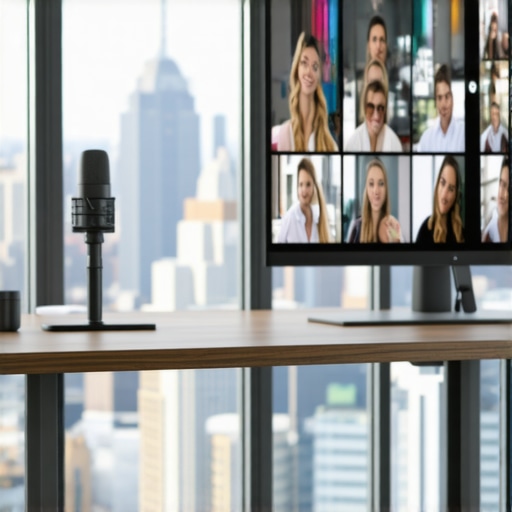
How do I maintain a productive workspace culture over time?
The secret isn’t more perks; it’s more clarity. You need to constantly iterate on how to maximize productivity in your startups conference rooms by setting hard rules on room usage. We implemented a ‘no-agenda, no-meeting’ policy that saved us roughly 15 hours a week across the leadership team. Maintenance also means knowing when to grow. Instead of moving the whole company, look at how to scale your office space without breaking the lease by adding satellite desks or small private pods for specific sprints. I predict that the future of conference rooms in startup ecosystems won’t be about bigger tables, but about immersive, AI-driven ‘presence’ tech that makes a remote developer feel like they’re sitting right next to you. We’re moving toward a ‘hub-and-spoke’ model where the central office is just a culture-sync point, not a mandatory daily destination. If you want to stay ahead, my advanced tip is this: Audit your office usage data every quarter. If a room is consistently empty at 10 AM but packed at 3 PM, reconfigure it for ‘focus sprints’ during the morning. Don’t let square footage sit idle. Start by checking the checklist for your first office space search one more time to see if your current space still fits the criteria.
The Expensive Lesson I Learned by Signing Too Early
Looking back at that 2018 lease, my biggest mistake wasn’t just the price; it was the arrogance of thinking I could predict my team’s needs three years out. I’ve realized since then that optionality is the only real currency a founder has. If I could go back, I would have spent more time understanding the real cost of keeping your startup in a garage too long versus the agility of a shared hub. I also learned that why we stopped using standard leases for our startup was the best legal pivot we ever made. Don’t let a landlord’s timeline dictate your company’s growth rate.
My Survival Kit for Navigating Modern Workspaces
To keep our operations lean, I rely on a few non-negotiable resources. First, I always keep the checklist for evaluating a new coworking space on my phone for any site visit. Second, I’ve shifted my mindset to focus on how to get the most value out of your coworking membership by treating the staff as partners rather than just vendors. For tech, never trust the house hardware; always have a backup hotspot and a dedicated conference mic to ensure your innovative meeting rooms that boost startup creativity actually stay functional.
Stop Renting Status and Start Buying Focus
Your workspace is meant to be a launchpad, not an anchor. Whether you are following the checklist for transitioning from a solo founder to a team office or looking for a more professional home for your brand, remember that the “vibe” doesn’t pay the bills—execution does. Choose an office space that makes work easier, not one that just makes your Instagram look better. If you prioritize your team’s mental health and technical needs over a prestigious zip code, you’ll outlast the companies that did the opposite. Have you ever signed a contract for an office and regretted it within the first six months? Let me know your story below.