
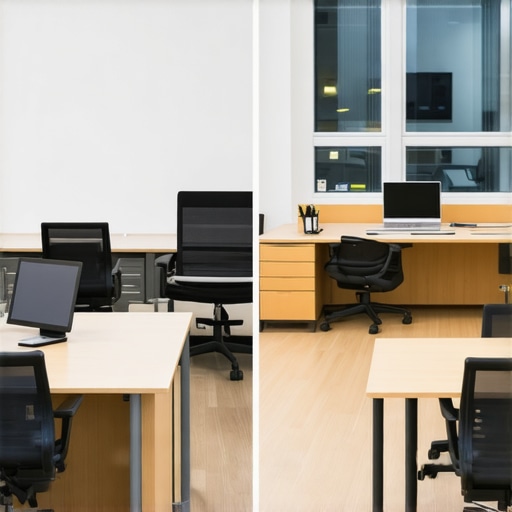
I remember the feeling of the ‘Golden Pen’ moment like it was yesterday. I was sitting in a mahogany-paneled lawyer’s office, hand trembling slightly, about to sign a document that tied my fledgling company to a 2,000-square-foot office for the next sixty months. At the time, I felt like a ‘real’ CEO. I thought the permanence was a badge of honor. But fast forward six months, we pivoted our product, doubled our sales team, and realized our ‘permanent’ home was either too small or too rigid for our new reality. I spent the next four years staring at a $9,000 monthly bill for a space that no longer served us. It was a weight around my neck that nearly killed our cash flow before we even found our stride. Today, I want to help you avoid that same soul-crushing mistake by breaking down why the logic of the traditional lease is crumbling.
Stop Overpaying for a Future You Can’t Predict Yet
In the early days, agility is your only real competitive advantage. When you lock yourself into a five-year contract, you are essentially betting that your headcount and strategy won’t change until the next decade arrives. That is a massive gamble. I learned the hard way that you shouldn’t sign a lease for your first 10 employees because your needs shift almost monthly. In fact, a recent report by CBRE suggests that nearly 45% of major office occupiers expect flex space to be a significant part of their long-term real estate strategy because the old model just doesn’t move fast enough. Most founders find themselves overpaying for square footage they never use, which is basically burning capital that should be going toward your product or your people. Have you ever felt trapped by a contract that seemed perfect on paper but became a cage in reality?
Do Clients Still View Flex Spaces as ‘Professional’?
This is the biggest fear I hear from my fellow entrepreneurs. There is this nagging worry that if you don’t have your name etched into a lobby’s granite wall, investors or big-ticket clients won’t take you seriously. I fell for this myth too. I thought I needed a dedicated receptionist and a private lobby. The truth? Modern flex offices offer high-end amenities that make most traditional offices look like 1990s cubicle farms. When we ditched our long-term lease for flexibility, our client perception actually improved because we suddenly had access to premium boardrooms and better tech. You need to spot a predatory lease before you sign your life away, because the hidden costs of maintenance, utilities, and furniture in a private space add up faster than you can imagine. We’re going to look at how to weigh these costs without losing your professional edge.
Stop Paying for Desks That Stay Empty
Think of your office space like a gym membership. Most people pay for the ‘Platinum’ tier and only ever use the treadmill. In the startup world, paying for a 50-person office when you only have six employees is financial suicide. I call this the ‘Ghost Square Footage’ tax. To avoid it, you need to transition to a tiered occupancy model. Start with a hot-desking arrangement for your developers and only upgrade to a private suite when your culture demands its own four walls. I remember when we were struggling to find our rhythm; we actually found that the pros and cons of fixed desks versus hot desking depend entirely on how often your team actually shows up. At one point, I realized I was paying $400 a month for a desk that held nothing but a dusty monitor and a half-empty bag of pretzels. We pivoted, and how we scaled our team using day passes only became the blueprint for our leanest, most profitable year.
Master the Art of the Hourly Rental
You don’t need to own the kitchen to host a great dinner party. Similarly, you don’t need a dedicated boardroom to close a major client. The logic of the modern startup is built on on-demand access. When a high-stakes meeting appears on the calendar, don’t scramble to clear off a messy desk in your shared area. Instead, how to prep for a high-stakes board meeting involves booking a professional suite for just three hours. I once tried to save a few bucks by hosting a potential lead in a noisy café, only for the espresso machine to drown out my entire pitch. It was humiliating. Now, I know that investors prefer meeting in professional spaces where the environment is controlled and the Wi-Fi is guaranteed.
Protect Your IP in a Shared World
One of the biggest hurdles founders face in flex spaces is the ‘fishbowl’ effect. You’re working on a disruptive piece of code or a sensitive patent, and you’re worried the guy at the next table is peeking. You have to treat your digital and physical security like a fortress, even if you’re in a room full of friendly faces. First, invest in high-quality privacy screens—they are the cheapest insurance policy you’ll ever buy. Second, learn how to keep your startups trade secrets in an open office by using encrypted comms and never leaving your hardware unattended. I used to be paranoid about this until I realized that most people are too busy building their own dreams to bother stealing yours, but that doesn’t mean you should leave the keys in the lock.
Turn the Coffee Machine into Your Recruiting Department
The real ROI of a coworking space isn’t the free fruit water; it’s the proximity to talent. Think of the common area as a live-action LinkedIn feed. I found our best UI designer while waiting for a latte. We struck up a conversation about a specific Figma plugin, and three weeks later, she was on our payroll. This is why the hidden value of the casual coffee machine chat cannot be overstated. You are paying for an ecosystem, not just a chair. If you stay locked in your private office all day, you are missing 50% of what you’re paying for. You need to understand that why your startup needs a better first impression starts with how you carry yourself in the shared lobby. Be the person people want to work with, not the person hogging the phone booth for four hours straight.Most founders think a full-service package is the safest bet for a predictable burn rate, but I am here to tell you that why the all-inclusive membership is usually a trap. It creates a false sense of security where you stop tracking actual resource consumption. I have seen teams pay for 24/7 access when their developers are strictly 9-to-5, or pay for premium printing services in a paperless office. It is far better to go lean and buy only what you use.
Does your team actually need a private door or just a better pair of headphones?
This is the million-dollar question that most people answer incorrectly. There is a common belief that transparency requires everyone to be visible through glass partitions, but for your engineering team, that glass wall is often just a source of visual distraction. I learned that why your startup needs a real door, not just a glass wall is frequently the difference between a successful product launch and total burnout. In my experience, even the highest quality noise-canceling headphones in shared spaces cannot block out the psychological feeling of being watched. Research published in the Harvard Business Review confirms that when employees lack physical privacy, they tend to socially withdraw and use digital channels more, which is the exact opposite of the collaboration we are paying for in these hubs. 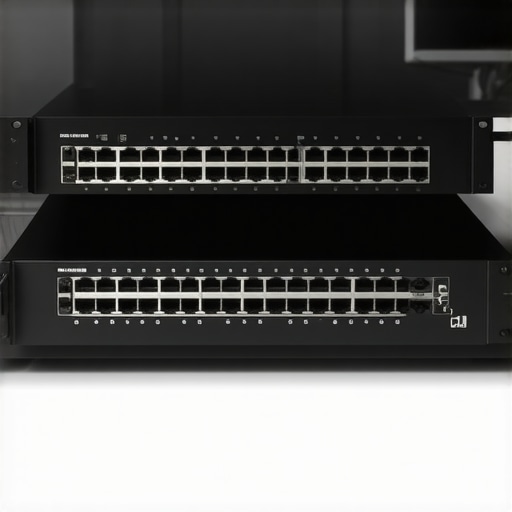
Stop Picking Your Office Based on the Espresso Machine
We all love a good latte, but I have seen brilliant startups fail because they chose a space with vibes over a space with a backup generator. When the internet drops, you are not just losing a few minutes; you are losing massive credibility with stakeholders. Knowing what to do when the office Wi-Fi goes down mid-pitch is a vital survival skill, but preventing the crash by vetting the provider’s technical infrastructure beforehand is even better. I once hosted a demo in a beautiful, sun-drenched room that turned into a literal oven because the HVAC system could not handle the afternoon heat, and our hardware throttled mid-presentation. It was a total disaster. Now, I always make sure to how to vet a conference room for client-facing speed before I even think about the interior design. Have you ever fallen into this trap of picking style over substance? Let me know in the comments.Scaling a startup in a flex-office environment isn’t just about moving desks; it’s about building a technological ‘turtle shell’—a suite of tools that ensures you’re just as productive in a phone booth as you are in a private suite. When I first started, I relied on the building’s infrastructure for everything. Now, I carry my own. I realized that the exact lighting setup for professional video pitches isn’t a luxury; it’s a necessity when you’re closing deals from a rented corner. If your face is shadowed or your audio is echoey, you look like a hobbyist, not a disruptor. I’ve personally switched to a specialized travel router that supports WPA3 encryption, ensuring my team has a private bubble even on the most crowded guest networks.
How do I maintain technical standards while scaling?
The secret to longevity is automation and redundancy. You cannot expect your team to manually check every conference room’s specs. Instead, we use the checklist for a glitch-free hybrid board meeting to ensure that every high-stakes call is vetted before it starts. This includes testing for latency and jitter, which are often more important than raw download speeds. If you are handling sensitive client data, why endpoint protection services matter more when your team is hybrid becomes painfully obvious the moment a device is lost or a public network is compromised. According to the NIST Guide to Bluetooth Security, even small oversights in how your team connects their peripherals can lead to significant vulnerabilities in open-plan offices.I predict that within the next three years, we will see the rise of ‘Spatial-as-a-Service’ platforms that use real-time biometric and occupancy data to automatically adjust lighting and climate in startup success secrets choosing the perfect conference room at 0817 am based on the specific needs of the people in the room. We’re moving away from static boxes and toward responsive environments. To stay ahead, you need to master how to maximize productivity in your startups conference rooms by 0245 pm, because the afternoon slump is real, and your environment is usually the culprit. When things do go wrong—and they will—you need to know how to deal with technical glitches during a remote board call without breaking a sweat. It’s the difference between looking like a pro and looking like a panicked amateur. My challenge to you: audit your current digital security this week and install a dedicated endpoint protection service on every team laptop.
Hard-Earned Lessons from the Golden Pen Era
Reflecting on my journey, I’ve realized that your first office shouldn’t be treated like a trophy; it is a tool that should either sharpen your output or be discarded. One of the biggest lightbulb moments I had was recognizing that culture doesn’t live in the walls. You don’t need a signature building to have a world-class team. In fact, we found that the real cost of working from your dining table isn’t just the lack of space, but the mental fatigue that comes from blurring the lines between home and hustle. Transitioning to a professional hub allowed us to separate those worlds without the crushing weight of a five-year commitment.
Another hard lesson? Don’t buy a pool table to fix a communication gap. I’ve seen so many founders prioritize ‘vibes’ over functionality, only to realize their team is struggling because they don’t know how to manage office politics when you share a floor with other startups. The most successful founders I know treat their workspace as a variable cost, not a fixed anchor. They stay lean, stay mobile, and stay focused on the product rather than the plumbing.
The Gear That Makes Us Unstoppable Anywhere
Maintaining a professional edge in a shared world requires a specific toolkit. I don’t go anywhere without my ‘office in a bag’ which ensures that no matter where I am, the quality of my work never dips. Here are the essentials I personally trust and recommend:
- Portable Privacy Screens: The cheapest way to protect your intellectual property in a room full of strangers.
- A Dedicated Travel Router: Never trust public Wi-Fi with your sensitive data; create your own encrypted bubble instead.
- Automated Booking Systems: Efficiency is king. Learning how to book a meeting room in under sixty seconds allowed us to be more responsive to last-minute investor calls than our competitors in traditional suites.
- Performance Audits: We started tracking environmental factors because we noticed why your teams productivity drops after two pm often had more to do with bad lighting and CO2 levels than a lack of motivation.
Own Your Space Without Letting It Own You
The future of work isn’t about being tied to a specific zip code; it’s about having the freedom to move where the opportunity is. Whether you are currently in a garage or a high-end hub, remember that your environment should serve your growth, not hinder it. Don’t be afraid to start small and scale your square footage only when the revenue demands it. The agility you maintain by choosing flexible options today will be the very thing that allows you to outmaneuver the giants tomorrow. Your workspace is the launchpad for your vision—make sure it’s built for takeoff, not just for sitting still. Have you ever felt trapped by a long-term lease that just didn’t fit your company anymore? Let me know your story in the comments below.