

I’ll never forget the Tuesday I lost a potential lead because I couldn’t find a place to sit. I had lugged my gear into our local hub, heart full of ambition and coffee, only to realize every single surface was occupied by silent, focused developers. I ended up crouching in a hallway, trying to take a high-stakes call over the hum of a vending machine. It was embarrassing, it was unprofessional, and it was the moment I realized that ‘flexibility’ can sometimes just be a fancy word for ‘chaos.’ Since then, I’ve spent years testing every possible setup, from private suites to open-plan benches. I’ve learned that why your startup needs a better first impression starts with where you actually plant your feet every morning. Today, I’m going to help you skip that headache. We’re going deep into the real-world trade-offs between having your own dedicated ‘home base’ and the nomadic life of hot-desking so you can actually focus on building your business without the morning musical chairs. Have you ever spent more than ten minutes wandering around a lobby just looking for a plug? Let me know, because I’ve been there and it’s a total productivity killer.
The Myth of the Nomadic Hustle
When I first started out, I was convinced that hot-desking was the only way to go. It felt light, fast, and remarkably cheap. I thought ditching the home office for a month changed my focus for the better, but I quickly hit a wall. My biggest mistake was assuming that my brain could just switch ‘on’ anywhere. It turns out, most of us need a bit of ritual. Without a fixed spot, I found myself constantly worrying about the etiquette of leaving your gear on a shared desk just to grab a sandwich. It’s exhausting to play tetris with your equipment three times a day. It felt like I was spending 20% of my energy just on logistics. I was basically a high-tech turtle, carrying my entire world on my back, and my output was taking a massive hit because of it.
Does hot-desking actually kill your focus?
You might be skeptical. You see the glossy photos of people working from sun-drenched beanbags and think, ‘I want that freedom.’ But there is a hidden cost. A study by the Journal of Environmental Psychology found that employees in hot-desking environments often report higher levels of distraction and a decreased sense of team cohesion (Source: https://www.sciencedirect.com/science/article/abs/pii/S027249441830177X). It’s not just in your head; the physical environment has a real impact of office design on your teams mental health. When you don’t know who your neighbor is going to be, you’re less likely to settle into deep work. You’re always on guard, subconsciously scanning for the guy who talks too loud or the person who keeps bumping your chair. It’s about more than just a desk; it’s about mental real estate. We need to talk about how to keep your focus when the coworking hub is packed, because the struggle is very real. I found that I was spending more time looking for ‘the perfect spot’ than actually doing the work I was there to do.
Why a permanent home base saved my sanity
Eventually, I bit the bullet and paid for a fixed desk. It felt like a big commitment at first, especially when I was watching every penny during our seed round. But the shift in my output was almost immediate. Knowing exactly where I was going to sit meant I could start working the second I walked through the door. I could leave my extra monitor, my favorite mug, and even a spare charger. No more hunting for outlets. No more awkward ‘Is this seat taken?’ dances. It allowed me to focus on the high-level tasks, like transforming meeting rooms into collaboration hubs rather than worrying about where my mouse was. If you’ve ever felt like a nomad in your own office, you know exactly what I’m talking about. It’s time we look at the logistics of how you actually get things done.
How to audit your real desk needs before you sign
Once you stop romanticizing the digital nomad life, you need a cold, hard look at your daily workflow. I remember the time I tried to save $200 a month by sticking to a hot-desk while building our first MVP. I spent three hours a week just adjusting my monitor height and looking for my favorite ergonomic mouse that I’d inevitably leave in my bag. That’s 12 hours a month—basically two full workdays—wasted on logistics. If your setup takes more than five minutes to ‘deploy,’ you are losing money, period. You need to get the best desk in a hot-desking setup only if your hardware is minimal. Otherwise, the ‘setup dance’ is a tax on your creative energy that no founder should pay.
Calculate the cost of the setup dance
Think of your workspace like a surgical suite. A surgeon doesn’t walk into a room and wonder where the scalpel is. Your startup deserves that same level of readiness. If you have external monitors, specialized keyboards, or a specific lighting setup for VCs, a fixed desk isn’t a luxury; it’s an infrastructure requirement. I’ve seen teams try to scale using day passes only, and while it works for a week of intensive sprints, the long-term friction eventually burns people out. If you’re constantly hunting for a plug, you aren’t hunting for customers. You also have to consider the audio environment; knowing how to handle the noise problem in open plan offices is easier when you have a permanent corner where you can control your immediate surroundings.
Mastering the shared environment without losing your edge
Once you’ve picked your base, you have to learn how to use the rest of the facility like a pro. The biggest mistake is treating the entire hub like your living room. It isn’t. You need to be intentional about where you do ‘deep work’ versus where you take meetings. For instance, how to maximize productivity in your startups conference rooms often comes down to booking them for 45-minute blocks instead of hour-long marathons. It forces a faster pace and keeps the energy high.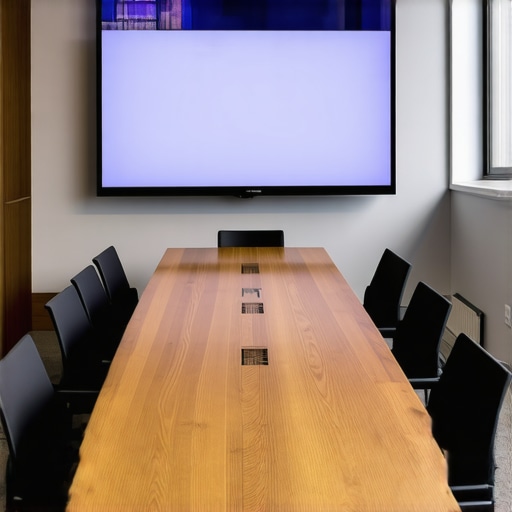
Turn conference rooms into high-stakes war rooms
When you have a client or an investor coming in, the physical environment speaks louder than your slide deck. I once hosted a pitch in a glass-walled room right next to the communal kitchen during ‘Taco Tuesday.’ The smell of onions and the sound of people laughing at memes completely murdered the high-stakes vibe I was going for. That’s why why your startup needs a real door not just a glass wall is a lesson I learned the hard way. Now, I always vet a conference room for client-facing speed and check for finding a meeting room with decent natural light before the calendar invite goes out. You want the space to feel like an extension of your brand, not a borrowed corner of a library.
Networking shouldn’t feel like a forced speed date
Most people sit in the corner with noise-canceling headphones and wonder why they aren’t ‘finding community.’ You have to treat the common area like a strategic asset, not just a place to get free cereal. Instead of aimless loitering, I started asking the person at the front desk for warm introductions to other founders. Understanding the role of community managers in the modern workspace changed our growth trajectory. They are the human routers of the building. Tell them exactly what you’re looking for—whether it’s a React developer or a local tax accountant—and let them do the heavy lifting while you focus on building your product.
Stop overpaying for smart rooms that don’t work
Everyone tells you to look for the most high-tech hub available. They point to the 8K screens and the automated shades. But after five years in the game, I’ve realized that the problem with tech-heavy meeting rooms that nobody knows how to use is that they introduce ‘friction’ at the exact moment you need ‘flow.’ I’ve watched founders lose their cool—and their momentum—because they couldn’t get a proprietary dongle to work while a VC waited on the line. In my experience, a simple room with reliable Wi-Fi and a massive whiteboard beats a glitchy ‘smart’ suite every single time.
Does your meeting room layout actually kill participation?
It’s not just about the gear; it’s about the geometry. We often overlook why your meeting room layout is killing participation. If you’re sitting at a long, rectangular board table, you’re signaling hierarchy, which is the death of a creative brainstorm. I’ve found that the hidden psychology of circular meeting tables fosters a much more collaborative ‘war room’ vibe. Research backs this up: a study published in the Harvard Business Review found that physical ‘transparency’—like those trendy glass walls—can actually cause employees to retreat into digital silos, reducing face-to-face collaboration by up to 70% (Source: https://hbr.org/2019/11/the-truth-about-open-offices). 
The transparency trap and the cost of being seen
The biggest ‘oops’ factor I see with early-stage teams is booking a glass-walled fishbowl for sensitive discussions. It’s a classic mistake. You think you’re being ‘modern’ and ‘open,’ but you’re actually making your team feel exposed. There is a reason why your startup needs a real door not just a glass wall when you’re discussing burn rates or performance reviews. Privacy is the new luxury in the coworking world. If you can’t have a difficult conversation without the entire hub watching your body language, you aren’t in a professional office; you’re in a theater.
How to spot a productive hub before you sign
Don’t get distracted by the beer taps or the ping-pong tables. When vetting a space, look at the conference room booking logs. If the rooms are always ‘booked’ but empty, the management is failing. You need to know startup success secrets choosing the perfect conference room, which starts with checking the acoustics. I once lost a partner because our ‘premium’ room had walls so thin we could hear the startup next door firing their lead dev. It was awkward and completely unprofessional. Always vet a conference room for client-facing speed by testing the hardware yourself before the meeting. Have you ever fallen into this trap of choosing style over substance? Let me know in the comments.Building a sustainable rhythm isn’t just about where you sit; it’s about the tools you carry. I’ve realized that a 13-inch laptop screen is a recipe for a sore neck and half-baked spreadsheets. I now swear by a 15-inch portable 4K monitor that connects via a single USB-C cable. It’s my ‘office-in-a-bag.’ I’ve also added a compact directional microphone to my kit because even the best noise-canceling tech can’t fully mask a nearby espresso machine during a sales call. Before you even think about how to prep for a high-stakes board meeting, you need the right hardware to support your confidence. I also suggest a dedicated VPN and a hardware security key. Most people don’t realize that why endpoint protection services matter more when your team is hybrid is a non-negotiable security layer. If you’re on a public subnet with 200 strangers, you’re a target. According to Intel’s technical documentation on the IEEE 802.11ax (Wi-Fi 6) standard, the implementation of Orthogonal Frequency Division Multiple Access (OFDMA) is what actually prevents your video from lagging when the coworking hub is at peak capacity. If your hub hasn’t upgraded its routers, your ‘premium’ experience will always feel sluggish.
Scale Without Buying a Whole Building
As we grew from three people to twelve, we hit the awkward middle ground where hot-desking was a circus and a full lease was a death sentence for our runway. We eventually had to admit why we moved our engineering team to a private suite inside the hub. It gave us the ‘door’ we needed for deep coding sprints while keeping the shared amenities that kept our overhead low. This hybrid approach is helping us how to choose the perfect conference room for business success because we can book larger spaces only when we actually need them. Scaling isn’t about more square footage; it’s about better utilization of shared assets.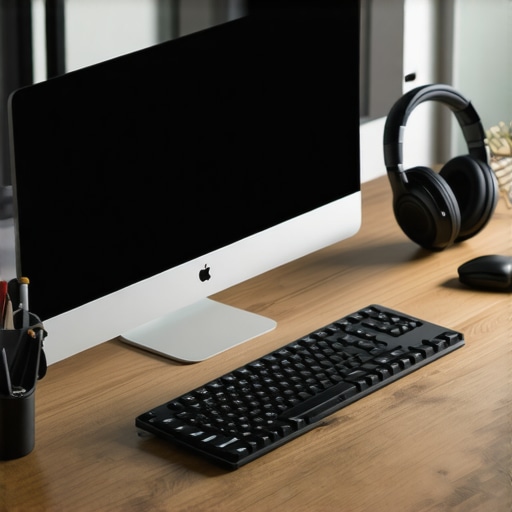
How can I keep my team culture alive in a shared building?
Maintenance is the part no one talks about. It’s easy to get excited the first week, but how do you keep the energy up in month six? I make it a point to host a ‘floor lunch’ once a month. You have to master how to manage office politics when you share a floor with other startups by being the most helpful person in the room. If someone’s printer is jammed, fix it. If a neighbor needs a quick intro to a designer you know, make it. This creates a ‘community credit’ that pays off when you need to borrow a conference room for an extra ten minutes or need a quiet favor. Real authority in these spaces comes from being a connector, not just a tenant.
The Next Era of the Digital HQ
Looking ahead, the lines between physical and digital are blurring. I predict we will see ‘asynchronous offices’ where the physical layout of the room shifts based on real-time data from team calendars. We’re already seeing a glimpse of the future of conference rooms in startup ecosystems with modular walls and AI-driven acoustics. The days of static, dusty boardrooms are numbered. We might even see holographic integration for hybrid members within the next five years. My advice? Audit your gear bag tonight—if you haven’t used a piece of equipment in three days, ditch it. Stay lean, stay mobile, and focus on the work, not the furniture.
What I Learned After Three Office Moves and Countless Coffee Shop Meetings
Building a company is already a high-wire act; don’t let your furniture make it harder. First, always remember that the ‘vibe’ of a space is secondary to its bandwidth. I’ve seen beautiful lounges where the Wi-Fi dies during every 10:00 AM standup. Second, invest in your reputation within the building. Being the founder who shares their extra chargers or offers a quick intro to a designer builds a silent bank of goodwill. The role of community managers in the modern workspace is to facilitate these connections, so treat them as your most valuable allies. Third, realize that why privacy is the new luxury in coworking isn’t just about hiding your secrets—it’s about preserving your mental energy from the ‘glance tax’ of an open-plan office. If you’re constantly making eye contact with strangers, you aren’t in flow.
The Gear That Makes Me Feel Like I Have a Corner Office Anywhere
To truly master the nomadic or hybrid lifestyle, you need a setup that is both lethal and lightweight. I never leave the house without my 15-inch portable monitor—it’s the difference between seeing a full roadmap and squinting at a tiny window. For security, I rely on a physical hardware key because why endpoint protection services matter more when your team is hybrid becomes painfully obvious the moment you see a suspicious device on a shared network. I also keep a ‘script’ in my notes for those awkward moments when I need peace; knowing the exact way to ask for a quiet room without being rude has saved more relationships than I can count. Finally, a pair of studio-quality noise-canceling headphones is your only real defense against the ‘perpetual talker’ at the next desk.
#IMAGE_PLACE_HOLDER_E#
The Future of Your Company Starts with Today’s Setup
At the end of the day, your workspace is a physical manifestation of your startup’s culture. If you choose chaos and noise, don’t be surprised when your team feels frayed. If you choose intentionality, stability, and high-quality infrastructure, you’re giving your big ideas the room they need to breathe. You don’t need a 10-year lease to feel established, but you do need to stop treating your daily environment like an afterthought. Using these startup success secrets choosing the perfect conference room at 0817 am will put you miles ahead of the competition who are still fighting over the last outlet in the lobby. Go build something great, and make sure you have a comfortable seat while you do it.
Have you ever had a deal-breaking technical glitch or a legendary distraction in a shared office? I’d love to hear your horror stories or your wins in the comments below.