

I remember standing in the middle of a bustling downtown lobby, sweating through my dress shirt while my phone buzzed with an “incoming call” notification from a Tier-1 investor. I’d triple-booked myself and had exactly zero minutes to find a place that didn’t sound like a construction site. I ended up hiding in a dusty stairwell, balancing my laptop on a fire extinguisher cabinet. It was humiliating, the acoustics were ghostly, and needless to say, I didn’t get the check. That was the day I realized that ‘winging it’ with your environment is a recipe for startup suicide. You can have the best product in the world, but if your background noise suggests you’re working out of a laundromat, investors will run the other way. My lightbulb moment came when I realized that the $30 I spent on a 45-minute room rental was the cheapest insurance policy for a $50,000 contract. I’d spent months building the tech, but almost nuked the deal because I was too cheap to book a desk. Now, I treat finding a quiet space as a core part of my prep work, not an afterthought.
Stop Hiding in Stairwells and Coffee Shops
We’ve all been there. You think you can handle a high-stakes call from your favorite local cafe until the barista starts the 120-decibel blender. The truth is, why your pitch failed in that noisy coffee shop isn’t just about the noise; it’s about the lack of professional control. I used to think I was saving money by avoiding booking fees, but I was actually losing credibility. Early in my journey, I made the mistake of booking a ‘private’ conference room that had glass walls so thin I could hear the guy next door chewing his bagel and discussing his weekend. It was a complete disaster. Today, I’m going to walk you through my personal system for securing a silent, professional space in a pinch. We’ll look at how to leverage coworking apps and why we stopped using coffee shops for sensitive client calls entirely. My goal is to make sure you never have to take a board meeting next to a crying toddler ever again.
[IMAGE_PLACEHOLDER]
According to research from the University of California, Irvine, it takes an average of 23 minutes and 15 seconds to get back to deep focus after being interrupted. In a noisy environment, those interruptions happen every few minutes. You aren’t just losing quiet; you’re losing your mind’s ability to perform under pressure. Professionalism isn’t just a suit; it’s the space you inhabit. When you’re in a real startup environment, every second of clarity counts. We aren’t just talking about peace and quiet; we are talking about your bottom line.
Is paying for a room really worth the cost for a short call?
I get the skepticism. If you’re a scrappy founder, every dollar counts. But consider the real cost of working from your dining table or a loud lobby. One dropped connection or a barking dog in the background can signal to a client that you aren’t ready for the big leagues. Learning how to book a meeting room in under sixty seconds is a skill that pays for itself the first time you close a deal without a single ‘can you hear me now?’ Have you ever found yourself frantically searching for a quiet corner five minutes before a big demo? Drop a comment and tell me your most embarrassing ‘loud room’ story—I promise mine is probably worse. I’ve heard stories of people taking calls in public restrooms, and honestly, we can do better than that.
Mastering the Quick-Response Workspace
When the pressure is on, you don’t have time to browse through endless listings. You need a workflow that lets you jump from crisis to a professional environment in minutes. I keep a curated shortlist of three local coworking hubs in my notes app, each with their booking link ready. Speed is your best friend here. If you can’t manage how to book a meeting room in under sixty seconds, you’ve already lost the mental game. I once spent twenty minutes trying to remember a password for a booking portal while an investor was waiting on Zoom. Now, I only use platforms that keep my credentials and payment info on file for instant confirmation. It’s like having an emergency brake for your business; when things get chaotic, you pull the lever and find yourself in a silent sanctuary.
Glass Walls are a Privacy Trap
We’ve been sold a lie that ‘open and transparent’ means glass-walled offices. In reality, they are a nightmare for sensitive data. I learned this the hard way when I was reviewing a term sheet and realized the team in the hallway was literally reading over my shoulder through the glass. You need to understand why your startup needs a real door not just a glass wall to keep your trade secrets safe. Sound also bounces off glass like a tennis ball. If you find yourself in one of these fishbowls, you’ll likely need to investigate the acoustic fix for echoey conference rooms 2, which usually involves finding a room with heavy curtains or acoustic baffles to soak up the noise rather than letting it reverberate and ruin your audio quality.
Never Trust the Wi-Fi at Face Value
I remember a high-stakes demo where I promised the world, only for the venue’s Wi-Fi to throttle my upload speed to a crawl right as I started screen-sharing. The screen froze, the client grew frustrated, and I looked like an amateur. Since then, I always how to vet a space for high speed fiber before you sign the contract 2 by running a manual Speedtest the second I walk in for a tour. Don’t just take the front desk’s word for it. Also, consider the hardware provided. You’ll quickly find why your pitch deck looks better on a forty inch screen than a laptop 2 when you’re trying to walk an investor through complex financial models. A small laptop screen feels like peering through a keyhole; a 40-inch monitor feels like a command center that commands respect.
Fix Your Lighting Before the Camera Turns On
Bad lighting makes you look tired, untrustworthy, or—worst of all—unprepared. I used to sit with my back to a window because I liked the view, not realizing I was just a dark, grainy silhouette on the other end of the call. Now, I prioritize the exact lighting setup for professional video pitches, which means facing the light source directly. If the room is windowless, I look for warm overheads rather than harsh fluorescent tubes that make everyone look like they’re in a hospital basement. It’s not just about vanity; lighting signals that you respect the other person’s time enough to be visible. I’ve even gone as far as carrying a small portable LED ring light in my bag for those late-evening calls when the office lights start to dim.
Stop Chasing Perks and Start Vetting Infrastructure
Most founders spend their first tour looking at the nitro cold brew tap or the designer beanbags in the lobby. I’m telling you right now: that’s a rookie mistake. In my experience, the more a space leans into the ‘lifestyle’ perks, the more they’re likely masking a deficit in actual utility. You don’t need a ping-pong table to close a Seed round; you need a room where the acoustics don’t make you sound like you’re speaking from inside a trash can. One of the biggest 7 red flags to watch for during a space tour is a lack of soundproofing in favor of ‘aesthetic’ open ceilings. I’ve seen million-dollar pitches falter because the ventilation system kicked on and sounded like a jet engine, drowning out the founder’s voice. If you aren’t using the exact checklist for vetting a high-stakes board room 2, you are leaving your professional image to chance.
Can the Shape of a Table Actually Tank Your Pitch?
Everyone says a round table promotes equality and collaboration. But when you are pitching an investor, you aren’t there for a ‘kumbaya’ session; you are there to lead. In a high-stakes environment, the physical layout of the room dictates the power dynamic. I’ve found that rectangular tables allow you to occupy the ‘head,’ which subconsciously signals authority and control. Research published in the Journal of Environmental Psychology suggests that physical environments significantly influence perceived leadership and group hierarchy. If you’re sitting in a circle, you’re just one of the team; if you’re at the head of a long table, you’re the CEO. This is why your meeting room layout is killing participation or, conversely, why it can help you dominate a room when necessary. Understanding the difference between a standard meeting room and a real war room 2 is about more than just furniture; it’s about strategic positioning.

The ‘Instagrammable’ Office Trap
We’ve been conditioned to think that high-end design equals high-end performance. I call this the ‘Aesthetic Trap.’ I once booked a room that looked like a futuristic spaceship—neon lights, glass everywhere, and sleek white furniture. It looked incredible on my Instagram story, but it was a functional nightmare. The glass reflected the sun directly into the investor’s eyes, and the white table created a blinding glare on my laptop screen. When you are looking for a space, you need to prioritize function over ‘vibes.’ This is especially true for internal matters; for instance, knowing how to handle a sensitive HR meeting in a shared space requires a level of visual and auditory privacy that a ‘cool’ glass box simply cannot provide. Have you ever fallen into the trap of booking a room that looked stunning online but felt like a cold fishbowl in person? Let me know in the comments—I’m curious if I’m the only one who’s been burned by a ‘design-first’ space.
Are you sacrificing security for style?
Another nuance most people miss is digital and physical security. We talk about Wi-Fi speed, but we rarely talk about Wi-Fi security. A study by security experts has shown that public and semi-public coworking networks are prime targets for packet sniffing. If you are reviewing a pitch deck with sensitive IP, you need to know how to keep your startups trade secrets in an open office environment. This extends to the physical world too. If your ‘private’ room doesn’t have a door that actually seals, your conversation isn’t private. I now look for spaces that offer dedicated VLANs for their members. It’s an advanced move, but as you scale, the ‘scrappy’ lifestyle has to give way to professional-grade security. It’s all part of the journey as you figure out the move from a garage to a professional hub a survival guide for your growing brand.
Moving from a scrappy garage to a professional hub is more than just a change of scenery; it’s about upgrading your operational reliability. Once you’ve graduated from the ’emergency’ phase of booking rooms, you need to think about long-term consistency. I’ve realized that even the best-equipped rooms can have off days, which is why I never walk into a high-stakes meeting without my personal ‘reliability kit.’ This isn’t about being a gear-head; it’s about how to maximize productivity in your startups conference rooms by 0245 pm when the afternoon slump hits and the Wi-Fi starts to fluctuate. I carry a dedicated USB-C to Ethernet adapter because, frankly, why your home wi-fi is failing your zoom presentations is often the same reason a shared office might struggle: congestion. Plug in, and you eliminate 90% of jitter issues instantly.
Your Voice is Your Most Expensive Asset
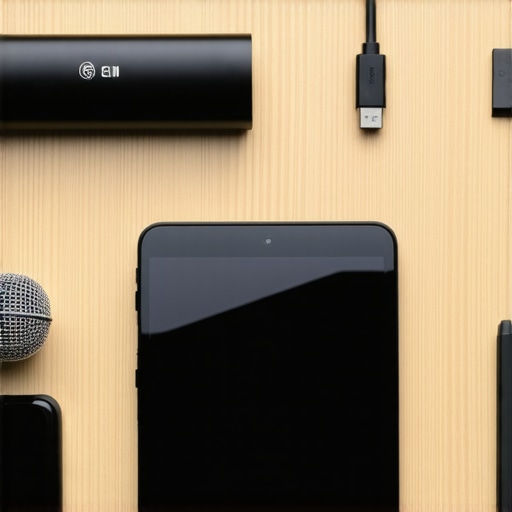
If they can’t hear the confidence in your voice, they won’t see the value in your product. Most built-in laptop microphones are omnidirectional, meaning they pick up the hum of the air conditioner and the chatter in the hallway. I swear by the Jabra Speak 710 for smaller rooms or the Shure MV7 if I’m leading a solo pitch. Why? Because they follow the ITU-T P.340 technical standards for echo cancellation, ensuring that even in a glass-walled ‘echo chamber,’ my voice remains crisp and authoritative. This is why your conference room needs better technology and fewer cables 2; you want to focus on the person on the screen, not the static in the speaker. When you have the right hardware, you move from ‘trying to survive’ to how to host a product demo that looks professional on a budget 2.
How do I maintain my professional edge as my team scales?
Maintenance isn’t just about cleaning the whiteboard; it’s about digital hygiene. As you grow, you’ll find the role of flex space in a modern business scaling strategy 2 becomes more about consistency across different locations. I use a tool called Krisp.ai on every machine in our fleet. It uses deep learning to strip out background noise in real-time. It’s the difference between a client hearing your neighbor’s barking dog and hearing your next big idea. We also maintain a ‘Space Log’ in Notion where every team member notes 7 red flags to watch for during a space tour for any new locations we scout. This collective intelligence ensures we only spend our budget on spaces that actually support deep work. This is part of the logic of choosing a flex office over a 5-year lease—you have the power to walk away if the infrastructure doesn’t keep up with your pace.
The Future of Where We Work
Looking ahead, I predict a massive shift toward ‘Ambient Intelligence’ in meeting spaces. We are moving toward a world where the room itself adjusts lighting and acoustics based on the number of people in the seat, practically automating the exact lighting setup for professional video pitches. You won’t just book a room; you’ll book a performance profile. The future of conference rooms in startup ecosystems is less about square footage and more about integrated AI that can summarize a meeting and assign tasks before you even walk out the door. If you want to stay ahead, start treating your workspace as a software stack that needs regular updates, not a static piece of furniture. Stop settling for ‘good enough’ and start vetting for why your pitch deck looks better on a forty inch screen than a laptop 2. My challenge to you: before your next investor call, perform a ‘cable audit’—remove every unnecessary wire and test your latency. It’s a five-minute task that can save a million-dollar deal.
The Brutal Truth About Soundproof Walls and Startup Survival
Reflecting on my journey from the stairwell to the boardroom, there are three things I wish I’d known before I started booking meeting rooms. First, the ‘vibe’ of a space is secondary to its acoustics; if you can hear a pin drop in the hallway, everyone can hear your confidential strategy. Second, always arrive ten minutes early to perform a ‘sanity check’ on the hardware—never assume the HDMI cable works when your reputation is on the line. Third, I learned that the move from a garage to a professional hub a survival guide is less about ego and more about reducing the cognitive load on your team. When you aren’t fighting with the Wi-Fi or a loud blender, you’re winning the pitch.
[IMAGE_PLACEHOLDER_E]
Tools That Saved My Sanity in Shared Offices
I don’t leave my professional image to chance anymore. My ‘go-bag’ always includes a long Ethernet cable because I’ve learned why your home wi-fi is failing your zoom presentations often applies to crowded coworking hubs too. I also rely heavily on the Speedtest app and Krisp for AI-driven noise cancellation during those rare times a private room isn’t available. For finding the right spot, I trust startup success secrets choosing the perfect conference room at 0817 am to guide my morning bookings. These resources aren’t just luxuries; they are the infrastructure that allows a small startup to punch way above its weight class.
Step Into Your New Professional Identity
Your workspace is the physical manifestation of your company’s values. When you choose a professional environment, you’re telling your clients, your investors, and—most importantly—yourself that your work matters. It’s time to stop apologizing for background noise and start commanding the room. Whether you are using how to maximize productivity in your startups conference rooms by 0245 pm tactics or just enjoying the silence of a private suite, remember that every great company started by taking itself seriously. Take that first step today, book a real conference room, and watch how the world responds to your new professional edge. Have you ever had a meeting disaster that forced you to change how you work? Let me know in the comments—I’d love to hear how you handled it!