

I was hunched over my laptop, sweating through my button-down, trying to explain our Q3 projections to a high-value client. Just as I hit the most critical part of the presentation, the barista started shouting “OAT MILK LATTE FOR GARY!” at a volume that could shatter glass. My client winced. I apologized for the third time. That was my rock bottom. It wasn’t just about the noise; it was about the crushing realization that I was trying to build a million-dollar company from a sticky table designed for people writing screenplays. We all want to be scrappy in the early days, but there is a very fine line between being a lean startup and looking like a hobbyist who can’t find a door with a lock. [image]
The Moment I Realized the Steamer Was Louder Than My Pitch
Let’s be honest. We’ve all been there. You think you’re winning at the entrepreneur game because you’re avoiding a lease, but you’re actually sabotaging your own growth. I made the massive mistake of thinking a pair of noise-canceling headphones was a substitute for a professional environment. It isn’t. In fact, research published by the Harvard Business Review suggests that the physical environment significantly impacts how negotiators perceive the status and reliability of their counterparts. When you’re in a public space, you aren’t in control. You can’t control the Wi-Fi speed, the guy who decides to eat a tuna sandwich right next to you, or the stray eyes glancing at your “confidential” slide deck. I remember one specific disaster where I was discussing a sensitive HR matter. I thought I was being quiet. I wasn’t. A former colleague of the person I was talking about happened to be sitting two tables away. Since that day, I’ve learned that why your startup needs a better first impression starts with where you choose to sit. Today, I’m going to show you exactly how we transitioned away from the cafe chaos and found a way to maximize productivity in your startups conference rooms without breaking the bank.
Is Paying for a Room Actually Worth the Cash?
I know what you’re thinking. “I’m already paying for the coffee, why should I pay for a room?” I used to have that exact same skepticism. I hated the idea of “wasting” money on space when my living room was free. But then I looked at my closing rate. It turns out, why your investor pitch needs a neutral meeting room is as much about psychology as it is about silence. Have you ever felt that sinking feeling when a client asks to meet in person and you have to suggest a Starbucks? That’s your intuition telling you it’s time for a change. If you’re still doing the “coffee shop shuffle,” the real cost of a free coffee meeting might be higher than you think. We found that by moving to dedicated spaces, we weren’t just buying quiet; we were buying the ability to actually lead. We stopped being at the mercy of the “open seating” gods and started focusing on the secret to finding quiet corners for high stakes sales calls. Have you ever lost a lead or felt embarrassed because of a background distraction during a call?
Calculate the Damage Your Dining Table is Doing
Before you can fix your environment, you have to admit that your current setup is costing you more than just a latte. I used to think I was saving $500 a month by working from home, but when I actually tracked my output, I realized I was losing thousands in focused deep-work time. The reality of the real cost of working from your dining table is that your brain treats it as a place of rest, not a place of high-stakes execution. You need a mental ‘on-switch’ that only a dedicated space provides.
Vet Your Space Like a Product Feature
Not all conference rooms are created equal. I learned this the hard way when I booked a room that looked like a sleek Silicon Valley hub online but ended up being a converted broom closet with zero ventilation. Now, I treat finding a space like I’m vetting a new software tool. You need to know how to vet a conference room for client-facing speed before you ever put a deposit down. Look for the ‘hidden’ essentials: Does the door actually lock? Is the table large enough for three laptops and a notepad without feeling like a game of Tetris? Most importantly, is the Wi-Fi actually capable of a 4K video stream? 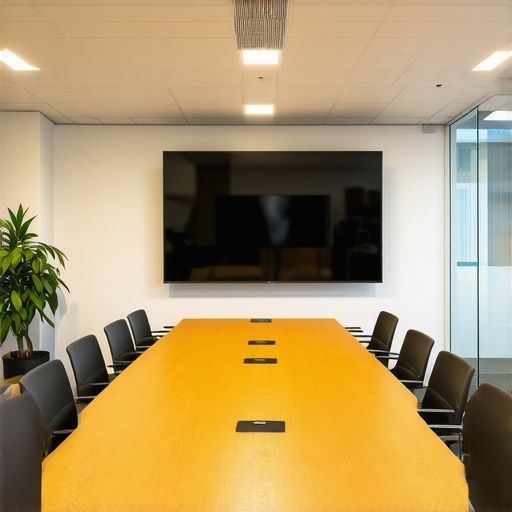
The One Minute Booking Rule
If it takes more than sixty seconds to reserve a space, you won’t use it. You’ll default back to the easy, noisy cafe. I set up a system where I have three ‘vetted’ locations saved on my phone. When a client says they are free, I don’t scramble. I use a streamlined process for how to book a meeting room in under sixty seconds. This speed allows me to act like a much larger company than I actually am. I remember a specific Tuesday when an investor called and said he was in town for exactly one hour. Because I knew exactly which hub had an open slot, I had the confirmation sent to him before he even hung up the phone. He told me later that my ‘office’ felt more established than most Series A startups he visits.
Don’t Let the Neighbors Hear Your Secret Sauce
One of the biggest risks of coworking is the ‘leaky’ meeting. I once sat in a common area and accidentally heard a competitor’s entire pricing strategy for the upcoming year because they were ‘whispering’ at a communal table. It was a wake-up call. You have to be aggressive about how to keep your startups trade secrets in an open office. This means reserving the room not just for the ‘big’ meetings, but for the ‘sensitive’ ones too.
Turn Your Setup Into a Performance Tool
Once you’re inside, don’t just sit down and start talking. I treat the room like a stage. I arrive ten minutes early to ensure the monitor is synced and the lighting doesn’t make me look like I’m in a witness protection program. I’ve found that startup success secrets choosing the perfect conference room often come down to the physical layout. If I’m leading a workshop, I want a round table for collaboration; if I’m pitching, I want to be at the head of a rectangular one. Small shifts in geography change the power dynamics of the room.Wait, before you go and book the flashiest suite in the building, we need to talk about the ‘Amenity Trap.’ I used to be a sucker for a space with a Nitro cold brew tap and a vintage arcade cabinet. I thought that’s what a ‘cool’ startup looked like. It’s a myth. Most founders prioritize perks over the one thing that actually generates revenue: cognitive flow. In my experience, a flashy lounge is often a smoke screen for a facility that has terrible acoustic insulation. If you can hear the startup next door celebrating their seed round while you’re trying to conduct a sensitive performance review, you’ve failed. You need to understand the truth about shared office noise levels before you commit to a monthly plan.
The Serendipity Myth is Costing You Focus
We’ve all heard that open-plan offices and glass-walled rooms encourage ‘accidental collaboration.’ It sounds great on a brochure, but the data says otherwise. A landmark study from Harvard University researchers Ethan Bernstein and Stephen Turban found that when firms transitioned to open-plan offices, face-to-face interaction actually decreased by roughly 70%. People don’t collaborate more; they just put on bigger headphones and withdraw. This is precisely why the open plan office is failing your developers and your sales team alike. If you’re paying for a room that looks like a fishbowl, you aren’t buying transparency—you’re buying a distraction. 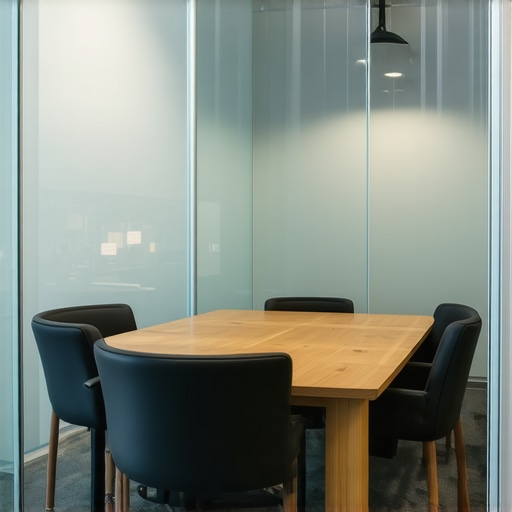
Can a Glass Wall Actually Hurt Your Closing Rate?
It sounds counterintuitive, but yes. I’ve noticed a distinct psychological shift in prospects when they feel ‘watched.’ If your meeting room is a glass box in the middle of a high-traffic hallway, your client isn’t focusing on your deck; they’re wondering who’s looking at them. I started seeing much higher engagement when I shifted to rooms with frosted glass or solid partitions. This is a nuance most people miss: why your startup needs a real door not just a glass wall is about creating a psychological ‘safe zone’ for the person on the other side of the table. If your environment feels temporary, your client will assume your company is temporary too.
Watch Out for the All-Inclusive Anchor
Here is the ‘Oops’ factor that almost sank my budget in year two: the ‘All-Inclusive’ membership. It sounds like a dream, but in the coworking world, ‘all-inclusive’ is often a trap. I once signed a contract thinking everything was covered, only to find out that ‘meeting room credits’ expired every 30 days and didn’t roll over. I was essentially paying for air I wasn’t breathing. You have to be incredibly careful because why the all-inclusive membership is usually a trap is often buried in the fine print regarding guest access and tech support fees. If your team is remote-heavy, you might find that how to stop your team from hating hybrid meetings has more to do with the room’s hardware than the ‘free’ snacks in the kitchen. Don’t be the founder who pays for a gym membership they never use—apply that same logic to your office square footage. Have you ever fallen into this trap of choosing style over substance? Let me know in the comments.I used to walk into these spaces with nothing but my laptop and a prayer. I quickly learned that relying on a coworking site’s ‘built-in’ tech is like relying on hotel shampoo—it works in a pinch, but it’s not going to give you the results you actually want. Now, I carry a ‘Meeting Go-Bag.’ It’s my secret weapon for consistency. Inside, I have a GL.iNet travel router for a private, encrypted sub-network because why endpoint protection services matter more when your team is hybrid is something most founders ignore until they’re hacked. I also carry a 15-foot braided HDMI cable. Why? Because the standard 3-foot cable provided by the venue always forces you to sit awkwardly close to the TV, ruining the ‘power’ dynamic of the room. Before I even unpack, I use a dedicated tool like NetSpot to check for dead zones. Knowing how to test the wi-fi speed before you book that venue is the difference between a seamless pitch and a stuttering disaster. According to the Cisco Hybrid Work Index, nearly 98% of meetings now include at least one remote participant, which means if your audio is thin or your video lags, you aren’t just losing a call—you’re losing your reputation. 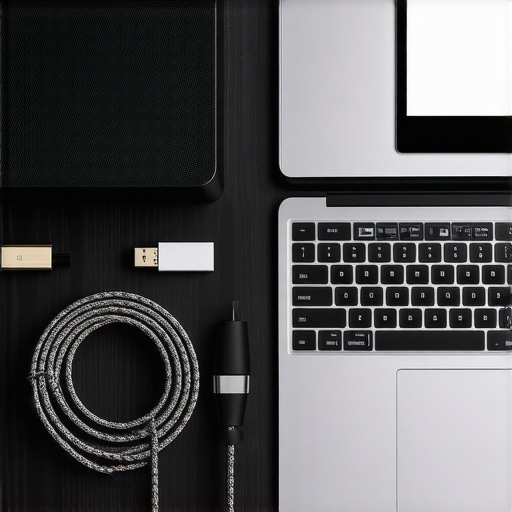
How do I maintain a high-performance environment as we scale?
As we grew from two people to twelve, the logistics of meeting rooms became a nightmare. We stopped treating room booking as a luxury and started treating it as a core operational process. We appointed a ‘Space Lead’ whose only job was to audit our upcoming venues 24 hours in advance. This person ensures we know how to deal with technical glitches during a remote board call before the board actually joins. If you’re managing a larger team, you have to learn how to manage office politics when you share a floor with other startups, especially when it comes to hogging the ‘good’ conference room during peak hours. We now use a internal ‘star-rating’ system for every hub we visit, tracking things like outlet placement and chair ergonomics. It sounds obsessive, but it’s how we maximize productivity in your startups conference rooms without needing a full-time office manager.
Where the Startup Hub is Headed Next
I predict that within the next three years, the ‘standard’ meeting room will disappear. We are moving toward ‘spatial-first’ environments where 3D holograms of remote teammates aren’t just sci-fi—they’re the baseline for collaboration. We are already seeing the first wave of this in the future of conference rooms in startup ecosystems, where haptic feedback and directional audio are being integrated into the walls themselves. The days of shouting at a ‘puck’ microphone in the center of a table are numbered. If you want to stay ahead, my advanced tip is this: Start investing in high-quality external peripherals for your team now. Don’t wait for the venue to upgrade. Give your lead sales rep a dedicated 4K webcam and a cardioid microphone they can carry with them. It’s a small capital expense that yields a massive professional dividend.
What the Coffee Shop Grind Taught Me About Real Growth
The transition from a public bench to a private space isn’t just an expense; it’s a psychological rite of passage. Looking back at my journey through dozens of coworking hubs, a few hard truths stand out. First, you cannot put a price on the privacy of a real door. If you are handling sensitive data, avoiding the public eye is a security requirement, not a luxury. Second, the energy of a room dictates the energy of the deal. When I finally followed the move from garage to office a growth roadmap, my closing rate skyrocketed because I stopped apologizing for my surroundings. Finally, remember that your team needs a ‘third place’ that isn’t their bedroom or a loud cafe to truly innovate. We found that creative coworking transforming meeting rooms into collaboration hubs changed the way we brainstormed overnight.
Three Items That Saved My Reputation in Rented Rooms
To make the most of your time, I highly recommend investing in a few specific assets. First, pick up a copy of Deep Work by Cal Newport; it will change how you value your hours inside a quiet space. Second, always carry a dedicated hotspot or a travel router because why your home wi-fi is failing your zoom presentations also applies to spotty guest networks in lower-tier hubs. Third, keep a professional-grade microphone in your bag. The difference in audio quality during a hybrid call is the difference between being heard and being ignored. I trust these tools because they eliminate the variables you can’t control when you are on the move.
Step Into Your Next Chapter with Confidence
The scrappy startup phase is a badge of honor, but don’t wear it so long that it becomes a weight. There comes a time when you have to stop playing at business and start conducting it. Finding the right meeting rooms is about more than just four walls and a table; it’s about signaling to yourself, your team, and your investors that you are here to stay. When you learn how to choose the perfect conference room for business success, you aren’t just renting a seat—you are claiming your territory in the market. You’ve done the hard work of building the vision; now give it the stage it deserves. What was your most embarrassing coffee shop meeting disaster that finally made you realize you needed a professional space? Let me know in the comments below!