
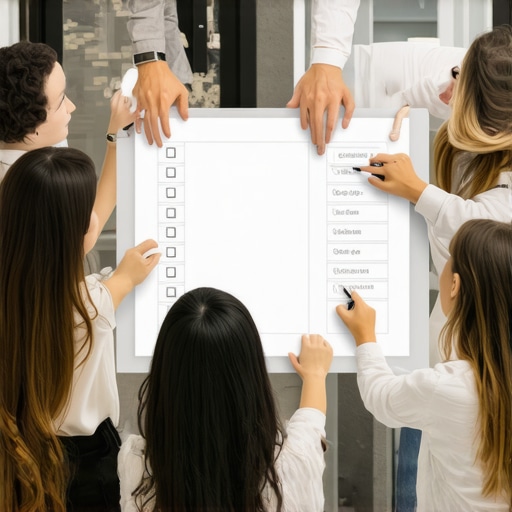
I remember the exact moment it hit me. Our team had finally outgrown our cramped home office, and moving to a new coworking space seemed like the obvious next step. But as soon as we began the transition, chaos ensued. Meeting rooms were double-booked, dishes piled up in the kitchen, and my once-focused team struggled to get into a rhythm. It was a stark reminder that relocating isn’t just about packing up desks and signing lease agreements; it’s a test of your entire company’s cohesion and resilience.
Nailing the Move: Why It’s More Than Just Changing Addresses
The truth is, moving your startup to a new hub is a rite of passage. Done right, it can ignite innovation, foster collaboration, and project professionalism. Done poorly, it can derail momentum, create confusion, and even waste valuable resources. According to a study by Coworking Central, startups that invest in thoughtful workspace management see a 30% increase in team productivity within the first three months.
Is Ditching Your Old Space Really Worth the Hype?
Many founders, myself included early on, underestimate how complicated the logistics can be. My first mistake? Assuming that just because the new space looked good online, it would be seamless. Spoiler alert: It wasn’t. The key is understanding that a successful move isn’t just about physical logistics but about preserving and enhancing your team’s culture. This means considering everything—from conference room sizing to noise levels, and even access to networking opportunities. For guidance on choosing spaces that foster innovation, check out this detailed guide.
Have you ever faced a move that disrupted your momentum? If so, you’re not alone. Many founders feel overwhelmed before they even start. But with the right checklist, your transition can be smooth, strategic, and energizing rather than exhausting. Let’s dive into how to make this happen without losing sleep or momentum.
Assess Your Needs and Set Clear Objectives
Begin by evaluating why you’re moving. Is it for growth, better facilities, or to enhance your team culture? Clearly defining your goals helps prioritize what features your new space must have. I once thought a trendy location would boost morale, but overlooking essential needs like reliable internet and meeting space quality led to initial frustrations. Setting specific objectives ensures your move reinforces your startup’s core functions and values.
Scout and Select the Right Space
Think of your workspace as the backbone of your team—choose it wisely. Visit several options, considering aspects such as size, layout, access, and amenities. For instance, during our move, I conducted a detailed walkthrough comparing multiple coworking options and gauged staff input. Use resources like this guide to identify spaces that foster innovation and collaboration.
Prioritize Culture Compatibility
It’s essential that the space’s vibe aligns with your startup culture. As I discovered, a space crowded with startups in similar industries encourages networking and knowledge-sharing. To find such hubs, reach out to these contacts for personalized recommendations.
Plan the Logistics with Precision
Create a comprehensive checklist—detailing each step from packing to setup. During our move, I used a digital project board to assign tasks and set deadlines, which minimized oversight. Pay special attention to technical infrastructure, furniture, and access points. Consider using these tips for optimizing conference room setup, ensuring your team is operational from day one.
Coordinate with Your Team
Involving your team in planning fosters ownership and eases transition anxiety. Hold a kickoff meeting to discuss timelines, responsibilities, and concerns. During our move, team members helped identify potential bottlenecks, which proved invaluable. Open communication channels and regular updates keep everyone aligned and can prevent chaos on moving day.
Execute with Flexibility and Attention
On moving day, stick to your plan but stay adaptable. Unexpected delays or issues often arise; having contingency plans is critical. I recall a moment when elevator failure threatened to delay furniture setup—quick improvisation with floor plans saved the day. Document each stage to learn and refine your process for future transitions. Remember, smooth execution depends on decisive coordination and maintaining a calm, solution-oriented mindset.
Integrate and Optimize Your New Space
Once settled, focus on maximizing your environment’s potential. Encourage your team to personalize their workstations and foster a culture of cleanliness and organization. Regularly evaluate if your space meets evolving needs—consider booking specialized meeting rooms like those listed in this resource for inspiration. This continuous improvement turns your workspace into a springboard for innovation rather than a static location.
Many entrepreneurs assume that choosing the largest or most modern conference room guarantees productivity and innovation, but in my experience, this is a misconception. The real key lies in the subtle nuances of space design and purpose. For example, a study published in Harvard Business Review highlights that innovative meetings often occur in environments tailored for spontaneous collaboration rather than formal settings, underscoring the importance of intentional space layout.
Why do some startups keep falling for superficial upgrades?
It’s tempting to invest heavily in trendy coworking spaces or high-end conference rooms, thinking this will boost team morale. However, many miss the deeper layer—how space influences behavior. A common mistake is neglecting acoustic quality; poor soundproofing leads to distractions, reducing focus during critical discussions. I recommend evaluating acoustic treatments, which research shows can increase meeting effectiveness by up to 25%. To see how this impacts startup success, explore this resource.
Another misconception is that all coworking spaces are created equal, but in reality, their success depends on alignment with your company’s culture and growth needs. A space that fosters organic networking and flexibility can be a catalyst for innovation, as pointed out in this article. Overlooking these nuances can lead startups to experience ‘space fatigue,’ where the environment stifles rather than stimulates creativity.
What advanced strategies can startups use to optimize their meeting spaces for innovation?
Invest in adaptable furniture and technology that support both formal presentations and informal brainstorming. For instance, movable whiteboards, modular seating, and flexible AV setups allow teams to reconfigure spaces quickly in response to their immediate needs, fostering dynamic interactions. Additionally, integrating biophilic design elements—like plants or natural light—has been shown to improve cognitive function and creativity, a finding supported by a 2020 study in the Journal of Environmental Psychology. These factors are often overlooked yet crucial for startups aiming to turn their spaces into true hubs of innovation and collaboration.
Remember, the goal isn’t just to fill a room with expensive gadgets or stylish decor but to craft an environment that enhances your team’s interaction and productivity. Have you ever fallen into this trap? Let me know in the comments.
Staying disciplined in maintaining your conference room setup is crucial for ongoing productivity and a professional image. My personal approach involves a combination of robust software management and regular hardware audits. I rely heavily on Zoom Rooms for seamless hybrid meetings, as their integrated hardware and intuitive interface reduce setup time and minimize technical frustrations. In my experience, investing in Logitech’s Rally Plus speaker system has been a game-changer—its adaptive beamforming technology ensures everyone is heard clearly, which dramatically improves meeting outcomes. Regular software updates and routine hardware checks keep everything running smoothly, preventing unexpected glitches that derail important discussions.
To streamline this process, I use Ansible automation for updating firmware and configurations across devices—saving time and reducing human error. Coupled with scheduled quarterly reviews of all equipment, this system ensures our workspace remains reliable and state-of-the-art. As we evolve, I foresee increased integration of AI-driven diagnostic tools that proactively alert us to potential failures, making maintenance even more anticipatory than reactive. Embracing such predictive maintenance methods will be essential for startups aiming to scale without disruptions.
How do I keep my meeting tools working flawlessly over time?
It’s all about creating a maintenance routine that combines proactive hardware checks with software updates. Schedule regular audits—at least quarterly—and document any issues or improvements. This disciplined approach has helped us avoid costly downtimes and keeps our meetings running smoothly. For specific hardware maintenance tips, I recommend checking out this resource. Also, partnering with vendors that offer proactive support can make a significant difference, especially as your team grows.
Implementing automation tools, such as PowerShell scripts for network diagnostics or Nagios for monitoring device health, can drastically reduce manual oversight. For example, I set up Nagios to alert me instantly about any hardware issues in our conference room, allowing for swift repairs before meetings are affected. Over time, these small but consistent maintenance routines accumulate into a resilient setup that supports your startup’s scalability.
Looking ahead, I predict that AI-assisted maintenance diagnostics will become standard in workspace tech, providing predictive insights before problems even surface. Staying ahead with these tools will ensure your team spends less time troubleshooting and more time collaborating effectively.
For those ready to take maintenance seriously, start by implementing a quarterly hardware audit combined with automation scripts for software updates. Making this a habit will free you from preventable disruptions and keep your conference environment a hub of productivity. Want to see how automation can revolutionize your space? Try setting up a simple script using these guidelines.
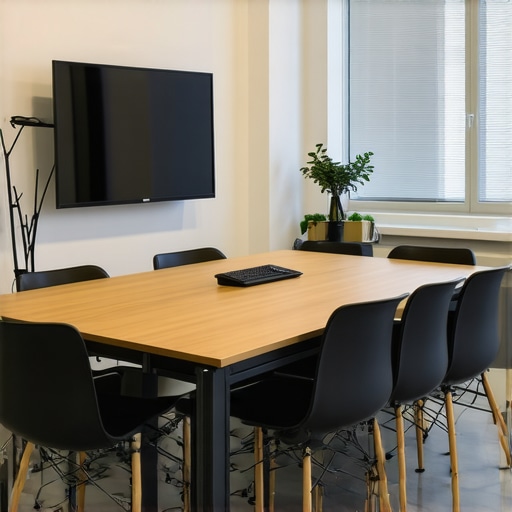
What I Wish I Knew Before My Conference Room Shift
One of the most eye-opening lessons I learned was that the success of moving your startup’s space hinges not just on logistics but on preserving your team’s spirit and culture. Underestimating the importance of acoustic design or the nuances of layout can hamper collaboration more than any budget upgrade. I found that small tweaks, like adaptive furniture or creating dedicated quiet zones, can make a massive difference, a concept I discovered after hitting unexpected snags during our move.
Curated Tools That Transformed Our Workspace Management
My go-to tools include this insightful resource for understanding future workspace trends, along with hardware solutions like Logitech’s Rally Plus for crisp audio during hybrid meetings. I trust these because they not only streamline operations but also foster a culture of professionalism and innovation, essential for a startup aiming to scale efficiently.
Your Next Big Leap Starts Here
Remember, each move in your workspace journey is an opportunity to strengthen your startup’s foundation. Embrace the challenge with intention, and you’ll create an environment where innovation thrives. Ready to transform your conference rooms into hubs of creativity? The right choices today will set a powerful tone for the growth ahead.
What was the most unexpected lesson you learned during your startup’s space transition? Share your story below—I’d love to hear how you turned challenges into opportunities.