

I remember sitting in our first “official” office—a windowless converted storage unit in the back of a bustling coworking hub. At the time, we thought we were being incredibly savvy. We had the sleekest monitors, those fancy ergonomic chairs that cost more than my first car, and a fridge constantly restocked with premium cold brew. We were lean, we were mean, and we were totally miserable by 2:00 PM every single day. I’d watch my lead developer stare at the beige drywall for twenty minutes at a time, eyes glazed over, while our brainstorming sessions felt like we were trying to start a fire with wet matches. It wasn’t a lack of talent; it was the fact that we were essentially working in a high-tech bunker. I made the classic mistake of thinking “professionalism” required four solid walls, but I quickly learned that finding a workspace that doesn’t feel like a tech prison is the single most important thing you can do for your team’s mental clarity. Today, I’m going to break down why your current office setup might be the anchor dragging down your creative output and how to fix it without breaking the bank.
Your Team Isn’t Burned Out—They Are Just Starving for Sunlight
It took a major project delay for me to finally admit that my choice of office was the problem. We were trying to innovate, but our environment was telling our brains to go to sleep. Human beings aren’t designed to thrive under flickering fluorescent tubes for eight hours a day. When we finally bit the bullet and focused on finding a meeting room with decent natural light, the shift was almost instantaneous. The “3 PM slump” virtually vanished. This isn’t just my personal opinion, either. A landmark study published in the *Journal of Clinical Sleep Medicine* revealed that employees in offices with windows received 173% more white light exposure and slept an average of 46 minutes more per night than those without. Better sleep equals better code, better designs, and fewer mid-afternoon meltdowns. If you want your team to think outside the box, you have to stop putting them inside a literal one.
Is a Better View Actually Worth the Higher Monthly Rent?
I know exactly what you’re thinking because I said it myself: “I can’t justify an extra $500 a month just for a window.” It feels like a vanity metric when you’re watching every penny. But here is the hard truth I had to swallow: the “savings” you get on a windowless room are eaten up by the loss of productivity and the eventual turnover of your best people. You don’t need a floor-to-ceiling view of the skyline to make an impact. Often, why your team is more productive with a change of scenery is simply about giving the eyes a chance to rest on something other than a flat surface. Even small changes in your environment can spark huge returns in engagement. I’ve even found that why your meeting room layout is killing participation often starts with how oppressive the lighting feels the moment the door shuts. Have you ever noticed your own energy levels tanking the second you walk into a windowless conference room for a marathon session? I’d love to know if you’ve experienced that same “bunker fatigue” that we did. It’s a real thing, and it’s time we stop pretending it doesn’t matter.
Audit Your Current Setup Before You Sign Anything
To fix your workspace, you first have to stop treating it like a static asset and start treating it like a toolbox. Every square foot should serve a specific function. I realized this the hard way when I looked at our monthly burn and saw we were paying for a twelve-person conference room that sat empty 90% of the time. We were essentially paying rent for a giant, expensive dust collector. The first step in any workspace overhaul is to stop overpaying for square footage you never use and reallocate that budget into high-impact zones. Think of your office like a computer’s RAM; if you fill it up with background processes that don’t help the user, the whole system slows down.
Ditch the Open Floor Plan for Private Phone Booths
One of the biggest productivity killers in modern startups is the lack of acoustic privacy. I used to think the open-plan layout was great for collaboration until I realized that three developers were wearing noise-canceling headphones just to drown out my own sales calls. It was a mess. We quickly learned that why your sales calls need a private phone booth isn’t just about your privacy—it’s about preserving the deep flow state of everyone else in the room. By installing two small, soundproof pods, we reclaimed the quiet of the main area without losing our ability to close deals. If you can’t afford pods yet, even the secret to finding quiet corners for high-stakes sales calls often involves mapping out the low-traffic zones of your coworking hub during peak hours.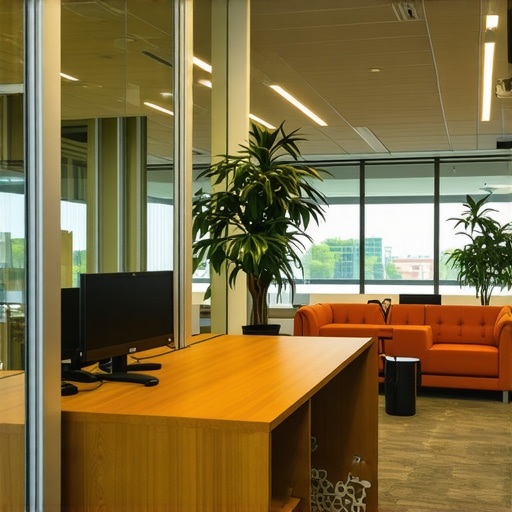
The Wi-Fi Test That Saved Our Series A
I will never forget the time we were hosting a remote demo for a Tier-1 VC firm from a trendy new ‘tech hub’ we had just joined. Two minutes into the screen share, the lag became so unbearable that the investor’s face froze into a pixelated blur. We lost the momentum, and the meeting ended in a polite but firm ‘not right now.’ It was a humiliating lesson in infrastructure. Now, I never book a space without a physical walkthrough. You must learn how to test the wi-fi speed before you book that venue. Don’t just trust the brochure; run a speed test in the specific room you’ll be using. If the upload speed doesn’t sustain a high-def stream, walk away. Technical reliability is the foundation of professional credibility.
Why Flex Offices Beat the Five-Year Trap
In the early stages of a startup, your headcount can double in six months or shrink in three. Signing a long-term commercial lease is like buying a pair of shoes for a toddler; they might fit today, but they’ll be painful by next week. We shifted our strategy to the logic of choosing a flex office over a 5-year lease because it allowed us to scale our footprint dynamically. This flexibility also forces you to be more disciplined about your security protocols. When you aren’t behind a permanent perimeter, knowing how to keep your startups trade secrets in an open office becomes a core competency, not an afterthought. It shifts the focus from physical walls to robust digital encryption and smart behavior.Everyone tells you that a startup needs a ‘transparent culture,’ so you buy into the glass-wall aesthetic. But here’s the contrarian truth: transparency isn’t about being able to see what your lead engineer is eating for lunch. When we moved into a space with those trendy floor-to-ceiling glass partitions, our ‘deep work’ hours plummeted. People felt like they were on a stage. I finally realized that why your startup needs a real door, not just a glass wall is about psychological safety. If you can’t have a difficult conversation without the whole floor watching your body language, you aren’t being transparent—you’re being performative. 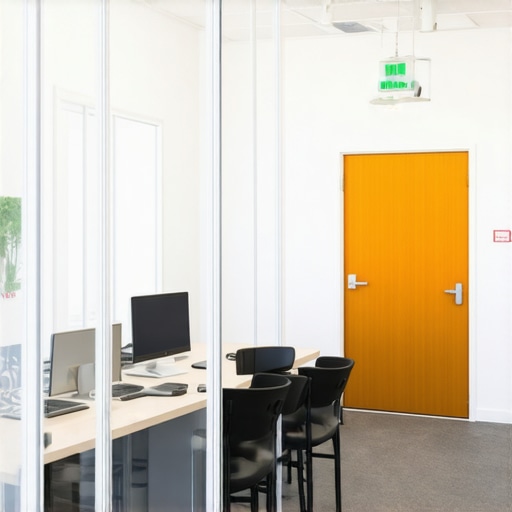 This is exactly why the open plan office is failing your developers; they need to know their focus won’t be shattered by every passerby making eye contact.
When should you actually leave the building for a high-stakes meeting?
The ‘Oops’ factor for many founders is the assumption that their home base is always the best place for business. I made this mistake during our first major pivot. Trying to discuss a radical change in strategy while sitting ten feet away from the rest of the team created an atmosphere of panic. For sensitive topics, I’ve learned that why a neutral meeting space leads to more honest feedback cannot be overstated. A change of venue signals that this isn’t ‘business as usual.’ It’s also the only way to effectively how to handle a sensitive HR meeting in a shared space without the gossip mill starting before the meeting even ends. Don’t get me started on the ‘All-Inclusive’ trap. Most coworking hubs will try to upsell you on a membership that includes everything from yoga to a dedicated ‘community curator.’ But unless those perks directly impact your burn rate or your team’s output, you’re just subsidizing someone else’s lifestyle. I’ve seen so many founders blow their seed round on amenities they don’t use, failing to see why the all-inclusive membership is usually a trap. Focus on the core: fast internet, acoustic privacy, and 24/7 access. A 2018 study from Harvard University researchers Ethan Bernstein and Stephen Turban confirmed this nuance, showing that when a major firm switched to an open-plan office, face-to-face interactions actually dropped by about 70%. It turns out that when we lack physical boundaries, we build digital ones—meaning more Slack messages and fewer actual breakthroughs. Finding the right startup success secrets: choosing the perfect conference room is about balancing that need for visibility with the absolute necessity of privacy. Even the shape of your furniture matters; I’ve found the hidden psychology of circular meeting tables helps flatten hierarchies during brainstorming sessions better than any rectangular ‘CEO-style’ table ever could. Have you ever fallen into the trap of choosing ‘cool’ over ‘functional’ in your workspace? Let me know in the comments.
But even with the right table, your operations will crumble if your tech stack is still built for a 2010 cubicle. I’ve become incredibly protective of my ‘go-bag’ lately; it’s the only way I stay sane while moving between different hubs. For example, the truth about noise-canceling headphones in shared spaces is that they aren’t just for music; they are a physical ‘do not disturb’ sign that actually works. I personally swear by the Sony WH-1000XM5s because their multi-point connection allows me to jump from a podcast on my phone to a high-stakes pitch on my laptop without fumbling with Bluetooth menus while an investor waits. If you’re still relying on your laptop’s built-in microphone, you’re basically telling your clients you don’t care about their ears. I’ve found that why your home wi-fi is failing your zoom presentations often comes down to the same lack of dedicated hardware we see in poorly managed coworking hubs. That’s why we started carrying our own travel routers and prioritizing why endpoint protection services matter more when your team is hybrid. You simply cannot rely on a public ‘Guest Wi-Fi’ to protect your intellectual property.
How do I maintain team focus as the room gets louder?
Maintenance isn’t just about wiping down the whiteboards; it’s about a constant audit of the sensory environment. Every Friday, I ask my team one question: ‘What was your biggest distraction this week?’ If the answer is the person at the next desk, we look into how to maximize productivity in your startups conference rooms by 0245 pm by shifting our ‘deep work’ tasks to earlier in the morning. We also enforce a ’20-foot rule’: if your conversation can be clearly heard 20 feet away, it needs to move to a private booth immediately. To back this up, research from the Fraunhofer Institute for Building Physics has shown that even moderate background noise in offices increases stress hormones like cortisol by up to 15%. I don’t want my developers running on cortisol; I want them running on flow. 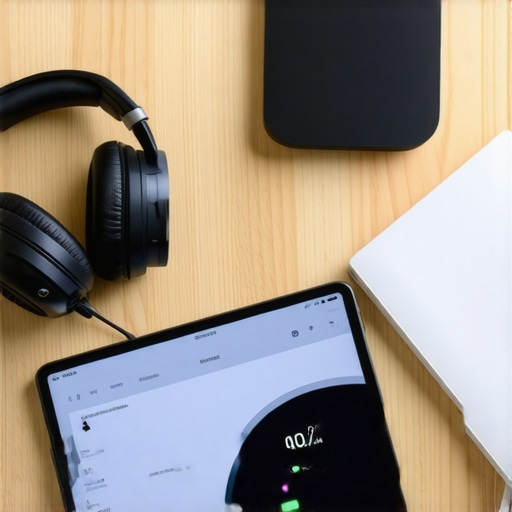 As you grow, you’ll need to know how to choose an office that supports your scaling speed without forcing a relocation every quarter. I predict we are heading toward a permanent ‘hub-and-spoke’ model where companies ditch the massive HQ for good. This is exactly why small satellite offices are beating the mega headquarters in 2024; they offer the social anchor without the commute-induced burnout. If you’re feeling the squeeze, my advice is simple: take your next difficult brainstorming session off-site. Try the ’10-minute speed check’ on a local venue today and see if a new environment changes the quality of your ideas.
The Painful Lessons I Learned While Scaling from a Garage
Reflecting on our journey, I realize that the physical walls we chose were often a reflection of our internal confidence. When we felt small, we settled for small, windowless rooms. As we grew, I learned that the move from garage to office is more than a logistical step; it is a psychological shift for the whole team. Don’t ignore the cultural ‘smell’ test. I’ve walked into dozens of spaces that looked great on Instagram but felt like a library where everyone was afraid to sneeze. Learning how to spot a bad coworking community before joining saved us thousands in lost momentum. Also, remember that overhead is the enemy of innovation. We managed to keep our burn rate low by figuring out how we cut our office rent in half without losing talent—mostly by ditching vanity addresses for functional hubs.
My Non-Negotiable Kit for Mobile Operations
If you are constantly switching between your home office, a coworking hub, and client sites, you need a standard operating procedure. I never leave home without my noise-canceling headphones, and I’ve written extensively about the truth about noise-canceling headphones in shared spaces because they are your only defense against a chatty neighbor. I also keep a dedicated travel router and a speed-test app on my home screen; you must know how to test the wi-fi speed before you book that venue or you’ll eventually find yourself failing a demo due to bad infrastructure. Lastly, I always keep a ‘digital go-bag’ with encrypted backups—security doesn’t take a day off just because you’re at a hot desk.
Take the Leap Out of Your Living Room
It’s easy to stay comfortable at home, but the unseen expenses of isolation are real. Between the lack of networking and the blurring of work-life boundaries, the real cost of working from your dining table is usually much higher than a monthly membership fee. Moving into a professional hub isn’t just about getting a desk; it’s about signaling to yourself, your team, and your investors that you are serious. #IMAGE_PLACE_HOLDER_E# Finding a space that fosters your specific brand of startup, conference room, and coworking synergy will be the best investment you make this year. Your team’s creativity—and your own sanity—will thank you for it. What is the one thing in your current workspace that is driving you crazy right now? Let’s swap horror stories in the comments below!