
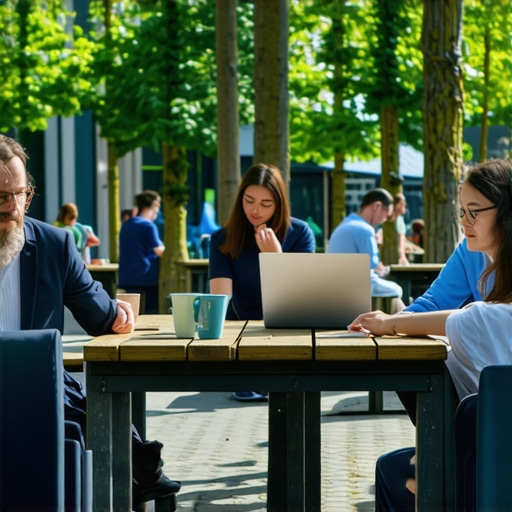
I vividly remember the moment I realized our team was heading towards burnout. It was a typical Monday morning, and instead of the usual buzz of ideas and laughter, there was a palpable heaviness in the air. Meetings felt like dragging weights, and productivity was plummeting. We were stuck in our usual routine, convinced that pushing through was the only option. But that day, something clicked — I knew we desperately needed to hit pause.
The Hidden Power of Stepping Back
In my journey as a founder, I’ve learned that taking a break isn’t a sign of weakness, but a strategic move. Especially in startups and collaborative environments, constant hustle can cloud creativity and drain energy. When I finally advocated for stepping away from our desks, the results surprised everyone. Productivity improved, team morale soared, and innovative ideas started flowing again. It’s a simple truth: sometimes, you have to pause to move forward faster.
Is Pausing Really Worth the Risk?
I remember my initial hesitation—what if taking a break slows us down? Early on, I made the mistake of believing that continuous work was synonymous with dedication. But studies show that short breaks can boost focus and prevent burnout, rather than impede progress. According to the Harvard Business Review, employees who take regular, strategic breaks are 30% more productive. So yes, stepping back can propel your team ahead.
If you’ve ever felt like your team is running on fumes, know that you’re not alone. Many leaders overlook this crucial aspect of team health, thinking hustle is the only way. But I promise, making space for rest isn’t just a luxury—it’s a strategic necessity. Next, I’ll walk you through simple but impactful ways to give your team the revitalization they need, starting with your own leadership mindset.
Implement Scheduled Recesses for Everyone
Start by setting fixed intervals—every 90 minutes—for short breaks. Use a timer to remind the team, much like a coach signals halftime. During these pauses, encourage stretching or quick walks outside the conference room to reset energy levels. In my own experience, I introduced this practice during a challenging product sprint. The first few days were awkward, with some pushing through, but as the team adapted, noticeable boosts in focus and enthusiasm emerged.
Create a Dedicated Rest Zone within Your Space
Designate a corner or a separate room as a relaxation area equipped with comfortable chairs, plants, and low lighting. This isn’t just a lounge; it’s a ‘power-up’ station. When I organized a team retreat at a coworking space, converting an underused storage closet into a cozy break nook resulted in employees returning to work more refreshed, demonstrating the importance of physical separation from Taskland.
Encourage Micro-Activities to Reset Minds
Suggest quick, energizing activities like a two-minute stand-up dance or breathing exercises, similar to how actors warm up before a scene. These can be scheduled or spontaneous. During a critical phase of my startup’s fundraising, I introduced a 5-minute dance break before investor calls; it broke tension and sharpened our focus, leading to more engaging pitches.
Use Technology to Enforce Break Policies
Implement apps or calendar invites that automatically block meeting times for breaks. Think of it as the appointment book of your team’s health. I once integrated a simple Slack bot that nudged team members to take breaks, which visibly decreased burnout signs after just a few weeks. This automation ensures breaks aren’t overlooked amid busy schedules.
Rotate Meeting Formats to Avoid Burnout
Switch from long sit-down meetings to walking discussions or stand-ups. Imagine a conference room as a gym—use it actively. During a quarterly planning, I transformed a 2-hour workshop into multiple 15-minute stand-up sessions spread across different rooms. The change kept energy high and fostered more spontaneous problem-solving.
Leverage Visual Cues to Signal Break Time
Use signs, lights, or room bookings to indicate when a space is available for a quick recharge. Picture a traffic light system—green for go, red for rest. When I added a simple sign outside our main conference room during a tech hackathon, it reduced interruptions, allowing focused downtime that paid off during final presentations.
Remember, integrating these concrete steps doesn’t require massive overhauls. Small, consistent changes—like implementing scheduled breaks or creating inviting relaxation spots—can cumulatively reverse fatigue. For deeper insights on optimizing coworking environments for startup success, consider exploring how to maximize productivity in conference rooms or the role of coworking spaces in fostering innovation.Many entrepreneurs and startups assume that choosing a coworking space or conference room is merely about cost and location, but the reality is far more nuanced. A prevalent myth is that bigger spaces always equate to better productivity; however, recent research indicates that crowding can hinder focus and collaboration. Properly curated environments that foster intimacy and community often outperform large, impersonal spaces.
Are Open Plans Actually Boosting Collaboration or Driving Distraction?
Contrary to popular belief, open-plan coworking areas are not universally effective. Studies, such as one from Stanford University, reveal that open offices can increase noise levels and reduce individual concentration, which may counteract their intended purpose. It’s essential to analyze your team’s specific needs before committing to a one-size-fits-all layout.
Don’t Fall Into the Space Optimization Trap
A common mistake is prioritizing maximum utilization over comfort and functionality. Overcrowding conference rooms to save costs often leads to discomfort, poor acoustics, and a decrease in meeting effectiveness. The key is to balance space efficiency with thoughtful design that promotes productive discussions. For instance, investing in adaptable meeting environments can lead to higher engagement and better outcomes.
Why the Location and Design of Your Meeting Rooms Matter More Than You Think
Many overlook how the physical environment impacts communication styles and creativity. Spaces that are too sterile or poorly lit can stifle spontaneous interaction, while thoughtfully designed rooms encourage energy and innovation. Explore how innovative meeting room designs are transforming collaboration practices in startup ecosystems. Remember, your physical setting subtly influences your team’s mindset and performance.
Be cautious of the assumption that any coworking or meeting space will do the job. Instead, evaluate your team’s unique culture and objectives when selecting or designing your environment. Slight adjustments, like incorporating communal zones or private nooks, can significantly enhance productivity. For comprehensive strategies, consult articles on maximizing conference room effectiveness or transforming meeting spaces into hubs of innovation.
Have you ever fallen into this trap? Let me know in the comments.Maintaining a productive coworking environment or well-equipped conference room isn’t a one-and-done task; it requires strategic investment in the right tools and ongoing discipline. One of my all-time favorites is the **Logitech MeetUp** video conferencing camera. It’s compact, offers 4K video, and its 120-degree field of view ensures everyone stays in frame—crucial for remote-inclusive meetings. I personally use it for every team call; it dramatically reduces miscommunications and invites more engaging discussions. Additionally, pairing this with **Otter.ai** for real-time transcription ensures nothing slips through the cracks, especially in lengthy brainstorms or client negotiations. Otter’s AI-powered summaries help us revisit decisions with clarity—saving hours of note-taking. In the digital realm, **Notion** is my choice for project management. Its flexible workspace allows us to keep track of ongoing tasks, shared knowledge, and timelines in one place, eliminating the chaos of scattered emails or sticky notes. I’ve found that customizing Notion dashboards for different project phases boosts team alignment—everyone knows exactly where we stand. Looking ahead, I predict an increasing reliance on integrated IoT systems to automate room settings—think intelligent lighting, climate control, and occupancy sensors—all syncing seamlessly with scheduling tools. This trend will make conference spaces more adaptable and energy-efficient, thereby reducing long-term costs. How do I maintain the effectiveness of these tools over time? Regularly schedule a tech audit with your team, and keep tabs on updates from providers—staying ahead ensures your environment remains optimized. For instance, I set quarterly reviews to evaluate hardware performance and explore new features, ensuring our tools evolve with our needs. I also highly recommend trying out **Airtable** for more dynamic, relational data management, especially if your team’s needs grow complex. Don’t just take my word for it—test one of these tools in your next meeting setup and see immediate improvements in efficiency and collaboration. Need guidance on integrating these tools smoothly into your workspace? Reach out via our contact page and let’s discuss customizing solutions tailored to your team’s unique workflow.
Lessons That Transformed My Approach to Coworking Spaces
One lesson I learned the hard way is that a beautiful space alone doesn’t guarantee productivity; it’s about how you foster an environment that encourages rest, creativity, and adaptive thinking. Another insight was that rigid structures stifle innovation—flexibility in design and scheduling often leads to breakthroughs. Lastly, I realized that listening to your team’s feedback about their workspace can reveal hidden barriers and opportunities for growth, transforming a mere office into a launchpad for success.
The Magic Toolkit That Keeps My Startup Surging
Tools like maximize conference rooms efficiency ensure our meetings are purposeful. For seamless communication, I rely on modern tech stacks that integrate audio-visual equipment and digital collaboration platforms. When it’s time to brainstorm, creative meeting spaces become catalysts for new ideas. These tools and environments are my secret weapons for staying ahead in the competitive startup landscape.
Your Next Step: Ignite Change with Small Wins
Embrace the mindset that every tweak—be it a micro-break, a thoughtfully designed meeting room, or upgraded tech—can create ripple effects of positive change. Don’t wait for perfect conditions; start experimenting today, and watch your team’s energy and innovation levels soar. Remember, the future of coworking and startup success hinges on your willingness to adapt and foster spaces that inspire excellence. Ready to reimagine your workspace? Share your thoughts below or reach out for personalized guidance.