
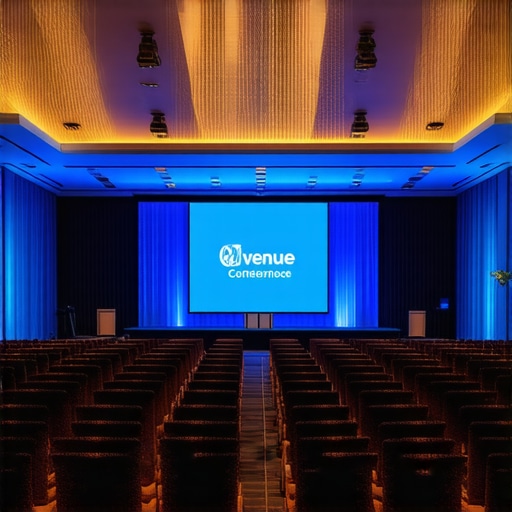
I remember the moment clearly. Our team was scouting around, desperately trying to find a meeting space that didn’t feel like a sterile, generic conference room. We had booked countless venues before, each promising to elevate our brand, but they always fell flat, leaving us feeling like just another startup in a sea of sameness. That lightbulb moment hit hard: if the space doesn’t match your vision, no amount of pep talks can salvage the experience. The space becomes a reflection of your brand, and getting it right isn’t just about aesthetics—it’s about aligning your environment with your company’s core identity.
Why Your Venue Choice Can Make or Break Your Startup’s Success
Choosing the right venue isn’t just a logistical decision; it’s a strategic move that shapes perceptions, fuels creativity, and fosters genuine connections. An environment that reflects your brand’s personality can inspire your team and impress clients, setting the tone for successful collaborations. On the flip side, a poorly chosen space can hinder productivity and dilute your startup’s message. Early on, I made the mistake of focusing solely on cost and location, neglecting how the space resonated with our culture. That oversight led to teams feeling disconnected, and meetings becoming routine rather than inspiring. To avoid these pitfalls, I recommend considering venues that align not just with your budget but with your brand essence. For innovative ideas on how to curate such spaces, check out [these inspiring coworking spaces](https://coworkingcentral.com/creative-coworking-transforming-meeting-rooms-into-collaboration-hubs-at-0455-pm). Finding a venue that embodies your startup’s spirit can be transformative. Are you still settling for spaces that don’t truly reflect your vision? Let’s explore how to make that change happen.
Assess Your Needs Before Booking
Start by listing your core requirements. Is high-tech equipment essential, or do you need a collaborative atmosphere? Think of it like choosing a vehicle—do you need a speedy sports car or a reliable family SUV? Remember, a space that fits your startup’s specific needs streamlines operations and boosts morale. In my early days, I mistakenly booked a sleek, tech-heavy conference room without considering our team’s size or meeting style. The result? Frustration and wasted hours. By clearly defining our needs, we found a space that encouraged spontaneous brainstorming and made our meetings more productive. To deepen your understanding, check out this guide on selecting the right conference room for your business.
Scout Strategic Locations That Reflect Your Brand
Location matters just as much as the room itself. Aim for venues that mirror your startup’s ethos—urban hubs for energetic founders or cozy, boutique spaces for creative teams. Think of your space as a storefront for your brand; it should draw interest and instill confidence. I once led a site visit to a coworking space situated in a vibrant arts district. The environment sparked our team’s creativity and impressed our clients. When evaluating venues, consider accessibility, ambiance, and how the environment aligns with your company’s personality. For example, this article emphasizes the importance of environment in fostering innovation.
Optimize Room Design for Collaborative Magic
Transform the room layout to promote interaction. Remove rigid rows—think flexible, open arrangements that invite spontaneous discussion. Use movable furniture, whiteboards, and tech tools to create an adaptable space. I once hosted a hackathon in a conference room with modular tables and multiple screens. The setup encouraged pairing and quick pivots, leading to a surprisingly successful event. Visualize your space as a playground for ideas, not just a traditional meeting spot. To learn more about innovative setups, explore this resource.
Invest in Tech That Powers Creativity
Ensure your venue is equipped with high-speed Wi-Fi, reliable projection systems, and soundproofing where necessary. The right tech is like fuel for a race car—crucial for smooth operation. I recall a pitch session where technical glitches derailed our momentum. Since then, I prioritize venues with dedicated support and backup systems. For instance, integrating easy-to-use collaboration tools can streamline meetings and keep everyone engaged. The tech checklist provides a comprehensive overview of must-have equipment to optimize your startup meetings.
Foster Privacy Without Isolation
Balance transparency and confidentiality by choosing spaces that offer private rooms or soundproof zones. It’s like having a quiet room in a noisy café—necessary for sensitive discussions. I experienced this firsthand during investor negotiations in a shared workspace—enough privacy to speak freely but still within a energetic environment. Always verify privacy standards, especially if your conversations involve strategic or proprietary information. Visit this page for tips on evaluating a venue’s privacy features.
Test Drive Your Setup Before Commit
Schedule a trial run to ensure the space genuinely meets your expectations. Think of it as a test drive for a new car—what feels right on paper might differ in real life. I once scheduled a mock session, only to realize the lighting was too harsh and the room’s acoustics muffled conversations. Making adjustments early prevents costly surprises later. This proactive step guarantees your meetings will be smooth and effective, fostering a professional image that impresses clients and motivates your team. For more strategies on venue testing, see this article.Many founders and managers believe that selecting a conference or meeting room is a straightforward task—find a space with enough seats, plug in the tech, and you’re good to go. However, this oversimplified view often leads to overlooked nuances that can subtly sabotage your meetings and hinder startup growth. Let’s challenge some common myths and explore advanced mistakes that even seasoned entrepreneurs can make.
Why Your Choice of Meeting Space Could Be Limiting Innovation
Contrary to popular belief, more expensive or high-tech rooms don’t automatically foster creativity. In fact, focusing solely on equipment and size can distract you from critical factors like room acoustics, flexibility, and psychological comfort. Studies show that poor acoustics and uncomfortable environments significantly reduce cognitive performance during meetings, which can slow down idea generation and decision-making (source: Harvard Business Review). An underappreciated trap is neglecting the social dynamics within a meeting space. A room that’s too formal may stifle open dialogue, while a more relaxed environment can stimulate spontaneous collaboration. Want to see how innovative spaces are breaking traditional molds? Check out this collection of inspiring meeting rooms. Recognizing these nuances allows you to optimize spaces beyond the basic checklist, enhancing overall productivity and innovation.
How Ignoring Privacy Can Backfire in Coworking Environments
Many startups underestimate the importance of privacy within shared coworking spaces. They assume visibility equals transparency and privacy equals risk, leading to either over-closed environments or overly exposed open plans. The reality is that privacy isn’t just about walls—it’s about control over acoustics, sightlines, and the space’s layout. Without proper design, confidential discussions can leak, or employees may feel inhibited from speaking freely, damaging team cohesion and stakeholder trust. The key is integrating adaptable privacy solutions like soundproof booths or modular partitions. For an in-depth look at safeguarding sensitive discussions, explore this guide to privacy in coworking spaces. Overlooking these nuances costs startups not only potential deals but also credibility—don’t fall into this trap.Maintaining an effective conference room or coworking space is vital for a startup’s ongoing success. The right tools can streamline operations, enhance collaboration, and ensure the environment continues to inspire creativity. Personally, I rely heavily on smart scheduling systems like *Robin* to manage room bookings efficiently. It not only prevents double-bookings but also provides real-time room availability, saving our team valuable time and reducing frustration. For audio, I swear by *Jabra Speak* series — portable, high-quality speakerphones that guarantee crystal-clear sound during virtual meetings, regardless of the room size. Investing in reliable tech isn’t just about comfort; it’s about projecting professionalism and fostering seamless communication that scales with your growth. To future-proof your space, consider integrating IoT devices that monitor room occupancy and environmental conditions, ensuring your environment adapts dynamically to your team’s needs. As the trend towards remote and hybrid work continues, these tools become indispensable. How do I maintain my conference rooms over time? Consistent routine checks and regular updates of your tech stack are critical. Schedule monthly audits to evaluate equipment performance, update firmware, and gather feedback from users. This proactive approach prevents unexpected downtimes and keeps your environment optimized for productivity. Additionally, dedicating a quick weekly team meeting to discuss any technical issues has proven effective in quick resolutions. Moving forward, the use of AI-driven analytics can further enhance room management by predicting usage patterns and suggesting optimal layouts or equipment upgrades. Embrace these tools early, and your spaces will continue to serve your team long-term. For more insights on maximizing your conference room impact, check out [this article](https://coworkingcentral.com/how-to-maximize-productivity-in-your-startups-conference-rooms-by-0245-pm).
Lessons Hidden in My Conference Room Journey
One of the most profound lessons I learned was that smaller, thoughtfully designed spaces often foster better creativity than sprawling, high-tech rooms that feel impersonal. It’s not about having the latest gadgets but creating an environment where ideas can flow freely.
I also discovered that flexibility is key. Rigid, fixed furniture can stifle spontaneous collaboration. I wish I had prioritized adaptable layouts from the start, as it turned out to be the secret weapon in sparking innovation during our meetings.
Regularly testing the space, even after booking, proved invaluable. A quick mock session revealed acoustic issues and poor lighting that could have derailed crucial pitches. No resource beats real-world experience in understanding what works best for your team.
My Go-To Resources for Conference Room Success
For practical insights, I rely heavily on this guide. It offers actionable tips on optimizing meeting environments that have already transformed our startup’s approach to collaboration.
Another essential is this collection of innovative spaces. It fuels my inspiration by showcasing how design and environment directly impact creative output.
Additionally, I trust these recent articles for upcoming trends in conference space design, keeping my strategies fresh and forward-thinking.
Take Action and Make It Legendary
Now it’s your turn—don’t settle for ordinary meeting spaces that dull your team’s spark. Every conference room choice shapes your startup’s culture, innovation, and success. Start viewing your meeting environments as strategic assets—invest in design, technology, and flexibility, and watch your ideas soar. Remember, the right space can be the catalyst that transforms your startup’s future.
What’s been your biggest challenge in finding or designing a conference room that truly represents your startup? Share your story below, and let’s learn together!