
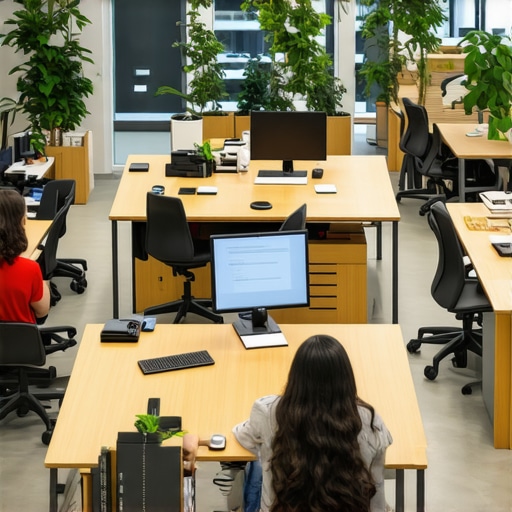
It was a hectic Tuesday afternoon when I realized I was drowning in a sea of mismatched schedules, crowded meeting rooms, and shifting priorities. My small startup was trying to make it work in a modern coworking space, but the chaos was overwhelming. I’d booked a conference room for an important client pitch, only to find it was double-booked with a team brunch. That lightbulb moment hit me hard: designing a flexible workspace tailored for small teams is an ongoing challenge that many entrepreneurs face.
Why Small Teams Struggle to Find the Right Fit in Flexible Spaces
Flexibility is supposed to serve us, right? But for small teams—often strapped for time, resources, and clarity—the reality can be quite different. When I first ventured into the coworking world, I learned quickly that not all spaces are created equal, especially when your team is just starting out. Do you find yourself battling over conference room availability, struggling to create an inspiring environment, or feeling frustrated by impersonal layouts? If so, you’re not alone.
The problem isn’t just about booking slots—it’s about aligning your workspace to your unique workflow, team size, and growth trajectory. The wrong setup can sap creativity, hamper productivity, and even dampen team morale. As I navigated the landscape, I made my fair share of mistakes. Early on, I chose a space based solely on location, overlooking how well the layout suited collaborative work or how adaptable it was to our evolving needs. I wish I’d known the importance of selecting coworking spaces that prioritize small team dynamics. For insights into trends shaping the future of collaboration spaces, check out this detailed look at the future of conference rooms in startup ecosystems.
So, what can we do? Today, I’m going to walk you through practical strategies—rooted in experience and real-world examples—that will help your small team harness the full potential of flexible workspaces. Ready to transform your approach and avoid the common pitfalls? Let’s get started.
Is Your Workspace Actually Helping Your Business Grow?
Many entrepreneurs worry about the hype surrounding flexible spaces, questioning if they’re worth the investment. The skepticism is valid. Some spaces feel more like trendy lounges than serious work hubs. And frankly, if you haven’t carefully vetted your environment, you might be throwing money into an unstimulating, inefficient space.
Believe me, I’ve made the mistake of settling just because a coworking spot seemed convenient. It wasn’t long before I realized that a poorly chosen space could hinder growth rather than fuel it. The key is understanding what features truly matter—like privacy for sensitive calls, scalable meeting rooms, or the opportunity for spontaneous networking. To see how innovative coworking environments can inspire startup success, look into this article on meeting rooms boosting creativity.
Stay tuned. In the next section, I’ll share specific tactics to select, customize, and leverage flexible workspaces that empower small teams—so you can focus on building your business, not battling your environment.
Are you currently facing these workspace struggles? Drop a comment or visit our contact page—I’d love to hear your story and help you find solutions.
Select the Perfect Workspace for Small Teams
Think of your workspace as the foundation of your startup’s success—choosing the right one is crucial. When I faced my first coworking dilemma, I scheduled visits to multiple spaces, comparing layouts, amenities, and community vibe. I didn’t just look for location; I assessed how well each space supported collaborative work and whether their meeting rooms could scale with us. During one visit, I noticed that a space’s conference room had an awkward layout that made presentations cumbersome—this was a red flag. Make sure to evaluate the physical setup critically. For insights on selecting top spaces, see how to choose the perfect conference room.
Customize Your Space to Match Your Workflow
Once you’ve picked a space, tailor it to your team’s needs. Imagine your startup as a living organism—its workspace should adapt as it grows. I quickly realized that movable whiteboards and modular furniture allowed us to reconfigure the room for different projects. Incorporate zones: quiet areas for focused work and open spaces for brainstorming. Don’t forget about privacy: for sensitive calls, designate soundproof zones or use noise-canceling devices. I learned this firsthand when I struggled with noisy open spaces during client calls, leading me to invest in portable sound barriers. This strategy significantly improved our call quality. For tips on enhancing meeting environments, visit why your meeting rooms need better acoustics.

Optimize Conference Rooms for Productivity
In my experience, conference rooms are the backbone of effective collaboration. They should be more than just a table and chairs; they need tools and design that foster engagement. Think of a conference room as a cockpit—every instrument should support your mission. Equip your space with high-quality video conferencing tech, whiteboards, and adaptable seating arrangements. I once hosted a brainstorming session in a space where outdated tech caused frustrating delays; since upgrading, our meetings flow seamlessly. Always test your tech setup before critical meetings and keep backup options ready. To ensure your conference rooms truly boost productivity, explore how to maximize productivity in your conference rooms.
Many entrepreneurs operate under the misconception that all coworking spaces are created equal, often focusing solely on location or amenities. However, this oversimplification neglects complex nuances that can make or break your startup’s productivity and growth. For instance, a common myth is that larger, more equipped conference rooms lead to better meetings, but in reality, it’s the quality of design and technological integration that truly matters. Neglecting these details can result in wasted time and subpar collaboration. Another mistake is assuming open-plan coworking areas promote greater innovation; while they foster spontaneous interactions, they can also hinder deep focus and privacy, especially if noise levels aren’t properly managed. Choosing a space without considering acoustic treatments or private zones can lead to frequent interruptions and reduced efficiency. An advanced aspect many overlook is the psychological impact of space design. Studies show that poorly lit, windowless rooms can significantly decrease motivation and mental well-being, ultimately impairing performance. Interestingly, experts like Dr. John Zeisel highlight that environmental psychology plays a critical role in workspace effectiveness, emphasizing intentional design that considers human behavior. Furthermore, many startups underestimate the importance of adaptive environments. Spaces that offer flexible furniture and scalable technology allow your team to evolve without the need for costly relocations or renovations. This foresight can be a game-changer, especially as your team scales. Don’t fall into the trap of sticking with traditional, static setups; instead, leverage innovative solutions like transforming meeting rooms into collaboration hubs, which are shown to boost engagement and creativity. For insights into how dynamic spaces foster innovation, explore our article on transforming coworking areas into creative hubs. Remember, the right environment is more than just a fancy address—it’s a strategic asset. Curious about how to optimize your coworking space for maximum productivity? Check out this guide on enhancing conference room efficiency.
Have you ever fallen into this trap? Let me know in the comments.Maintaining an efficient coworking environment is crucial for startup success, especially as your team grows and needs evolve. Over the years, I’ve identified certain tools and methods that make this process seamless, reducing downtime and enhancing collaboration. One of my top recommendations is using a dedicated workspace management platform like Robin. This tool allows me to schedule, monitor, and optimize room usage in real time, preventing double bookings and ensuring that our conference rooms are always ready when needed.
Another indispensable resource is implementing hardware solutions like digital occupancy sensors. These sensors provide live data on space utilization, helping us identify underused areas or overcrowded zones. For example, I personally installed these sensors in our open-plan spaces, which empowered us to reconfigure layouts dynamically and improve overall comfort.
Regarding software, Slack remains my go-to for communication, not just for quick messaging but for integrating with scheduling tools and automating routine notifications. To manage extensive project timelines, I pair Slack with project management software like Asana, which enables us to track tasks, deadlines, and dependencies without cluttering our chat channels.
How do I maintain these tools over time? Regularly reviewing user feedback and analytics is key. I schedule quarterly audits to assess whether our tools continue to meet our needs and stay ahead of technological upgrades. For instance, I recently upgraded our video conferencing setup by incorporating AI-powered noise suppression and automatic framing, which significantly improved remote meetings’ quality.
Looking ahead, I believe that AI-driven space optimization algorithms will become the norm, predicting and adjusting room allocations proactively based on usage patterns. A compelling example of this trend can be found in the upcoming top meeting rooms of 2025 report.
To truly get the most out of your coworking environment, I strongly encourage trying out smart sensors and real-time management platforms like Robin. These tools not only streamline daily operations but also help you plan scale more confidently, knowing your space adapts seamlessly to your evolving needs.
The Hardest Lesson I Learned About coworking,meeting rooms,startup,conference room
One profound realization was that no workspace is one-size-fits-all. I once assumed a slick location would be enough, only to find our team struggled with noise and limited privacy. Tailoring spaces to your team’s workflow, with adaptable furniture and dedicated quiet zones, can dramatically boost productivity and morale. Trust your instincts, but validate them by observing how your team actually uses the space.
3 Myths About coworking,meeting rooms,startup,conference room That Held Me Back
First, I believed larger conference rooms automatically meant better collaboration. Not true—size without thoughtful design can hinder engagement. Second, I thought open-plan meant more networking; in reality, it often distracted our team. Third, I assumed all coworking spaces are equal—finding one that aligns with your startup’s culture requires effort and research. Challenging these myths opened new doors toward creating an environment that truly supports growth.
What Experts Won’t Tell You About coworking,meeting rooms,startup,conference room
Environmental psychology reveals that small details—like lighting, acoustics, and color—impact motivation more than we realize. Combining insights from thinkers like Dr. John Zeisel with practical tools—such as noise-canceling tech and flexible layouts—can help craft a workspace that inspires innovation. Remember, it’s about designing for human behavior, not just aesthetics or convenience.
My Essential Toolkit for coworking,meeting rooms,startup,conference room
Tools like Robin, a workspace management platform, keep room bookings seamless—saving time and preventing conflicts. Digital occupancy sensors give real-time insights into utilization, helping reconfigure spaces efficiently. I also rely on Slack and project management apps like Asana to streamline communication. These tools, trusted through experience, empower our team to work smarter and adapt quickly as needs evolve.
Where to Go from Here
Building an effective coworking environment is an ongoing journey. Invest in smart tech, prioritize human-centric design, and remain flexible. For deeper insights into maximizing your workspace’s potential, explore how to maximize productivity in your startup conference rooms. Your workspace should evolve with your business, continuously fueling growth and creativity.
Your Move to Thrive in Coworking Spaces
Now, think about your current workspace—are there adjustments that could make a difference? Perhaps better tech integration, rethinking layout, or investing in privacy could unlock your team’s full potential. The right environment is more than just a place to work—it’s a strategic advantage. What small change will you make today to enhance your coworking experience? Share your plan below and let’s inspire each other to build better workplaces.