
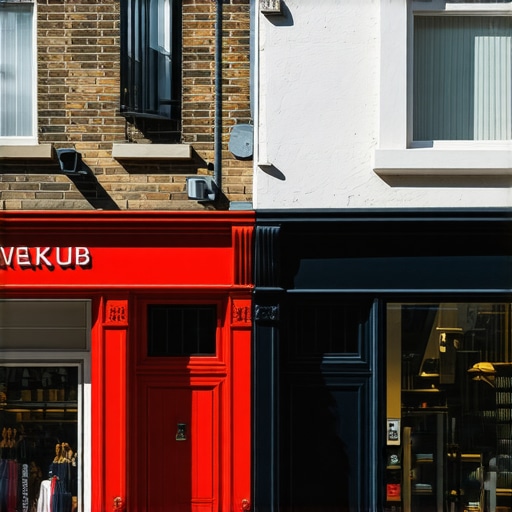
I remember walking into a colossal, sterile conference room in a global coworking giant. It felt like stepping into a warehouse, all cold glass and echoing silence. We were about to pitch our startup, but instead of feeling inspired, I was overwhelmed by the impersonal atmosphere—the kind of place that sucks the energy right out of you. That moment struck me: why are so many founders choosing these massive, generic spaces over the intimate charm of boutique venues?
The Shift Toward Boutique Environments: More Than Just a Trend
What’s really driving entrepreneurs to seek out smaller, carefully curated spaces instead of the sprawling chains? It’s simple—they want to foster genuine connections, spark creativity, and project a professional image that feels authentic. Imagine hosting an investor meeting or a product launch in a boutique space tailored to your brand’s personality. It’s not just about aesthetics; it’s about creating an environment where your team and clients feel valued and inspired.
Now, I’d like to share a little secret: early in my journey, I made the mistake of signing a lease in a massive chain without checking its vibe or amenities. The space was bland and uninspiring, and it ultimately stifled my team’s creativity. Looking back, that was a costly oversight, but it taught me a vital lesson—choices in workspace matter more than most realize.
If you’ve ever wondered whether opting for a boutique space could truly impact your startup’s growth, you’re not alone. Today, we’ll explore what makes these intimate venues so appealing and how they can be a game-changer for your business.
Identify Your Core Needs for a Meeting Space
Start by listing what your startup requires: capacity, technology, atmosphere, and location. For example, if you need to impress investors, prioritize professional aesthetics and privacy. Recall the time I hosted a crucial pitch in a bright, stylish boutique conference room; it made my presentation more compelling and eased my nerves. Clearly defining needs helps filter options effectively.
Research and Select the Right Venue
Use online platforms to compare boutique coworking spaces or specialized venues. Focus on spaces with a good reputation for hosting startup meetings. For instance, I used this guide to choose an environmentally friendly space that aligned with my company’s values. Look for reviews, visit the venue if possible, and check for amenities like high-speed Wi-Fi, soundproofing, and tech support.
Inspect the Space for Specific Features
Before booking, verify that the room has the necessary technical equipment: large screens, conference calling capabilities, adaptable furniture. I once booked a room that lacked reliable internet, causing delays and frustration during a pitch. Ensuring your venue is equipped prevents such setbacks.
Customize the Environment to Your Brand
Arrange furnishings, branding elements, and decor to reflect your company’s identity. The time I brought branded materials and set up a relaxed seating area transformed the space into an extension of our team culture. This personal touch helps foster authentic connections and boosts confidence during meetings.
Set Clear Goals and Agendas for Each Meeting
Have specific objectives to maximize productivity. Send agendas beforehand and define desired outcomes. In my experience, a well-prepared meeting, with allocated time for each topic, kept discussions focused and efficient, especially in intimate venues that encourage interaction. This approach ensures your team stays aligned and makes the most of the boutique environment.
Leverage the Space for Creative Collaboration
Use the venue’s features to encourage brainstorming and teamwork. For example, I utilized whiteboards and flexible seating to facilitate idea generation during a product ideation session. Boutique spaces often offer informal rooms that spark innovation—capitalize on these to generate fresh ideas more freely than in sterile conference centers.
While many entrepreneurs assume that choosing a fancy or popular coworking space automatically guarantees productivity and innovation, this overlooks nuanced pitfalls that can undermine your success. One common misconception is that bigger and more well-known venues are always better; however, they often come with constraints like overcrowding, noise, and impersonal environments that stifle creativity. In contrast, *smaller, thoughtfully selected boutique venues* tend to foster more meaningful connections and tailored experiences, but only if you avoid the trap of misalignment with your unique needs. An often-overlooked nuance is the importance of understanding your specific workflow: a space offering state-of-the-art tech might seem appealing, but if it hampers informal collaboration or feels out of sync with your team culture, productivity suffers.
How can you ensure your meeting environment boosts collaboration without falling into the trap of superficial amenities?
Research shows, as per a Harvard Business Review study, that psychological comfort and cultural fit in physical spaces directly impact team performance and innovation levels. Therefore, beyond surface features like decor or tech specs, focus on how the space makes your team feel and how it encourages spontaneous idea exchange. Avoid common mistakes such as over-reliance on external appearance or mimicking trendy setups without assessing actual functionality and compatibility. Instead, prioritize spaces that can be customized to reflect your brand and support your specific meeting formats—be it brainstorming, client pitches, or strategic planning sessions. Discover innovative meeting rooms that align with your startup’s vision and avoid costly missteps. Remember, a well-chosen environment doesn’t just look good in photos; it amplifies your team’s potential. Have you ever fallen into this trap? Let me know in the comments.Maintaining an efficient and inspiring workspace is crucial for sustainable growth in your startup. To keep your meeting rooms and coworking environments functioning optimally, invest in reliable tools and establish consistent routines. One tool I personally swear by is Logitech MeetUp, a compact, high-quality video conferencing camera that integrates seamlessly with platforms like Zoom or Microsoft Teams. I use it daily to ensure clear visuals and crisp audio during remote meetings, which minimizes misunderstandings and builds trust with clients and team members.
Another essential is a digital whiteboard system like Miro or MURAL. These allow real-time collaboration and keep brainstorming sessions dynamic, even when team members are remote. Regularly updating your tech stack ensures your environment adapts to evolving needs; for instance, scaling your tools as your team grows prevents bottlenecks and maintains high productivity levels.
Establishing standard operating procedures for meeting room booking, equipment upkeep, and cleaning routines keeps the space running smoothly. Leveraging software like Robin or Teem for scheduling and resource management can streamline the booking process, reducing conflicts and downtime. Routine cleaning and technical checks should be scheduled weekly to prevent equipment failures that can derail meetings. This proactive approach prolongs your furniture and tech investments, saving costs in the long run.
Looking ahead, I believe the trend is moving toward smarter, more connected workspaces that adapt to the flow of work automatically. Integrating Internet of Things (IoT) sensors for occupancy and environmental monitoring will become standard, allowing you to optimize lighting, climate, and acoustics in real-time, thus enhancing comfort and productivity. For now, focus on implementing these tried-and-true tools and routines. A simple but powerful step is adopting a comprehensive booking system—it can drastically reduce scheduling chaos and make your space more user-friendly. Try integrating one of these systems today and watch how your workspace becomes a well-oiled machine that supports your startup’s growth.
Lessons Hidden in Plain Sight
- One of the most overlooked lessons is that the vibe of your meeting space can make or break your pitch—more than just aesthetics, it’s about how the environment influences confidence and openness. I’ve seen startups land big deals simply because they chose a space that echoed their brand’s spirit.
- Don’t fall into the trap of assuming bigger is always better. An intimate, thoughtfully curated boutique venue often fosters more genuine connections and creative sparks than overpopulated chain spaces. Small environments with intentional design create a ripple effect of productivity and trust.
- Choosing a space that aligns with your company’s values amplifies your message. When I personalized our workspace with branding and flexible setups, our team’s energy skyrocketed, and clients sensed our authenticity—something no corporate chain can replicate.
My Go-To Tools for the Perfect Meeting Environment
- Logitech MeetUp: I trust this compact camera for crystal-clear remote collaborations, making even virtual participants feel present. It’s essential for maintaining connection in today’s hybrid landscape.
- Miro and MURAL: These digital whiteboards revolutionized brainstorming, turning remote sessions into dynamic, creative powerhouses. They’re my secret weapon for engaging every voice in the room.
- Robin and Teem: Streamlining space management and bookings with these tools minimizes chaos and ensures your meeting environment is always ready when you are. They’re worth investing in to keep your workflows smooth.
Trust the Process and Your Space Will Trust You
Remember, creating a workspace that fuels your team’s potential isn’t about following trends but about embracing what truly resonates with your startup’s identity. Be intentional, invest in reliable tools, and treat your environment as an extension of your brand. The right space amplifies your message, nurtures innovation, and can accelerate growth in ways you never imagined.