
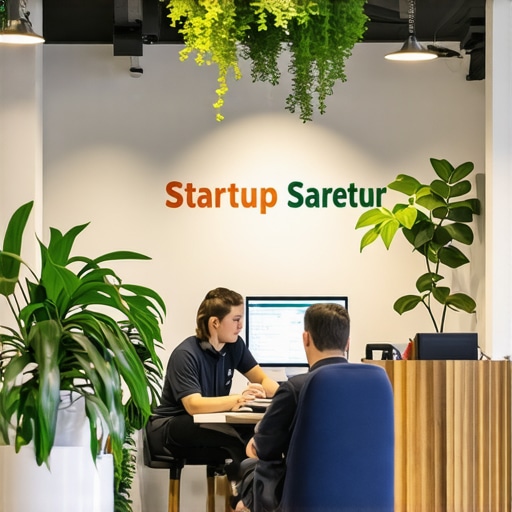
It was a morning like any other, yet I vividly remember the sinking feeling when I realized that our tiny startup’s first client walk-in looked more like a visit to a cluttered garage rather than a polished business meeting. That quick glance over our makeshift workspace cast doubt not only on our professionalism but also on our potential to impress and grow. Have you ever faced a moment where your environment whispered your company’s story before you even had a chance to speak? It’s a common struggle, especially for small teams trying to make a big impression with limited resources.
Why First Impressions in Business Matter More Than Ever
In today’s competitive landscape, a professional image isn’t just a nice-to-have; it’s essential. According to a study by Harvard Business Review, first impressions are formed within milliseconds, and they can significantly influence your chances of sealing a deal or landing new clients. For tiny startups, every detail counts—from your pitch to your physical space. An unkempt or informal setting might send unintended signals that you’re not serious or prepared, even if that’s far from the truth. I’ve been there, making early mistakes like neglecting the way our meeting rooms looked, assuming clients would overlook the surroundings. Next thing I knew, many conversations stalled before they even began. I learned the hard way that investing in a presentable and professional environment can exponentially boost your credibility.
Is Buckling Down Worth the Cost When You’re Just Getting Started?
Traditionally, many small teams think, “We’ll get to the fancy office once we’re bigger.” But waiting often delays your momentum. The truth is, creating a professional image doesn’t mean you need a Fortune 500 budget. Simple upgrades—like choosing the right coworking space or optimizing your conference rooms—can make an enormous difference. In fact, several startups have transformed their perception by https://coworkingcentral.com/startup-success-secrets-choosing-the-perfect-conference-room-at-0817-am, realizing that a professional environment is a catalyst for growth.
A mistake I made early on was assuming that how we looked didn’t matter, which led to missed opportunities. Small details such as proper lighting, branding, and a clean, organized meeting space can swing perceptions and open doors that otherwise stay closed. So today, I’ll share how focusing on your professional image, especially your conference rooms, can turn your startup into a magnet for clients, investors, and talented team members alike. Ready to move beyond the DIY workspace and craft a professional scene that screams competence? Let’s dive into the practical steps that can transform your startup’s presence—starting now.
Set Clear Objectives for Your Space
Begin by defining what professionalism means for your startup. Is it sleek branding, clean organization, or high-tech equipment? Clarify these goals with your team to create a focused blueprint. I once aimed for a ‘modern meets functional’ vibe, which led us to select minimalist furniture and a neutral color palette—making our meetings appear more authoritative immediately.
Select the Right Location
Choosing a location is like picking the perfect stage for a performance. Look for a space with good visibility, accessibility, and enough room for your team and clients. I recommend exploring co-working spaces that cater to startups—these often provide flexible options and professional environments that can be tailored to your needs.
Optimize the Layout and Design
Your conference room should foster engagement and reflect your brand identity. Use comfortable, ergonomic furniture, and arrange seating to promote conversation. Adding a branded backdrop or wall art can boost brand recognition and set a professional tone. I once arranged a layout that encouraged open dialogue, which significantly improved client interactions and internal brainstorming sessions.
Invest in Quality Technology
Reliable audiovisual equipment transforms your meetings. Prioritize high-definition cameras, clear microphones, and fast Wi-Fi. This tech setup ensures smooth presentations and seamless remote participation. I learned this the hard way when a poor microphone caused miscommunication during a critical client pitch—since then, I’ve focused on tech upgrades that pay dividends.
Maintain Cleanliness and Organization
Never underestimate the power of a tidy space. Establish a routine for cleaning and organize supplies for quick access. This habit conveys professionalism and respect for your guests’ time. I recall a time I neglected this and hosted a potential investor in a cluttered room—the first impression was a challenge to recover from.
Enhance Ambiance with Lighting and Acoustics
Lighting sets the mood. Use a mix of natural light and adjustable LEDs to create a welcoming atmosphere. For acoustics, consider soundproofing options or soft furnishings to dampen echo. I once installed hanging panels that improved audio quality during back-to-back meetings, making everyone feel more comfortable and focused.
Incorporate Branding Elements
Display your logo, color scheme, and mission statement strategically within the room. This not only reinforces your identity but also impresses clients. I added subtle branding on your conference table and wall decals that subtly matter more than you think—affirming your professionalism without shouting.
Utilize Effective Signage and Visual Aids
Clear signage prevents confusion and guides visitors effortlessly. Use professional signs for directions and digital displays for presentations. Once, during a client walkthrough, well-placed signs eased navigation and projected an organized image, helping clinch a deal.
Upgrade Regularly and Gather Feedback
Your space should evolve with your startup. Regularly update decor, tech, and furniture based on feedback. I once sent out a survey and discovered that adding a whiteboard drastically improved our collaborative sessions, leading to more dynamic meetings and quicker decision-making.
Many founders believe that simply having a designated meeting room or a stylish coworking space automatically boosts their startup’s professionalism and productivity. However, this common myth overlooks critical nuances that can determine true success. In my experience, one of the biggest pitfalls is assuming that quality space alone guarantees effective collaboration or positive impressions. The reality is, many startups invest heavily in aesthetics or technical gadgets but neglect how their environment influences team behavior and stakeholder perceptions. For instance, having the newest conference table or high-end tech won’t matter if the layout hampers communication or causes discomfort during long meetings. As emphasized by experts in workplace design, space efficiency and psychological comfort are more impactful than mere visual appeal.
Are All Coworking Spaces Created Equal for Startups?
Not at all. A common misconception is that any coworking environment suits early-stage companies. In reality, some spaces may foster distraction, dilute your brand identity, or lack the essential amenities for high-stakes meetings. For example, a vibrant open-plan like those described in top innovation spaces can stimulate creativity, but might also introduce noise and interruptions detrimental to concentration during critical client pitches or financial reviews. Choosing the right space involves assessing not just aesthetics but also acoustics, privacy options, and technological reliability. Avoid falling into the trap of equating quantity with quality; instead, focus on spaces designed for focused work and secure client interactions.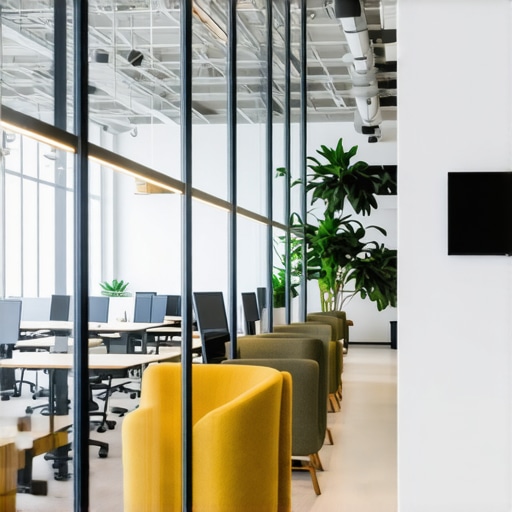
Understanding the nuances of space design and environment quality is vital. The hidden risk many overlook is that improper space selection can harm your startup’s credibility far more than an outdated logo or a casual dress code. An advanced consideration involves how room layouts influence team dynamics, decision-making speed, and overall engagement. As studies show, well-structured environments lead to better collaboration and innovation. So, when planning your next meeting or workspace upgrade, prioritize strategic fit over superficial appearances. Want more insights? Check out this guide on optimizing conference rooms or explore innovative room designs that foster creativity. Have you ever fallen into this trap? Let me know in the comments.Maintaining an efficient and professional environment for your startup’s meetings and coworking spaces is essential for long-term success. As your team grows, so does the complexity of managing room bookings, tech setups, and ambiance—making the right tools indispensable. I personally rely on a combination of smart scheduling software like Calendly, integrated with room management systems such as Robin, which streamlines booking processes and reduces conflicts. These tools automatically sync with your team’s calendars, ensuring that everyone knows when and where meetings occur without endless email chains.
For tech, I recommend investing in high-quality wireless presentation systems like the ClickShare, which allows seamless screen sharing without the hassle of cables. This setup has drastically cut down setup times and enhanced professionalism during client presentations. Additionally, a reliable Wi-Fi router with enterprise-grade security, such as the Cisco Webex, safeguards your data and ensures everyone stays connected. Over time, these tools prove their worth by minimizing technical disruptions, which can be costly and embarrassing in critical meetings.
Long-term results depend on consistency and adaptability. Regularly updating your scheduling and AV equipment, and actively gathering feedback from team members and clients, helps you identify evolving needs. For instance, many startups underestimate the importance of acoustic management; adding soundproof panels or white noise machines can markedly improve call clarity and meeting quality. As the startup ecosystem evolves, expect a trend toward AI-powered room management that anticipates booking needs and adjusts environmental controls automatically—technology that is just around the corner.
How do I keep my tools and environment running smoothly over time? The key lies in creating a routine—schedule quarterly audits of your equipment, stay proactive with software updates, and maintain open communication for feedback. Connecting with a dedicated space provider, like through [this contact page](https://coworkingcentral.com/contact-us-2), can also offer tailored support. My tip: start by integrating a smart scheduling system today. It’s a game-changer for reducing double bookings and unnecessary downtime, freeing your team to focus on what truly matters—growing your startup. Ready to upgrade? Explore options like Robin for room management or consider investment in next-gen AV tech, and watch your meetings transform from necessary chaos into well-oiled sessions.
Throughout my entrepreneurial journey, I uncovered that the most overlooked aspect of creating a professional startup image isn’t flashy branding or cutting-edge tech—it’s the environment where critical conversations unfold. Small tweaks in your conference room setup, lighting, and organization can leapfrog your credibility and foster partnerships that propel your business forward. The aha moment? I realized that investing intentionally in your workspace isn’t a cost but a powerful catalyst for growth and trust.
Lessons The Hard Way: Small Details Matter
- Don’t underestimate the power of ambiance: Setting the right mood with lighting and acoustics has transformed my meetings from mundane to memorable. Thoughtful touches like adjustable lights or soundproofing can make your space feel more inviting and professional.
- Stand out with branding: Subtle logo placements and consistent color schemes create a lasting impression. I learned that even minor branding elements woven into your space reinforce your identity without overwhelming.
- Tech is your friend, not your foe: Reliable AV equipment and seamless connectivity avoid embarrassing moments. I once faced a disastrous presentation due to poor tech, which taught me to prioritize quality in all technical aspects.
- The environment influences behavior: An organized, clean space encourages clarity and confidence. Over time, I realized that clutter and disarray can subtly undermine your authority before you even start speaking.
- Adaptability wins: Regular updates based on team feedback keep your facilities aligned with evolving needs. For example, adding sound-absorbing panels improved call quality and focus for everyone.
My Arsenal of Startup Space Hacks
- Expert tips on selecting the right conference space—Trust their comprehensive guidance to avoid common pitfalls.
- Productivity boosters for meeting rooms—Implement these strategies to make every meeting count.
- Innovative ideas to turn spaces into collaboration hubs—Transform dull rooms into vibrant innovation centers.
- Cutting-edge tech essentials—Leverage smarter tools that streamline your meetings and impress stakeholders.
Seize the Opportunity to Lead with Your Environment
Creating a professional, inviting startup space isn’t just about aesthetics—it’s a strategic move that signals your seriousness and foresight. As your startup scales, these environment enhancements compound, opening doors to investors, clients, and talent eager to work with a team that values excellence from the first handshake. The next step? Dive into tailored solutions and make your workspace an asset, not an afterthought. Want personalized recommendations? Feel free to reach out here.
The Key to Startup Success Lies in Your Environment—Are You Ready to Elevate?
Don’t let a subpar space be the reason opportunities slip through your fingers. Small, intentional changes today can set the tone for your entire company’s future. Ready to upgrade your meeting environment and impress at every turn? Your next big breakthrough might just depend on the space where you choose to host it.
What’s the biggest obstacle you’ve faced in perfecting your startup’s meeting space? Share your experiences below—I’d love to hear!
,