
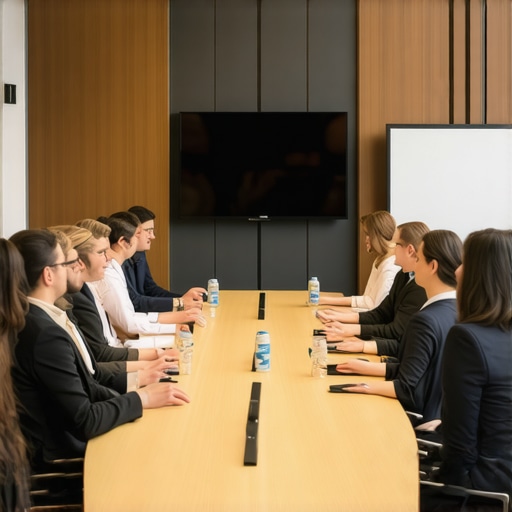
I remember the first time we held a board meeting in the same cramped, echoey conference room we’ve used for years. Tension was thick; the walls seemed to close in with every raised voice and uncomfortable silence. It hit me—this space, familiar and traditional, wasn’t just hosting our meetings; it was subtly shaping our decisions. That realization was a lightbulb moment for me, making me question if our environment was truly serving us or subtly sabotaging our progress.
Breaking Free from the Conference Room Cage
Many startups and teams cling to their familiar conference rooms, believing that familiarity breeds efficiency. But in reality, the space we sit in during high-stakes discussions can influence our mindset, openness, and even the outcomes. I found that moving our board meetings to a neutral space—away from the usual environment—helped us see things more clearly and fostered genuine collaboration. Interestingly, according to a report from Harvard Business Review, physical environment changes can significantly boost team innovation and problem-solving abilities. It made me wonder: are we unintentionally limiting our growth with outdated meeting spaces? I’ll walk you through the reasons behind this shift and how you can implement it in your own team. If you’ve ever felt that your meetings lack energy or decisive momentum, you’re not alone. Now, let’s explore how a simple change of environment can unlock new levels of performance.
Is Your Fear of Change Justified? Don’t Let Skepticism Block Growth
Early on, I made the mistake of dismissing the impact of our surroundings—believing that the content mattered more than the setting. That was a costly oversight. If you’re hesitant about stepping out of your usual meeting environment, consider this: a neutral space can eliminate biases tied to your regular office setup, promote equal footing, and even reduce power dynamics. Moving forward, I’ll show you how to overcome common doubts and set the stage for more productive, innovative board meetings. Are you ready to rethink your meeting spaces and see genuine results? Stay with me, because what’s coming next could be a game-changer for your team’s collaborative spirit and decision-making prowess.
Choose New Environments Deliberately
Start by selecting a setting that breaks the routine. Think of your usual conference room as a stagnant pond—moving to a nearby coworking space or an outdoor venue can act like a fresh stream, invigorating the team’s mindset. Last month, I took my team to a nearby park for a quick brainstorm session. We lost track of time, and the relaxed atmosphere sparked ideas that had been bottled up in our regular office. To replicate this, identify spaces that are accessible yet distinct from your daily surroundings, and book them for upcoming meetings.
Leverage Alternative Spaces for Different Meeting Types
Use the environment to match the meeting’s purpose. For strategic planning, opt for an off-site venue like a quiet cafe corner or a creative coworking lounge, which can stimulate fresh thinking. For routine updates, your standard conference room might suffice, but consider adding visual aids or whiteboards to boost engagement. When I planned a product kickoff, I chose a creative coworking space known for its innovation-friendly design, which noticeably increased team enthusiasm and idea flow. Explore various creative coworking spaces to find a fit that enhances your team’s output.
Redesign Your Meeting Setup
Rearrange the furniture to foster equality and participation. Move away from a fixed, hierarchical layout toward circular or U-shaped arrangements where everyone sees each other. I once hosted a cross-functional team meeting in a rectangular room, but after rearranging chairs into a circle, I noticed increased dialogue and shared ownership of ideas. Use portable whiteboards or flip charts to facilitate spontaneous collaboration. For tech-heavy presentations, ensure your equipment is compatible and easily accessible—testingspeed and reliability are crucial. Want to optimize your visual presentation? Check out ways to boost productivity in conference rooms.
Incorporate Creative Elements
Add visual stimuli or interactive tools to keep energy high. Hang inspiring posters, set up mood lighting, or bring in physical prototypes for hands-on engagement. During a recent workshop, I introduced a DIY station where participants built quick prototypes, which not only broke the ice but also generated practical insights. A well-chosen environment with creative components can turn a mundane meeting into an innovation session. For more ideas, see innovative meeting room features.
Establish the Routine for Space Switching
Make space-shifting a regular practice rather than a one-off stunt. Create a calendar of varied meeting locations, and inform your team about upcoming changes to build anticipation and adapt smoothly. I scheduled a monthly off-site meeting, rotating between different venues, which gradually boosted team cohesion and openness. When done consistently, this habit prevents meetings from becoming stale and maintains a fresh perspective. For guidance on managing this transition, review the checklist for moving teams into new hubs.
**By deliberately selecting and redesigning your meeting spaces, you can unlock your team’s creative potential and make every discussion more impactful. Remember, environments aren’t just backdrops—they’re powerful tools that shape how ideas evolve and decisions are made.Many assume that choosing a conference room or coworking space is merely a logistical decision, but in reality, there are nuanced pitfalls that can undermine your startup’s growth. One common myth is that bigger or more high-end spaces automatically boost productivity. However, a study published in the Harvard Business Review highlights that the environment’s psychological impact often outweighs physical size, affecting creativity, collaboration, and overall morale. Relying solely on upscale amenities without considering how the space influences team dynamics can lead to underwhelming results.
Another advanced mistake is ignoring the subtle social cues embedded within meeting environments. For example, a poorly designed layout might inadvertently reinforce hierarchy, discouraging open dialogue. Circular arrangements promote equality, but only if they also foster visual and verbal engagement. Always question if your space inadvertently creates barriers to interaction.
Beware of the trap of static environments—many startups get comfortable with their initial choice of a coworking hub or conference room and neglect to reassess whether it still serves their evolving needs. As companies scale, the environment that once fostered innovation may become a hindrance, especially if it lacks features like private zones for deep work or soundproof booths for confidential calls. Regularly re-evaluate your space, as suggested in our article on maximizing startup productivity.
Playing into misconceptions can also lead to overlooking the importance of environmental cues. For instance, some believe that technological sophistication compensates for poor acoustics. But, as experts warn, bad acoustics impair focus and communication—an often overlooked yet critical aspect. Investing in soundproofing or quality audio equipment pays dividends in clarity and efficiency.
Most importantly, many startup founders underestimate the significance of intentional design choices. Every color, lighting, and furniture element influences mood and behavior. An article on creative coworking environments demonstrates how intentional decor can energize teams. Avoid falling into the trap of defaulting to familiar but ineffective setups; instead, leverage deliberate design for strategic advantage.
Have you ever fallen into this trap? Let me know in the comments.Keeping your conference rooms and coworking spaces optimized over time requires more than initial setup; it demands strategic tools and consistent attention. One of my favorites is MuteItAll Pro, a software I personally use to manage background noise during virtual meetings, ensuring clarity regardless of location. It allows me to quickly silence distractions and focus on the conversation, which is essential for maintaining professionalism in remote or hybrid setups. For physical environment control, I rely on SmartClimate Systems, which automatically adjust temperature and humidity, preserving a comfortable atmosphere that boosts productivity over days and weeks.
To track and improve meeting efficiency, I utilize this productivity analytics tool. It helps identify choke points in your meeting routines, so you can refine your approach continuously. Remember, tools are only effective when integrated into a routine. I schedule monthly reviews of our space technology and environment, making small adjustments based on team feedback.
As for scaling, investing in modular furniture and flexible tech infrastructure—like portable whiteboards and wireless presentation units—allows your environment to adapt as your team grows. An example I’ve seen work well is the FlexSpace modular furniture system. These enable quick reconfigurations, fostering innovation spaces for new team members or projects.
Predicting future trends, integrated IoT devices will become more prevalent, enabling real-time environment adjustments and insightful analytics. Companies that adopt these early will stay ahead in creating productive, scalable meeting environments.
How do I maintain my workspace environment continuously?
Regular upgrades and audits are key. I set quarterly check-ins to assess whether our tools and physical setups still serve our goals. For example, upgrading to the latest noise-canceling tech or rethinking room layouts based on recent team feedback keeps the environment fresh and conducive to collaboration. Also, staying informed on innovations through resources like projectors and connectivity management helps preempt issues before they disrupt your meetings.
Lastly, fostering a culture of feedback ensures your environment evolves with your team’s needs. Encourage team members to suggest improvements or report discomforts, and act on these insights promptly. Implementing these practices turns a static space into a dynamic asset for your startup’s ongoing success.
Over the years, I’ve realized that the environment where we hold our meetings plays a critical role in shaping outcomes and fostering innovation. Initially, I believed that functionality and amenities were enough, but my experiences taught me that spatial psychology and deliberate design are game-changers. The most unexpected lesson was discovering how small tweaks—like rearranging furniture or choosing an off-site location—can transform the entire dynamic of a startup team.
Another insight I gained is that persistent comfort with traditional conference rooms can inhibit fresh perspectives. Challenging the status quo by integrating creative elements and alternative spaces often unlocks hidden potential. And, surprisingly, embracing change has often led us to more decisive and dynamic decision-making, moving beyond the habits that kept us stagnating.
Finally, I learned that ongoing assessment and involvement from the team are vital. Regularly soliciting feedback and experimenting with environments ensures your meeting spaces evolve with your startup, continually supporting growth rather than hindering it. These lessons are not just about space—they’re about cultivating a mindset that values innovation, adaptability, and intentionality in every facet of your startup culture.