
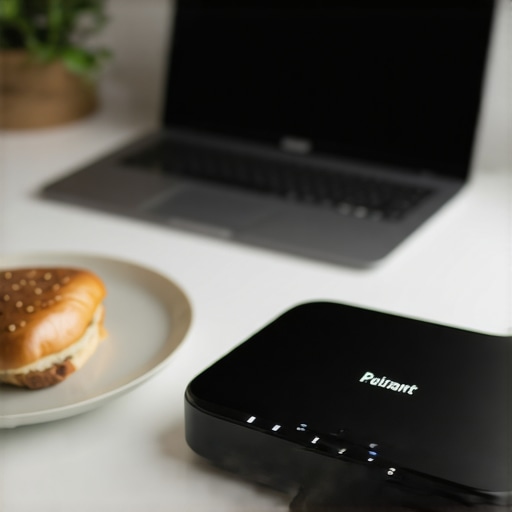
I’ll never forget the afternoon I nearly lost our biggest contract because I was too focused on the catering menu. We had the potential clients in the room, the scent of expensive organic coffee was in the air, and a stack of artisan pizzas sat on the side table. But the moment I hit ‘play’ on our prototype video, the screen turned into a pixelated mess and then froze entirely. It was humiliating. I sat there in the silence, face turning red, realizing I had prioritized the “vibe” over the actual work. I’d fallen into the trap of thinking that a happy team is just a fed team, completely ignoring the fact that a frustrated team staring at a spinning loading wheel is far worse off. That was my lightbulb moment: we were spending thousands on perks that lasted twenty minutes while our digital backbone was crumbling. In this post, I’m going to walk you through why we fundamentally shifted our budget away from surface-level extras and toward the infrastructure that actually keeps a business alive. We are going to dismantle the myth that free snacks build culture and look at why enterprise-grade connectivity is the only amenity that truly moves the needle for a growing company. 
Your burn rate is hiding in the buffer wheel
Early on, I made the classic founder mistake of over-indexing on office “extras” to keep morale high. I genuinely believed [the truth about free perks you never actually use](https://coworkingcentral.com/the-truth-about-free-perks-you-never-actually-use-2) was a warning for other people, not me. But the reality hit hard when our dev team started staying late—not because they were inspired, but because they were waiting for 5GB uploads to finish on a consumer-grade router. According to a report by Sandvine, high-quality video conferencing and cloud-based collaboration tools can consume massive amounts of data per hour, making enterprise-grade bandwidth a non-negotiable for modern teams. When your connection stutters, your progress stops. I finally saw [the hidden drag of slow office wi-fi on your burn rate](https://coworkingcentral.com/the-hidden-drag-of-slow-office-wi-fi-on-your-burn-rate) first-hand when we calculated the cost of engineering hours lost to lag. We eventually had to learn [how to save money on office amenities your team doesn’t use](https://coworkingcentral.com/how-to-save-money-on-office-amenities-your-team-doesnt-use-2) just to afford the dedicated fiber line that saved our sanity. Have you ever had a high-stakes pitch ruined by a “No Internet Connection” icon? It’s a wake-up call you don’t forget.
Is free lunch actually hurting your team’s focus?
It sounds a bit backwards, doesn’t it? Everyone loves a free taco Tuesday. However, when we looked closely at our productivity cycles, the midday “food coma” combined with the inevitable tech glitches from our overloaded network was killing our momentum. We realized that [why your pitch deck won’t save you from a noisy meeting space](https://coworkingcentral.com/why-your-pitch-deck-wont-save-you-from-a-noisy-meeting-space) or a dropped signal is because these technical failures erode trust faster than a good meal can build it. Investing in the best possible tools and connection isn’t just a tech choice; it’s a respect choice for your team’s time. I’m going to show you exactly how to audit your space to ensure your infrastructure matches your ambition.
Stop guessing and start auditing your environment
To move away from the ‘vibe-first’ trap, you have to look at your workspace as a tool, not a benefit. I spent months trying to figure out why my team was burnt out, thinking I needed better coffee beans. The reality was much simpler: our physical environment was creating friction at every turn. I remember one specific Tuesday when I was trying to pitch a Series A lead from a corner cafe because our office internet had died again. The barista started steaming milk right as I got to the financial slide, and my hotspot dropped the connection entirely. I didn’t get the follow-up call. That was the day I realized why startups fail when they isolate in home offices or unreliable ‘cheap’ spaces. You need to perform a friction audit. Document every time a call drops, every time a meeting room is double-booked, and every time someone has to leave the room to find a quiet spot. If those numbers are higher than zero, your current setup is costing you more than a premium membership ever would.
Ditch the home office when the stakes get high
There is a psychological shift that happens when you move into a space designed for work. When we were remote-only, I noticed our brainstorming sessions felt flat. Zoom is great for status updates, but it’s a creativity killer for high-stakes strategy. We found that how to host a product demo that looks professional on a budget often starts with just being in a room where you aren’t worried about your neighbor’s lawnmower. If you are still operating out of a basement, you are likely suffering from a lack of professional separation. Transitioning to a dedicated hub isn’t about ego; it’s about providing your team with the mental permission to focus. 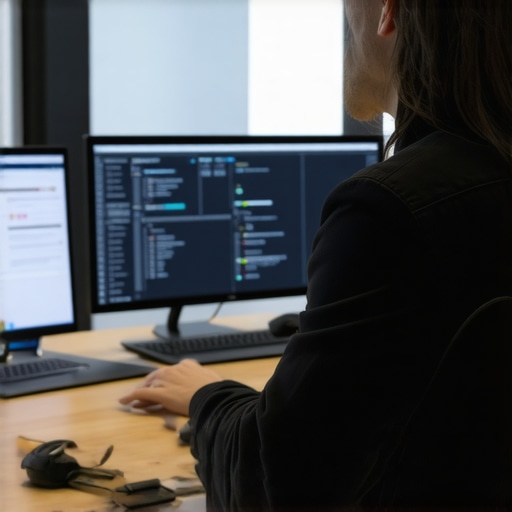
Look for the tech specs that actually matter
When you are vetting a new space, stop looking at the wallpaper and start looking at the ports. I’ve toured dozens of flashy coworking spots that had beautiful mid-century modern furniture but zero integrated tech. You need to know how to find a conference room that actually has working adapters before you sign anything. During our last move, I brought a laptop and a test file to every tour. I would plug into the monitors, run a speed test, and check the signal strength in the corners of the room. It felt overkill until we found a space where the ‘high-speed’ internet was actually throttled to 10Mbps.
Check the acoustics before you hit record
If you’re doing client work or investor pitches, sound is your biggest liability. I’ve seen million-dollar deals falter because the ‘private’ room had glass walls that echoed like a canyon. You have to ensure the acoustics test every conference room should pass is part of your checklist. Walk into the room, clap your hands once, and listen for the ring. If the echo lasts more than a half-second, your clients will struggle to hear you on the other end of a video call. It is also vital to how to pick a meeting room that doesn’t smell like old carpet or dampness, because physical comfort is the silent partner in every successful negotiation. Infrastructure is about removing distractions so the work can finally speak for itself.I spent years thinking that “flexibility” was just another word for “freedom.” We bought into the marketing hype that every employee should be able to sit anywhere at any time to foster serendipitous collisions. However, here is the contrarian truth I learned the hard way: if your team doesn’t have a dedicated home base, they spend more mental energy on daily logistics than on actual logic. We fell for the flexibility trap and quickly realized the truth about hot desking is it actually a productivity killer for teams that need deep, focused work. When your engineers are constantly hunting for a power outlet or a quiet corner away from the coffee machine, you aren’t being agile; you’re just wasting billable hours.
Can you actually maintain a ‘war room’ mentality in a shared building?
This is where most founders get it wrong. They book a standard conference room for a high-stakes strategy session and wonder why the energy feels corporate and stale. There is a massive difference between a standard meeting room and a real war room. A true war room is a persistent space where you can leave your sticky notes on the wall and keep your logic models visible overnight. According to a study by the University of Sydney, workers in open-plan offices or shared environments often suffer from a severe lack of “sound privacy,” which significantly hampers cognitive performance and long-term memory retention. If you are discussing your next round of funding or a sensitive technical pivot, you need to know how to keep your startups trade secrets safe in a public lounge or, better yet, move those conversations behind truly soundproof doors that offer more than just visual privacy. 
Stop letting aesthetic walls leak your secrets
Don’t fall into the “oops” factor of the aesthetic trap. I’ve seen dozens of beautiful spaces that look like they were ripped from an Instagram feed but offer zero functional utility. We once hosted a board meeting in a room with artistic slat walls that looked stunning but allowed every person in the communal kitchen to hear our exact burn rate projections. It was a humiliating realization that taught me to prioritize decibel ratings over trendy decor. If you find your team is constantly drained after a day in the office, it might not be the workload itself; it could be the real reason your team is suffering from zoom fatigue—the constant sensory overstimulation of a space designed for looks rather than labor. Have you ever fallen into this trap of choosing style over substance? Let me know in the comments.
Build a tech stack that doesn’t break when you leave the room
Once we realized that ‘pretty’ didn’t pay the bills, we went into full-on geek mode. I stopped looking at the brand of the sofas and started looking at the serial numbers on the access points. We eventually invested in a Ubiquiti UniFi ecosystem because it allows for seamless handoffs between meeting rooms. There is nothing worse than walking from your desk to a conference room and having your connection drop for five seconds—that’s exactly the hidden drag of slow office wi-fi on your burn rate that drains productivity without you even noticing. I also swear by the Jabra PanaCast for video; the 180-degree field of view means nobody is squeezed out of the frame during a big pitch. If you are regularly hosting digital events, you need to master how to host a webinar without background noise or connection drops by using dedicated hardware rather than just relying on a laptop mic.
How do I keep our systems running without an IT degree?
The secret is a recurring Monday morning audit. We use a simple Notion template that covers everything from checking the HDMI adapters to testing the mesh nodes. It’s basically the checklist for a boardroom that doesn’t feel like a hospital. If you aren’t doing this, you are just waiting for a disaster to happen during a demo. According to the IEEE 802.11ax-2021 amendment, which governs Wi-Fi 6, the focus in modern networking has shifted from theoretical peak speeds to average throughput per user in high-density environments. This means your ‘high speed’ home router is useless when fifteen engineers are all pushing code at once. If your router can’t handle that airtime fairness, your team will suffer. 
Scaling up means knowing when to stop sharing
As we moved from 3 to 15 people, we realized the move that helped us scale from 3 to 15 people in six months required us to move into a private suite within the hub. This gave us the privacy we needed for deep work while still allowing us to walk out the door and realize why small talk at the printer is the most valuable part of your day. Looking ahead, I predict the future of conference rooms in startup ecosystems will be entirely driven by occupancy sensors that automatically adjust lighting and noise cancellation based on the number of people in the room. We’re already seeing the start of this with smart-glass that frosts over the moment a meeting starts. To keep things lean, remember why your startup doesn’t need a dedicated receptionist yet—use a digital visitor management system like Envoy instead. It’s cheaper, faster, and never takes a lunch break. If you want to see a real change in your output, I challenge you to run a packet loss test during your next team-wide call. If it’s over 1%, your hardware is failing you. Go fix it.
The Hard Truths I Learned After Chasing Vibes Over Velocity
I realized that a happy team is one that doesn’t have to think about their environment. If they are talking about the coffee, it’s usually because the internet is too slow to talk about the work. Here are a few things I’ve learned about the truth about membership perks and what you actually need to succeed.
- Reliability is the greatest perk: A stable connection beats a free kombucha tap every single time. Your engineers will thank you more for a consistent 5ms ping than a beanbag chair.
- Acoustics define your professionalism: If you sound like you’re in a bathroom during a pitch, investors will assume your product is just as hollow. Professional-grade innovative meeting rooms that boost startup creativity often start with sound-dampening materials, not just whiteboards.
- Convenience is a productivity trap: Just because a space is close to home doesn’t mean it’s the right place to build a legacy. You need the tools that exist in high-tier startup success secrets for choosing the perfect conference room to really compete.
#IMAGE_PLACEHOLDER_E#
My Personal Toolkit for a Frictionless Office
Building a workspace that works for you requires a few non-negotiables. I personally rely on these resources to keep our operations running without a hitch:
- Ubiquiti UniFi Design Center: This tool allows you to map out your Wi-Fi coverage before you even move in. It’s the only way to ensure how to maximize productivity in your startups conference rooms by eliminating dead zones.
- Deep Work by Cal Newport: This book fundamentally changed how I view office layout. It taught me that open-plan layouts are often the enemy of the very innovation they claim to foster.
- Jabra PanaCast 50: This isn’t just a camera; it’s a way to ensure your remote team members feel like they have a seat at the table.
Commit to a Workspace That Scales With Your Ambition
It’s time to stop treating your office like a social club and start treating it like the launchpad it is. When you prioritize connectivity, privacy, and functional design, you give your team the respect of a distraction-free environment. Whether you are hunting for new meeting rooms or evaluating a coworking membership, focus on the infrastructure that makes startup life sustainable. Don’t let a bad conference room be the reason your next big idea fails to launch. You’ve put in the work; now give that work the home it deserves.
Have you ever had a high-stakes meeting derailed by a technical failure you could have prevented? Let me know in the comments below.