

I paced outside the door, my palms sweating and my laptop bag feeling heavier with every second. When I finally pushed the door open to start the most important meeting of my year, my heart sank. It wasn’t the size of the room that bothered me; it was the clinical, antiseptic chill. Fluorescent lights hummed with a migraine-inducing buzz, and the walls were that specific shade of institutional beige that makes you feel like you are waiting for a dental checkup. I realized right then that why your meeting room needs to be more than just a table is not just a catchphrase; it is a survival strategy. The environment was sucking the life out of my pitch before I even opened my mouth. We have all been there—stuck in a windowless box that feels like a storage closet with a fancy name. Today, I am going to show you exactly how to avoid that sterile trap. We are going to dive into the practical ways to ensure your next space feels alive, professional, and welcoming, especially when handling high-stakes board meetings in a shared building. Have you ever walked into a rented room and immediately felt like you needed to wash your hands because the vibe was just so… hospital-adjacent?
Is a designer boardroom actually worth the extra cash?
Early in my career, I made the classic mistake of booking purely based on price. I snagged a basement unit for fifty bucks an hour and thought I was a genius. But the lack of airflow and the flickering lights turned a two-hour brainstorm into a collective headache. The truth is, the physical environment dictates the mood. According to the Leesman Index, which benchmarks employee experience, there is a direct correlation between high-quality physical environments and the ability of a team to innovate and share ideas effectively. If the room feels like a clinic, people will behave like patients—passive and uncomfortable.
Find a Space That Doesn’t Kill the Creative Buzz
To avoid the ‘doctor’s office’ effect, you need to look beyond the square footage. Start with the lighting; if it is only overhead tubes, run away. I have learned to always vet a potential office space for natural light before I sign anything. Soft, warm lighting and a bit of greenery go a long way in making a room feel human. You should also check the textures. Are the chairs hard plastic or soft fabric? Is there carpet to dampen the sound of shuffling feet? These small details are the core of the exact checklist for vetting a high-stakes board room. When you choose a space that feels curated rather than clinical, you are telling your clients and your team that their comfort actually matters. Next, we will look at the specific amenities that separate the ‘war rooms’ from the ‘waiting rooms.’
Build a Space Where Deals Actually Happen
To transition from a casual chat to a closed deal, you need to understand the difference between a standard meeting room and a real war room. A war room isn’t just about furniture; it is about an environment that minimizes friction. I remember once trying to close a seed round in a beautiful glass box that had zero tech support. The Wi-Fi dipped every time someone used the communal microwave, and I spent twenty minutes of my hour-long window just trying to get the projector to recognize my Mac. It was embarrassing, unprofessional, and entirely avoidable. Now, I follow a strict protocol before every major session. I treat the room like a cockpit—everything needs to be within reach and functional before the ‘engines’ start.
Audit the Signal Before You Start Your Pitch
You cannot rely on a space’s marketing materials to tell you the truth about their bandwidth. The hidden drag of slow office Wi-Fi can kill your momentum faster than a bad slide deck. I always arrive fifteen minutes early to run a speed test from the exact spot I’ll be sitting. If the signal is weak, I’m not above moving the table or asking the community manager for a hardwired ethernet connection. If you are presenting a live software demo, this isn’t optional. You need to know how to host a product demo that looks professional on a budget, and that starts with a stable, high-speed connection that won’t stutter when you hit the most impressive features. 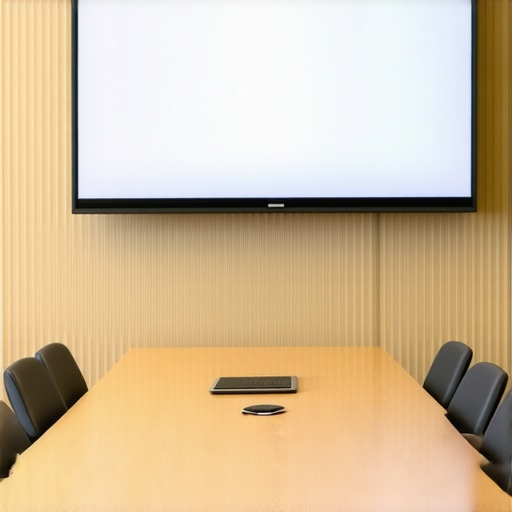
Stop Squinting at Tiny Laptop Screens
There is a psychological power shift when you move your presentation from a 13-inch laptop to a massive display. I’ve seen it firsthand: when you are huddled around a small screen, you look like a student showing off a project. When you cast that same deck onto a high-definition monitor, you look like a CEO. That is exactly why your pitch deck looks better on a forty-inch screen than a laptop—it commands the room’s attention and allows for a shared visual experience. If the room doesn’t have a reliable HDMI or wireless casting setup, bring your own adapter. Never assume the cable in the drawer will work with your hardware.
Kill the Echo to Save Your Reputation
Acoustic privacy is the most overlooked element of a professional meeting. I once hosted a VIP demo in a room that looked like a million bucks but sounded like a cavern. Every time I spoke, my voice bounced off the glass walls, creating a muddy mess of sound that made it impossible for the remote stakeholders to hear me clearly. I realized too late that why your pitch deck won’t save you from a noisy meeting space is a lesson you only want to learn once. Now, I always vet a meeting room for acoustic privacy before booking by doing a simple clap test. If there is a sharp, metallic ring after a clap, the room needs help. If you’re stuck in an echo chamber, look for the acoustic fix for echoey conference rooms, such as positioning portable sound baffles or even just ensuring there is enough soft furniture in the room to soak up the noise. When you control the sound, you control the narrative.But there is a deeper layer to this that most ‘office gurus’ won’t tell you: sometimes, the most expensive room in the building is the one that loses you the deal. We’ve been conditioned to think that ‘startup success’ looks like a glass-walled aquarium with beanbags and a PlayStation in the corner. In reality, that is often a distraction masquerading as ‘culture.’ If you are looking for a workspace, you need to be able to peel back the layers. For instance, how to spot a toxic coworking vibe in under five minutes usually starts by noticing if people are actually getting work done or just performing for the community manager’s Instagram feed.
Don’t Let a Neon Sign Blind Your Business Sense
A common trap is prioritizing ‘cool’ over ‘functional.’ I once knew a founder who signed a massive lease because the building had a rooftop pool. Six months later, his dev team was miserable because they didn’t have enough quiet zones. This is exactly why your first office shouldn’t be a 5-year commitment. You need the agility to pivot your physical space as quickly as you pivot your product. 
The Privacy Paradox That Kills Real Collaboration
There is a pervasive myth that ‘open-plan’ offices are the only way to foster innovation. However, research published by the Royal Society suggests that open-plan environments actually lead to a 70% decrease in face-to-face interaction, as employees use headphones to signal they are busy. This is why founders are moving back to physical brainstorming sessions in enclosed, dedicated rooms. The walls don’t block ideas; they protect them from the ambient noise of fifty other people’s ‘hustle.’
Is your boardroom unintentionally signaling a high burn rate?
Here is the advanced move: consider what the room says about your finances. If you are a pre-revenue startup pitching to an angel investor in a room that looks like it cost ten thousand dollars a month to maintain, you are sending a signal of fiscal irresponsibility. The hidden drag of slow office Wi-Fi on your burn rate is a real technical issue, but the psychological drag of over-spending on ‘prestige’ can be even worse. You want to look professional, but you also want to look lean. This is the nuance of how to handle a sensitive HR meeting in a shared space or a high-stakes pitch—it’s about choosing a room that matches your current stage of growth, not where you hope to be in ten years.
Focus on Invisible Tech Rather Than Flashy Gadgets
The final ‘oops’ factor? Over-complicating the technology. I have seen more time wasted on syncing proprietary smart-boards than on actual strategy. It’s a classic mistake: thinking that more gadgets equals a better meeting. This is why your conference room needs better technology and fewer cables. The best tech is the kind that connects instantly and then disappears, allowing the human connection to take center stage. Have you ever fallen into this trap where you spent more time fixing the ‘smart’ lights than actually talking to your team? Let me know in the comments.
How do I maintain my meeting room standards over time?
Maintaining a professional edge isn’t a one-and-done setup; it’s an ongoing audit. I recommend doing a tech sweep every Sunday evening or Monday morning before the team arrives. This isn’t just about cables; it’s about ensuring the physical atmosphere hasn’t slipped back into that clinical, hospital-like vibe I mentioned earlier. If you are handling the logistics of moving your startup to a professional space, you need to assign someone—usually an office lead or yourself in the early days—to check for dead pixels on monitors, frayed HDMI cables, and even the scent of the room. I’ve actually started carrying a small kit of high-quality adapters and a portable 5G hotspot. It sounds paranoid until the building’s router takes a dive in the middle of a round-closing pitch.
Stop Betting Your Career on Cheap Dongles
I see it constantly: a multi-million dollar deal hanging by a five-dollar plastic adapter bought at an airport kiosk. I personally use the Satechi or Anker hubs because they handle heat better during long presentations and provide consistent throughput for 4K video. This is a core part of why your conference room needs better technology and fewer cables—reliability is always more impressive than flashy gadgets that fail. When you are scaling a hybrid team without a corporate HQ, your personal gear becomes your satellite office. If the hardware fails, your perceived authority often fails with it. 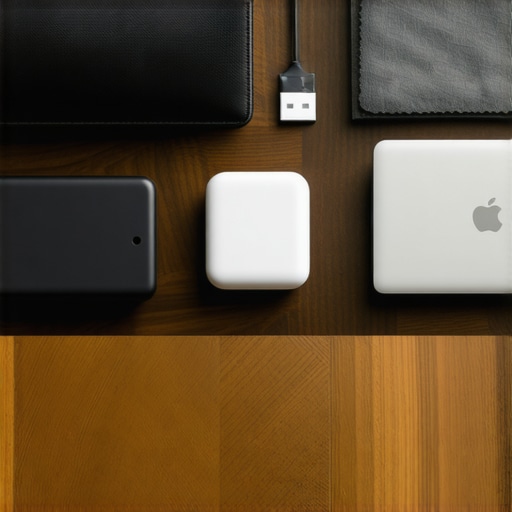
Scaling Without Buying More Square Footage
As your headcount grows, the temptation is to sign a massive, traditional lease immediately. Resist that urge. Instead, look at how to pick a membership tier that scales with your team. You can often add day passes or specialized hot-desk access for interns while keeping your core boardroom time for high-impact work. This keeps your burn rate lean while still projecting an image of stability to your stakeholders.
The Future is Spatially Intelligent
We are moving toward rooms that possess spatial intelligence. According to Cisco’s Hybrid Work Index, over 98% of meetings now have at least one remote participant, which means meeting equity—the idea that everyone can be seen and heard equally—is the new metric for success. In the next two years, expect to see more AI-driven cameras that automatically frame the speaker and eliminate background noise at the hardware level. If you want to stay ahead, you need to know how to manage office politics in a space you don’t own so you can lobby your community manager for these essential tech upgrades.
Take the Ten Minute Test Today
Here is my challenge to you: walk into your most-used meeting space right now and try to connect your laptop to the screen with your eyes closed. If you can’t get it working in sixty seconds, your setup is too complex for a high-stress environment. Strip away the fluff, upgrade your adapters, and ensure your acoustic fix for echoey conference rooms is actually working. Professionalism is quite simply the absence of friction.
Hard Truths About Shared Boardrooms That I Learned the Hard Way
Reflecting on my early days in basement offices, I realized that the “perfect” space is rarely about the square footage. First, the vibe check is non-negotiable; if you feel like you are at the doctor’s office, your investors will too. I have found that creative coworking environments can actually shift the energy of a meeting from defensive to collaborative. Second, I learned that transparency is great for culture but terrible for high-stakes pitches—always opt for a room with frosted glass or blinds to protect your data. Finally, remember that your environment is a physical extension of your brand; don’t let a messy, cable-strewn table signal a disorganized company. When you understand startup success secrets choosing the perfect conference room, you realize that the room itself is a member of your pitch team.
The Minimalist Tech Stack for High-Stakes Meetings
I don’t leave my success to chance anymore. I always carry a “Meeting Emergency Kit” that includes an Anker USB-C hub, a long HDMI cable, and a high-quality portable microphone for hybrid calls. #IMAGE_PLACEHOLDER_E# If you want to know how to maximize productivity in your startups conference rooms, start by eliminating every possible point of failure before the meeting starts. I also recommend using a simple noise-meter app to check if the surrounding coworking chatter is leaking into your space. These tools aren’t just gadgets; they are the insurance policy for your reputation. I personally trust the Satechi or Anker hubs because they handle heat better during long presentations and provide consistent throughput for 4K video, which is crucial for business success.
Your Next Big Move Deserves a Better Backdrop
The transition from a garage or a home office into a professional environment is a rite of passage. It’s the moment you stop playing “startup” and start building a legacy. When you choose the perfect conference room for business success, you are giving your ideas the stage they deserve to shine. Don’t let a flickering light or a noisy neighbor be the reason your next big idea doesn’t take flight. You have done the hard work of building the business—now, give it a home that works just as hard as you do. These conference rooms are more than just places to sit; they are the launchpads for what you do next. Have you ever had a total tech meltdown during a high-stakes pitch? Let me know in the comments below—I’d love to hear how you handled it!