
I was halfway through a high-stakes investor pitch, pacing the length of a trendy communal lounge, when I realized the room had gone cold. My startup was finally getting the attention it deserved, and I was determined to sound like a leader—booming, authoritative, and energetic. But as I caught my reflection in the window, I also caught the eye of a developer three desks away. He was not impressed. He was wearing two sets of noise-canceling headphones and staring at me with pure, unadulterated fire in his eyes. I was not being a leader; I was being a nuisance. I had completely ignored the etiquette of taking private calls in a public coworking zone and was treating the communal lounge like my personal boardroom. It was embarrassing, but it taught me a valuable lesson about spatial awareness in the modern workspace. We are going to fix this today. I will show you how to spot the signs that you are the office bull in the china shop before someone hands you a pair of earplugs.
Stop Being the Coworking Neighbor Everyone Secretly Resents
It is easy to get caught up in the energy of a busy workspace. You see the espresso machines, the bean bags, and the glass-walled meeting rooms and you think, ‘This is a place of action!’ But your action is someone else’s distraction. One mistake I made early on was assuming that since I paid for a membership, the airwaves were mine to fill. I once spent forty minutes debating a contract in the middle of a quiet zone simply because the lighting was better there. I did not realize that my voice carries, especially when I am excited. If you find yourself wondering why you always have a five-foot radius of empty desks around you, it is not because you are intimidating; it is because you are loud. You might think you are helping your team by discussing strategy loudly, but you would be better off learning how to maximize productivity in your startups conference rooms where the walls actually absorb the sound. Learning how to handle a loud phone talker when you have no private office is essential, but the first step is admitting that the loud talker might actually be you. Successfully managing noise complaints in an open plan office starts with a little bit of self-awareness and a lot of respect for the shared hustle.
Does Anyone Actually Care About a Little Background Noise?
You might be thinking, ‘It is a coworking space, not a monastery. People should expect some noise!’ I used to tell myself that too. But the data tells a different story. According to a landmark study by the University of Sydney, noise distraction is the single leading cause of productivity loss in open-plan offices, with nearly 50% of workers citing it as a major issue. It is not just background noise to them; it is the reason they cannot finish their code or their pitch deck. If you have ever looked for 7 non-obvious signs a coworking space is too loud for deep work, you might find that your own habits are top of the list. Have you ever been ‘shushed’ in a space that was supposed to be collaborative? It is a wake-up call that we all need at some point to ensure we are contributing to the culture rather than draining it. Let us dive into the specific behaviors that are giving you away and how to pivot before your reputation takes a hit.
Master the Volume Knob on Your Own Voice
The first thing I learned after my investor pitch disaster was that most of us have no idea how loud we actually are. In a high-ceilinged warehouse or a glass-walled studio, your voice bounces like a pinball. I started using the One-Meter Rule: if the person at the desk next to you can hear every syllable of your conversation, you are effectively holding a group meeting without their consent. To fix this, I began testing the room. I would record a ten-second voice memo on my phone while sitting at my desk and play it back at half volume. If I could still hear my own distinct words over the hum of the air conditioner, I was being too loud. This simple acoustics hack for crystal-clear client pitches works both ways; it protects your privacy and keeps your neighbors sane.
Book the Room Before You Need the Room
You cannot wait until the calendar invite pings to find a spot. I used to be the guy frantically circling the floor three minutes before a call, looking like a lost tourist. Now, I audit my day at 8:00 AM. If I see a high-stakes call, I immediately look for how to find a quiet meeting room on short notice or I pre-book a booth. I once tried to ‘wing it’ by sitting in a corner of the lounge for a sensitive budget review. Midway through, someone started a birthday celebration five feet away with a tray of cupcakes. My client heard ‘Happy Birthday’ while I was explaining a $20k deficit. It was unprofessional and entirely avoidable. Nowadays, I follow the two-pizza rule for booking the right size meeting room to ensure I am not hogging a twelve-person boardroom for a solo Zoom call.
Identify the Invisible Boundaries of the Quiet Zone
Most coworking spaces don’t have literal fences, but they do have invisible borders. The area near the espresso machine is the ‘Wild West’—anything goes. But as you move toward the back desks, the social contract changes. I learned this the hard way when I took a ‘quick’ five-minute call in what turned out to be the deep-focus library. I felt three different sets of eyes burning into the back of my neck. If you are unsure, look at the headphones. If 90% of the people have over-ear noise-cancelers on, that is a silent zone. You need to know how to handle a loud phone talker when you have no private office, but you also need to make sure you aren’t the one forcing others to find a new desk.
Optimize Your Setup for Stealth and Impact
If you must take a call at your desk, your equipment is your best friend. A directional microphone on a headset captures your voice and ignores the clinking of coffee spoons behind you. I also stopped using my laptop’s built-in camera for important demos because the angle usually captured five other people working behind me, which is a major privacy risk. Instead, I find a wall or a corner to act as a neutral backdrop. You should stop letting bad lighting ruin your video calls, but you should also stop letting your background reveal your coworkers’ lunch choices. When you show up with a clean frame and a controlled voice, you aren’t just being professional; you are being a good neighbor. Understanding why your pitch fails in a noisy lobby is about more than just sound—it is about the lack of focus that a chaotic environment projects to your client. Even if you are in a windowless box, you can use 7 ways to make a windowless meeting room feel less like a prison to keep your energy high without bothering the rest of the floor.
Your Strategy for Picking a Room Is Probably Backwards
Let’s dig deeper into the psychology of the workspace. Most founders believe that the more a meeting room looks like a scene from a corporate drama, the more likely they are to close a deal. That is a trap. In my experience, showing up to a seed-round meeting in a mahogany-clad boardroom can actually backfire. It makes you look like you are spending investor money on walnut paneling instead of product development. I have found that why investors prefer meeting in a high-energy hub over a quiet cafe is rooted in the desire to see a company that is alive and moving. However, the mistake people make is choosing a space for the ‘vibe’ while ignoring the technical backbone. A beautiful room is useless if the lag on your screen share makes your product look broken. The hidden drag of slow office wi-fi on your burn rate isn’t just about lost minutes; it is about the lost confidence of your potential partners. Have you ever fallen into the trap of booking a room for its looks rather than its utility? Let me know in the comments.
Does Acoustic Privacy Actually Exist in a Glass-Walled Flex Space?
This is the question that keeps privacy-conscious CTOs up at night. We often assume that because a door is shut, the conversation is private. According to the Leesman Index, a global benchmark for workplace effectiveness, only 30% of office workers are satisfied with the level of acoustic privacy in their environment. In a coworking context, this is even more precarious. You might think you are in a secure bubble, but if the drywall stops at the drop-ceiling, your neighbor is hearing your entire Q3 revenue projection. Before you host a sensitive discussion, you must learn how to vet a meeting room for acoustic privacy before booking. I always do a ‘knock test’ on the walls and check for gaps under the door. If you can hear a light conversation in the hallway while you are inside, the room has failed the acoustics test every conference room should pass. 
Watch Out for the Fishbowl Effect During High-Stakes Demos
The ‘oops’ factor most people miss is visual privacy. We spend so much time worrying about noise that we forget about the person standing at the coffee machine staring directly at our confidential slide deck through the glass walls. I call this the Fishbowl Effect. It is one of the most common ways to accidentally leak your IP. You need to know how to keep your startups trade secrets safe in a public lounge, but that logic also applies to innovative meeting rooms that boost startup creativity. If the room is in a high-traffic area, position your screen so it faces away from the glass. Beyond just security, there is the issue of distraction. If your team is trying to brainstorm, but they are watching a delivery driver struggle with a heavy package through the window, your productivity is dead on arrival. Success in these spaces requires more than just a membership; it requires a tactical approach to every hour you spend there.Beyond the visual and the audible, maintaining your startup’s momentum in a shared space depends entirely on the tools you carry in your bag. I’ve realized that relying on the ‘default’ environment is a recipe for mediocrity. To truly professionalize my presence, I stopped using the laptop’s internal mic and switched to a Jabra Speak 710 puck. It is a game-changer because it uses omnidirectional microphones that filter out the rhythmic tapping of nearby keyboards while crystalizing my voice. According to technical documentation from Shure on beamforming arrays, the signal-to-noise ratio in a glass-walled room can be improved by nearly 15dB just by using hardware that prioritizes direct sound over reflections. When you combine this with software like Krisp to nix background chatter, you can basically work from a construction site without your client noticing. This is how you how to host a webinar without background noise or connection drops while everyone around you is hitting their mid-afternoon caffeine peak.
The Tech Stack That Keeps My Startup Sane
For a long time, I thought ‘going pro’ meant buying a fixed desk, but the truth about hot desking is that it only kills productivity if your gear is disorganized. I now use a ‘workstation-in-a-bag’ philosophy. Everything—my portable monitor, my 100W GaN charger, and my ergonomic mouse—has a dedicated slot. This allows me to transition from a public lounge to a focused booth in under sixty seconds. If you find yourself fumbling with tangled cords during a pitch, why your conference room needs better technology and fewer cables becomes painfully obvious. I recommend a high-quality USB-C hub that handles HDMI, power, and data through a single port. It reduces the physical clutter that leads to mental fatigue during long sprints.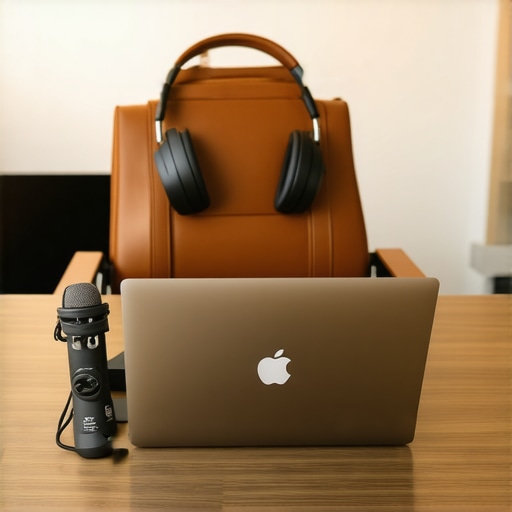
How do I maintain my focus and culture as the team grows?
As my team expanded, the challenges shifted from individual focus to group dynamics. Maintaining a high-performance culture in a space you don’t own requires a deliberate ritual. Every Tuesday, we perform the 10-minute audit to see if your office space is wasting money or if our current membership tier is actually meeting our needs. We found that the move that helped us scale from a garage to 20 desks wasn’t about more square footage, but about smarter access to innovative meeting rooms that boost startup creativity. We stopped booking the ‘standard’ rooms and started looking for spaces with whiteboards on every wall and high ceilings, because why your team is more creative in a room with high ceilings is a real psychological phenomenon that impacts your output.
Scale Fast Without Losing the Human Touch
Looking ahead, I predict a massive shift toward ‘spatial-aware’ coworking. We are moving toward environments where the furniture itself detects noise levels and adjusts acoustic dampening in real-time. Until then, you have to be your own architect. I’ve seen too many founders burn out because they didn’t realize why your first office shouldnt be a 5-year commitment. The flexibility of a flex-space is your greatest hedge against market volatility. You can scale down in a week or scale up in a day. As we look at the future of conference rooms in startup ecosystems, the emphasis will be on seamless hybrid integration. My advice? Start auditing your noise impact today. Download a decibel meter app and check your volume during your next call. If you’re consistently over 60dB, it’s time to move to a booth.
The Realities of Sharing Space That Nobody Told You
One thing I wish I’d understood on day one is that your reputation in a shared office is built in the hallways, not the boardroom. I spent months trying to look ‘busy’ before I realized that why the best business deals happen in the hallway, not the boardroom is actually a law of the startup universe. If you are the person who refills the coffee pot or helps a neighbor with a jammed printer, you are building social capital. That capital is what saves you when you accidentally run five minutes over in a innovative meeting rooms that boost startup creativity. Another hard truth? Your ‘private’ conversations aren’t as private as you think. I’ve seen deals fall apart because a competitor was sitting three desks away. Now, I always perform the acoustics test every conference room should pass before I even open my laptop. It isn’t paranoia; it’s professional hygiene.
The Setup That Saved My Workflow
If you’re serious about scaling, stop relying on whatever the community manager gives you. I personally swear by the Jabra Speak 710 for those times I’m tucked into a small booth; it prevents that ‘talking in a tin can’ sound that kills credibility. I also recommend moving away from constant video syncs—we actually stopped using zoom for internal feedback loops in favor of async screen recordings to keep the noise floor low. To avoid the frustration of bad environments, I’ve learned how to pick a meeting room that doesn’t smell like old carpet or feel like a storage closet. Finally, use a tool like Krisp to mask the espresso machine hiss during your calls. These small adjustments make you sound like you have a 50th-floor executive suite even when you’re in a shared hub. #IMAGE_PLACE_HOLDER_E#
Lead Your Startup With Respect
At the end of the day, a coworking space is just a tool. Whether it’s a springboard or a distraction depends entirely on how you navigate the social and physical boundaries. You don’t need a ten-year lease to project authority; you just need the right habits and the right startup success secrets choosing the perfect conference room. Respect the deep-work silence, book your booths early, and remember that everyone else is also trying to build their dream. When you master the etiquette of the shared office, you aren’t just surviving; you are creating an environment where your team can actually thrive. Have you ever been ‘the loud one’ in a shared office without realizing it? Let me know your most awkward coworking story in the comments below!