
I remember it vividly: I was sitting in a ‘state-of-the-art’ glass cube in a trendy coworking space, sweating through my blazer. I had fifteen minutes to convince a partner at a top VC firm that my SaaS startup was the future. I spoke. They frowned. Not because the numbers were bad, but because my voice was bouncing off the four glass walls like a pinball. Every ‘disruptive’ idea I uttered was buried under a muddy layer of reverb. I thought I was being professional by booking the sleekest room available, but I’d actually walked into a literal echo chamber. Learning why your pitch failed in that noisy coffee shop is one thing, but failing in a dedicated meeting room because of bad physics is a whole different level of heartbreak.
My $50,000 Echo Chamber Disaster
That day cost me a seed check. It was a brutal lesson in what I now call the acoustic tax. We spend months perfecting the slides and hours rehearsing the delivery, yet we often ignore the very air our words travel through. I used to think as long as we weren’t in a busy lobby, we were fine. Boy, was I wrong. If you’ve ever seen someone lean in and squint while you’re talking, they aren’t concentrating on your genius; they’re struggling to parse your syllables. It’s a psychological drain that kills enthusiasm. This is why I always tell founders that the cost of a bad first impression is often tied to the sensory experience of the room itself. Have you ever felt like you were fighting the room just to be heard?
Soundproof Isn’t the Same as Sound-Treated
Here is the mistake I made early on: I assumed a quiet room was a good room. It wasn’t. A room can be silent from the outside but still sound like a cathedral on the inside. You need to look for soft surfaces and intentional design. I’ve started carrying a simple clap test into every space I vet. If you’ve ever wondered how to vet a meeting room for acoustic privacy before booking, start by listening to how your own hands sound. Hard glass and drywall are the enemies of clarity. According to a study by the University of Southern California, poor audio quality in a recorded or transmitted pitch actually makes the speaker seem less intelligent and the information less credible. That’s a terrifying thought for any founder.
Does sound quality really sway an investor?
You might be thinking that a million-dollar deal surely doesn’t hinge on some carpet and acoustic foam. But think about the last time you listened to a podcast with a tinny, echoing microphone. You probably turned it off in minutes. Cognitive load is a real factor in decision-making. When an investor has to work hard just to hear you, their brain has less energy to evaluate your business model. This is exactly why we need to master the acoustics test every conference room should pass before you ever open your laptop to present.
Hack Your Way to Better Sound
If you find yourself in a room that feels like a bathroom—cold, hard, and reflective—you have to act fast. Think of sound waves like bouncy balls; your job is to catch them before they hit the walls. I once walked into a glass-walled suite for a critical call and realized the echo was unbearable. I took three heavy winter coats from the rack and draped them over the chairs directly behind my laptop. It looked ridiculous to anyone outside, but the audio instantly tightened up. This is how you host a product demo that looks professional on a budget, even when the architecture is working against you. Soft materials are your best friends. If the room has a rug, stand on it. If there are curtains, close them. These small adjustments reduce the ‘ping-pong’ effect of your voice and keep the focus on your words rather than the room’s geometry.
Identify the Glass Trap
Glass is the ultimate enemy of the founder. It looks sleek and ‘startup-chic,’ but it is acoustically violent. When you are scouting for a location, follow the exact checklist for vetting a high-stakes board room. Always look for at least two non-parallel soft surfaces. If you have to pitch in a glass box, position yourself so you are speaking toward a bookshelf or a fabric wall, not directly into a window. I’ve seen million-dollar ideas die in glass boxes because the investor literally couldn’t distinguish between the founder’s ‘unique value prop’ and the echo of the previous sentence.
Scale Your Space to Your Team
Size matters as much as surface material. If you put two people in a room designed for twenty, the empty volume of air creates a natural reverb that makes you sound small. Conversely, cramming ten people into a phone booth creates a muddy, muffled mess. This is why you must understand the two-pizza rule for booking the right size meeting room. I learned this the hard way when I booked a massive hall for a four-person strategy session; we spent the whole hour shouting just to be heard over the room’s own empty resonance.
Ditch the Laptop Speakers
If part of your pitch involves video or audio, never rely on your laptop’s built-in hardware. It’s an amateur move that signals you aren’t prepared. High-quality output is part of startup success secrets: choosing the perfect conference room. Always verify that the room has a dedicated soundbar or external speakers. Remember, why your pitch deck looks better on a forty-inch screen than a laptop also applies to your audio; bigger, fuller sound creates a sense of authority. When the bass in your voice is thin and tinny, your confidence feels thin and tinny too.
Why more gear usually leads to more glitches
There is a pervasive myth in the startup world that the more cables, screens, and dongles you have, the more ‘legit’ you look. I’ve seen founders spend twenty minutes of a thirty-minute window just trying to get a proprietary wireless bridge to work. It’s the ultimate ‘oops’ factor. You want better technology and fewer cables, not a museum of expensive paperweights. In my experience, the highest-stakes deals happen in rooms where the tech is invisible. If you are constantly looking down at a tablet to adjust the blinds or the volume, you are breaking eye contact and losing the room. This is a primary driver of the real reason your team is suffering from Zoom fatigue: the friction of the interface is often more exhausting than the conversation itself.
Does the lighting in your board room actually sabotage your closing rate?
Beyond sound and tech, there is the silent killer: lighting. Most people think a window is always an asset, but if that window is directly behind you, you are just a dark silhouette on a bright background—the ‘witness protection’ look. It is impossible to build trust when an investor can’t see your pupils. A study by Cornell University’s Department of Design and Environmental Analysis found that poor lighting significantly increases perceived stress and decreases focus in professional settings. When you’re choosing innovative meeting rooms that boost startup creativity, look for diffused, front-facing light. You should stop letting bad lighting ruin your video calls and in-person pitches alike.
The transparency trap of the glass-walled office
We’ve been sold the dream of ‘openness,’ but total transparency is often a strategic liability. While it looks great in a marketing brochure, pitching a sensitive pivot in a literal fishbowl is nerve-wracking. You need to know how to keep your startup’s trade secrets safe while still enjoying the perks of a shared space. The trap is assuming that a ‘private’ room is actually private. I always look for rooms with manifestation—the frosted film on glass—or strategically placed acoustic panels that block both sound and sightlines. It’s the difference between a standard meeting room and a real war room. When the stakes are high, you don’t want a curious passerby watching your slide deck.
Scaling the sensory experience
As your team grows, you’ll find that the future of conference rooms isn’t just about bigger tables; it’s about specialized environments. A room for a sensitive performance review shouldn’t feel like the room you use for a high-energy 20-person sprint. This is why picking a membership tier that scales with your team is about more than just seat count—it’s about access to diverse environments. Whether you are looking for startup success secrets or just trying to survive a Monday, the room you choose is your most underrated teammate. Have you ever fallen into this trap? Let me know in the comments.I’ve realized that finding a great room once is easy, but maintaining that high-performance standard as you grow is the real challenge. I’ve seen founders get lazy after their first round of funding, booking whatever space is closest to the elevator. That’s how you end up back in the echo chamber. To combat this, I maintain a ‘portable war room’ kit that I take into every space. It’s my insurance policy against bad infrastructure. I personally rely on a Jabra Speak 710 puck. Why? Because even the best-designed rooms have dead spots, and this device bridges the gap between the physical room and the digital meeting. It is a critical tool for anyone looking to maximize productivity in your startup’s conference rooms without relying on the building’s potentially dated hardware.
My redundant tech stack for high-stakes demos
Let’s talk about the ‘hidden drag’ of technical maintenance. Hardware fails at the worst possible moments. According to technical reports from CDW, nearly 40% of meeting delays are caused by hardware or connectivity issues. This is why I always warn my fellow founders that a basic warranty won’t save your startup from a hardware disaster during a pitch. I carry a 20-foot CAT6 cable everywhere. It sounds like overkill until the Wi-Fi in your ‘premium’ suite suddenly chokes during a product demo. You should always vet a space for high-speed fiber before you sign the contract, but you should never trust it blindly. Redundancy is the difference between a signed term sheet and a rescheduled meeting.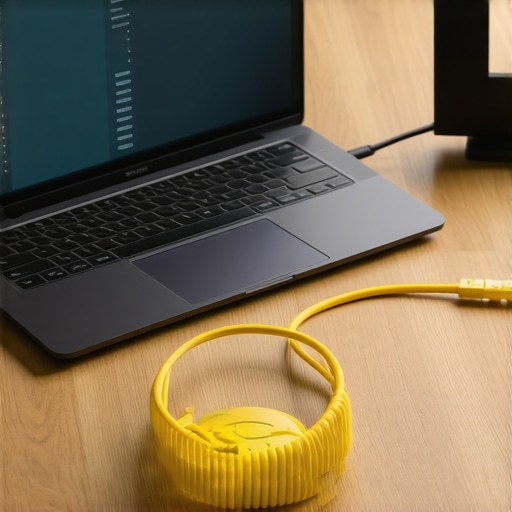
How do I maintain this professional edge as I scale?
As your headcount grows, consistency becomes your biggest asset. If your team is bouncing between three different coworking brands with three different AV setups, your internal culture starts to feel fragmented. This is where picking a membership tier that scales with your team becomes a strategic move rather than just a line item on the budget. You want your engineers to walk into a room and instantly know how to sync their screens without a ten-minute tutorial. Managing the logistics of scaling a hybrid team without a corporate HQ requires you to standardize the environments your team inhabits. If you simplify the interface, you increase the output.
Why 5GHz Wi-Fi isn’t enough for your pitch
Looking toward the future, we are moving into the era of Wi-Fi 6E and localized private networks. In crowded downtown hubs, the 5GHz band is becoming as congested as a city highway at rush hour. I predict that the most successful coworking spaces of 2026 will be those that offer dedicated, shielded bandwidth for individual meeting rooms to prevent cross-talk interference. For now, the best hack is to prioritize better technology and fewer cables by using high-quality hardware that can handle packet loss gracefully. I recommend trying this advanced tip: the next time you book a high-stakes room, bring a dedicated Wi-Fi analyzer app on your phone and check the ‘channel congestion’ before the guest of honor arrives. It takes thirty seconds and could save you from a laggy, embarrassing presentation.
Lessons I Paid for with Lost Seed Rounds
After years of pitching in everything from literal closets to five-star boardrooms, I’ve realized that silence isn’t the goal—clarity is. First, if you see an investor leaning in, they usually aren’t intrigued; they are likely struggling to process your voice through the room’s echo. Second, never trust a room’s ‘smart tech’ unless you’ve seen it work with your own laptop five minutes before the meeting starts. This is why I always prioritize startup success secrets like physical testing over digital promises. Third, your environment dictates your team’s energy level; a cramped, windowless room makes your vision feel small and claustrophobic. Finally, remember that the room is a reflection of your attention to detail—if you can’t manage the acoustics of a meeting, an investor might wonder how you’ll manage their capital.
My Field-Tested Toolkit for High-Stakes Meetings
To ensure I never lose a deal to technical friction again, I rely on a few non-negotiables that I keep in my laptop bag at all times. I use the Jabra Speak 710 for its omnidirectional clarity, which is a lifesaver when the built-in room audio fails. I also keep the NetSpot app on my phone to check for Wi-Fi channel congestion before the guest of honor arrives. For inspiration on layout and design, I constantly refer back to creative coworking strategies that turn sterile boxes into actual engines of growth. These tools help me maximize productivity in your startup’s conference rooms regardless of the building’s infrastructure.
Own the Room Before You Say a Word
Your startup deserves a stage that amplifies your message rather than muffling it. Whether you’re booking a one-hour slot for a quick sync or moving your whole team into a new hub, remember that physical collaboration still beats video calls every single time when it comes to building deep, lasting trust. Take control of the lights, the sound, and the tech early so you can focus entirely on the person sitting across from you. You’ve done the hard work of building the product—now make sure the environment you choose is worthy of the story you’re about to tell. What’s the weirdest DIY hack you’ve ever used to fix a bad meeting environment? Let me know in the comments below.