

I spent three years working from a dining chair that gave me permanent back issues because I was “saving money.” I thought I was being a savvy founder, but the reality was that I was lonely, distracted, and my professional image was in the gutter. The moment I realized I couldn’t host a serious investor at my house without my dog barking at the mailman, I knew things had to change. But then I saw the monthly fees for local hubs and nearly choked. If you’ve ever looked at a $500/month price tag and wondered if you’re just paying for overpriced lattes and a “neon sign vibe,” I’ve been exactly where you are.
The Math Behind the Monthly Fee
It took me six months of overpaying for a private suite I barely used to realize that most of us are looking at coworking costs all wrong. I used to think of it as a luxury, a “reward” for when I made enough money. The truth is, I was stuck in a growth plateau because I didn’t have a professional environment. I learned the hard way that you have to stop overpaying for square footage you never use and focus on what actually moves the needle. A workspace should be an engine, not a weight.
Is this just a glorified library with better snacks?
That’s the fear, isn’t it? That you’ll sign a contract and end up just sitting in a quiet room with strangers, essentially paying a premium to do exactly what you could do at home for free. I made the mistake of thinking every space was the same, but the difference between a boring room and a place that helps you unlock networking opportunities in top coworking environments is night and day. Even researchers at the Harvard Business Review found that people who belong to coworking spaces report levels of thriving that are nearly a point higher on a 7-point scale than those in traditional offices. It turns out the social atmosphere is a primary driver of professional success. Have you ever felt like your home office is actually holding your business back? We’re going to dive into the specific metrics I use to determine the true ROI of a premium coworking membership so you can make a decision based on data, not just desperation.
Stop Paying for Desks You Never Sit At
Most founders sign a coworking lease like they buy gym memberships in January: full of hope and zero strategy. You think you need a dedicated desk for five people, but the data says otherwise. Before you commit, look at your last thirty days of calendar invites. If your team is out at client meetings or working remotely three days a week, you need to stop overpaying for square footage you never use and pivot to a flex arrangement. I once burned $1,200 a month on a ‘growth suite’ that sat empty while my team worked from a construction site on-site. It was a expensive lesson in the the logic of choosing a flex office over a 5-year lease. Your workspace should fit your team like a glove, not an oversized coat you hope to grow into eventually.
Test the Infrastructure Before the Investor Arrives
A pretty lounge is useless if the internet drops the second you start a screen share. I learned this the hard way during a $50k seed round pitch. I was sitting in a ’boutique’ space with velvet chairs but prehistoric routers. The Wi-Fi cut out right as I hit my financial slides, and the silence that followed was the loudest thing I’ve ever heard. Understanding why your home wi-fi is failing your zoom presentations is just the first step; you have to treat a potential office like a piece of hardware. Before you sign, you must how to vet a space for high-speed fiber before you sign the contract. Bring your laptop, run a speed test during peak hours, and check the signal in the corners. Don’t be the founder who has to scramble to find out what to do when the office wi-fi goes down mid-pitch. If the tech is shaky, the space is a liability, not an asset. 
Use the Coffee Machine as a Strategic Hub
It sounds like a cliché, but the most valuable part of a premium hub isn’t the desk—it’s the proximity. You are paying for the density of talent. I used to think of the communal kitchen as a distraction, but it’s actually where the ‘unplanned collisions’ happen. I once solved a month-long coding bug by talking to a random dev while waiting for the espresso machine to warm up. That is the hidden value of the casual coffee machine chat. When you are scouting, look for spaces that encourage these interactions rather than segregating everyone into windowless cubicles.
Pick a Room That Commands Respect
A meeting in a coffee shop suggests you’re a hobbyist; a meeting in a sound-proofed boardroom suggests you’re a CEO. There is a psychological weight to a professional setting that investors crave. You need to know how to choose the perfect conference room for business success. Look for things like the exact lighting setup for professional video pitches and soundproofing. It’s no secret why investors prefer meeting in professional settings: it eliminates the variables of noise and chaos, allowing them to focus entirely on your vision. If you’re pitching a high-stakes deal, the environment is your supporting actor.I used to think a conference room was just a table and four chairs, but I was dead wrong. The ‘glass wall’ aesthetic is the biggest scam in modern coworking. Everyone tells you that transparency breeds culture, but I’ve seen more deals die in ‘fishbowls’ than anywhere else. If you are discussing cap tables or navigating a pivot, the entire lounge doesn’t need a front-row seat. This is exactly how to handle a sensitive hr meeting in a shared space without becoming the office gossip. I once sat through a termination meeting where the glass wasn’t even frosted; the entire sales team watched their manager pack a box in real-time. It was brutal, awkward, and entirely avoidable.
Why Transparency Can Tank Your Most Sensitive Deals
A study from the University of Queensland confirms this discomfort, noting that the lack of visual and acoustic privacy in shared environments leads to a significant spike in employee stress and a drop in candid communication. You need to know startup success secrets choosing the perfect conference room at 0817 am before the morning rush begins. Look for rooms with heavy doors and acoustic dampening because if you can hear the guy in the next room’s Zoom call, your ‘private’ conversation isn’t private. It’s also a primary reason why your meeting room layout is killing participation; people simply won’t speak honestly if they feel they are being watched by the entire floor. If the echoes are too loud, you might even need the acoustic fix for echoey conference rooms to ensure your voice carries authority rather than a hollow reverb. 
How do I keep my team from hating hybrid meetings?
The biggest ‘oops’ I see is founders booking a room that looks great but has a single, prehistoric microphone that ignores half the people in the room. You have to learn how to stop your team from hating hybrid meetings by prioritizing audio-first setups. If the remote team can’t hear the jokes or the side-bar comments, they’ll check out in ten minutes. I’ve found that using specific tools and timing your sessions can help; for instance, knowing how to maximize productivity in your startups conference rooms by 0245 pm keeps the energy high before that mid-afternoon crash. Don’t be the leader who assumes ‘good enough’ tech is acceptable for a high-stakes call. Have you ever fallen into this ‘fishbowl’ trap or been stuck in a meeting where nobody could hear you? Let me know in the comments below.
Stop Screaming at the Laptop Screen
I’ve learned that the ‘good enough’ approach to hardware is why most founders fail to lead remote teams effectively. If you’re still relying on the built-in microphone of a MacBook Pro for a room of four people, you’re essentially telling your remote employees that they don’t matter. I personally swear by the Meeting Owl 3 paired with the Krisp.ai app. The reason is simple: the Owl acts as an AI-driven director, while Krisp handles the background clatter of the espresso machine. This is the only way to truly stop your team from hating hybrid meetings. When everyone can see the facial expressions of the person speaking, the ‘us vs. them’ mentality between the office and the remote crew evaporates. For my own focus, I never enter a shared lounge without my Sony WH-1000XM5s. You need to understand the truth about noise-canceling headphones in shared spaces: they aren’t just for music; they are a ‘do not disturb’ sign that actually commands respect.
The Future is Autonomic
We are moving toward a world where the room itself is an active participant in the meeting. I’m already seeing spaces experiment with haptic feedback chairs and real-time transcription displays integrated into the glass walls. This is the core of the future of conference rooms in startup ecosystems. In five years, your workspace will likely adjust the lighting based on the tone of the conversation detected by AI. If the vibes are tense, the room might soften the lumens to keep things professional. This sounds like sci-fi, but for a fast-moving team, it’s about reducing friction. I’ve found that even now, you have to be intentional about your ‘base of operations.’ This is why your startup needs a physical anchor for its remote team, even if you are ‘fully remote’ on paper. You need a place where the culture actually lives and breathes. 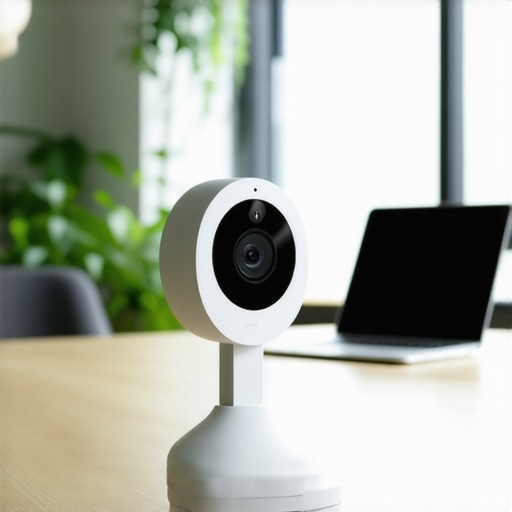
How do I maintain professional standards in a shared environment?
It’s easy to let things slide when you aren’t the one paying the janitor or the IT guy. But I’ve found that the founders guide to not getting distracted in a coworking space starts with personal discipline. I use a ‘clean desk’ policy even when I’m using a temporary hot desk. If I leave for more than twenty minutes, my gear goes in a locker. This isn’t just about theft; it’s about maintaining a high-performance mindset. You also have to be vigilant about how to keep your startups trade secrets in an open office. I’ve seen people leave wireframes on whiteboards in public conference rooms. According to the Acoustical Society of America (ASA), speech privacy requires a Noise Reduction Coefficient (NRC) of at least 0.70 to prevent ‘unintentional eavesdropping.’ If your space doesn’t hit that mark, you need to look into the acoustic fix for echoey conference rooms like portable felt panels. My advanced tip? Try the ‘Hard Stop Audit’ this week. Every time you book a room, set a timer for five minutes before the end of the hour. Use those five minutes to reset the tech and wipe the board. It forces your team to maximize productivity in your startups conference rooms by 0245 pm rather than letting meetings bleed into the next person’s time. It builds respect with the community manager and ensures you never leave a sensitive document behind for a competitor to find.
The Real Cost of Choosing a Cheap Hub Over a High-Performance One
I’ve spent thousands of dollars learning that the sticker price of a membership is rarely the final cost. One of my biggest realizations was that why the all-inclusive membership is usually a trap; you often end up subsidizing amenities you never use while the essentials—like reliable printing or soundproofing—remain lackluster. If you are making the transition from your home office, follow the move from garage to office a growth roadmap to ensure you don’t scale your overhead faster than your revenue. Also, never underestimate the person at the front desk. The community manager is your gateway to the best leads, the quietest corners, and the technical support you’ll inevitably need when the projector fails during a pitch.
The Gear That Makes My Hybrid Setup Actually Work
I don’t leave my house without a few specific tools that bridge the gap between working in a public space and running a professional operation. First, the Meeting Owl 3 is non-negotiable for keeping remote team members engaged; it acts as an AI-driven director so everyone feels seen and heard. Second, I rely on Krisp.ai to strip out background chatter, and finally, a portable USB-C monitor to maintain dual-screen productivity on the move. When I’m scouting new locations, I specifically look for creative coworking transforming meeting rooms into collaboration hubs at 0455 pm because these spaces usually have the infrastructure to support advanced hardware. For a glimpse into what is coming next, check out coworking spaces unlock innovation top meeting rooms of 2025 at 1123 am to see how integrated AI is changing the collaboration game.
Your Startup Deserves More Than a Coffee Shop Corner
The transition from a lifestyle business to a scalable startup often happens in the moments between the work. It’s the professional polish of your environment and the intentionality of your meeting rooms that signal to the world you are ready for the next level. Don’t let a bad Wi-Fi connection or a noisy hallway be the reason your next big deal falls through. It’s time to move past the kitchen table and find a physical anchor that actually fuels your ambition. Have you ever struggled with acoustic privacy or technical glitches during a high-stakes call in a shared office? Let me know in the comments below.