
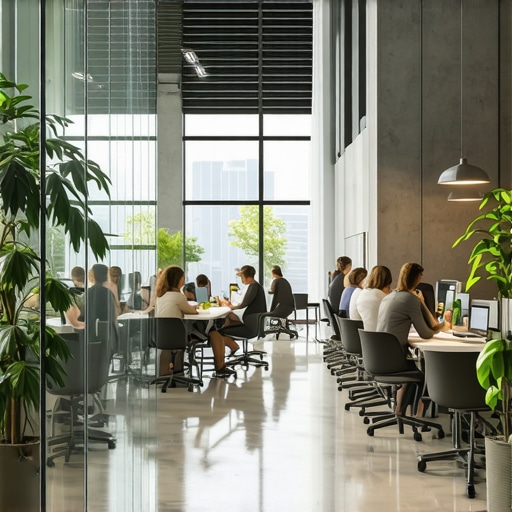
I remember sitting in a conference room that felt more like a forgotten cubicle than a space buzzing with ideas. The fluorescent lights flickered, and the chairs squeaked with every shift. Suddenly, it hit me: this space, which I had always seen as mere infrastructure, could be a powerful tool to attract the talent my startup desperately needed. Instead of just a place to meet, what if my office became a magnet for driven, innovative professionals?
Why Your Office Could Be Your Best Hiring Asset
Have you ever wondered why some companies seem to draw top talent effortlessly, while others struggle despite offering lucrative benefits? Sometimes, the environment we create can be a silent ambassador for our brand. Transforming your office into a vibrant, appealing space isn’t just about aesthetics; it’s a strategic move that signals your company’s values, culture, and vision to prospective employees. According to a recent survey by Coworking Central, innovative workspaces significantly boost a company’s attractiveness to potential hires. Imagine walking into a well-designed coworking space that sparks creativity—it’s bound to leave a positive impression, right from the first encounter.
Is The Buzz About Office Transformation Just Hype?
Early in my journey, I made the mistake of thinking that simply redesigning a space was enough. I poured money into trendy furniture and cool tech, but forgot to align it with our company’s vibe. The result? An office that looked good but felt impersonal and uninspiring. That’s a mistake I see many startups repeat—believing that visuals alone can do the trick. In reality, your workspace needs to resonate with your team and reflect your mission to genuinely attract talent. We’ll explore how to avoid these pitfalls and create an environment that truly speaks to potential team members.
Does transforming your office into a talent magnet sound like a distant dream? It’s entirely achievable—with the right mindset and strategic steps. Let’s dive into how you can turn your workspace into one of your strongest recruitment tools, starting today.
,
Redesign with Purpose
Start by assessing what your current space communicates about your startup. Do the colors, furniture, and layout reflect your brand and culture? I once converted an outdated meeting room into a vibrant, flexible space by replacing dull chairs with ergonomic, colorful ones and adding local art that resonated with our values. This immediate visual shift signaled to visitors and team members alike that innovation was at the core of our identity.
Select the Right Layout
Consider the room’s flow: do you want a collaborative, open-plan setup or a more formal, presentation-oriented space? When I reconfigured a conference room to encourage spontaneous brainstorming, I used movable whiteboards and modular furniture. This flexibility boosted team engagement and fostered a dynamic environment, making the space more appealing to potential hires who value creativity.
Optimize for Natural Light
Natural light not only enhances mood but also makes your space more inviting. I installed larger windows and opted for light, airy curtains that could be drawn back during meetings. During a demo day, visitors remarked how the room’s brightness reflected our transparent culture, increasing their comfort and impression of our professionalism.
Invest in Quality Tech
State-of-the-art audio-visual equipment demonstrates your commitment to efficiency and innovation. I faced a frustrating situation when my old projector failed during an important pitch, costing us credibility. Afterwards, I upgraded to a 4K smart display with wireless connectivity. It streamlined presentations and made every meeting feel cutting-edge, which prospective employees noticed and appreciated.
Create Functional Zones
Divide your conference room into distinct areas: a tech hub, a sitting lounge, and a standing desk spot. This segmentation caters to varied interaction styles and makes the space more multifunctional. When I organized a coworking event, having dedicated zones allowed different groups to collaborate comfortably, showcasing your space’s versatility to potential talent.
Add Personal Touches
Incorporate elements that reflect your company’s personality—be it playful decor, custom branding, or communal art projects. I introduced a ‘wall of ideas’ where team members pinned inspiration, which proved to be an icebreaker for visitors and new hires alike. These details make your office memorable and welcoming.
Incorporate Engagement Features
Install features that encourage interaction, like interactive screens or writable walls. I added a digital feedback station where visitors could leave comments after tours, fostering a sense of inclusion. Such innovations make the space more engaging, signaling that your startup truly values openness and collaboration.
Leverage External Resources
If redesigning seems daunting, consider consulting [coworking spaces](https://coworkingcentral.com/coworking-spaces-unlock-innovation-top-meeting-rooms-of-2025-at-1123-am) to learn what’s trending or partner with local artists and tech providers. These collaborations can elevate your environment without breaking your budget.
Many assume that simply creating an attractive, modern conference room guarantees attracting top talent or boosting productivity, but this perception overlooks critical nuances that can make or break your environment. One common myth is that high-end furniture and tech alone can transform a space into a magnet. In reality, the emotional and cultural resonance of your environment often outweighs superficial upgrades. For instance, a startup that invests heavily in sleek design but neglects the acoustics or natural lighting may still struggle with poor focus and morale. Research from Harvard Business Review emphasizes that environmental factors like noise and lighting significantly impact employee performance, yet many overlook these in favor of aesthetic enhancements.
What Advanced Mistakes Do Even Experienced Creators Make with Meeting Spaces?
One sophisticated error is underestimating the importance of spatial layout and how it influences interaction dynamics. An open-plan conference area might promote collaboration but can also lead to distractions and reduce privacy, especially during sensitive discussions. Conversely, overly compartmentalized spaces can hinder spontaneous brainstorming, reducing agility—a key startup advantage. It’s a delicate balance that requires deliberate design thinking. Moreover, many underestimate the hidden costs associated with poor acoustic management, which can lead to miscommunication and frustration. According to a study by the Acoustic Society of America, inadequate soundproofing can decrease productivity by up to 25%, a statistic that underscores the importance of nuanced environmental planning.
Furthermore, there’s a trap in over-relying on technology as a substitute for good design. High-tech gadgets might seem impressive but can become distractions or obsolescent if the foundational space isn’t thoughtfully crafted. For example, installing state-of-the-art video conferencing equipment doesn’t help if the room’s layout and lighting hinder camera angles and visibility. This is why integrating technology seamlessly into the space, rather than *around* it, is crucial. To explore a thoughtful approach, consider reading how top coworking hubs are reimagining their spaces, using subtle yet impactful design elements that align with their brand identity.
In the fast-evolving landscape of startup environments, paying attention to these nuanced aspects can be the difference between a space that inspires and one that hampers growth. Regularly reassessing your environment through feedback and expert advice helps in avoiding these pitfalls. If you’re interested in innovative ideas for transforming your meeting rooms into hubs of creativity, check out [coworking spaces that unlock innovation](https://coworkingcentral.com/coworking-spaces-unlock-innovation-top-meeting-rooms-of-2025-at-1123-am).
Have you ever fallen into this trap? Let me know in the comments.
Maintaining a productive conference room environment requires more than just good furniture and lighting. It involves leveraging the right tools and practices to ensure consistency, efficiency, and adaptability over time. One indispensable tool I personally rely on is Robin Powered, a room management platform that simplifies booking processes and provides real-time availability updates. It has transformed how my team schedules and utilizes meeting spaces, reducing double bookings and last-minute chaos.
For audiovisual needs, I swear by Zoom Rooms integrated with high-quality hardware like Logitech Rally cameras and Poly Studio soundbars. These tools create seamless virtual-in-person meeting experiences, which are vital given the rise of hybrid work models. I particularly appreciate how this integration provides stability and clarity, eliminating common tech frustrations during crucial gatherings.
To keep equipment running smoothly, routine maintenance becomes non-negotiable. I schedule monthly checks covering everything from cleaning projectors to testing microphone audio levels. Documenting these inspections helps identify recurring issues early. Tools like Sweetwater Sound for audio maintenance or open-source firmware updates for AV hardware are invaluable for extending equipment lifespan without hefty replacements.
How do I maintain conference room effectiveness over time?
Adopting a proactive maintenance routine backed by reliable tools is key. Setting automated reminders in project management software like Asana ensures regular inspections aren’t overlooked. Additionally, fostering feedback loops with your team via shared documents or quick surveys helps catch issues before they escalate. Keeping a detailed inventory of tech and furniture, along with warranty statuses, prevents unexpected downtimes.
Looking ahead, I predict that AI-driven maintenance solutions will become mainstream. Future systems will monitor environmental factors like temperature, humidity, and equipment performance, alerting you when actions are needed. This automation promises to make ongoing upkeep almost effortless, freeing valuable time for strategic innovations.
Start integrating advanced tools today, maybe by experimenting with a room management platform like Robin, to experience immediate efficiency gains. Consistent maintenance not only extends your assets’ lifespan but also ensures your conference spaces continually impress. For tailored advice on setting up a maintenance plan aligned with your startup’s unique needs, consider reaching out through our contact page.
What I Wish I Knew When Redesigning Meeting Spaces
- I underestimated how much environment influences team energy—small changes like lighting and layout can spark huge shifts in collaboration and morale.
- Investing in acoustic treatments was a game-changer; clear communication reduces frustration and enhances decision-making in crucial meetings.
- Tech is vital, but seamless integration matters more—badly configured equipment can undo otherwise good design efforts.
- Flexibility in furniture and space design promotes spontaneity and creativity, attracting talent eager for dynamic work environments.
- Listening to team feedback continuously helps adapt the conference room into a space that evolves with your startup’s needs.
My Top Picks to Elevate Your Meeting Environment
- Innovative Meeting Rooms: A treasure trove of ideas that push beyond stock solutions—these insights keep your space fresh and inspiring.
- Maximize Meeting Productivity: Practical tips grounded in real startup challenges—helping you optimize space utilization and team flow.
- Create Culture in Shared Spaces: Strategies for fostering team identity and comfort, turning your conference room into a flagship element of your culture.
- Future-Proof Your Space: Insights into emerging tech and design trends that will keep your meeting environment ahead of the curve.
Your Move Starts Now
Designing a conference room that attracts top talent and fuels innovation isn’t a one-and-done task; it requires ongoing evolution and heartfelt attention. Remember, a well-crafted meeting space can be one of your startup’s most powerful assets, inspiring creativity and forging stronger connections every day. Embrace these insights, experiment boldly, and watch your environment become a magnet for success.
Have you struggled to make your conference room work for your team’s unique needs? Share your experiences below—I’d love to hear your story!
,