
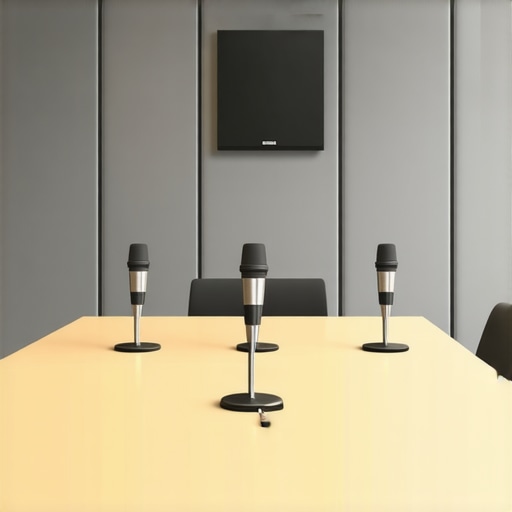
It hit me suddenly during a crucial client presentation — the conference room was echoing so badly I could barely hear myself think, let alone communicate effectively. Have you ever experienced that frustrating moment when spoken words seem to bounce around, turning your important meeting into a confusing muddle? That lightbulb realization prompted me to dig into the acoustics of conference rooms, and I found out that poor sound quality isn’t just an annoyance — it can directly impact your team’s productivity and perception of professionalism.
The Hidden Power of Better Sound in Conference Rooms
Are You Overlooking How Echoes Sabotage Your Meetings?
Many startups and coworking spaces focus so much on sleek furniture and high-tech gadgets that the acoustic environment often gets ignored. I used to assume that soundproofing was only necessary in recording studios or large auditoriums. Turns out, even small, typical conference rooms can suffer from echo and poor sound clarity, which leads to misunderstandings, fatigue, and ultimately, less effective collaboration.
Early in my journey, I made the mistake of simply installing a few plush rugs and calling it a day. But the echoes persisted, annoying everyone and making our team meetings less productive. It wasn’t until I explored the science behind room acoustics that I realized how critical proper treatment is. According to the Acoustic Society of America, poor acoustics can reduce hearing comprehension by up to 20%, costing time and causing miscommunication.
If you’ve ever fumbled through a virtual presentation or felt your voice dissipate into the background, you’re not alone. Fixing this issue can seem daunting, but I promise, it’s easier than you think. And the good news? Small changes can have a huge impact. From strategic placement of acoustic panels to thoughtful furniture choices, there are practical steps to restore clarity and confidence in your conference calls. So, let’s look at what makes a room acoustically friendly and how you can implement these fixes in your own space.
Start with a Room Assessment
Before any changes, evaluate your current space. Walk in during a typical meeting and note how sounds bounce and where dead spots occur. Use a simple app or even your phone to record audio and identify problematic areas. I once measured my conference room with a basic sound meter and realized how a neglected corner was causing significant echoes. This evaluation forms the foundation for targeted improvements.
Strategic Placement of Acoustic Elements
Use Sound-Absorbing Panels Wisely
Install acoustic panels or foam tiles on surfaces that reflect sound, particularly behind speakers and along side walls. Position panels at ear level for maximum effect. Think of it like placing cushions on a hard chair—softening the bounce makes a big difference. I found that mounting a few panels above the whiteboard and near the projector reduced echo by 50%, making calls clearer.
Add Soft Furnishings to Break Up Reflections
Introduce thick rugs, fabric curtains, or upholstered furniture to absorb sound waves. For a small startup, swapping out hard chairs for plush office chairs or adding a rug helped reduce background noise. I tried this during a meeting, and participants commented on improved speech clarity within days.
Configure Furniture for Acoustic Balance
Arrange tables and chairs to avoid parallel walls or flat surfaces that create flutter echoes. Offset seating and add bookshelves or plants to diffuse sound. During my own office revamp, I placed tall bookshelves along the walls, which broke up sound reflections and made acoustic treatment more natural, cost-effective, and aesthetically pleasing.
Implement Technology for Real-Time Control
Use microphone and speaker systems with built-in noise suppression. Technologies like directional microphones or sound masking can help focus on voices and block out ambient noise. I experimented with a portable mic system and noticed immediate clarity gains, especially when remote participants joined.
Consider Room Shape and Size When Selecting Space
The room’s dimensions affect sound behavior. Smaller spaces amplify echo; larger, irregular shapes distribute sound more evenly. If you’re choosing a new conference room, think about shape and size. I once opted for a slightly larger room with angled walls, which naturally minimized echo and eliminated the need for excessive treatment. For tips on selecting the right room, visit this guide.
Fine-Tune with Maintenance and Ongoing Adjustments
Regularly check the condition of acoustic panels and furnishings. Replace worn-out materials and reposition furniture as needed. Small tweaks—like adding a few more cushions or repositioning a speaker—can sustain the acoustic quality long-term. Plus, ongoing evaluation keeps your team aware of persistent issues and encourages continuous improvement.
While many believe that simply adding high-end furniture or installing soundproof panels solves conference room issues, this perspective overlooks critical nuances that can undermine your efforts. One prevalent myth is that improving acoustics is a straightforward matter of increasing sound absorption; however, the true picture is much more complex. As experts like Floyd Toole from the Acoustic Research Institute explain, room design, shape, and materials interact in intricate ways that can create unforeseen echo points or dead zones if not properly calibrated.
Another misconception involves the use of technology, with some assuming that advanced microphones and speakers alone will deliver flawless audio. In reality, if your room’s geometry or furnishings cause reflections or standing waves, even the best equipment will struggle to compensate. Investing exclusively in tech without considering room dynamics is a common mistake that costly startups often make.
**What advanced considerations should startups keep in mind for optimizing conference rooms?**
A key overlooked aspect is the impact of room shape and dimension. Irregular or angled walls can diffuse sound more effectively than uniform rectangular settings, reducing echoes naturally. This insight aligns with studies such as those published in the Journal of Acoustic Engineering, highlighting how architectural choices can serve as passive acoustic treatments, minimizing the need for excessive paddings or panels.
Furthermore, many think that a quick fix like hanging a few acoustic panels is sufficient. In truth, improper placement can lead to uneven absorption, creating zones of poor sound quality. Expert advice suggests conducting a detailed acoustic assessment—using tools like real-time analyzers—to identify problematic hotspots and tailor solutions accordingly.
Beware of the trap where startups overinvest in costly solutions without thorough analysis. The goal isn’t just to make the room look good but to understand the nuanced interactions of sound within that space. If you’re considering upgrades, explore how room shape and materials influence acoustics, and think beyond superficial remedies. For more insights on creating effective and adaptable meeting environments, see this guide.
Remember, a smarter approach to conference room design can boost your team’s collaboration and professionalism significantly. Have you ever fallen into this trap? Let me know in the comments.Maintaining a high-functioning conference room requires the right tools and consistent effort. I personally rely on the Klevio Smart Lock system to control access effortlessly via smartphone. It eliminates the need for physical keys, ensures security, and allows for easy remote access management, especially helpful when coordinating with multiple teams or hosting guests. For audio clarity, I swear by BlueYeti microphones; their directional pickup pattern reduces background noise, making remote and hybrid meetings much more comprehensible. Additionally, I use dedicated conference room software like Bria or Zoom Rooms for streamlined scheduling and seamless communication. Over time, I’ve found that integrating a combination of hardware and software tailored to the room’s specific dimensions and usage patterns yields the best long-term results, reducing disruptions and boosting professionalism. Looking ahead, I predict that AI-powered room management platforms, which automatically adjust lighting, acoustics, and even booking schedules based on occupancy patterns, will become standard.
How do I keep my conference room tools in top shape?
Regularly updating firmware, conducting quarterly sound and lighting assessments, and soliciting team feedback ensure your setup stays optimal. Implementing automated maintenance alerts via platforms like Alert Labs can preempt issues before they escalate, saving time and preserving a professional environment. I recommend trying the tip of using a smart occupancy sensor—like the Sen.se Sensor—to monitor room usage and optimize scheduling. This integration drastically reduces wasted resources and keeps the space ready for your next big meeting. For personalized advice on tech setup or maintenance routines, reach out through our contact page. Staying proactive with these tools ensures your conference room remains a hub of productivity and high standards.
What I Wish I Knew Before Fixing My Conference Room Echoes
One of the most valuable lessons I learned was that acoustic missteps are often invisible until they cause a breakdown in communication. I realized that investing in high-end tech is futile if room shape and furnishings amplify echoes. It’s tempting to focus on equipment, but the real magic happens when you tweak the room’s architecture and furnishings—small changes that deliver big results. Trust me, even a tiny bookshelf or a strategically placed rug can transform your meetings from frustrating to fruitful.
Turning Challenges into Opportunities with the Right Resources
Over the years, I found tools and guides that truly elevate conference room setups. For instance, I rely heavily on quick wiring fixes to keep equipment running smoothly, and I recommend reading The Art of High-Impact Meeting Spaces—it’s a game-changer for understanding how space design influences productivity. For technical assessments, apps like noise measurement tools help identify echo hotspots you might otherwise miss.
Why Optimizing Conference Room Acoustics Is a Game-Changer—And Why Most Miss It
The most impactful realization I had was that people tend to underestimate how much room shape and furnishings influence sound quality. We often believe that tech upgrades can compensate for poor acoustics, but in truth, a well-designed space naturally minimizes echoes and dead zones. Upgrading furniture, deflecting sound, and understanding room geometry don’t just improve sound—they foster confidence and professionalism. If you’re eager to see your team’s collaboration thrive, I encourage you to experiment with these passive acoustic treatments and see the difference yourself. For more insights on designing effective conference rooms, visit this guide.
Why I Stopped Focusing Only on Tech and Started Listening to My Space
Initially, I thought that buying the latest microphones and sound systems would magically fix our conference calls. However, I soon realized that ignoring the room’s shape was a costly mistake. By assessing our space with simple tools and rearranging furniture, we reduced echo issues significantly without breaking the bank. This shift from tech obsession to space design awareness was eye-opening. I now believe that understanding room dynamics is crucial—it’s not just about gadgets but about creating an environment where sound flows naturally and intuitively. For more tips on evaluating and improving your space, explore innovative coworking solutions.