
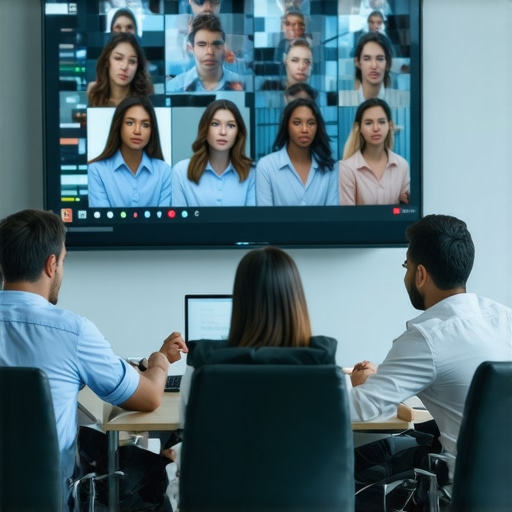
I stood there, holding a lukewarm oat milk latte, watching my CTO’s face freeze on a 75-inch 4K monitor for the third time in ten minutes. We were in one of those “innovative” meeting rooms that cost more per hour than my first car, yet the energy in the room was somewhere between a funeral and a dial-up internet connection. It was embarrassing. More than that, it was a wake-up call. I’d spent thousands on tech and coworking memberships, but my team was still operating in silos, whispering in Slack DMs because the “official” channels felt like shouting into a void. I’d bought the dream of the flexible workspace but was living the nightmare of fragmented connectivity.
We Need to Talk About the Digital Wall
The problem isn’t your Wi-Fi, and it’s probably not your project management software either. I’ve learned the hard way that why your hybrid team feels disconnected on Mondays usually boils down to a lack of intentionality. When we were all in the same office, communication happened by accident—near the coffee machine or while walking to the elevators. Now, those accidents don’t happen. You have to manufacture them, or at least create the space where they can occur. According to a study by Microsoft, 50% of hybrid workers feel disconnected from their company culture. If you don’t build a bridge, that gap becomes a canyon that swallows your productivity. I used to think that just being “available” was enough, but availability without a framework is just an invitation for interruptions. We need to move beyond the superficial check-ins and start looking at how information actually moves through our digital and physical spaces.
Is “More Meetings” Actually Ruining Everything?
You’re probably thinking, “If I just schedule more syncs, we’ll be fine.” Stop right there. That was my first big mistake. I thought more face time on camera equaled better alignment. It didn’t. It just led to burnout and a collective groan every time a calendar notification popped up. If you want to stop your team from hating hybrid meetings, you have to rethink the very nature of the conference room. It’s not a place for status updates; it’s a place for synthesis. Sometimes, the secret to productive brainstorming sessions away from the office isn’t about the high-end furniture or the fast internet, but about how you invite people into the conversation so they feel heard across the screen. I remember a specific workshop where I spent forty minutes just trying to get the audio to work, only to realize nobody actually wanted to be there because they didn’t know what we were trying to achieve. It was a failure of leadership, not technology.
Fix the Culture Before You Buy More Gear
I remember trying to handle a sensitive HR meeting in a shared space and realizing that our internal protocols were non-existent. We had the private room, the soundproofing, and the sleek table, but we didn’t have the trust required to make that conversation productive. We were trying to solve human problems with architectural solutions. Today, I’m going to show you how to tear down the invisible barriers that are making your team feel like strangers. We’ll look at why your current habits are failing and how to pivot without needing a massive budget. Have you ever walked out of a “collaborative” meeting feeling more alone than when you walked in? Drop a comment or send me a note; I’d love to hear your story. It’s a lonely feeling, but I promise you, it’s a fixable one.
[image placeholder]
Let’s get into the nitty-gritty of why your current communication stack is working against you and how to flip the script for a more cohesive, less frustrated team.
Audit the Digital Noise Before Your Team Checks Out
Kill the Passive Status Update
Think of your digital communication like a busy highway. If you have too many ‘checking in’ messages, you’re just adding traffic without moving any actual freight. I realized this when I saw my lead developer’s eyes glaze over during our Monday sync; we were spending forty minutes reciting things that were already documented in our project management tool. Now, we treat our digital tools as the ‘source of truth’ and our meetings as the ‘source of connection.’ If it can be read in a bullet point, it doesn’t belong in a meeting room. By shifting the mundane updates to asynchronous channels, you are learning how to maximize productivity in your startups conference rooms by 0245 pm rather than wasting the valuable morning energy on fluff.
Pick the Right Gear for the Right Mission
I once tried to host a high-stakes board meeting in a room that looked like a futuristic spaceship but had the acoustics of a damp cave. We spent half the time saying ‘Can you repeat that?’ while the investors looked increasingly annoyed. It was a disaster. You have to match the room to the specific task at hand. If you’re doing deep technical work, you need a setup that handles heavy bandwidth without blinking. I learned the hard way how to deal with technical glitches during a remote board call: it’s not about having the most tech, it’s about having the most reliable tech. Don’t be seduced by neon lights or fancy chairs; check the hardwired Ethernet ports and the microphone quality first. A pretty room won’t save a pitch that sounds like it’s coming from underwater.
Build a Culture of Physical and Digital Harmony
Stop Letting Your Layout Kill the Vibe
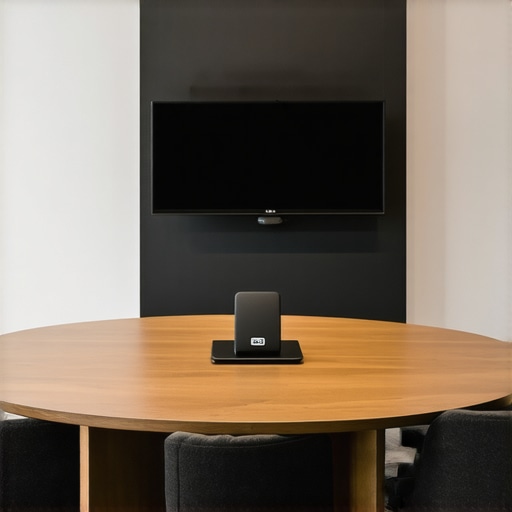
The physical space you inhabit dictates the power dynamics of the conversation. If your team is huddled around a long, narrow table facing a single screen at the end, the people in the back are going to disengage by default. It’s a basic psychological fact of proximity. I started experimenting with different setups and finally understood why your meeting room layout is killing participation. We swapped our rectangular boardroom table for a circular setup and suddenly, the quieter engineers were speaking up without being prompted. It’s about creative coworking transforming meeting rooms into collaboration hubs at 0455 pm, turning a stale environment into something that actually invites people to contribute rather than just observe. Think of your conference room like a cockpit—every instrument needs to be within reach and functional, or the whole flight is at risk.
Establish Clear Rules for Shared Space Sanity
When you’re in a coworking environment, your company culture doesn’t exist in a vacuum—it bumps up against a dozen other startups every single day. One of my biggest hurdles was managing the crossover. We had to create specific protocols for when we were in the high-energy collaborative zones versus the quiet areas. I remember a Tuesday morning trying to run a product demo from a space that had great coffee but terrible upload speeds. The lag was so bad my screen share looked like a slideshow from the nineties. I had to learn how to host a developer workshop without the lag by vetting the infrastructure first, not just the interior design. Success in these shared spaces is ten percent about the lease and ninety percent about how you teach your team to inhabit it without losing their focus or their professional edge.
Most founders believe that more amenities equals more value. I’ve seen teams get seduced by ‘startup vibes’ only to end up finding a workspace that doesn’t feel like a tech prison but actually functions like one. The biggest mistake is prioritizing the ‘wow’ factor for Instagram over the ‘work’ factor for your developers. I learned this the hard way when I realized why the all-inclusive membership is usually a trap. You pay for the craft beer and the neon signs, but when you need a quiet spot for a high-stakes call, you’re out of luck. Have you ever fallen into this trap of picking a space because of the aesthetic rather than the utility? Let me know in the comments.
Why a Glass Wall Might Be Costing You the Seed Round
Everyone loves the transparency of glass, but in a high-stakes startup context, it’s often a liability. When you’re trying to choose the perfect conference room at 0817 am, you have to consider acoustic and visual privacy. Investors aren’t just looking at your deck; they are looking at how you handle sensitive information. A study from the Journal of Environmental Psychology suggests that visual noise—the constant movement of people outside a glass-walled room—can significantly reduce cognitive performance. This is why your startup needs a real door not just a glass wall. If an outsider can see your team playing ping-pong while we are trying to discuss your burn rate, it signals a lack of professional maturity.
Does Your Meeting Room Signal Stability or Reckless Spending?
There’s a hidden nuance in how you present your physical space to outsiders. I used to think a flashy, high-end boardroom was the way to impress, but I’ve found that why investors prefer meeting in professional spaces often comes down to the signal of fiscal responsibility. If your room looks too expensive, it looks like you’re burning through cash on mahogany instead of talent. The ‘Oops’ factor here is over-polishing. You want a space that says ‘we are successful’ without saying ‘we are wasteful.’ You need to know how to vet a conference room for client-facing speed and technical reliability. A rock-solid, high-speed connection and clear audio will always beat a designer chair in a room that echoes. It’s about demonstrating that you prioritize the tools that actually facilitate a deal.
Avoid the Cable Spaghetti Nightmare With a Dedicated Tech Stack
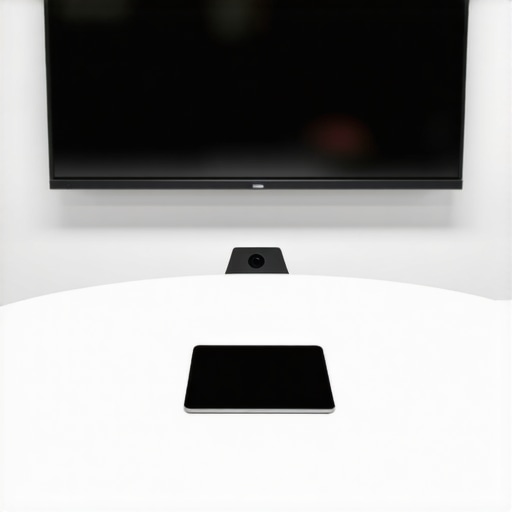
I learned the hard way that a pile of adapters is the fastest way to kill a founder’s confidence during a live demo. If you want to scale, you need a hardware-software handshake that works every single time without a sacrificial reboot. I personally swear by a dedicated room system—something like a Logitech Rally or a Poly Studio—paired with a fixed tablet for room controls. Why? Because it removes the ‘personal laptop’ variable. When your team knows they can walk in and hit one button to start the session, you’ve won half the battle against friction. According to the official Audinate documentation on the Dante (Digital Audio Network Through Ethernet) protocol, achieving sub-millisecond latency is the baseline for professional audio synchronization; if your setup is lagging, you’re literally out of sync with your mission. This is exactly how to deal with technical glitches during a remote board call before they embarrass you in front of the board.
How do I maintain peak room performance as we scale?
Maintenance isn’t just about dusting the monitors; it’s about auditing the user experience every thirty days. I treat our conference rooms like a product. We run a ‘ghost meeting’ once a month to check the mic gain and the upload speeds. It sounds obsessive, but for a fast-growing team, the room is your most expensive asset. You also need to empower your team to manage the space themselves. This starts with knowing how to book a meeting room in under sixty seconds so people actually use the system instead of ‘squatting’ in rooms and creating scheduling conflicts. If you are in a shared environment, the role of community managers in the modern workspace is your secret weapon. Build a relationship with them; they are the ones who know which rooms have the strongest signal and which ones are prone to neighbor noise.
The Future Depends on Zero-Friction Connectivity
As we look toward 2026, the trend is moving away from ‘dumb’ rooms toward ‘context-aware’ spaces. We are already seeing AI-driven cameras that track the speaker and acoustic fencing that digitally ‘blocks’ out the sound of the espresso machine outside. I predict that the future of conference rooms in startup ecosystems will be less about the physical square footage and more about the quality of the ‘digital twin’ experience for remote participants. You don’t want a meeting room; you want a portal. To get ahead of this, stop looking for the cheapest lease and start why founders are trading square feet for better network access. It’s a strategic pivot that pays dividends in every single pitch. Before your next big call, I challenge you to actually how to test the wi-fi speed before you book that venue. Don’t take the brochure’s word for it—run a speed test from the specific corner where you’ll be sitting. It’s a five-second habit that separates the amateurs from the pros.
Real Talk on What Actually Happens Behind Closed Doors
Reflecting on my journey from that frozen CTO screen to a streamlined operation, I’ve realized that the most expensive room is the one that sits empty because no one knows how to use it. Here are the hard truths I had to swallow: First, tech is a tool, not a culture. You can have a 4K camera, but if your team doesn’t feel safe speaking up, they’ll remain on mute. Second, I’ve learned that why the all-inclusive membership is usually a trap often comes down to paying for fluff like kombucha taps instead of robust firewalls. Third, the layout dictates the outcome; a circular table isn’t just a design choice, it’s a participation strategy. I’ve seen why your meeting room layout is killing participation firsthand when junior developers are forced to sit in the ‘outer ring’ of a traditional boardroom.
[image placeholder]
My Personal Shortlist for a Frictionless Office
If you are looking to audit your current setup, I recommend starting with these specific pivots. I swear by a physical ‘Room Health’ checklist—if you can’t learn how to book a meeting room in under sixty seconds, your system is fundamentally broken. For those in the early stages, studying choosing the perfect conference room at 0817 am will save you more time than any productivity app. I also highly recommend the Harvard Business Review‘s research on hybrid team dynamics; it changed how I viewed the need for creative coworking transforming meeting rooms into collaboration hubs at 0455 pm. Don’t just lease square footage—curate the experience.
Stop Being a Spectator in Your Own Workspace
The transition from a fragmented team to a cohesive unit doesn’t happen overnight, but it starts the moment you stop settling for ‘good enough’ connectivity. Your workspace is the physical embodiment of your company’s ambition. Whether you are prepping for a seed round or a weekly sync, ensure the environment reflects the professional excellence you expect from your code. As you look toward the future of conference rooms in startup ecosystems, remember that the goal is always zero friction. Go out there, test your Wi-Fi, move your tables, and start building the bridge your team deserves. Have you ever had a high-stakes meeting derailed by something as simple as a missing adapter or a glass wall that offered zero privacy? Let me know your biggest workspace ‘fail’ in the comments below.