

I remember sitting in my car at 2:14 AM, staring at the glowing blue keypad of my brand-new coworking space. I was exhausted, my startup was bleeding cash, and I had this expensive “all-access” keycard burning a hole in my pocket. I thought that by paying for 24/7 access, I was magically buying success. I was wrong. I spent three hours that night just trying to get the printer to work because nobody was there to help me, and the motion-sensor lights kept turning off every ten minutes, leaving me in total darkness while I tried to type. It was a classic rookie mistake. I was treating a tool like a trophy, and honestly, it made me feel more like a prisoner than a founder. We are going to change that narrative today. I want to show you how to actually leverage that “always-on” access without burning out your brain or your budget.
Real Flexibility Means Working on Your Own Clock
When I first signed my lease, I fell for the trap of thinking I needed to be there all the time just to justify the cost. I quickly realized that the true ROI of a premium coworking membership isn’t measured by how many hours you clock in, but by how that space serves your specific rhythm. For me, that meant finding a place where I could escape the chaos of a house full of kids and pets. I found that ditching the home office for a month was a total game-changer for my sanity, but only once I stopped trying to force myself into a standard 9-to-5 box. The beauty of 24/7 access is that it allows you to hunt down those quiet corners for high-stakes sales calls when the rest of the world is asleep or commuting. It’s about having the keys to the kingdom when you need to have a productive brainstorming session away from the office distractions that inevitably creep in during the afternoon slump.
Does anyone actually work at 4 AM?
You might be skeptical. I certainly was. Is an all-access pass really worth the hype if you’re a morning person who crashes by 8 PM? The short answer is yes, but only if you use it to your advantage. A surprising study published by the Harvard Business Review found that employees who possess higher levels of autonomy over their work schedules are significantly more productive and report higher job satisfaction than those in rigid environments. The problem is, most of us don’t know how to handle that freedom. Early on, I made the mistake of trying to host a client meeting late at night because I had the access, only to realize that a deserted building feels a bit “haunted house” to a potential investor. You have to learn how to get the best desk in a hot desking setup for your specific needs, whether that’s at sunrise or midnight. Have you ever found yourself sitting in a dark office at an ungodly hour wondering if you’re actually getting anything done? We’re about to break down the exact strategies to ensure your membership pays for itself ten times over. Let’s get into the nitty-gritty of making 24/7 work for your lifestyle, not the other way around.
Stop treating your membership like a Netflix subscription where you hope to ‘get your money’s worth’ by just being there. To truly win, you have to treat it like a high-performance gym—you go in with a plan, execute, and get out before you hit the point of diminishing returns. I once made the mistake of trying to ‘grind’ for eighteen hours straight in a communal booth. By hour twelve, I was just staring at a flickering cursor, and by hour fifteen, I had accidentally deleted a week’s worth of code because I was too tired to see straight. That isn’t productivity; it’s performance art for an audience of zero.
Stop Paying for Square Footage You Never Use
The biggest budget killer for early-stage founders is vanity. You might think you need a private suite to look professional, but stop overpaying for square footage you never use when a hot desk and a few well-timed room bookings will do. Early on, why the all-inclusive membership is usually a trap became clear to me when I realized I was paying a 40% premium for ‘free’ beer and a ping-pong table I hadn’t touched in six months. Instead, focus on the utility of the space. Use the 24/7 access to create a ‘split-shift’ that fits your brain’s natural peak. I now use the empty common areas at 7 AM for deep work, then retreat when the lunch crowd starts dealing with the guy who talks too loud in the common area.
How to Pick a Room That Does not Kill the Vibe
When it comes to investors, your environment is your silent partner. I once booked a sleek, ‘tech-heavy’ glass box for a critical pitch, only to realize the problem with tech-heavy meeting rooms that nobody knows how to use is that they always fail when you’re under pressure. I spent ten minutes trying to get the wireless HDMI to connect while the VC checked his watch. It was a disaster. Now, I always how to prep for a high-stakes board meeting by doing a tech run-through the night before using my 24/7 access. I also make sure I am choosing the right lighting for your next video pitch so I don’t look like I’m calling from a basement. If you are pitching remotely, finding a meeting room with decent natural light can be the difference between looking like a pro and looking like an amateur.
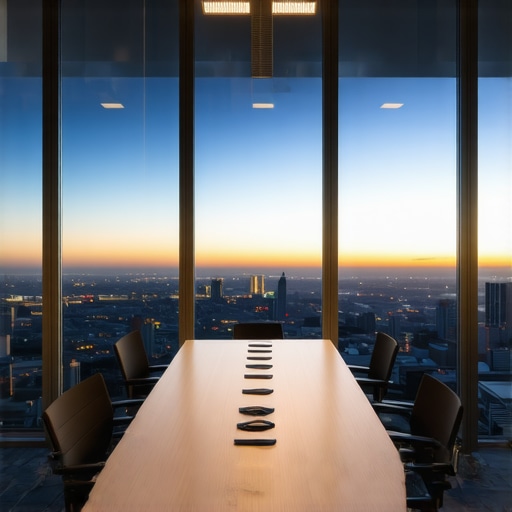
Make Your Physical Presence Count
Even in a world of Zoom, why physical presence still matters for early stage funding is something you can’t ignore. Being in the building during ‘human hours’ (10 AM to 4 PM) isn’t about the desk; it’s about the proximity to other founders. I’ve found that why your next big hire might come from a coworking lobby is a very real phenomenon. I found my lead designer just by asking who knew how to fix the paper jam in the communal printer. However, when the hub gets too social and you need to ship code, you have to know how to keep your focus when the coworking hub is packed. For me, that means moving to a ‘silent zone’ or using the late-night access to finish the heavy lifting. This allows you to how to maximize productivity in your startups conference rooms by using them for collaborative sprints during the day and quiet reflection at night.
The Science of the Pivot
If you’re still working out of your bedroom, the move from a garage to a professional hub is a psychological shift as much as a physical one. You stop being a hobbyist and start being a CEO. This transition requires you to be ruthless with your time. Instead of staying late just because you can, use that 24/7 keycard to ‘time-block’ your life. I use my late-night access specifically for transforming meeting rooms into collaboration hubs for my remote team, as it’s the only time our time zones overlap perfectly. It’s about making the space work for your specific needs, not trying to fit your life into a standard office mold. You’ve got the keys—now learn how to use them to unlock actual growth, not just a higher electric bill.
Most founders I talk to are obsessed with the ‘look’ of their workspace, assuming that a glass-walled boardroom somehow validates their Series A dreams. It’s a vanity metric. In reality, that fishbowl design is often a productivity killer because humans aren’t wired to be vulnerable when they feel like they are on display. I’ve learned that recognizing why privacy is the new luxury in coworking isn’t just a marketing slogan—it’s a survival tactic for sensitive negotiations. When you are fighting for your company’s life, you don’t need a view of the lobby; you need a fortress.
Acoustics Matter More Than Your Designer Sofa
The most common mistake is booking a room based on the number of chairs rather than the quality of the silence. I’ve sat in rooms with $5,000 Italian leather chairs where I could hear the guy in the next room chewing his lunch. If you can hear the hallway chatter, your clients can hear you, and suddenly your ‘professional’ meeting feels like a public broadcast. Understanding the acoustic secrets of high-end conference rooms is vital because poor sound dampening creates a subconscious sense of insecurity. You’ll find yourself whispering during your own pitch. If the space doesn’t have soft surfaces or acoustic panels, walk away. Don’t be fooled by the ‘cool’ industrial aesthetic of exposed brick and high ceilings; they are often an echo chamber that makes even the truth about noise-canceling headphones in shared spaces irrelevant because they don’t protect the other person’s ears from your environment.
Is your meeting room layout killing creative participation?
Everyone thinks the big rectangular table is the only way to do business, but it’s a relic of 1950s hierarchy. Research from the MIT Media Lab suggests that physical proximity and the ‘physics’ of the room directly correlate with ‘idea flow’—the rate at which teams exchange new concepts. A long rectangle reinforces a ‘head of the table’ power dynamic that stifles junior developers or quiet creatives. Instead, I’ve found that leaning into the hidden psychology of circular meeting tables fosters a much more egalitarian and innovative atmosphere. It’s harder to hide behind a laptop when everyone is equidistant from the center. 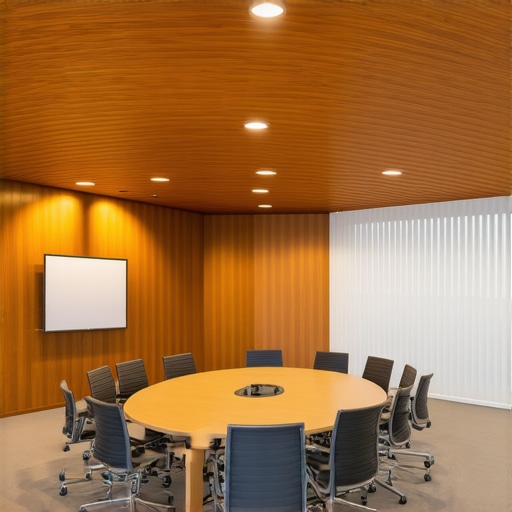
The Trap of the High-Status Boardroom
There is a nuanced ‘oops’ factor I see constantly: founders taking a nervous prospective hire or a skeptical vendor into the most aggressive, high-status room available. This is a mistake. It creates a power imbalance that leads to guarded answers. In my experience, why a neutral meeting space leads to more honest feedback is because it lowers the social stakes. You want people to focus on the problem, not the prestige of the wallpaper. If you are struggling to get a straight answer out of a partner, try moving the conversation from the ‘Executive Suite’ to a collaborative breakout zone. Have you ever fallen into this trap where your environment actually worked against your goals? Let me know in the comments. We often forget that why your meeting room layout is killing participation is usually a fixable problem if you stop following the standard corporate playbook and start looking at the actual human behavior in the room.
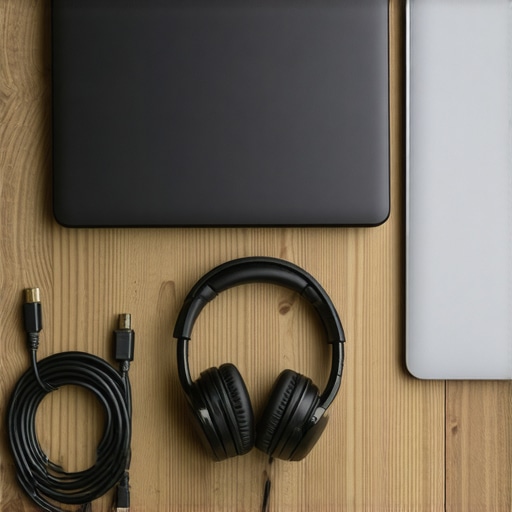
After burning through three different memberships and countless hours of trial and error, I have realized that the perfect space does not exist—you have to build the infrastructure around you. I do not go anywhere without my GL.iNet travel router. Why? Because I have learned the hard way that you should always how to test the wi-fi speed before you book that venue, but even then, shared networks are notoriously unstable. A travel router allows me to create my own encrypted subnet, which is essential because why endpoint protection services matter more when your team is hybrid is a lesson you do not want to learn via a data breach. I also keep a go-bag with a 10ft HDMI cable and a dedicated USB-C hub because the built-in tech in most places is unreliable when you are under pressure.
Pack Your Digital Survival Kit
You need to be prepared for the worst-case scenario. I once had a client demo nearly ruined because the coworking Wi-Fi blinked out. Knowing how to handle a server crash from a temporary desk is a skill every CTO needs to master. My method involves a dedicated mobile hotspot as a failover and an external SSD with my local dev environment ready to go. According to a report by Gartner on the Future of Work, 74% of CFOs plan to shift at least 5% of previously on-site employees to permanently remote positions, which means the competition for bandwidth in these hubs is only going to get fiercer. You cannot afford to rely on the house Wi-Fi for your high-stakes moments.
Move In Before You Scale Out
Eventually, we hit a point where the lobby wasn’t enough. We needed a home base that could handle our specific security needs. That is why we moved our engineering team to a private suite. It wasn’t about status; it was about the fact that the move from a garage to a professional hub is a survival guide step that requires actual walls for whiteboarding and intellectual property protection. I predict the future of conference rooms in startup ecosystems will shift toward holistic huddle spaces where AI-driven acoustics automatically mask outside noise based on the number of people in the room, making even the busiest hub feel like a vault.
How do I keep my team focused while sharing a floor?
Maintenance is not just about equipment; it is about protecting your team’s mental bandwidth. We use a simple red-light, green-light system on our desks. If a team member has the red light on, they are in a deep focus sprint. This prevents the inevitable productivity drop when the coworking hub gets noisy. You have to be ruthless about your boundaries. My advanced tip: Try this next time you book a room—do a silent tech run-through exactly 12 hours before your meeting. If the cable is frayed or the monitor is flickering, you still have time to pivot before the client arrives. It is this level of preparation that separates the hobbyists from the real players in the coworking world.
The Hardest Lessons From My 2 AM Coding Sprints
Reflecting on those early days in the empty coworking hub, the biggest realization I had was that access does not equal output. I spent far too long thinking that a 24/7 keycard was a badge of honor, when in reality, it was often a crutch for poor time management. I discovered some crucial startup success secrets regarding space utilization: the best work happens when you are most uncomfortable, and the best networking happens when you are most visible. If you are only showing up when the lights are on motion-sensors, you are missing the human element that makes these spaces valuable. I also learned that why investors prefer meeting in professional settings has nothing to do with the coffee and everything to do with the signal of stability you send. Don’t be the founder who hides; be the one who uses the space to project confidence.
What Is Inside My Startup Survival Kit
To truly thrive in a flexible environment, you cannot rely on the amenities provided by the building. I have built a curated toolkit that ensures I am never at the mercy of a broken printer or a slow connection. First, the GL.iNet travel router is non-negotiable for security and stability. Second, I always carry a physical backup of my core pitch deck on a high-speed SSD because cloud sync will fail you at the worst moment. I also highly recommend checking out how to choose the perfect conference room for business success to understand the specific AV requirements you should look for before signing a membership. It is also vital to know how to vet a conference room for client-facing speed, specifically testing the upload rates if you are hosting a heavy demo.
Build Your Fortress Not Just a Desk
At the end of the day, your workspace is the physical manifestation of your company’s culture. Whether you are currently hot-desking or looking at how to find an office space that grows with your hiring plan, remember that the goal is to create an environment where your team can do their best work without friction. The 24/7 access is a tool for flexibility, not a mandate for burnout. Use your coworking membership to find the rhythms that work for you, and do not be afraid to pivot your setup as your team scales. You have the keys to the kingdom now—use them to build something that lasts. Have you ever struggled with balancing late-night productivity with the need for a professional office presence? Let me know below.